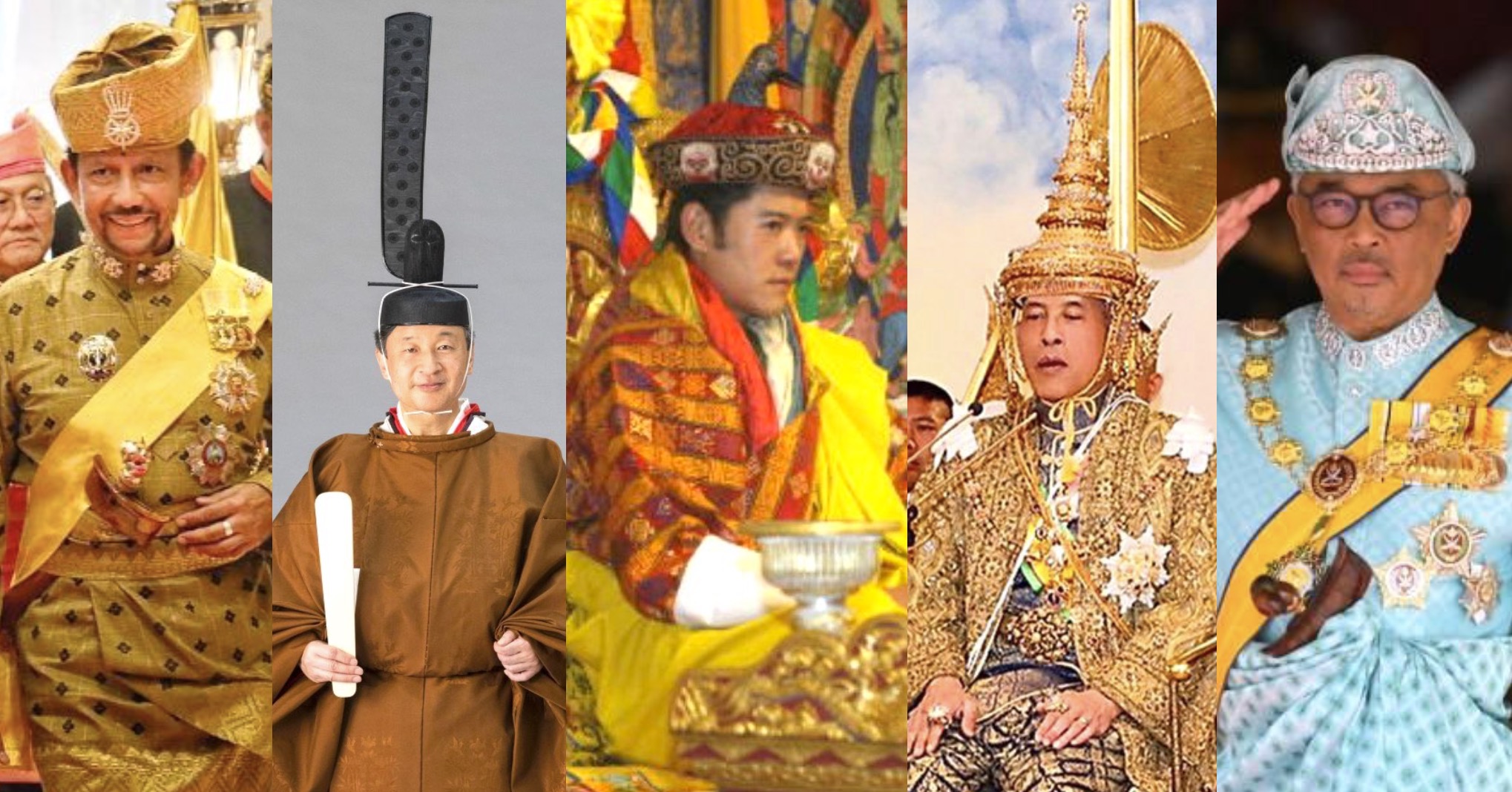
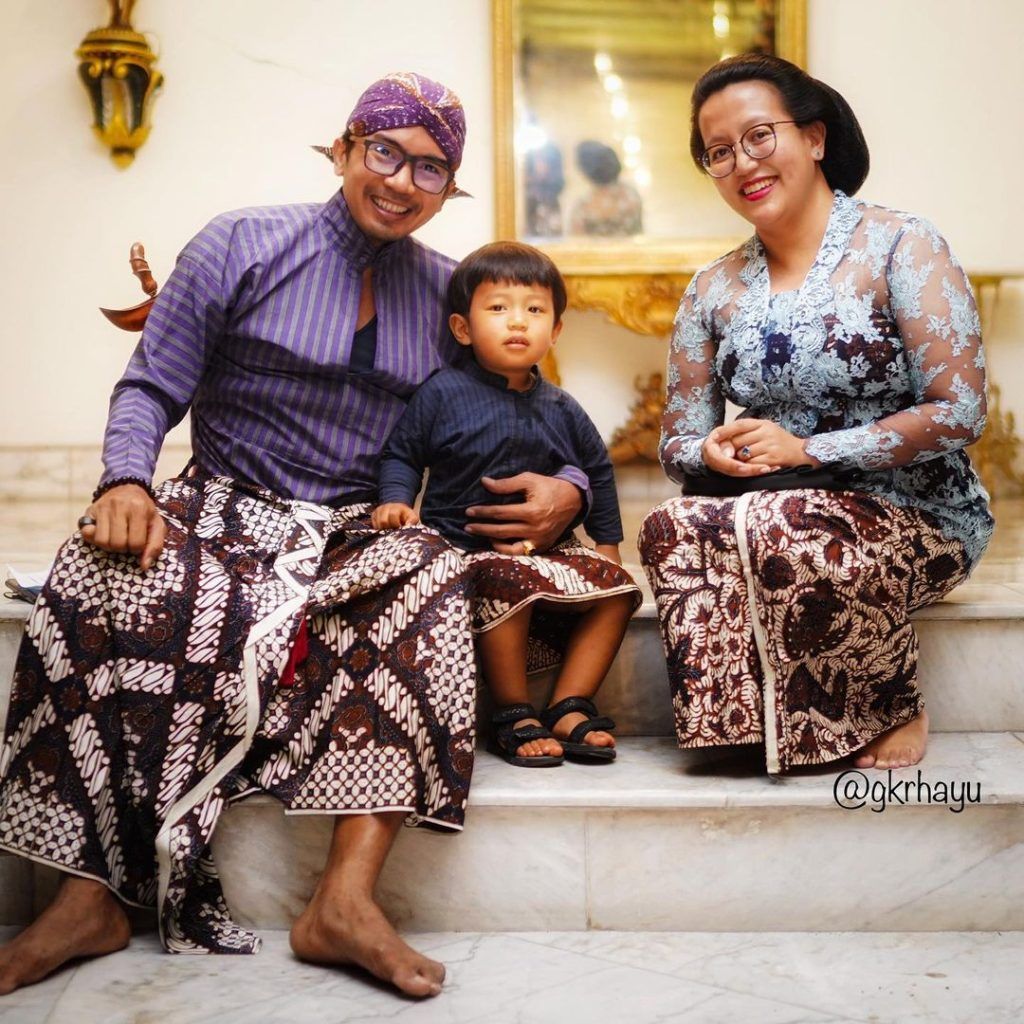
Asian royal families in the modern era function as sophisticated pillars of cultural continuity, constitutional symbols, and diplomatic assets, navigating the complex intersection of traditional heritage and 21st-century governance. These institutions have evolved from absolute or semi-absolute power structures into models of symbolic representation, active philanthropy, or constitutional guidance, depending on the specific legal and social frameworks of their respective nations as of 2026.
The Landscape of Contemporary Asian Monarchies
The persistence of monarchy in Asia is not a monolith; it is defined by diverse political structures that range from absolute monarchies—where the sovereign holds supreme authority—to constitutional systems where the monarch serves as a non-partisan head of state. Understanding these families requires distinguishing between their historical prestige and their current operational constraints.
In nations such as Japan, the Imperial House operates under a strict constitutional framework established post-World War II. The Emperor serves as the "symbol of the State and of the unity of the People," possessing no powers related to government. Conversely, in nations like Thailand, the monarchy holds a position central to national identity, backed by both cultural traditions and constitutional provisions that define the monarch's role in the legislative and social fabric of the country.
Other regions, such as the Malay states in Malaysia, utilize a unique rotation system. The Yang di-Pertuan Agong is elected every five years from among the nine hereditary Malay rulers. This system illustrates how traditional leadership can be integrated into a modern federal parliamentary democracy, balancing the regional influence of sultans with the requirements of a national government.
Constitutional Frameworks and Legal Limitations
The modern survival of these dynasties is largely attributed to their capacity to adapt to legal constraints. In most Asian countries with active monarchies, the sovereign’s power is defined by a constitution or a foundational set of laws that explicitly delineate the scope of their influence.
- Symbolic Representation: In constitutional monarchies, the monarch performs ceremonial duties such as opening parliament, receiving foreign dignitaries, and bestowing honors. These acts are typically performed on the advice of the government, ensuring the monarchy remains above partisan politics.
- Legislative Ratification: In specific jurisdictions, the monarch retains a role in the enactment of law, often requiring a royal assent. While this is frequently a formality, it remains a critical constitutional check.
- Guardianship of Religion and Tradition: Many Asian monarchs act as the formal head of religion (e.g., Islam in Malaysia or Brunei). This role provides a layer of institutional stability that connects the modern state to its historical and spiritual roots.
Socio-Economic Impact and Soft Power
Beyond their formal roles, Asian royal families exert significant influence through "soft power." By acting as national figureheads, they promote stability, cultural preservation, and international relations. In an era of rapid globalization, these families often serve as the primary face of a nation’s history, providing a sense of continuity that stabilizes social expectations during periods of economic or political change.
Philanthropic involvement is a hallmark of modern royal activity. Members of these families often lead national initiatives in healthcare, education, and rural development. By leveraging their status to champion non-partisan social causes, they remain relevant to the daily lives of citizens who might otherwise view hereditary institutions as disconnected from modern societal issues.
Comparative Overview of Governance Models
The following table outlines the diverse structures through which Asian monarchies operate in 2026.
| Nation | Monarchy Type | Primary Role | Legal Basis |
|---|---|---|---|
| Japan | Constitutional | Symbolic Head of State | 1947 Constitution |
| Thailand | Constitutional | National Symbol/Religious Protector | Constitution of Thailand |
| Malaysia | Constitutional/Rotational | Head of State (Rotation) | Federal Constitution |
| Brunei | Absolute | Executive/Legislative Authority | 1959 Constitution/Proclamation |
| Cambodia | Constitutional | Symbolic/Moral Authority | 1993 Constitution |
Navigating Succession and Institutional Continuity
Succession remains the most critical hurdle for any royal institution. In the modern era, the rules of succession have become a subject of intense public and legal debate. While many dynasties continue to follow traditional patrilineal or male-preference primogeniture, pressures to modernize these laws to account for gender equality are increasingly prevalent.
The transition of leadership is a delicate event that can signal either the strength of an institution or its vulnerability. In 2026, the careful planning of succession—involving both the royal household and government legislative bodies—is essential to maintaining the legitimacy of the throne. Failure to properly manage these transitions can lead to constitutional crises, as public scrutiny of royal institutions is at an all-time high due to the proliferation of media and digital discourse.
Public Perception and Digital Transformation
In the 2020s, the relationship between royalty and the public has been transformed by digital media. Modern royal families have had to develop sophisticated communications strategies to remain transparent and accessible. This includes the use of official websites, social media channels, and public appearances that aim to humanize the figures involved.
However, this increased visibility brings challenges. The public in 2026 demands greater accountability and transparency regarding royal finances, privileges, and decision-making. The ability of a royal family to maintain public trust is directly linked to their perception as "serving" the state rather than merely existing as a relic of the past. Those that fail to engage with these modern expectations often find their authority diminished, even if their constitutional status remains intact.
Challenges to the Monarchy in the 21st Century
Despite their integration into modern structures, Asian royal families face specific, persistent challenges:
- Institutional Rigidity: The challenge of balancing ancient traditions with modern human rights standards, democratic values, and social norms.
- Political Polarization: When a monarch is perceived to be leaning toward one political faction, their status as a unifying national symbol is threatened.
- Economic Scrutiny: As the cost of maintaining royal households is often covered by the state, the public increasingly questions the allocation of these funds in comparison to social welfare budgets.
- Generational Gaps: Ensuring that younger generations of royals understand the nuances of their roles while navigating a world that often prizes meritocracy over hereditary prestige.
FAQ: Understanding Modern Asian Monarchies
How does a constitutional monarchy in Asia differ from a republic? A constitutional monarchy retains a monarch as the head of state, providing a symbolic link to history, whereas a republic has an elected president or similar official. The monarch generally does not exercise political power and remains non-partisan, whereas a president’s role may be political depending on the nation's system.
Do Asian royal families hold political power? In most Asian nations with monarchies, they do not hold direct political power. Their authority is restricted by constitutions that assign governing responsibilities to parliament, the cabinet, and the judiciary. Exceptions exist in absolute monarchies, where the sovereign holds executive and legislative authority.
What is the role of the Malay rotation system? The system is a unique form of constitutional monarchy where the nine hereditary rulers of the Malay states elect one of their own to serve as the Yang di-Pertuan Agong (King) for a five-year term. This ensures that no single sultan dominates the national role, distributing the symbolic responsibility across the states.
Why are Asian royal families important in 2026? They serve as powerful cultural markers, providing a sense of national identity and unity. Their involvement in diplomacy, philanthropy, and social development helps maintain societal stability and offers a human connection to the nation’s history amidst the rapid changes of the modern era.
Can members of these families influence law? In constitutional systems, they generally cannot influence law directly. They may perform ceremonial functions such as royal assent, but they are expected to remain impartial. Any active influence would be considered a significant constitutional breach.
Conclusion and Next Steps
The trajectory of Asian royal families in 2026 is defined by their ability to evolve. For these institutions to persist, they must continue to bridge the gap between their historical origins and the modern requirements of accountability, equality, and civic participation. Readers interested in the specifics of a particular nation's monarchy should consult that country's official parliamentary website or the official portal of the royal household, as these are the primary sources for current administrative, fiscal, and ceremonial information. Engaging with official sources is the only way to ensure the information accessed is verified and free from third-party conjecture.