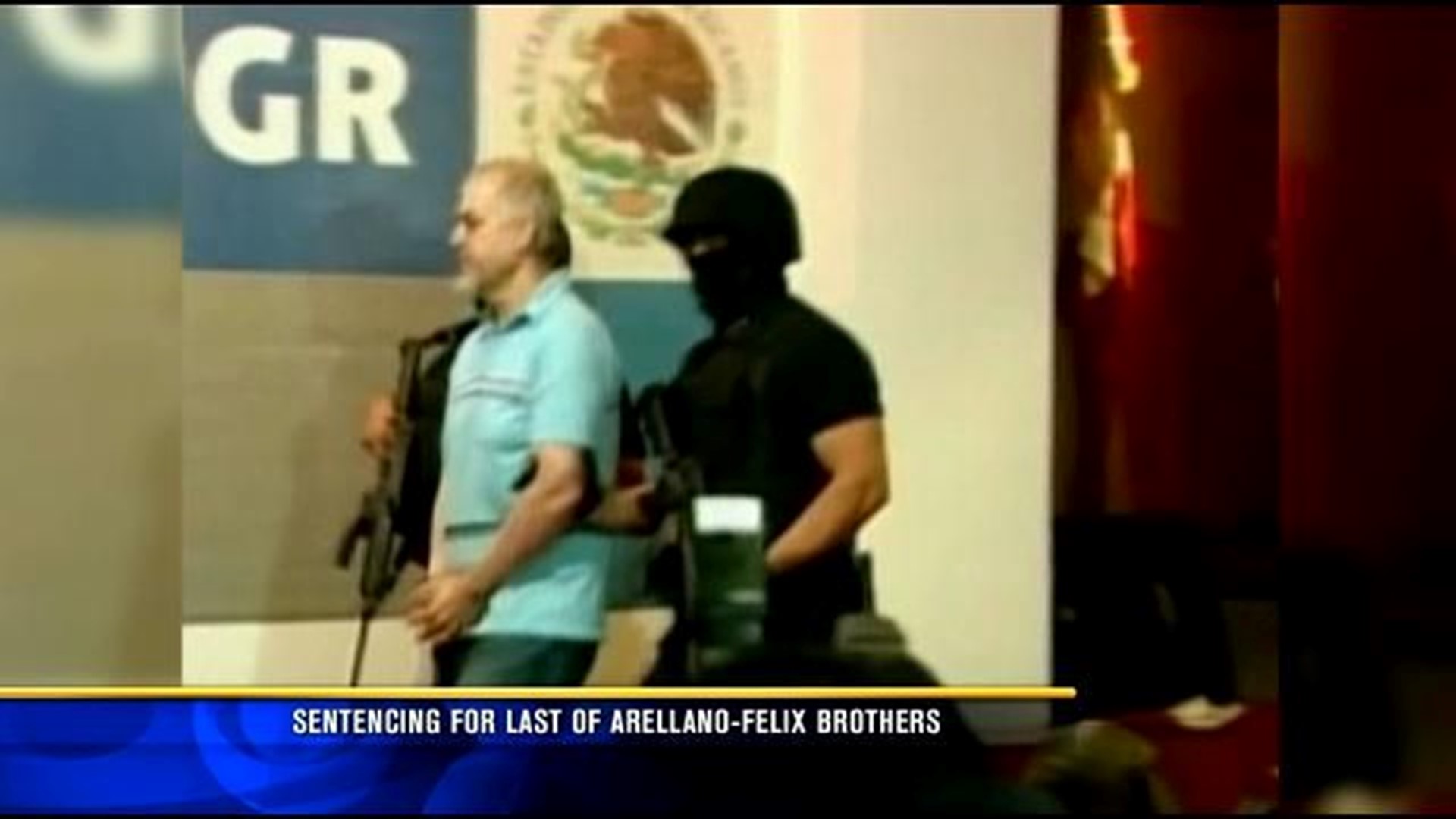
The Arellano Félix Cartel, also known as the Tijuana Cartel (AFO), is a Mexican criminal organization that dominated the drug trade during the 1990s and early 2000s. Once the most powerful trafficking syndicate in Mexico, it is now a significantly diminished but still active presence in the Tijuana border region, operating through alliances and smaller localized cells.
Originating from the collapse of the Guadalajara Cartel in the late 1980s, the Arellano Félix Organization (AFO) redefined the landscape of organized crime in Mexico. Unlike their predecessors, the Arellano Félix brothers utilized a combination of extreme paramilitary violence, sophisticated financial laundering, and the strategic recruitment of "Narco-juniors"—wealthy youth from elite families—to maintain a stranglehold on the Tijuana "plaza." As of 2026, while the original leadership has been largely dismantled through death or imprisonment, the organization's legacy continues to influence the geopolitical dynamics of the U.S.-Mexico border.
Origins and the Guadalajara Cartel Split
The roots of the Arellano Félix Cartel are found in the dissolution of the Guadalajara Cartel, which was the first truly national drug trafficking organization in Mexico. Founded by Miguel Ángel Félix Gallardo, Rafael Caro Quintero, and Ernesto Fonseca Carrillo, the Guadalajara Cartel controlled almost all drug traffic into the United States in the 1980s.
When Félix Gallardo was arrested in 1989 for the murder of DEA agent Enrique "Kiki" Camarena, he orchestrated a division of his territory from behind bars. He assigned the Tijuana corridor—one of the most valuable "plazas" due to its proximity to San Diego and California’s massive consumer market—to his nephews, the Arellano Félix brothers. This decision sowed the seeds for decades of conflict, as other lieutenants, such as Joaquín "El Chapo" Guzmán and Ismael "El Mayo" Zambada, were given the Sinaloa region, leading to the eventual formation of the rival Sinaloa Cartel.
The Arellano Félix family, originally from Culiacán, Sinaloa, moved to Tijuana and quickly transformed the local criminal landscape. They shifted the business model from a loosely organized federation into a tightly controlled family enterprise, emphasizing loyalty and brutal discipline.
The Leadership Hierarchy: The Seven Brothers
The strength of the AFO lay in its family-centric structure. There were seven brothers and four sisters, most of whom played some role in the organization. However, the core power resided in a few specific individuals:
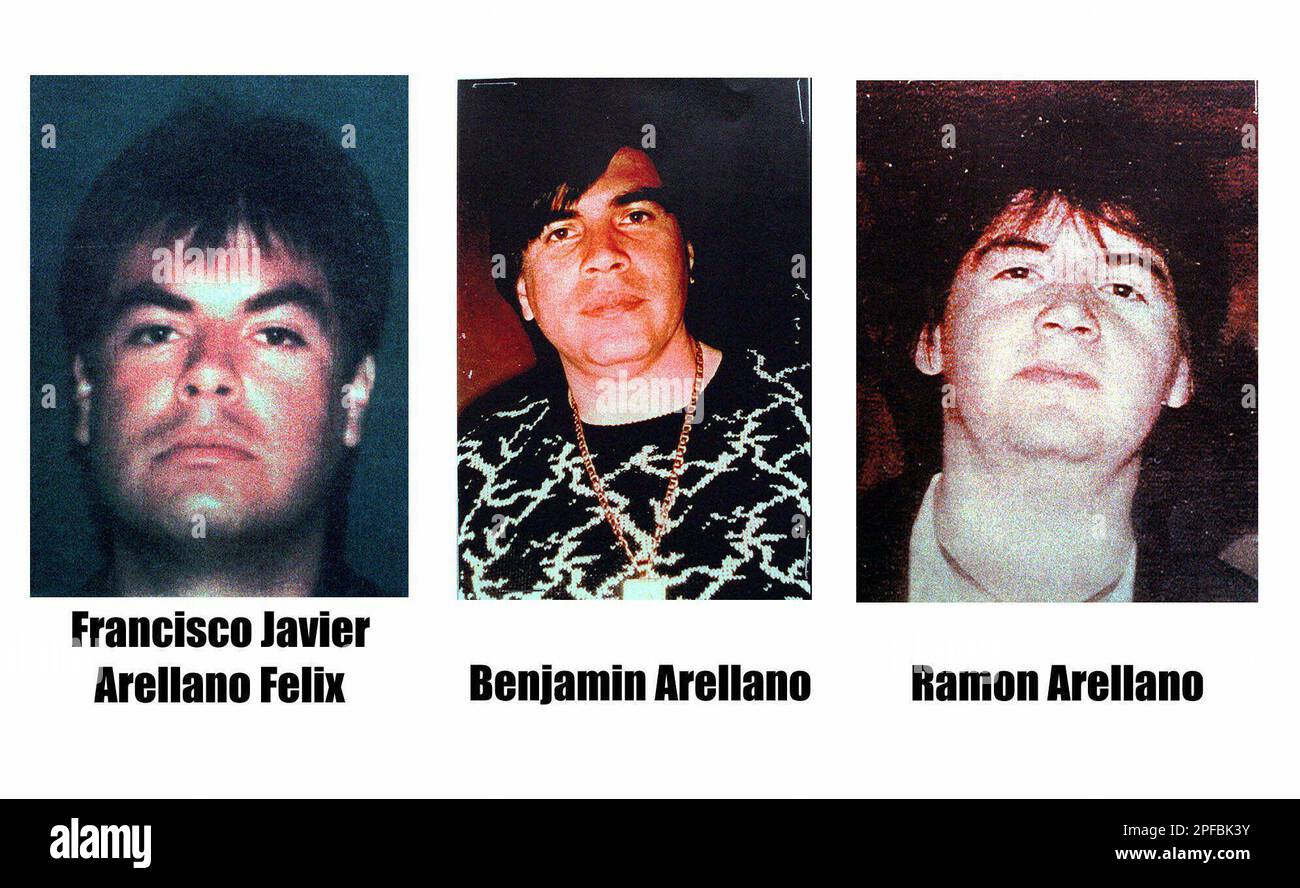
- Benjamín Arellano Félix: Considered the "brain" and CEO of the organization. He was the diplomat and the strategic planner who oversaw the business operations and high-level corruption of Mexican officials.
- Ramón Arellano Félix: The "muscle" and the most feared member. He served as the head of security and hit squads. Ramón was known for his personal involvement in murders and his flamboyant lifestyle. He was placed on the FBI's Ten Most Wanted list in 1997.
- Francisco Javier Arellano Félix: Known as "El Tigrillo," he took a more prominent leadership role following the decline of his older brothers until his capture by the U.S. Coast Guard in 2006.
- Eduardo Arellano Félix: A doctor by training ("El Doctor"), he was involved in the financial and logistical aspects before his arrest in 2008 and subsequent extradition.
- Enedina Arellano Félix: Often referred to as "La Jefa" or the "Narcomami," she is credited with managing the organization's finances and money laundering operations. Many analysts believe she became the de facto leader after her brothers were incapacitated, shifting the cartel’s focus toward more discreet financial crimes rather than overt violence.
The War with the Sinaloa Cartel
The 1990s were marked by a bloody and protracted war between the AFO and the burgeoning Sinaloa Cartel. The conflict was sparked by disputes over "derecho de piso" (taxes paid to move drugs through a territory) and personal vendettas.
One of the most significant events in this war occurred on May 24, 1993, at the Guadalajara International Airport. AFO gunmen, attempting to assassinate El Chapo Guzmán, mistakenly opened fire on the vehicle of Cardinal Juan Jesús Posadas Ocampo, killing him and six others. This event caused national outrage in Mexico and forced the government to take a more aggressive stance against the cartels, eventually leading to the first capture of El Chapo in Guatemala later that year.
The rivalry continued through the decade, with the AFO successfully defending its Tijuana stronghold through extreme violence. They were the first to utilize large-scale "sicario" (hitman) squads that utilized military-grade weaponry and tactics, a precursor to the paramilitary style later adopted by Los Zetas.
Operational Methods and the "Narco-Juniors"
The AFO was innovative in its recruitment and logistical strategies. One of their most distinctive features was the recruitment of the "Narco-juniors." These were young men from wealthy, upper-class families in Tijuana and San Diego. Because they possessed legitimate border-crossing documents and came from "respectable" backgrounds, they were less likely to be suspected by customs officials. These individuals were used for everything from drug couriers to high-profile assassinations.
Logistically, the AFO pioneered the use of sophisticated cross-border tunnels. While El Chapo Guzmán is often credited with perfecting this method, the AFO was among the first to invest heavily in engineering "narco-tunnels" equipped with ventilation, lighting, and rail systems to move tons of cocaine and marijuana into California.
Furthermore, the organization maintained a deep network of corruption. At the height of their power, they effectively controlled the local and state police forces in Baja California, ensuring that their shipments were protected and their rivals were arrested or eliminated by the authorities.
The Decline of the Arellano Félix Dynasty
The decline of the AFO began in the early 2000s due to a combination of internal strife, relentless pressure from the U.S. and Mexican governments, and the rising power of rivals.
- 2002: Ramón Arellano Félix was killed in a shootout in Mazatlán, Sinaloa. He had traveled there personally to assassinate "El Mayo" Zambada, but he was intercepted by police (possibly acting on a tip from rivals). A few weeks later, the organization’s leader, Benjamín, was arrested in Puebla.
- 2006: Francisco Javier Arellano Félix was captured while fishing in international waters off the coast of Baja California Sur.
- 2008: Eduardo Arellano Félix was captured after a shootout in Tijuana.
Following these losses, the organization fractured. A former lieutenant, Teodoro "El Teo" García Simental, attempted to seize control, leading to a massive spike in violence in Tijuana between 2008 and 2010. El Teo eventually allied with the Sinaloa Cartel to fight the remaining Arellano Félix loyalists, led at the time by Fernando Sánchez Arellano, Enedina’s son (known as "The Engineer").
The Cartel in 2026: Current Status and Alliances
As of 2026, the Arellano Félix Cartel is no longer the monolithic superpower it was in the 1990s. However, reports from the U.S. Department of Justice and Mexican security analysts indicate that the "Cártel Arellano Félix" (CAF) remains a relevant criminal actor.
The modern incarnation of the group operates more as a collection of independent cells rather than a centralized family hierarchy. To survive the onslaught of the Sinaloa Cartel and the rapid expansion of the Cartel Jalisco Nueva Generación (CJNG), the remnants of the AFO have reportedly formed tactical alliances.
The "Tijuana New Generation Cartel" (CTNG) is a label often used to describe the merger of AFO remnants with CJNG assets. This alliance allows the CJNG to access the vital Tijuana entry points while providing the older AFO cells with the firepower and resources needed to resist Sinaloa incursions. Enedina Arellano Félix remains a figure of interest for international authorities, suspected of managing the remaining financial assets of the family legacy.
Comparison of Key Arellano Félix Figures
| Name | Role in Cartel | Current Status (as of 2026) | Key Impact/Legacy |
|---|---|---|---|
| Benjamín | CEO/Chief Strategist | Imprisoned (U.S.) | Transformed the cartel into a corporate-style entity. |
| Ramón | Head of Sicarios | Deceased (2002) | Introduced paramilitary violence and the "Narco-junior" concept. |
| Francisco Javier | Operational Leader | Imprisoned (U.S.) | Led the cartel during its most violent defensive phase. |
| Eduardo | Finance/Logistics | Released/Deported (2021) | Managed the "Doctor" persona; final brother of the core group to be caught. |
| Enedina | Money Laundering | Active/At Large | Pivoted the organization toward financial stability and lower-profile crime. |
| Fernando (El Ingeniero) | Transitional Leader | Imprisoned (Mexico) | Attempted to bridge the gap between the old guard and modern cells. |
Practical Impact on Tijuana and Global Security
The legacy of the Arellano Félix Cartel is etched into the social fabric of Tijuana. The city’s history of "cobro de piso" (extortion) and the professionalization of kidnapping can be traced back to the tactics popularized during the AFO’s reign.
For the United States, the AFO represented a shift in the drug war. They were among the first organizations to move massive quantities of cocaine through official ports of entry using sophisticated concealment, rather than relying solely on rural border crossings. Their ability to corrupt high-ranking officials led to significant changes in how the U.S. Drug Enforcement Administration (DEA) collaborates with Mexican counterparts, emphasizing vetted units and more stringent oversight.
Frequently Asked Questions
Who is the current leader of the Tijuana Cartel?
As of 2026, there is no single "Kingpin" in the traditional sense. Leadership is believed to be decentralized, with Enedina Arellano Félix likely managing the financial and familial interests, while various lieutenants manage street-level operations in coordination with the Cartel Jalisco Nueva Generación (CJNG).
Is the Arellano Félix Cartel still dangerous?
Yes. While they do not control the massive territories they once did, they are still involved in local drug distribution, extortion, and human trafficking. Their alliances with larger cartels make them a significant factor in the ongoing violence in Baja California.
What happened to the wealth of the Arellano Félix family?
Much of it was laundered into legitimate businesses, including real estate, pharmacies, and construction companies in Mexico. While the U.S. government has seized millions through the Kingpin Act, a significant portion of their assets remains hidden or integrated into the Mexican economy.
Why was the AFO more violent than other cartels?
The AFO utilized violence not just as a tool for business, but as a branding strategy. By performing high-profile executions and using "Narco-juniors," they cultivated an image of invincibility and terror that deterred competitors for over a decade.
Are any of the brothers free?
Francisco Rafael Arellano Félix was released from prison in 2008 but was subsequently assassinated by a gunman dressed as a clown in 2013. Eduardo Arellano Félix was released from U.S. prison and deported to Mexico in 2021, where he was immediately re-arrested on separate charges. Most of the original brothers remain in high-security prisons or are deceased.
Next Actions for Researchers and Observers
For those seeking to understand the ongoing dynamics of the Tijuana border, it is essential to monitor the reports from the Baja California State Attorney General's Office and the U.S. Department of State's Bureau of International Narcotics and Law Enforcement Affairs. The situation in Tijuana is fluid; observing the shifting alliances between the remnants of the AFO and the CJNG provides critical insight into the future of North American drug trafficking trends.