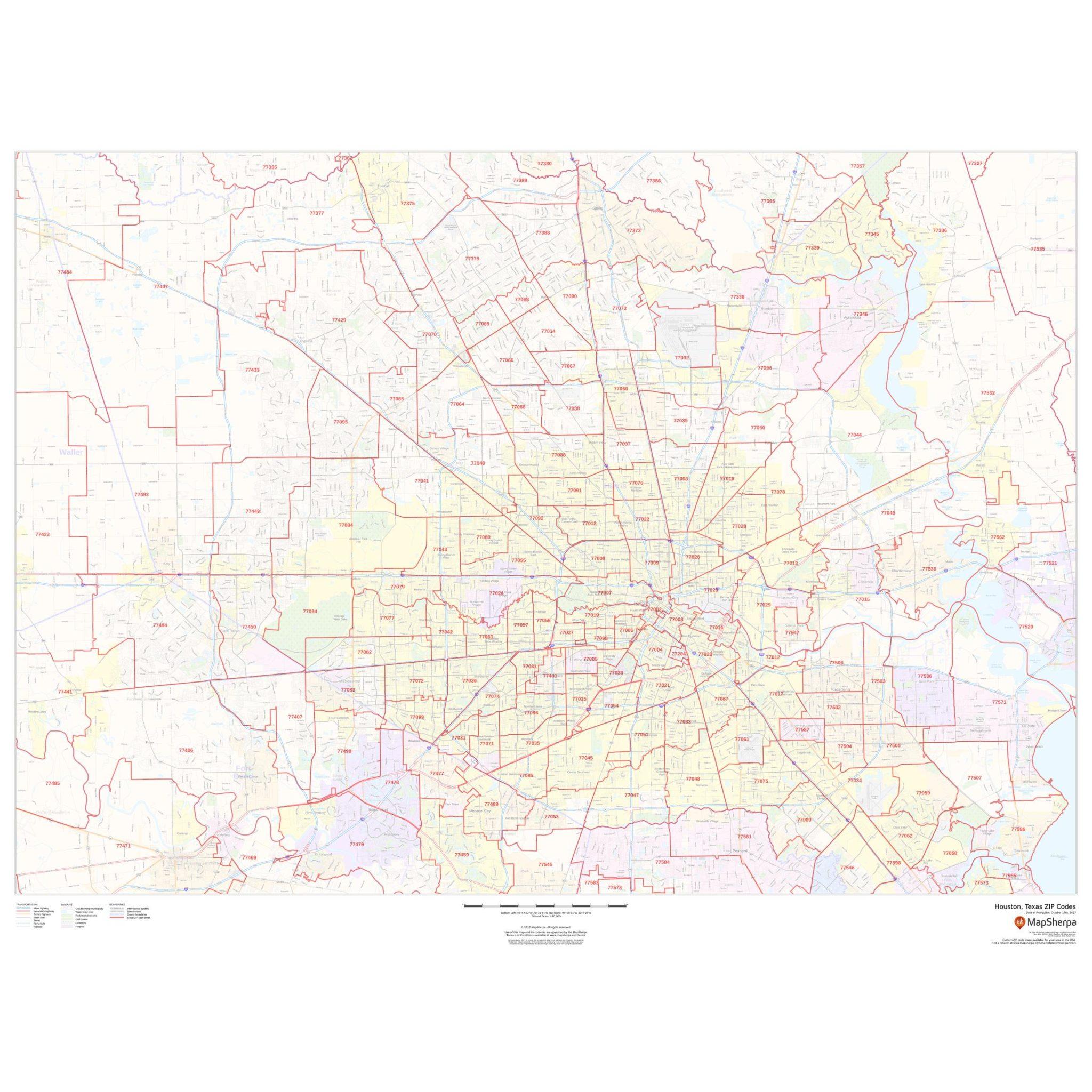
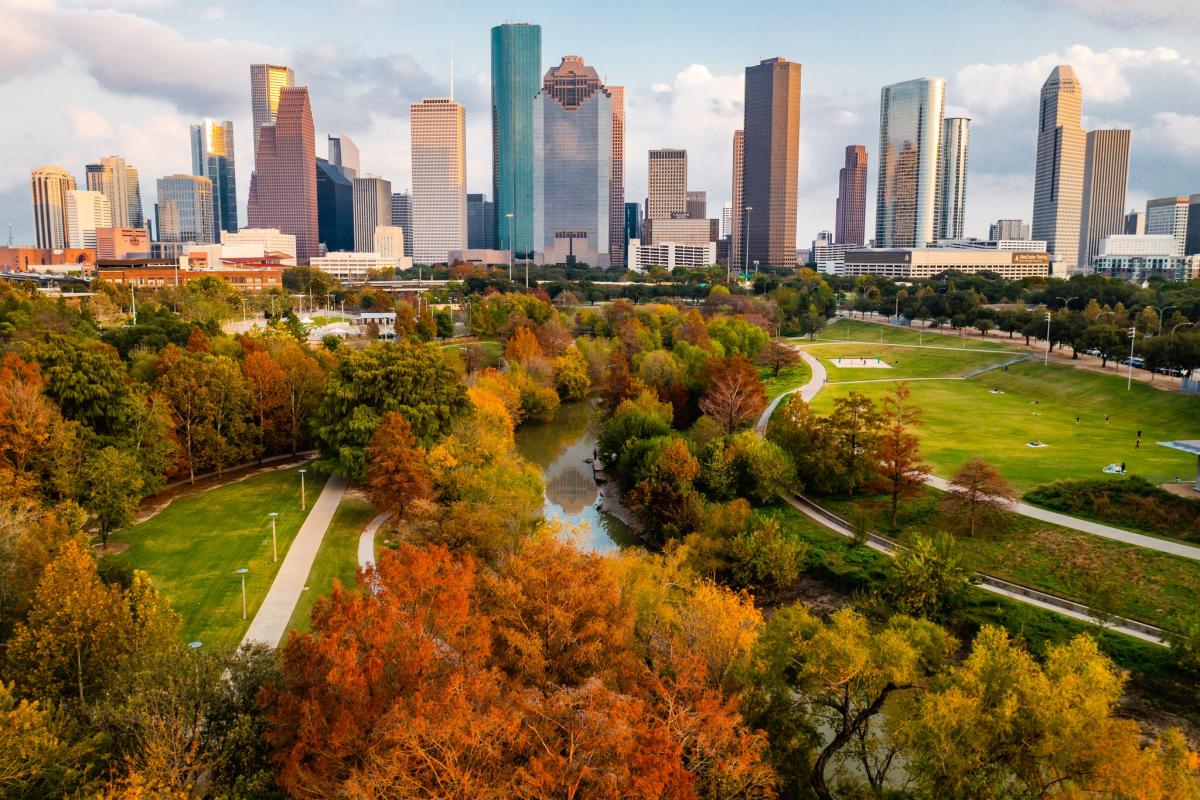
The areas surrounding Houston, Texas, form a sprawling, multifaceted metropolitan region characterized by rapid economic expansion, varied municipal governance, and distinct lifestyle environments. From suburban master-planned communities in the north and west to industrial corridors and coastal-leaning towns in the south and east, the region provides a wide array of housing, employment, and infrastructure options tailored to diverse demographic and professional needs.
Understanding the Regional Scope
The Houston metropolitan area, officially recognized as the Houston-The Woodlands-Sugar Land Metropolitan Statistical Area (MSA), covers nine counties. When exploring the areas surrounding Houston, it is essential to distinguish between incorporated cities, unincorporated census-designated places (CDPs), and master-planned developments.
Unlike many metropolitan regions with rigid geographical barriers, the Houston area is defined by a lack of traditional zoning, leading to a unique "patchwork" landscape where residential, commercial, and industrial entities often exist in close proximity. This fluidity requires potential residents and businesses to look closely at local municipal utility districts (MUDs), tax rates, and school district boundaries rather than relying on city limits alone.
Northern and Northwestern Growth Corridors
The northern and northwestern sectors, primarily spanning Montgomery County and portions of Harris County, are characterized by high-growth residential developments and significant corporate relocations.
The Woodlands and Conroe
The Woodlands serves as a primary regional anchor, functioning as a master-planned community that balances dense commercial infrastructure with heavily wooded residential pockets. Its proximity to the ExxonMobil campus and the I-45 corridor makes it a focal point for corporate logistics. Conroe, situated further north, offers a more traditional small-town feel while maintaining access to Lake Conroe, providing a mixture of recreational lifestyle assets and industrial growth.
Cypress and Tomball
Cypress represents a classic example of suburban expansion in Northwest Harris County. It is heavily defined by large-scale residential subdivisions and an expanding network of retail centers. Tomball, historically an oil and railroad town, has transitioned into a bedroom community that maintains a distinct, independent municipal identity, offering a blend of historic charm and modern suburban amenities.
Western Expansion: Energy and Corporate Presence
The western corridor along the I-10 and Westpark Tollway has historically served as the epicenter of Houston’s energy sector expansion.
Katy
Katy is perhaps the most recognized satellite city in the region. It is notable for its expansive master-planned communities and its influence on the region’s school district reputation. The area is highly desirable for commuters heading toward the Energy Corridor in West Houston. Infrastructure in Katy has undergone significant investment to accommodate rapid population growth, though transit times remain a critical factor for daily commuters.
Fulshear
Often described as one of the fastest-growing municipalities in the United States, Fulshear represents the frontier of western expansion. It provides a more rural-suburban hybrid environment, attracting residents who prioritize larger lot sizes and newer construction over immediate proximity to the Houston inner loop.
Southern and Southeastern Coastal Connections
The areas south of Houston are deeply influenced by the proximity to the Port of Houston, the Johnson Space Center (NASA), and the Texas Gulf Coast.
Clear Lake and League City
The Clear Lake area acts as a gateway between Houston and Galveston. Defined by its relationship with the aerospace industry and recreational boating, this region offers a lifestyle centered on water access and technical employment. League City has evolved from a small town into a major residential hub, benefiting from its strategic position between the Port of Houston’s industrial complex and the retail-heavy environment of southern Harris County.
Pearland
Pearland is recognized for its relative affordability and rapid diversification. It provides a strategic southern access point to the Texas Medical Center. Its growth is marked by a consistent increase in medical infrastructure and retail support, making it a functional, family-oriented alternative to the denser urban core.
Comparative Overview of Regional Characteristics
To navigate the areas surrounding Houston, one must compare factors such as commute times, tax structures, and primary economic drivers. The following table provides a snapshot of the primary regional hubs.
| Region | Primary Economic Driver | Typical Landscape | Commute Accessibility |
|---|---|---|---|
| The Woodlands | Corporate HQ, Technology | Heavily wooded, Master-planned | High (I-45 Corridor) |
| Katy | Energy, Retail | Suburban, Residential focus | Moderate (I-10 Corridor) |
| Pearland | Healthcare, Logistics | Mixed-use, Residential | High (SH 288) |
| Cypress | Retail, Education | Sprawling residential | Moderate (US 290) |
| League City | Aerospace, Maritime | Coastal, Suburban | Moderate (I-45 South) |
Infrastructure and Utility Considerations
A defining feature of life in the areas surrounding Houston is the Municipal Utility District (MUD). Because many of the fastest-growing areas are located in unincorporated territory, the responsibility for water, sewage, and drainage falls to these local government entities.
When evaluating a location, prospective residents must research the MUD tax rate, as this represents a significant portion of the total property tax bill. Furthermore, drainage and flood risk are critical factors. Much of the region sits on low-lying coastal plains; therefore, verifying a property’s status regarding the Federal Emergency Management Agency (FEMA) flood maps is a mandatory step for any real estate or business acquisition.
Transit and Connectivity
Connectivity in the Houston periphery is heavily reliant on a toll-road network and major radial freeways. While the Metropolitan Transit Authority of Harris County (METRO) provides limited service to certain suburban hubs, the region is overwhelmingly automobile-dependent.
The Grand Parkway (SH 99) has revolutionized the accessibility of these surrounding areas, forming a massive outer loop that allows for lateral movement between suburbs without the necessity of traveling into the Houston city center. Understanding the tolling infrastructure and the current status of ongoing highway expansion projects is essential for long-term planning regarding travel times.
Frequently Asked Questions
Which areas surrounding Houston offer the best commute to the Texas Medical Center?
Pearland and the Highway 288 corridor are traditionally cited for their efficiency in reaching the Texas Medical Center. The completion of the 288 toll lanes has significantly improved travel times from the south, though traffic volume remains high during peak hours.
How do property taxes compare in unincorporated areas versus incorporated cities?
Property taxes in unincorporated areas can be lower regarding city-specific levies, but these are often offset by MUD taxes and Emergency Services District (ESD) fees. It is necessary to look at the combined tax rate rather than just the base municipal rate.
Is flood risk consistent throughout all areas surrounding Houston?
No. Flood risk varies significantly depending on elevation, proximity to bayous and creeks, and the age of the drainage infrastructure. Buyers should always review the most current FEMA flood insurance rate maps and, if possible, request a history of the property’s performance during historical heavy rainfall events.
What is the advantage of living in a master-planned community?
Master-planned communities typically offer unified aesthetic standards, comprehensive recreational amenities like pools and trail systems, and stable long-term property values. They are governed by strict Homeowners Associations (HOAs) which ensure the maintenance of these shared assets.
Are there significant cultural or shopping differences between the suburbs?
Yes. Areas like The Woodlands offer a more "high-end" retail and entertainment profile, while older suburbs like Tomball or Rosenberg retain historic downtown centers with local independent businesses. The selection often depends on whether one prefers centralized, corporate-managed retail or distinct, local commercial districts.
Final Recommendations for Relocation and Investment
When choosing an area surrounding Houston, prioritize the alignment between your workplace location and the current transportation corridors. If your employment is centered in the Energy Corridor, focus on the western expansion zones; if it is anchored in the Texas Medical Center or the Port, the southern corridors are more practical.
Always conduct a due diligence review that includes checking the local MUD bond status, current tax rates, and the long-term infrastructure plan for the school district. By isolating the specific municipal requirements and matching them to your lifestyle preferences, you can navigate the complex, unzoned landscape of the Greater Houston region with clarity.