The Miami, Florida area is served by several primary telephone area codes, most notably 305, which is the original code established in 1947, and the 786 overlay code introduced in 1998. These codes cover Miami-Dade County and the Florida Keys, facilitating essential telecommunications connectivity for residents, businesses, and government services throughout the region.
The Evolution of Telephone Area Codes in Miami
The North American Numbering Plan (NANP) governs the system of area codes used in the United States. Miami’s historical telecommunications identity is tied directly to the 305 area code. Established in 1947, 305 was one of the original area codes assigned in the United States and was the first to serve the entire state of Florida. As the population of South Florida expanded rapidly throughout the mid-to-late 20th century, the demand for unique telephone numbers grew, necessitating the introduction of multiple area codes to manage the scarcity of available prefixes.
In 1995, the 305 area code was split to accommodate growth, with other parts of Florida moving to different codes. By 1998, however, the growth in the Miami metropolitan area specifically became so dense that the 305 code reached exhaustion. To resolve this, the Florida Public Service Commission (FPSC) implemented the 786 overlay. Unlike a geographic split, an overlay code covers the same geographical area as the existing code, requiring mandatory 10-digit dialing to complete calls between numbers in the same region.
In 2022, a third area code, 645, was approved as an additional overlay to serve the same region, ensuring that new telephone numbers would continue to be available as the population of Miami-Dade County and the Florida Keys continues to climb through 2026.
Geographical Coverage and Boundaries
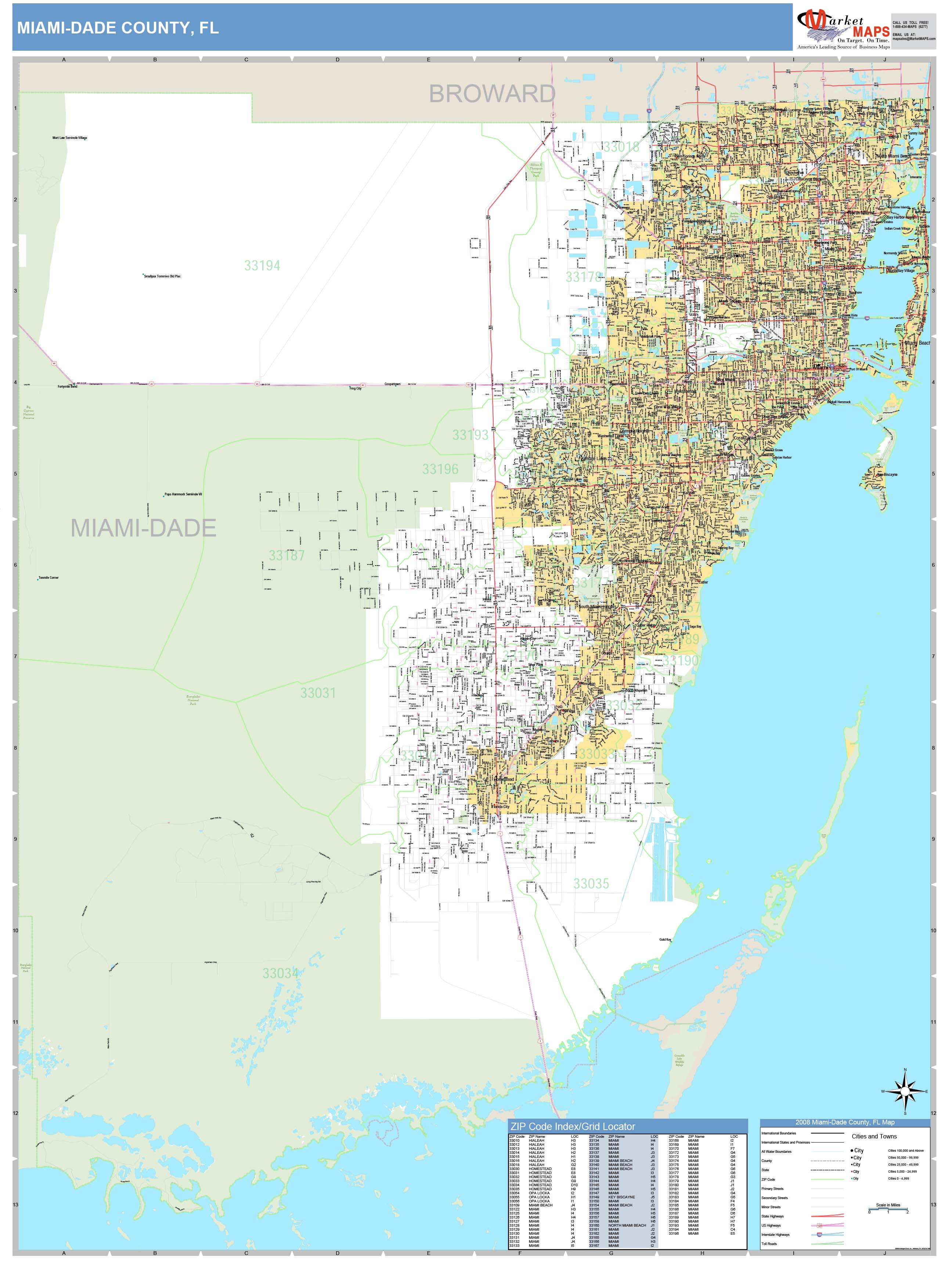
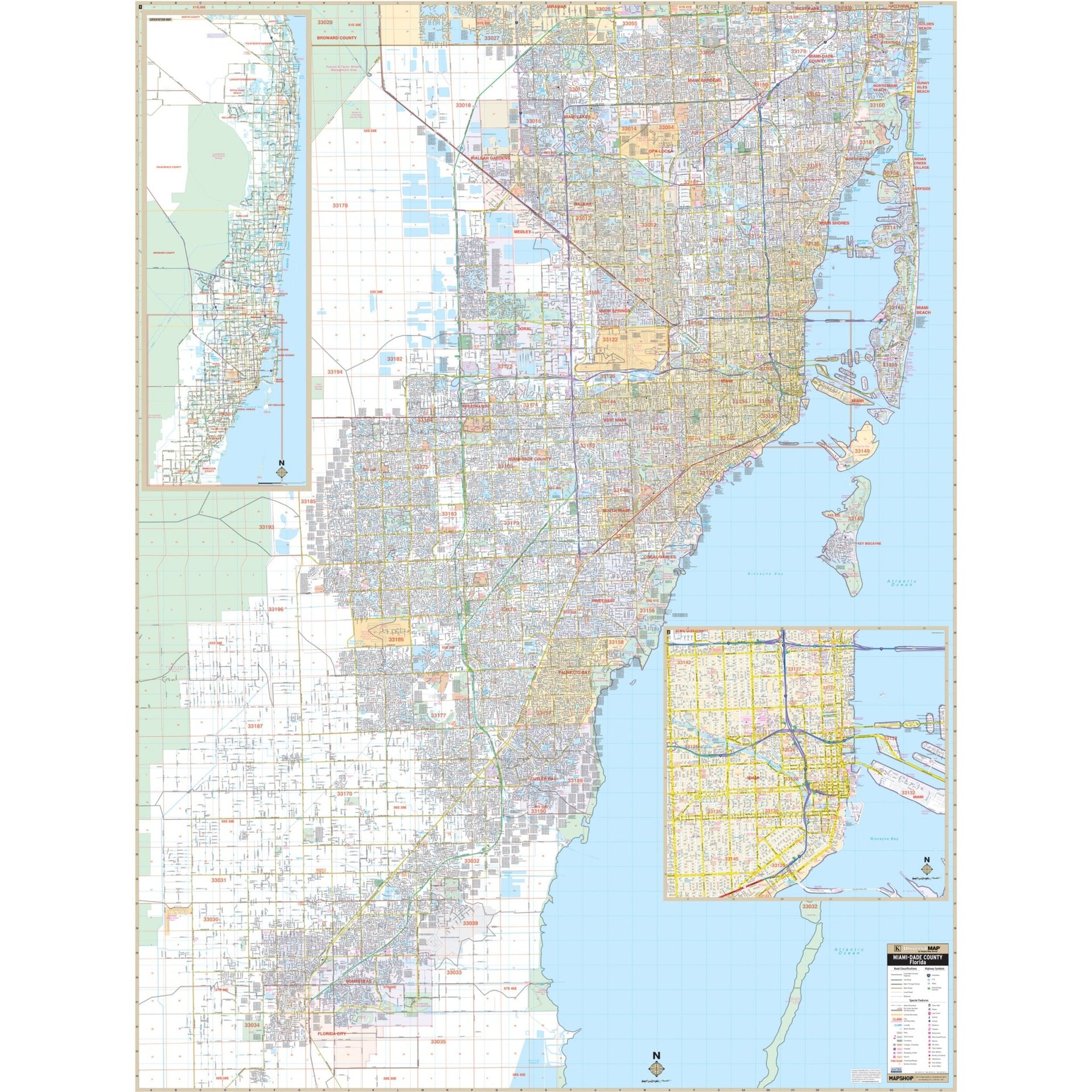
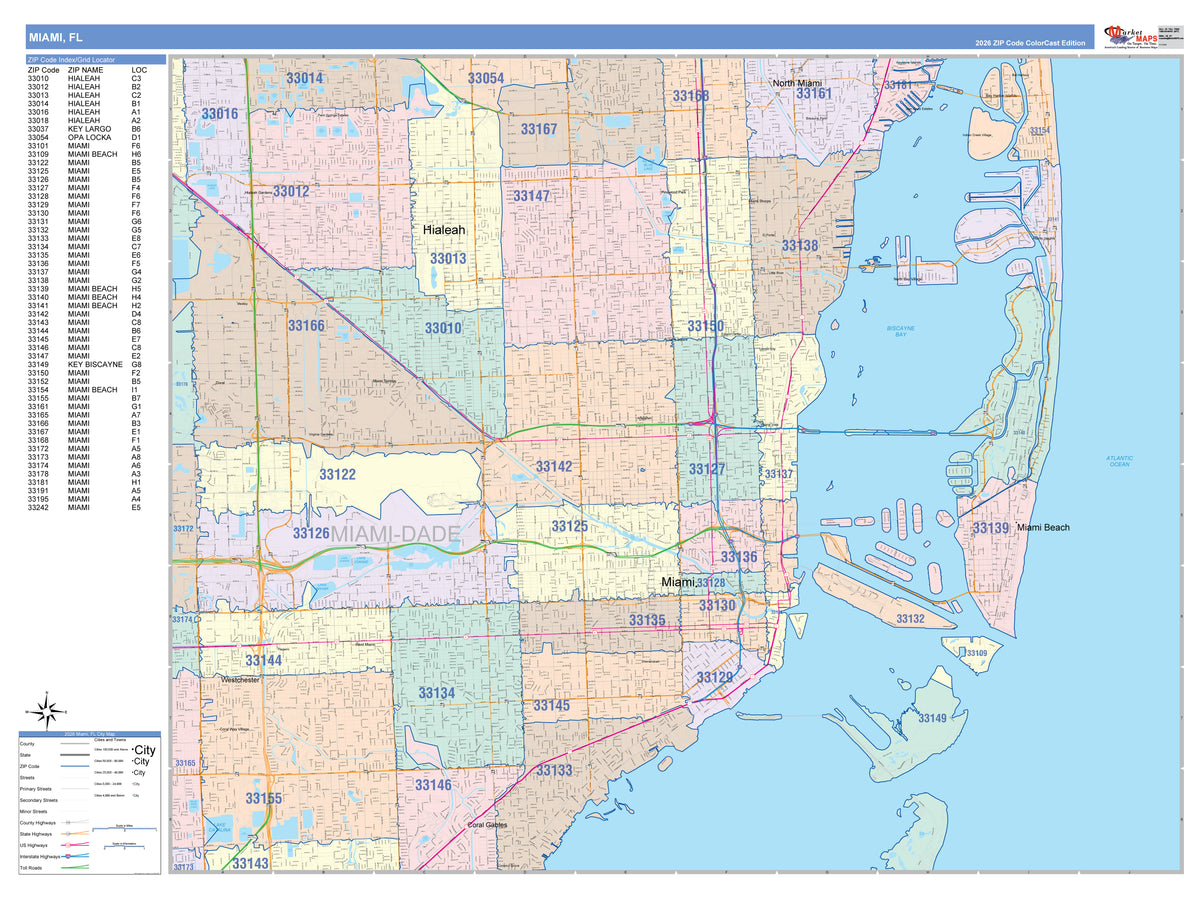
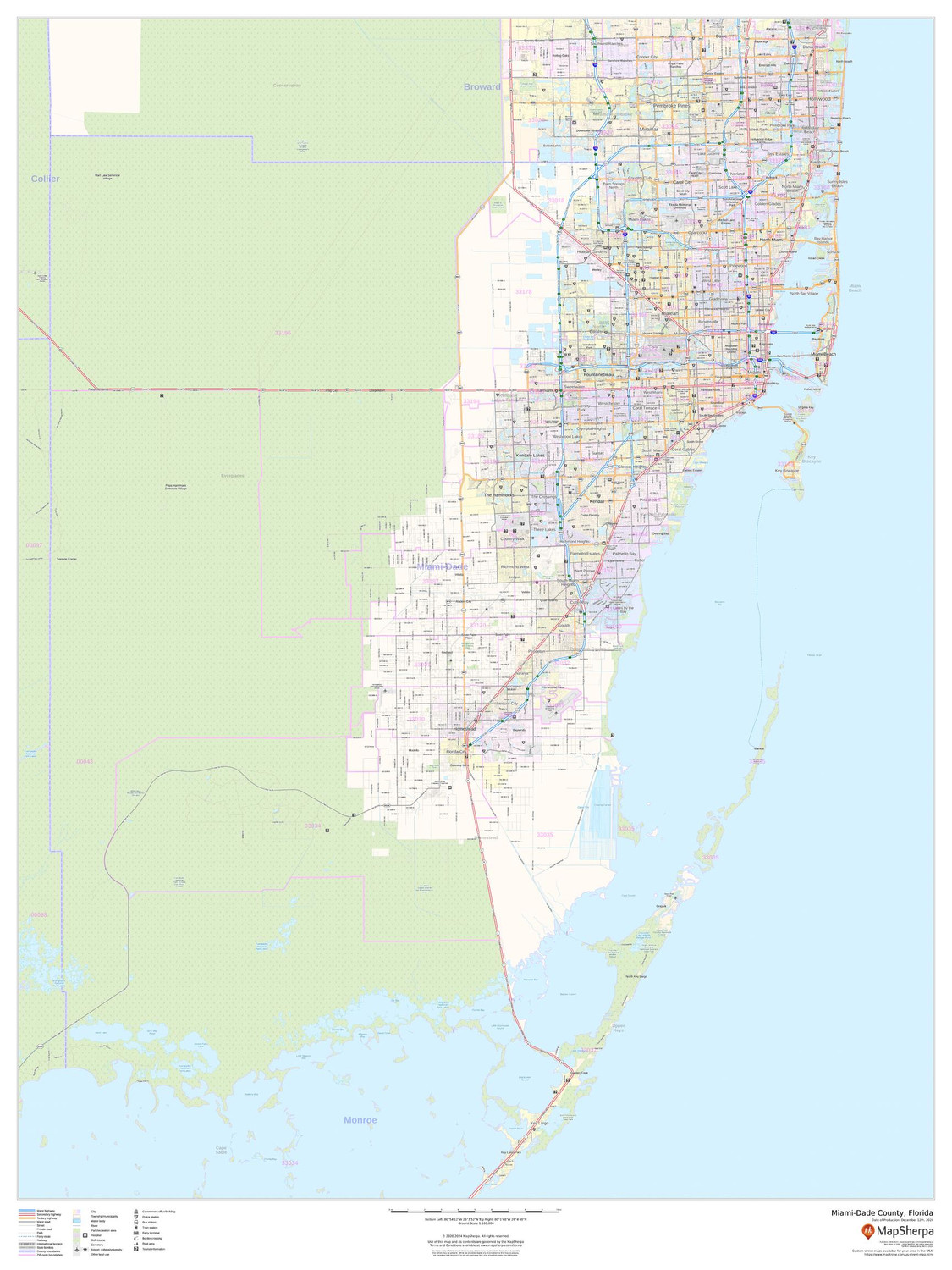
The area codes 305, 786, and 645 define the telecommunications landscape of the southernmost portion of Florida. These codes are not strictly limited to the city limits of Miami; rather, they encompass the entirety of Miami-Dade County and Monroe County. This includes the densely populated urban centers of Miami, Hialeah, Coral Gables, and Homestead, as well as the entirety of the Florida Keys, extending down to Key West.
When an individual or business receives a number with one of these prefixes, it designates their service address within this specific region. It is important for users to understand that these codes serve as a geographic marker for local calling purposes. Because these codes operate under an overlay system, the assignment of a 305, 786, or 645 number is generally based on the availability of prefixes at the time a new line is provisioned by a telecommunications carrier.
Mandatory 10-Digit Dialing Requirements
Since the introduction of the 786 overlay in 1998, callers within Miami-Dade and Monroe counties have been required to utilize 10-digit dialing. This means that to reach any local number, one must dial the three-digit area code followed by the seven-digit telephone number, regardless of whether the call is placed to a phone with the same or a different area code.
This transition was necessary to distinguish between local and long-distance calls in a region where multiple area codes coexist. Residents and businesses must ensure that their contact lists, automated systems, and emergency notification settings are updated to reflect the full 10-digit format. Failure to include the area code will typically result in a network announcement informing the caller that the number is incomplete or invalid.
Summary of Miami-Area Area Codes
| Area Code | Year Introduced | Status | Primary Region Served |
|---|---|---|---|
| 305 | 1947 | Active | Miami-Dade & Monroe Counties |
| 786 | 1998 | Active | Overlay for 305 region |
| 645 | 2022 | Active | Overlay for 305/786 region |
How Telephone Numbers are Assigned
Telephone numbers in the United States are managed by the North American Numbering Plan Administrator (NANPA). When a service provider—such as a mobile carrier or a voice-over-IP (VoIP) provider—needs to offer service in Miami, they request blocks of numbers from NANPA. These blocks are assigned based on the area codes currently active in that location.
The process of receiving a "Miami number" is dictated by the provider’s inventory. If a consumer opens a new line with a carrier in Miami, the provider draws from the available pool of 305, 786, or 645 numbers. Consumers generally cannot "choose" a specific area code during the standard provisioning process, though some specialized VoIP services may offer a selection of available numbers within a specific range.
Troubleshooting Common Issues
"The Number Cannot Be Completed as Dialed"
If a caller encounters this error while attempting to reach a Miami number, it is usually due to one of two reasons. First, they may have failed to dial the 10-digit sequence. Even if calling from within the 305 area, dialing only seven digits will fail. Second, the number may have been disconnected or reassigned.
VoIP and Digital Numbers
Many businesses now use VoIP systems. A business may have a Miami area code (305 or 786) but have its actual offices located elsewhere in the country or the world. This can occasionally lead to confusion, as the area code is no longer a strict guarantee of physical proximity to the city of Miami. When relying on these numbers for local services or deliveries, it is always best to verify the physical address of the service provider.
Fraud and Caller ID Spoofing
It is common for fraudulent callers to use "neighbor spoofing," where they manipulate their caller ID to show a local 305 or 786 number to increase the likelihood that a resident will answer the phone. If you receive an unexpected call from a local number that appears to be a telemarketer or suspicious entity, it is standard practice to let the call go to voicemail or block the number. The area code of the caller ID does not confirm the caller's actual location.
Frequently Asked Questions
Does an area code define my local calling area?
No. While area codes are geographically specific for assignment, your "local calling area" is defined by your specific telephone service plan and the distance between your number and the number you are calling. In many cases, calls within the entire South Florida region are treated as local, but you should check with your carrier to confirm your specific calling plan’s coverage.
Can I keep my number if I move out of Miami?
Generally, yes. You can often "port" or transfer your 305, 786, or 645 number to a new service provider or a new location, provided that the new provider supports number porting. However, if you move, your number will continue to display as a Miami area code to those you call, which may lead people to believe you are still located in Florida.
Why do some Miami numbers start with 305 and others with 786?
The difference is purely historical and functional. Because 305 became exhausted, 786 was added as an overlay. Both codes serve the exact same geographic area. The specific code you are assigned depends on which numbers were available in the carrier's inventory at the time you established your service.
Is there a fee to get a 305 area code specifically?
There is no government-mandated fee to request a specific area code. While some third-party "vanity number" services may charge fees to help you select a specific number, these are not official telecommunications services and are unnecessary for obtaining standard phone service.
Are these area codes used for anything other than landlines?
Yes. Area codes are assigned to mobile phones, Voice-over-IP (VoIP) lines, and landlines alike. In the modern telecommunications landscape, the area code does not distinguish the technology being used; it simply indicates that the number was provisioned within the Miami-Dade or Monroe County numbering pool.
Practical Recommendations
For residents and business owners in Miami, it is essential to keep a digital contact list that consistently uses 10-digit formatting. If you are operating a business, ensure that your stationery, digital assets, and signage clearly display your full 10-digit number to avoid confusion for your customers.
If you are currently experiencing issues with your telephone service, the most effective first step is to contact your specific service provider. They maintain the direct records for your line and can diagnose issues related to local dialing, caller ID display, or signal strength. For questions regarding the regulation of these codes or to report issues with the numbering system, the Florida Public Service Commission serves as the primary regulatory body for telecommunications issues within the state.