In 2026, the architecture manager serves as the vital link between high-level design vision and operational execution. These professionals oversee technical teams, manage multimillion-dollar project budgets, and ensure regulatory compliance. With an average annual salary ranging from $175,000 to $220,000, the role offers high financial rewards and a stable 4% projected growth rate.
Defining the Architecture Manager Role
The architecture manager, often categorized alongside engineering managers in labor statistics, is a senior-level professional responsible for the administrative and technical leadership of an architectural firm or a specific department within a larger organization. Unlike staff architects who focus primarily on design and drafting, the manager focuses on the "how" and "when" of project delivery.
Core Responsibilities and Daily Operations
The daily life of an architecture manager involves a complex balance of technical oversight and business administration. They are responsible for project scheduling, staffing, and the procurement of necessary resources. A significant portion of their time is spent on quality control—reviewing drawings, specifications, and contracts to ensure they meet both the client’s expectations and the stringent safety standards of the 2026 building codes.
Furthermore, these managers act as the primary point of contact for stakeholders. They negotiate contracts with consultants, coordinate with structural and MEP (mechanical, electrical, and plumbing) engineers, and present progress reports to clients. In the current 2026 landscape, this also includes managing the integration of advanced technologies like AI-driven generative design and real-time digital twin monitoring.
Key Competencies and Leadership Requirements
To succeed as an architecture manager, one must possess a blend of "hard" technical skills and "soft" leadership abilities. Technical proficiency is no longer limited to Revit or AutoCAD; it now encompasses a deep understanding of Integrated Project Delivery (IPD) and building lifecycle management.
On the leadership front, managers must excel in conflict resolution and mentorship. They are responsible for the professional development of junior architects and interns. In a market where specialized talent is at a premium, the ability to retain staff through effective leadership is a critical performance metric for any manager.
Required Education, Licensure, and Experience
The path to becoming an architecture manager is long and rigorous, requiring a foundational commitment to both academic and professional excellence. It is not an entry-level position; most firms require a minimum of 10 to 15 years of progressive experience in the field.
Academic Prerequisites
A professional degree in architecture from a program accredited by the National Architectural Accrediting Board (NAAB) is the standard requirement. While a Bachelor of Architecture (B.Arch) is sufficient for licensure, many architecture managers in 2026 hold a Master of Architecture (M.Arch) or an MBA. The addition of a business degree has become increasingly popular as the role shifts more toward fiscal management and firm-wide strategic planning.
Professional Registration and Certification
Holding a valid architect license is non-negotiable for most management roles. This involves completing the Architectural Experience Program (AXP) and passing the Architect Registration Examination (ARE) administered by the National Council of Architectural Registration Boards (NCARB).
In 2026, specialized certifications also play a major role in career advancement. Managers often pursue credentials such as:
- LEED AP (Leadership in Energy and Environmental Design): Essential for managing sustainable and net-zero energy projects.
- PMP (Project Management Professional): Provides a standardized framework for managing complex project timelines and budgets.
- WELL Accredited Professional: Focusing on the health and well-being of building occupants, a rising priority in 2026 urban development.
Architecture Manager Salary Analysis for 2026
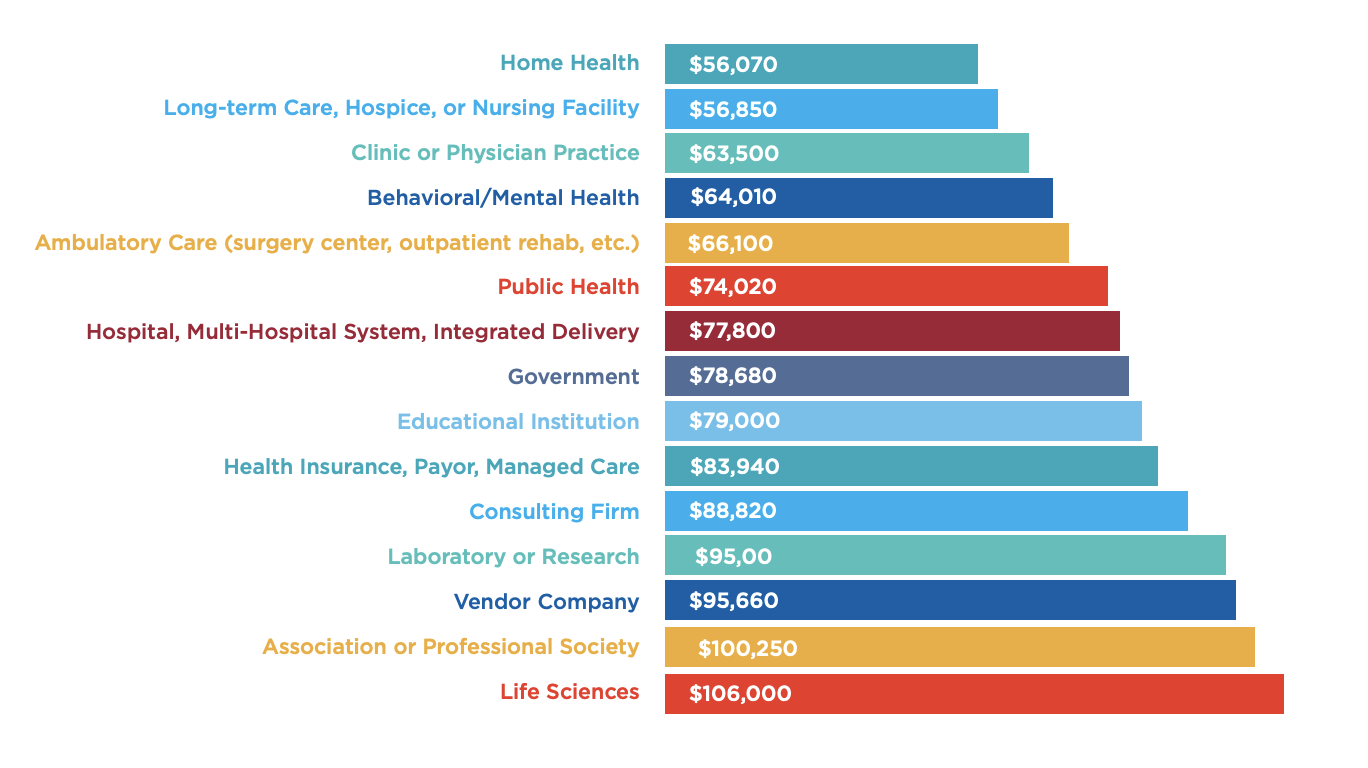
Compensation for architecture managers remains robust in 2026, reflecting the high level of responsibility and the specialized knowledge required. Salaries are influenced by geography, the size of the firm, and the specific industry sector.
Geographic Variations and Top-Paying Regions
Location remains the most significant driver of salary variance. Major metropolitan hubs with high costs of living and dense infrastructure needs offer the highest compensation packages.
- San Francisco and New York City: Managers in these cities can expect base salaries exceeding $215,000, often supplemented by performance-based bonuses that bring total compensation closer to $250,000.
- Chicago and Boston: These historical architectural hubs offer competitive salaries ranging from $185,000 to $205,000.
- Emerging Tech Hubs (Austin, Raleigh, Phoenix): As corporations migrate to these regions, the demand for industrial and commercial architecture managers has driven salaries up to the $175,000–$195,000 range.
Compensation by Industry and Firm Size
The type of employer significantly impacts the architecture manager's earning potential. Managers working for specialized scientific research and development firms often earn more than those in traditional residential architectural offices.
- Corporate and Industrial Firms: These organizations manage large-scale manufacturing plants and data centers. Salaries here are typically at the top of the scale due to the technical complexity and scale of the projects.
- Public Sector and Government: While base salaries may be slightly lower (averaging $155,000–$170,000), the benefits packages, retirement plans, and job stability are often superior to the private sector.
- Boutique Design Firms: These firms may offer lower base salaries but provide opportunities for profit sharing or equity stakes, which can be highly lucrative for senior managers.
Career Outlook and Industry Growth Drivers
The career outlook for architecture managers in 2026 is positive, with the U.S. Bureau of Labor Statistics (BLS) projecting steady growth. Several key factors are driving this demand.
Technological Impact: BIM and Digital Twins
By 2026, Building Information Modeling (BIM) has evolved into comprehensive Digital Twin technology. Architecture managers are now expected to oversee models that do not just represent a building’s geometry but also its real-time performance and maintenance needs. Firms are investing heavily in managers who can navigate these digital workflows, leading to increased demand for "BIM-savvy" leadership.
The Sustainability and ESG Mandate
Environmental, Social, and Governance (ESG) criteria are now a primary concern for investors and developers. Architecture managers are at the forefront of this shift, tasked with delivering projects that meet stringent carbon-neutrality goals. The complexity of integrating renewable energy systems, greywater recycling, and sustainable materials requires a level of oversight that only experienced managers can provide.
Infrastructure Renewal
Governmental initiatives focused on revitalizing aging infrastructure—such as bridges, transit hubs, and public housing—have created a consistent pipeline of work. Architecture managers are essential for navigating the complex regulatory and environmental review processes associated with these large-scale public projects.
Comparative Overview of Management Roles
The following table compares the architecture manager role with related management positions in the AEC (Architecture, Engineering, and Construction) industry as of 2026.
| Role Title | Average Salary (2026) | Typical Education | Primary Focus |
|---|---|---|---|
| Architecture Manager | $188,000 | M.Arch + License | Design quality, staffing, and project delivery. |
| Engineering Manager | $195,000 | B.S./M.S. Engineering | Technical systems, physics, and manufacturing. |
| Construction Manager | $118,000 | B.S. Const. Science | On-site execution, safety, and sub-contractors. |
| Design Principal | $230,000+ | M.Arch + License | Firm-wide strategy, branding, and business dev. |
| Urban Planner (Mgr) | $115,000 | M. Urban Planning | Land use, zoning, and community impact. |
Challenges and Mitigation Strategies in Architectural Management
Despite the favorable outlook, the role is not without its challenges. Architecture managers in 2026 must navigate a landscape of increasing liability and fluctuating material costs.
Managing Project Scope Creep
One of the most persistent issues is "scope creep"—when a project’s requirements increase without a corresponding increase in budget or time. Experienced managers mitigate this by implementing rigorous change-order protocols and maintaining transparent communication with clients from the project’s inception.
Technical Debt and Software Integration
As architectural software updates more frequently, firms face "technical debt"—the cost of maintaining outdated systems or the hurdle of training staff on new ones. Managers must strategically allocate budgets for software subscriptions and continuous professional development to ensure the firm remains competitive without overextending its finances.
Talent Retention in a Remote-Hybrid World
By 2026, the architectural profession has largely settled into a hybrid work model. Managers face the challenge of maintaining a collaborative design culture when team members are not physically in the same space. Successful managers use cloud-based collaboration tools and scheduled "charrettes" (intensive design sessions) to foster creativity and mentorship in a distributed environment.
Frequently Asked Questions
What is the difference between a Project Architect and an Architecture Manager?
A Project Architect is primarily responsible for the technical production of a specific project, including drawings and specifications. An Architecture Manager has a broader scope, overseeing multiple projects, managing the firm’s departmental budget, and handling personnel issues such as hiring and performance reviews.
Is professional licensure required to be an Architecture Manager?
In most cases, yes. Because architecture managers must sign off on technical documents and ensure building code compliance, firms require them to be Registered Architects (RA). Even in purely administrative roles, the credibility and legal authority provided by a license are usually considered essential.
How has AI changed the Architecture Manager role in 2026?
AI has shifted the manager’s focus from manual oversight to algorithmic verification. Managers now use AI tools to run thousands of design permutations for energy efficiency or cost-effectiveness. The manager’s role is to curate these results and apply human judgment to the aesthetic and functional nuances that AI cannot yet master.
What are the best states for architecture manager jobs?
California, New York, Texas, and Massachusetts remain the leaders in terms of both job density and salary. However, states like Colorado and Washington are seeing rapid growth due to their focus on sustainable urban development and high-tech corporate expansions.
Can a Construction Manager become an Architecture Manager?
While the roles overlap, they require different professional foundations. A Construction Manager usually lacks the architectural licensure required to oversee the design phase. However, with the proper NAAB-accredited degree and subsequent licensure, a transition is possible, though it essentially requires retraining in architectural theory and law.
Practical Recommendations for Aspiring Managers
For those looking to transition into a management role by 2026, the following steps are recommended:
- Seek Mentorship: Align yourself with a current Principal or Director to understand the business side of the firm, including P&L (Profit and Loss) statements and client acquisition.
- Master BIM Management: Don’t just use the software; understand how to set up the workflows and standards for an entire office.
- Pursue Specialized Certification: Obtain your LEED AP or PMP credentials to demonstrate a commitment to the industry’s most pressing needs.
- Develop Financial Literacy: Take courses in accounting or business management. An architecture manager who understands "the bottom line" is far more valuable to a firm than one who only understands design.
The path to architectural management is one of continuous learning and increasing responsibility. In 2026, it remains one of the most prestigious and impactful career paths within the built environment.