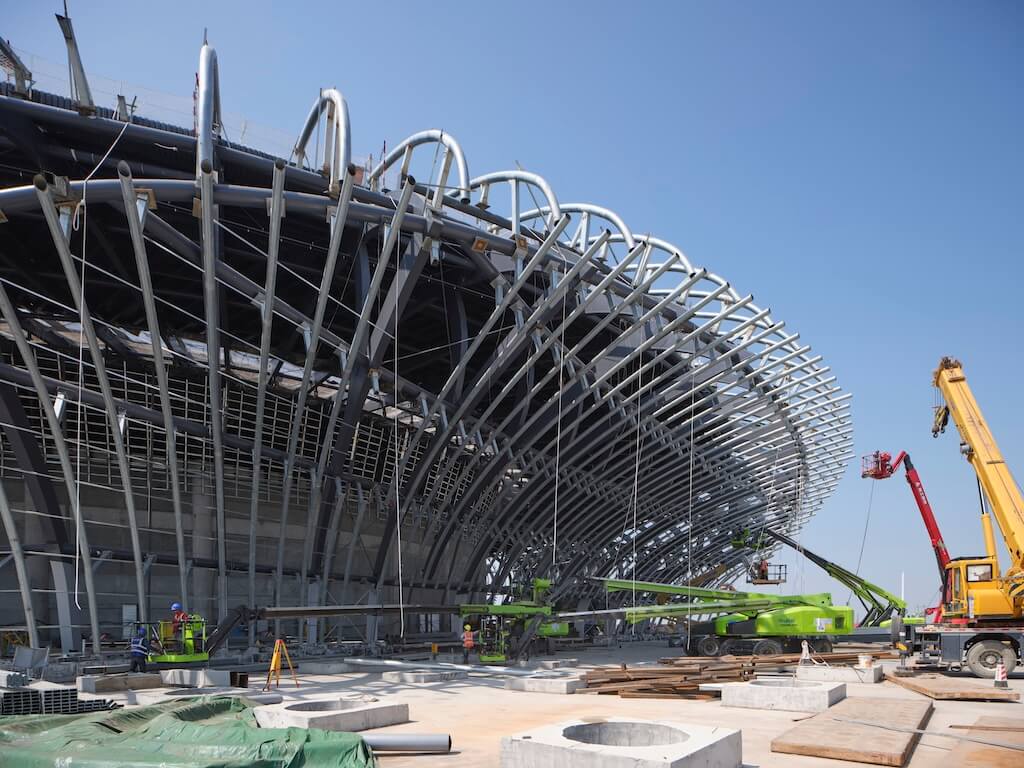
In 2026, the Bay Area architecture landscape is defined by a rigorous commitment to decarbonization, seismic resilience, and high-density urban infill. Selecting the right firm requires aligning your specific project needs—whether a tech-centric commercial campus or a sustainable custom home—with a partner who can navigate the region's complex zoning laws and environmental mandates.
The Evolving Landscape of Bay Area Architecture
The San Francisco Bay Area remains one of the most challenging yet rewarding environments for architectural development. As we move through 2026, the industry has transitioned away from the sprawling designs of the previous decade toward "transit-oriented development" and "adaptive reuse." This shift is driven by both state-level housing mandates, such as the continued evolution of Senate Bill 9 (SB 9), and the regional push for carbon neutrality in the built environment.
Architecture firms in the Bay Area are currently operating at the intersection of high-tech innovation and rigorous environmental stewardship. The local market is segmented into several distinct hubs: the dense, historic fabric of San Francisco; the sprawling, corporate innovation centers of Silicon Valley; and the emerging, multi-family residential nodes in the East Bay. Each of these sub-regions carries its own set of micro-climates, geological risks, and community expectations that an architect must master.
Furthermore, the "Bay Area Modern" aesthetic has evolved. It now blends the mid-century modern heritage of Joseph Eichler with 21st-century requirements for all-electric building systems and wildfire-resilient materials. This synthesis of form and function is why the region remains a global leader in architectural discourse.
Categorizing the Top Architecture Firms by Specialization
The diversity of the Bay Area economy necessitates a wide range of architectural expertise. To find the right partner, it is helpful to categorize firms by their primary project focus and organizational scale.
Large-Scale Commercial and Civic Giants
For massive infrastructure projects, high-rise residential towers, or corporate headquarters, global firms with deep San Francisco roots dominate the field.
- Gensler: Headquartered in San Francisco, Gensler continues to be a powerhouse in workplace design and urban planning. In 2026, they are particularly noted for their "re-positioning" projects, transforming underutilized downtown office blocks into vibrant, mixed-use residential hubs.
- HOK: Known for high-performance civic architecture and healthcare facilities, HOK remains a go-to for complex institutional projects that require navigating the California Environmental Quality Act (CEQA) and OSHPD (now HCAI) requirements for hospitals.
- Perkins&Will: This firm has established itself as a leader in life sciences and laboratory design, a sector that remains robust in the Peninsula and East Bay biotech corridors.
Boutique Residential and Design-Forward Studios
If the goal is a custom home that responds to the unique topography of the Marin Headlands or the rolling hills of Woodside, boutique firms offer a more personalized, craft-oriented approach.
- Aidlin Darling Design: This firm is celebrated for its sensory-focused architecture. Their work often emphasizes the relationship between light, shadow, and raw materials like rammed earth and weathered steel.
- Walker Warner Architects: Specializing in high-end residential projects, Walker Warner is a master of "site-specific" design, ensuring that structures feel as though they have grown out of the coastal or valley landscapes they inhabit.
- Feldman Architecture: A leader in sustainable residential design, Feldman is frequently cited for their ability to integrate "living roofs" and advanced greywater systems into modern, airy home designs.
Affordable Housing and Urban Infill Specialists
With the Bay Area’s ongoing housing crisis, firms that specialize in multi-family and affordable housing are more critical than ever.
- Pyatok Architecture + Urban Design: Based in Oakland, Pyatok has been at the forefront of affordable housing for decades. Their work in 2026 focuses on high-density modules that provide dignity and community space for lower-income residents.
- David Baker Architects: Known for the "Human Metal" aesthetic, David Baker’s team excels at creating urban infill projects that feel local, accessible, and architecturally adventurous.
Understanding the Regulatory and Technical Maze
Designing a building in the Bay Area is not merely a creative exercise; it is a complex negotiation with state and local regulators. In 2026, three primary factors dictate the technical depth required of an architecture firm.
1. Seismic Engineering and Resiliency
The proximity to the San Andreas and Hayward faults means that seismic safety is paramount. Modern Bay Area firms often employ integrated structural engineering or work closely with specialists to implement base isolation systems or "dampers" that allow buildings to move during an earthquake without sustaining structural failure. In 2026, there is an increased focus on "functional recovery" standards—ensuring that a building is not just safe to exit after an earthquake, but safe to continue living or working in.
2. CALGreen and Title 24 Energy Standards
California has some of the strictest energy codes in the world. The 2026 standards require almost all new residential and commercial construction to be "all-electric." This eliminates gas lines for cooking and heating, replacing them with high-efficiency heat pumps and induction technology. An architect in this region must understand the nuances of the California Energy Commission's Title 24 requirements to ensure project approval.
3. Wildfire-Urban Interface (WUI) Regulations
For projects in the North Bay or the hills of the East Bay, the "WUI" code is a critical design constraint. This dictates the use of non-combustible siding, specialized roof venting to prevent ember ignition, and specific landscape setbacks. Firms like Lundberg Design or Mork-Ulnes Architects have gained significant recognition for their ability to make fire-hardened homes look aesthetically stunning rather than purely utilitarian.
Cost Considerations and Fee Structures in 2026
The cost of architectural services in the Bay Area is among the highest in the United States, reflecting the complexity of the work and the high cost of living for professional staff. Generally, fees are calculated in one of three ways:
- Percentage of Construction Cost: For residential projects, this typically ranges from 10% to 15%. For larger commercial projects, the percentage may drop to 6% to 9% due to economies of scale.
- Fixed Fee: Common for well-defined scopes of work where the architect can accurately predict the hours required.
- Hourly Rates: Principal architects in the Bay Area often bill between $250 and $550 per hour in 2026.
| Firm Tier | Typical Project Size | Primary Focus | Fee Range (Estimated) |
|---|---|---|---|
| Global/Large | $50M+ | Corporate, Transit, High-rise | 6% - 8% of construction |
| Mid-Size Regional | $5M - $50M | Multi-family, Institutional | 8% - 12% of construction |
| Boutique/Residential | $1M - $10M | Custom Homes, Interior Design | 12% - 18% of construction |
| Small Studio | Under $2M | ADUs, Renovations, Retail | Hourly or Fixed Fee |
The Selection Process: How to Choose Your Architect
Selecting a firm in 2026 involves more than just liking their portfolio. Because projects in the Bay Area can take years from inception to completion (due to permitting backlogs), the relationship between the client and the architect must be resilient.
Reviewing the Portfolio
Look for "typological" relevance. If you want to build a medical clinic, a firm that only does residential mid-century moderns might not have the technical knowledge of sterilization flows or medical gas storage. Examine their history with local planning departments. A firm that has successfully navigated the San Francisco Planning Department or the Oakland Bureau of Planning multiple times is invaluable.
Assessing Sustainability Credentials
In the current climate, your architect should be well-versed in the AIA Framework for Design Excellence. Ask if they have experience with LEED, Passive House, or the Living Building Challenge. In 2026, carbon-tracking for building materials (embodied carbon) is a standard request for sophisticated clients.
Interviewing and "Chemistry"
Architecture is a service industry. During the interview, ask about their process for handling "Value Engineering" (reducing costs without sacrificing design) and their approach to project management. Use the California Architects Board website to verify their license status and check for any disciplinary actions.
Technology Integration in Bay Area Firms
By 2026, the technological toolkit of a top-tier Bay Area firm has expanded significantly beyond basic CAD (Computer-Aided Design).
- BIM (Building Information Modeling): Tools like Revit are standard, but advanced firms now use "Digital Twins"—virtual models that simulate a building's performance throughout its lifecycle.
- VR/AR Walkthroughs: Clients no longer look at flat blueprints. In 2026, you should expect to put on a headset and walk through your unbuilt home or office to understand the spatial flow and light quality.
- Generative Design: Architects are using AI-driven algorithms to test thousands of design iterations for thermal performance, structural efficiency, and cost-effectiveness in a fraction of the time it once took.
Frequently Asked Questions
How long does the permitting process take in the Bay Area in 2026?
While state laws have attempted to streamline approvals, a full architectural permit in San Francisco can still take 12 to 24 months for significant projects. In smaller jurisdictions like Palo Alto or Berkeley, the timeline may be slightly shorter but remains rigorous due to strict design review boards. Your architect should build a "permitting contingency" into your project schedule.
Do I need a local architect, or can I hire a firm from elsewhere?
While you can hire a firm from anywhere, hiring a local Bay Area firm is highly recommended. Local firms have existing relationships with building officials and a deep understanding of the California Building Code (Title 24). An out-of-state architect often has to hire a local "Executive Architect" to ensure the project meets regional requirements, which can add to the total cost.
What is the difference between an architect and a building designer?
In California, the title "Architect" is legally protected. Only those licensed by the California Architects Board can call themselves architects. Building designers can design some single-family residences and non-structural components, but for complex Bay Area projects involving seismic upgrades, commercial space, or multi-family housing, a licensed architect is a legal and safety requirement.
Are ADUs (Accessory Dwelling Units) still a major focus for Bay Area firms?
Yes. In 2026, ADUs remain a primary strategy for increasing density. Many firms, such as Cottage or Abodu, specialize exclusively in prefabricated or custom-built ADUs. The regulations have been significantly "de-risked" by state law, making these one of the fastest ways to add square footage to a property.
How do I verify a firm’s professional standing?
You should always visit the California Architects Board (CAB) license lookup. Enter the architect's name to ensure their license is active and in good standing. Additionally, membership in the AIA San Francisco or AIA East Bay indicates a commitment to professional ethics and continuing education.
Practical Recommendation
When beginning your search for architecture firms in the Bay Area, start by defining your budget and project scope with high specificity. If you are pursuing a high-performance, sustainable residential project, prioritize firms with Passive House certification. For commercial ventures, look for firms that demonstrate a clear mastery of the 2026 CALGreen codes. Always request a detailed list of past clients and contact them specifically to ask about the firm's ability to stay on schedule and navigate the often-difficult local permitting process. The most successful projects in this region are those where the architect acts not just as a designer, but as a strategic navigator of the Bay Area's unique regulatory and environmental landscape.