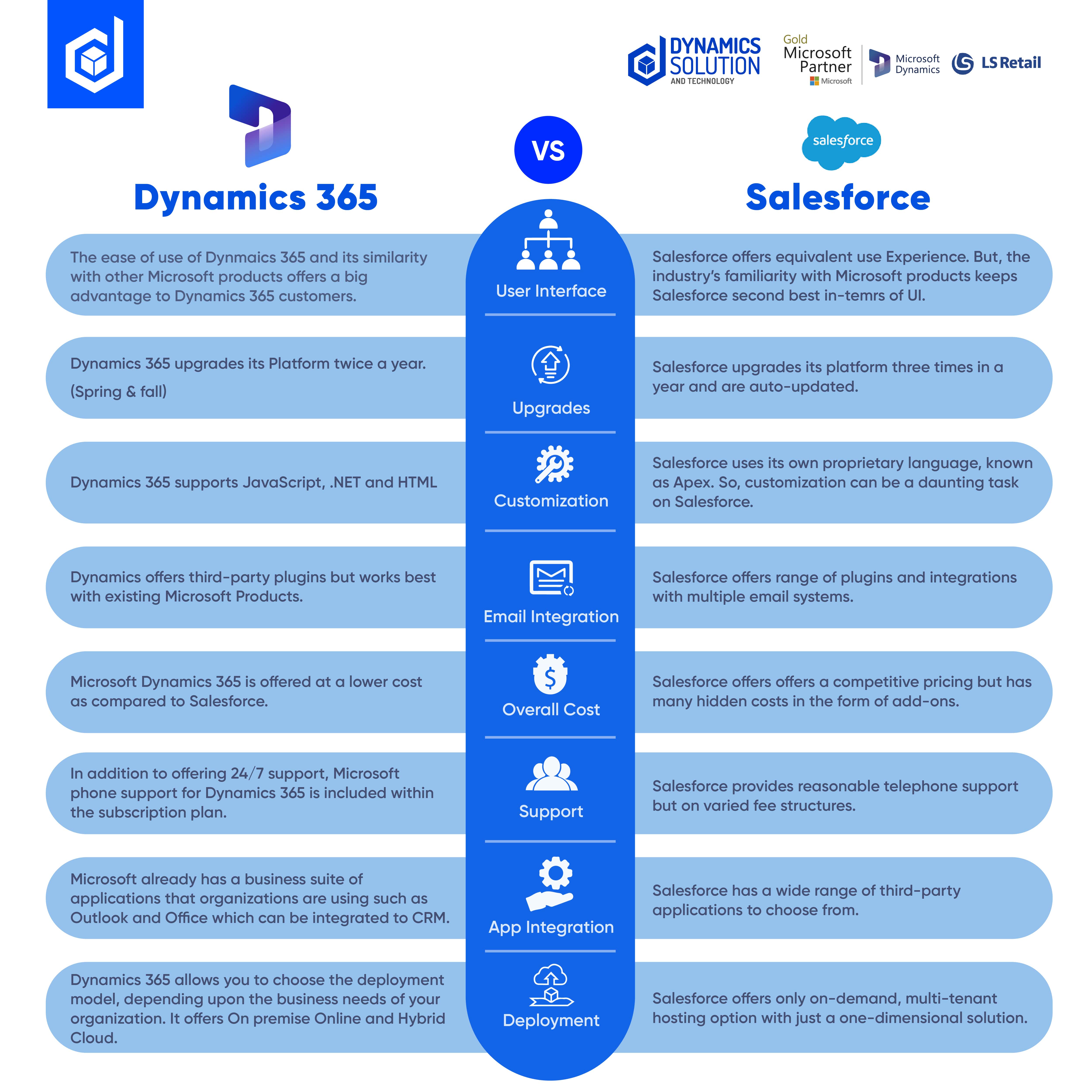
Microsoft Dynamics 365 CRM for Property and Casualty (P&C) insurance streamlines operations by unifying policyholder data, automating claims processing, accelerating underwriting workflows, managing multi-channel distribution networks, and integrating advanced analytics for risk assessment and personalized customer service.
Property and Casualty (P&C) insurance providers face mounting pressure to modernize legacy systems, reduce claims cycle times, and deliver frictionless digital experiences to policyholders. Insurers must balance complex regulatory compliance with the demand for real-time responsiveness. Microsoft Dynamics 365 Customer Relationship Management (CRM), tailored for the P&C insurance sector through specialized industry accelerators and cloud infrastructure, addresses these operational bottlenecks. By centralizing data across disparate underwriting, billing, and claims systems, the platform equips carriers, independent agents, and brokers with a single source of truth. Understanding the primary capabilities of this platform helps insurance executives determine how to optimize customer acquisition, retention, and operational efficiency.
1. Unified 360-Degree Policyholder and Account View
Insurance ecosystems are historically siloed. Policy data often resides in one core legacy system, billing information in another, and claims histories in yet a third database. This fragmentation creates friction when customer service representatives (CSRs) or agents attempt to get a complete picture of a policyholder's risk profile and financial relationship with the enterprise.
Dynamics 365 CRM solves this problem by establishing a unified 360-degree view of every individual and commercial account.
Aggregating Disparate Insurance Data
The platform acts as an integration hub that connects core administration systems, third-party data providers, and digital touchpoints. For a P&C insurer, this means an agent can view personal auto, homeowners, umbrella, and commercial liability policies within a single interface.
- Consolidated Contact Records: Personal details, household linkages, commercial beneficiary structures, and corporate hierarchies are mapped clearly.
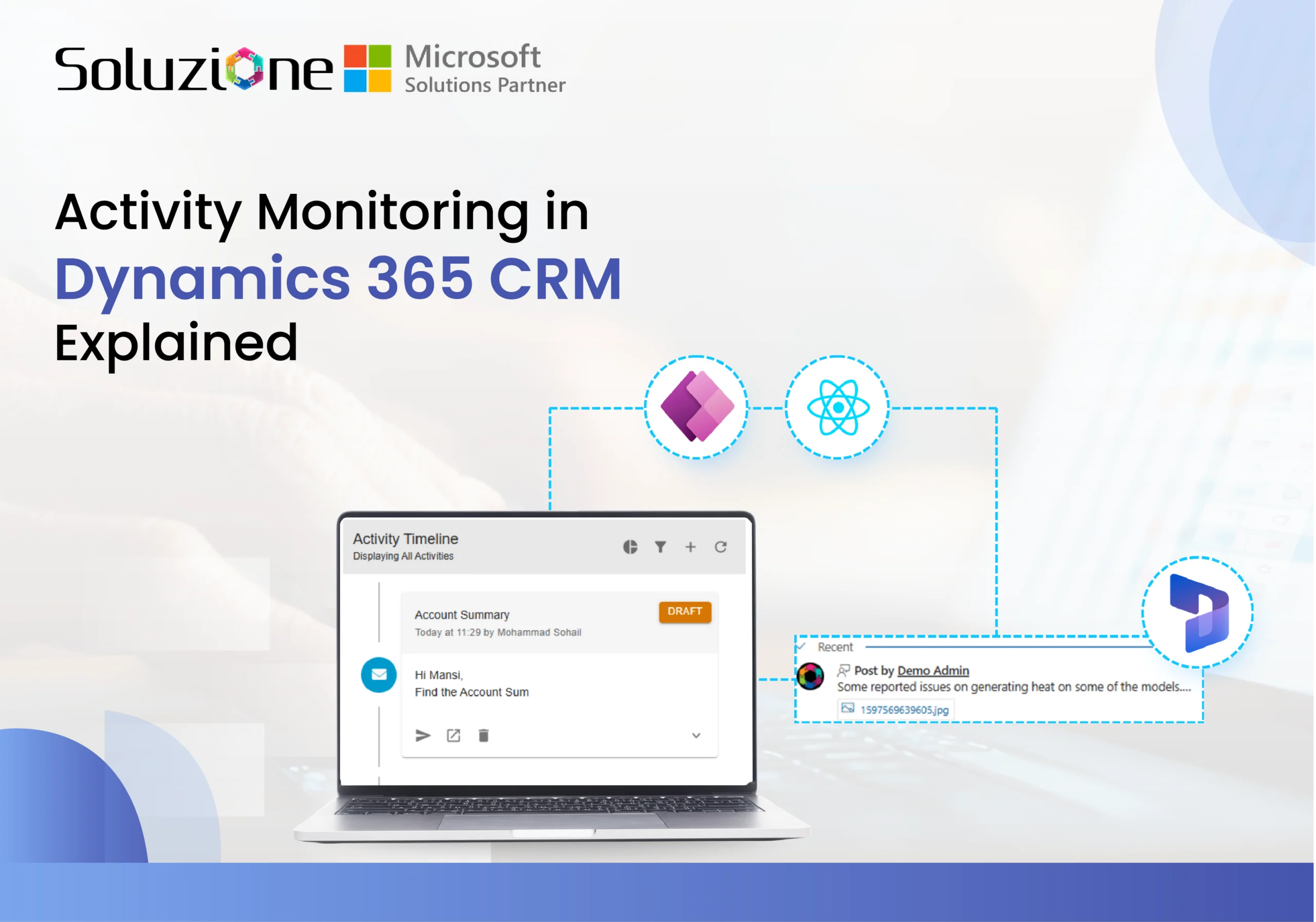
- Historical Interaction Tracking: Every phone call, email, chat transcript, and mobile app interaction is logged automatically against the customer profile.
- Financial Status Visibility: Outstanding premiums, payment histories, active claims, and past loss runs are surfaced instantly to authorized users.
Operational Impact on Customer Service
When a policyholder calls to report a change in their insured property or inquire about bundling a new vehicle, the CSR does not need to navigate multiple windows. This comprehensive visibility drastically reduces Average Handle Time (AHT) and improves First Contact Resolution (FCR) rates. Furthermore, customer-facing staff can identify cross-selling and up-selling opportunities naturally, such as suggesting an inland marine floater for a homeowner who recently acquired high-value jewelry.
2. Automated Underwriting Workflows and Intake
Underwriting profitability dictates the long-term viability of any P&C insurance carrier. Manual intake processes, redundant data entry, and delayed risk evaluation often cause carriers to lose prospective policyholders to agile digital-first competitors.
Dynamics 365 leverages Power Automate and artificial intelligence to streamline and accelerate the underwriting lifecycle without compromising risk management standards.
Streamlined Intake and Submission Management
Commercial and personal lines submissions arrive through diverse channels, including broker portals, direct-to-consumer websites, and email attachments.
- Intelligent Document Processing (IDP): Leveraging AI Builder and Azure Cognitive Services, the system extracts data from unstructured documents like loss run reports, property inspection files, and prior carrier declarations pages.
- Automatic Clearance and Triage: Submissions are evaluated against predefined risk appetite guidelines. Profitable segments are routed immediately to senior underwriters or automated straight-through processing paths, while hazardous risks trigger automatic declines or referrals.
Enhancing Collaboration Between Underwriters and Agents
Independent agents and brokers form the lifeblood of traditional P&C distribution. Dynamics 365 provides dedicated portal experiences where external partners can track the progress of their submissions in real time. Underwriters can request missing loss control information or photographs directly through collaborative channels, keeping all communication tied permanently to the specific policy application record.
| Underwriting Phase | Legacy Manual Approach | Dynamics 365 Automated Approach |
|---|---|---|
| Submission Intake | Manual data re-keying from PDF/email | AI-driven document extraction and direct CRM population |
| Risk Clearance | Manual lookup in appetite guides | Automated rule-based routing against carrier guidelines |
| Third-Party Data Integration | Separate web portals for credit, MVR, and property scores | Embedded risk scoring via API integration within the CRM workspace |
| Quote Generation | Disconnected rating engines requiring double entry | Integrated rating tools producing dynamic quotes instantly |
3. End-to-End Claims Management and FNOL Integration
The ultimate test of an insurance policy is how efficiently and fairly it handles a claim. The First Notice of Loss (FNOL) is the most critical moment in the claims lifecycle. If FNOL intake is sluggish or confusing, policyholder satisfaction plummets, and potential fraud goes undetected during the initial vulnerability window.
Dynamics 365 optimizes claims handling by modernizing intake channels and enforcing structured workflow governance from initial report to settlement.
Omnichannel FNOL and Triage
Policyholders should be able to report a claim through whichever channel they prefer—whether through a mobile application, an online customer portal, a chatbot, or by calling a contact center.
- Digital Intake Portals: Guided wizards prompt insured individuals to capture necessary details, such as accident location, third-party contact information, and initial photo uploads of vehicle damage or property destruction.
- Automated Assignment: Based on loss type, severity, jurisdiction, and adjuster workload, the system automatically assigns the claim to the appropriate internal adjuster or independent adjusting (IA) firm.
Fraud Detection and Reserve Management
Mitigating leakage from fraudulent P&C claims is paramount. Dynamics 365 integrates with advanced predictive modeling tools that flag suspicious claims patterns, such as prior unverified losses, inconsistent timelines, or known fraudulent provider networks, early in the workflow. Additionally, the platform tracks reserve updates and settlement milestones, ensuring compliance with statutory reporting requirements and internal financial controls.
4. Multi-Channel Distribution and Agent/Broker Relationship Management
Property and casualty insurers rely on complex distribution networks, including captive agents, independent agents, managing general agents (MGAs), and direct digital channels. Managing these relationships requires robust partner relationship management (PRM) functionality tailored to the insurance industry.
Dynamics 365 CRM empowers carriers to nurture distribution channels effectively and equip their sales networks with modern enablement tools.
Comprehensive Broker and Agent Portals
Insurance buyers frequently choose coverage based on local agent relationships and advisory trust. Providing agents with superior tools incentivizes them to prioritize a specific carrier's products.
- Commission Tracking and Transparency: Agents can view their commission structures, payout statuses, and production metrics within a secure portal view.
- Co-Branded Marketing Collateral: Carriers can supply compliant digital assets, email templates, and localized advertising materials that agents can deploy effortlessly.
- Pipeline and Renewal Visibility: Agents can monitor upcoming policy expirations, track active quotes in progress, and initiate renewal workflows proactively before policies lapse.
Lead Management and Conversion Analytics
For direct-to-consumer P&C writers, the platform tracks digital marketing attribution, lead scoring, and conversion bottlenecks. Sales teams can launch targeted campaigns for seasonal risks—such as flood insurance promotions ahead of rainy seasons or wildfire mitigation discounts—ensuring messaging reaches the right demographic segments at optimal times.
5. Advanced Analytics, Artificial Intelligence, and Regulatory Compliance
Data is only as valuable as the insights it generates. P&C insurance generates vast quantities of structured and unstructured information regarding loss ratios, claims frequency, geographical risk exposure, and customer retention.
Dynamics 365 integrates natively with the broader Microsoft ecosystem, including Azure data services and Microsoft Copilot, to turn data into actionable intelligence.
Predictive Insights and Risk Modeling
Insurers must constantly re-evaluate pricing models in response to changing environmental risks, inflation, and shifting litigation trends.
- Customer Lifetime Value (CLV) Prediction: Identify which policyholder segments yield the highest profitability over multi-year horizons, allowing for optimized retention spending.
- Churn Risk Identification: Surface indicators that suggest a policyholder is shopping for alternative coverage—such as inquiries about mortgage clause changes or sudden increases in claim inquiries—enabling proactive retention outreach.
- Copilot Assistance: Natural language prompts allow underwriting and claims professionals to summarize complex policy histories, draft empathetic customer communications, and surface relevant internal guidelines instantly.
Navigating Regulatory Compliance
The P&C insurance industry is heavily regulated at the state and national levels, with strict mandates regarding data privacy (such as CCPA and GDPR), fair lending practices, and statutory financial reporting. Dynamics 365 provides enterprise-grade security controls, role-based access permissions, comprehensive audit logging, and data residency options to ensure carriers remain compliant with evolving regulatory frameworks while maintaining secure control over sensitive consumer financial and health data.
Choosing the Right Implementation Strategy
Adopting Microsoft Dynamics 365 CRM for a P&C insurance enterprise requires careful planning, stakeholder alignment, and a phased deployment roadmap. Organizations must evaluate their existing legacy core administration systems, determine whether to utilize pre-built insurance accelerators from the Microsoft AppSource marketplace, and establish robust data governance frameworks before migrating historical books of business.
Carriers that successfully align their CRM capabilities with their core underwriting and claims engines position themselves to reduce operational costs, empower their agency networks, and deliver the responsive, transparent experiences modern policyholders expect.