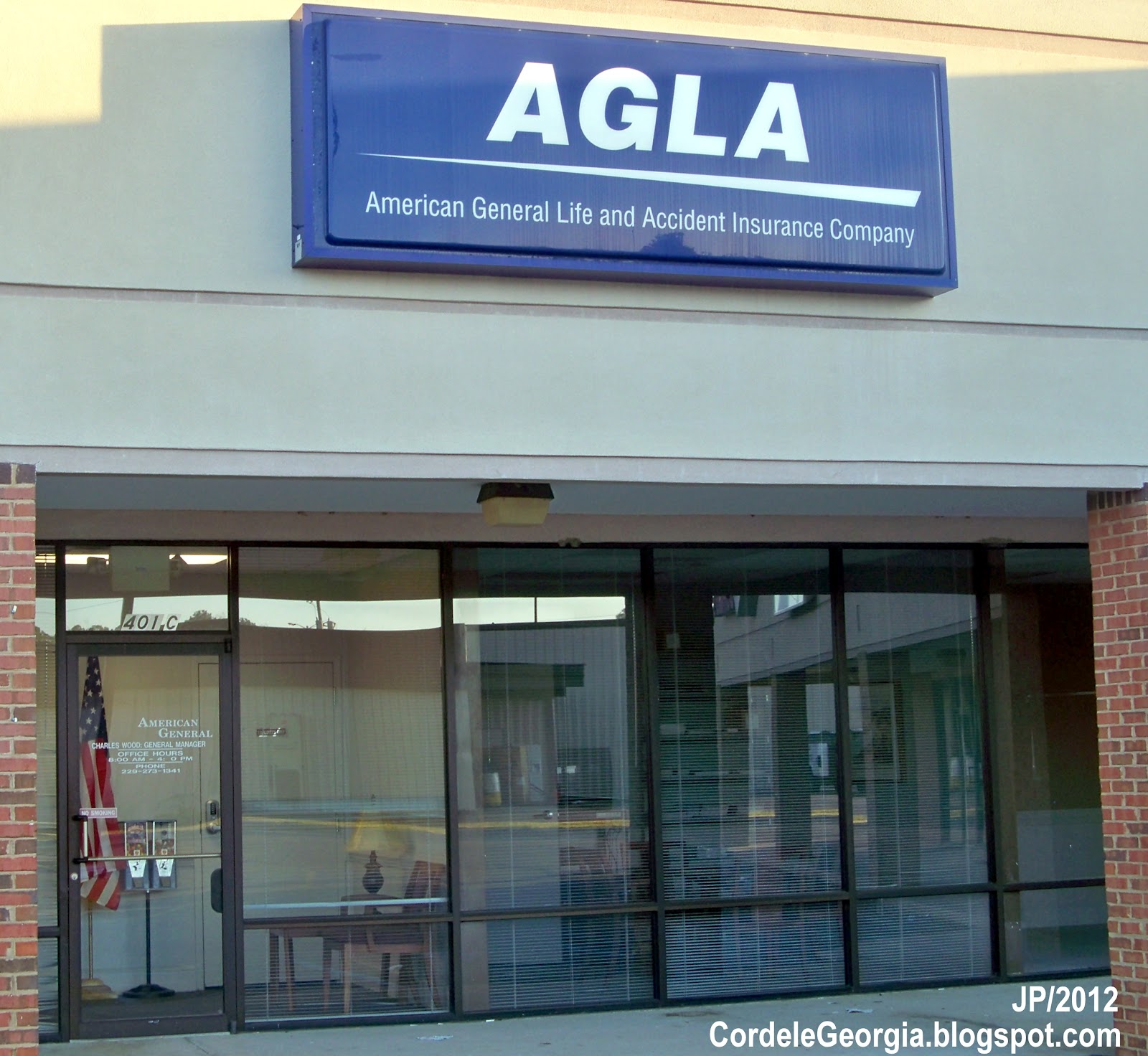
American General Life Insurance Company is domiciled and incorporated in the state of Texas. As a primary operating subsidiary of Corebridge Financial—formerly known as AIG Life & Retirement—the company maintains its legal home in Texas, which serves as its primary regulatory jurisdiction for financial oversight, capital requirements, and licensing governance within the United States insurance market.
The Significance of State of Incorporation for Policyholders
For insurance consumers, the state of incorporation is more than a technicality; it is the fundamental indicator of which state’s department of insurance holds primary regulatory authority over the company’s solvency, market conduct, and policy forms. While a company may sell life insurance products in all 50 states, it must adhere to the specific financial regulations, premium tax requirements, and consumer protection statutes established by its domestic state.
When you purchase a life insurance policy from American General Life Insurance Company (AGL), you are entering into a contract governed by the laws of Texas, although your local coverage remains subject to the statutes of your resident state. The "state of incorporation" (or "state of domicile") is the entity that monitors the company’s assets, liabilities, and reserve adequacy to ensure it can fulfill long-term death benefit obligations.
Regulatory Oversight and Corporate Structure
The insurance industry is governed at the state level rather than the federal level. This decentralized system relies on the National Association of Insurance Commissioners (NAIC) to coordinate standards between state regulators. As a Texas-domiciled company, American General Life Insurance Company files its Annual Statements and financial disclosures with the Texas Department of Insurance (TDI).
Key Regulatory Responsibilities of the Domicile State:
- Financial Solvency Monitoring: The TDI conducts periodic financial examinations to ensure that AGL maintains sufficient capital and surplus to cover potential claims.
- Approval of Policy Forms: Before a new life insurance product or rider can be sold, the base policy forms and actuarial justifications must be vetted. While these forms are filed in every state where the product is sold, the domicile state performs the primary review.
- Market Conduct: The domicile state acts as the lead regulator during comprehensive market conduct examinations, which evaluate how a company treats its policyholders, from the initial application process to the final settlement of death claims.
- Capital and Reserve Requirements: The state of incorporation dictates the statutory accounting principles (SAP) that the company must follow, which are significantly more conservative than the Generally Accepted Accounting Principles (GAAP) used in general corporate financial reporting.
Corporate Evolution and Corebridge Financial
In 2022, American General Life Insurance Company underwent a significant branding transition as part of the broader spin-off of AIG’s life and retirement business, which was rebranded as Corebridge Financial. Despite these structural changes, the legal identity and domicile of the entity—American General Life Insurance Company—remained consistent.
The distinction between the parent organization (Corebridge Financial, Inc.) and the individual operating subsidiary (AGL) is critical. While Corebridge Financial may operate as a public company with corporate offices in various locations, the life insurance policy itself is backed by the specific assets of the Texas-domiciled insurer. Policyholders should verify the specific entity listed on their policy declarations page, as AGL is one of several insurance subsidiaries within the Corebridge portfolio.
Comparison of Regulatory Domiciles
Understanding why an insurance company chooses a specific state of incorporation helps in evaluating its stability. Companies often choose their domicile based on the regulatory environment, state tax policies, and the maturity of the state’s insurance department.
| Feature | Importance of Domicile State |
|---|---|
| Primary Regulator | The state where the company is legally organized. |
| Financial Oversight | Responsible for reviewing annual financial statements. |
| Guaranty Association | Defines which state's guaranty fund protects a policyholder. |
| Licensing | Must be licensed in the state of domicile and all states where it conducts business. |
Note: While the state of incorporation monitors solvency, policyholders are generally protected by their state of residence's Life and Health Insurance Guaranty Association in the unlikely event of insurer insolvency.
Verification Steps for Consumers
Consumers seeking to verify the status or financial health of American General Life Insurance Company should rely on official resources rather than third-party marketing sites. Because regulatory information is public, it can be cross-referenced through several authoritative channels:
- State Department of Insurance Databases: The Texas Department of Insurance maintains a searchable database of all authorized insurers, including their status, lines of authority, and historical regulatory filings.
- NAIC Consumer Information Source: The National Association of Insurance Commissioners provides a unified platform where users can look up the regulatory status of any insurance company across all U.S. jurisdictions.
- Company Financial Filings: The NAIC database allows users to access the "Annual Statement" of the insurance company. This document is a comprehensive report required by the state of incorporation, detailing the company's assets, liabilities, and investment portfolio.
- AM Best Ratings: While not a regulator, AM Best provides independent analysis of the financial strength of insurance companies. Their reports identify the domicile and provide context on the company’s capitalization relative to its risks.
Understanding the Role of the Guaranty Association
A common point of confusion for consumers is the intersection of the state of incorporation and the state guaranty association. If an insurance company were to become insolvent, the policyholder’s protection is triggered by their own state of residence, not the company’s state of incorporation.
Every state has an insurance guaranty association that provides a safety net for policyholders. These associations are funded by assessments levied against other insurance companies licensed in that state. Regardless of where American General Life Insurance Company is incorporated, if you reside in a state like California or New York, your policy is backed by your home state’s guaranty association up to the statutory limits set by that state’s legislature.
Common Misconceptions Regarding Incorporation
- Misconception: The company’s headquarters must be in the state of incorporation.
- Fact: While the legal domicile is Texas, the actual corporate headquarters and operations can be located elsewhere. The domicile is a legal registration status, not necessarily a geographic requirement for daily office operations.
- Misconception: A company incorporated in a state with "better" laws provides better coverage.
- Fact: All insurance companies must be licensed in the state where they sell insurance. If they fail to meet the standards of that specific state, they can be barred from selling products there, regardless of where they are incorporated.
- Misconception: Incorporation location indicates where claims are processed.
- Fact: Claims processing is an operational function that can be centralized or distributed across multiple regional service centers regardless of the legal domicile.
Best Practices for Policyholders
When reviewing your life insurance documents, ensure you correctly identify the legal entity. Policies are often issued by specific subsidiaries, and the legal entity name will be printed clearly on the first page of your contract. If you are conducting research for financial planning or due diligence, take the following actions:
- Identify the Entity: Confirm the specific insurer name (e.g., American General Life Insurance Company) rather than the parent company brand (Corebridge Financial).
- Review the Annual Statement: Access the most recent filing on the NAIC website to see how the company’s capital and surplus have trended over the past three years.
- Confirm Licensing: If you move to a new state, you do not need to take action regarding your policy’s domicile, as the contract remains valid nationwide. However, you should update your contact information with the insurer to ensure you receive all mandated regulatory notices.
- Consult Professional Advice: Insurance contracts are complex legal documents. If you have concerns about the financial standing of your insurer, consult with a licensed financial advisor or a tax professional who can interpret the statutory financial statements of the company.
Frequently Asked Questions
What does it mean for an insurance company to be "domiciled" in Texas? Being domiciled in Texas means that Texas is the state of legal incorporation for American General Life Insurance Company. It serves as the primary regulatory body responsible for licensing, financial auditing, and overseeing the company's compliance with statutory insurance laws.
Does the state of incorporation affect my death benefit? No. Your death benefit is governed by the specific terms and conditions outlined in your policy contract. The state of incorporation ensures the company maintains the financial reserves necessary to pay these benefits, but it does not alter the payout obligations of the contract itself.
Can I sue the insurance company in its state of incorporation? Legal disputes regarding insurance policies are typically handled in the state where the policy was issued or where the insured resides. While the domicile state governs the regulatory relationship, it does not mandate that all litigation occur within its borders.
How often does the state review the company’s financial health? Under standard regulatory practice, insurance companies undergo comprehensive financial examinations by their domestic regulator at least once every three to five years, in addition to annual mandatory financial reporting.
Is American General Life Insurance Company the same as Corebridge Financial? American General Life Insurance Company is a subsidiary of Corebridge Financial. While Corebridge is the parent organization, the insurance policy is a contract between the policyholder and the specific legal entity (AGL).
Where can I find the official financial filings for American General? Official financial statements are filed with the Texas Department of Insurance and are accessible to the public through the National Association of Insurance Commissioners (NAIC) Consumer Information Source database.
Final Recommendation
For most policyholders, the state of incorporation serves as a silent guarantor of institutional stability. You do not need to actively manage or track the legal domicile of your insurer for day-to-day operations. However, if you are performing long-term wealth planning or conducting due diligence on a high-value policy, visit the NAIC website periodically to review the company’s "Annual Statement." This verifies that the company remains in good standing within its state of incorporation and provides transparency regarding its solvency position. Always maintain a copy of your policy in a secure location and ensure your beneficiaries have access to the original document, as the underlying entity information is essential for processing claims efficiently.