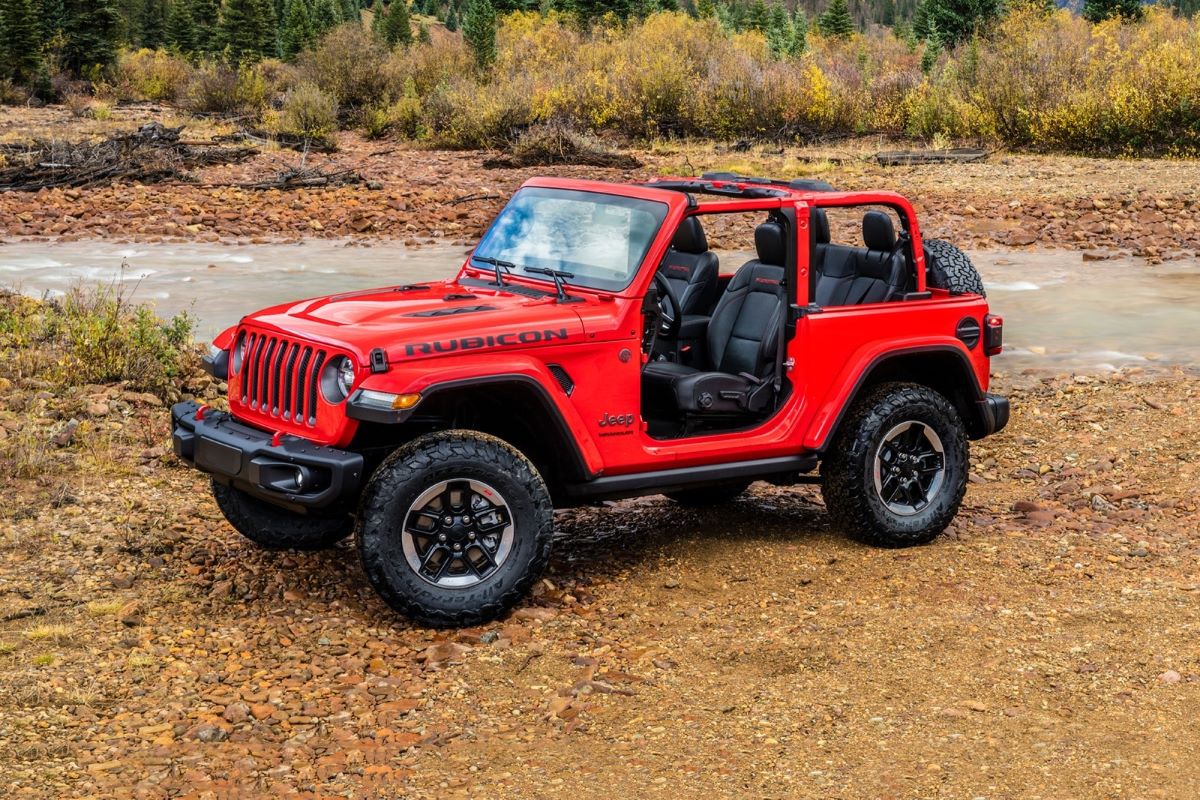
Jeep Wranglers are widely recognized as specialized off-road vehicles rather than conventional commuter cars, and their reliability is a complex subject. While they frequently rank lower in standard long-term dependability studies due to frequent minor electrical and trim issues, their mechanical drivetrains, particularly the traditional engines and solid axles, remain robust. Ultimately, Wrangler reliability depends on how the vehicle is used—whether for daily asphalt driving or rigorous trail performance.
Understanding the "Reliability" Metric for the Jeep Wrangler
When analyzing whether Wranglers are reliable, it is essential to distinguish between "mechanical longevity" and "frequency of repairs." For many automotive analysts, reliability is measured by the number of visits to a repair shop during the first three to five years of ownership. By this metric, the Wrangler often scores lower than mainstream crossovers or sedans.
However, this metric can be misleading for the Jeep consumer. A significant percentage of these repair incidents are related to "infotainment glitches," "water leaks" from the removable roof panels, or "fit-and-finish" concerns that do not leave the vehicle stranded. In contrast, if reliability is defined by a vehicle’s ability to sustain heavy off-road use without suffering catastrophic failure of the drivetrain, the Wrangler consistently ranks among the most capable and durable platforms available. The vehicle is engineered to endure harsh environments, deep water fording, and rocky terrain that would result in structural damage to most unibody SUVs.
Mechanical Components and Drivetrain Durability
The core of the Wrangler’s reliability lies in its mechanical simplicity, specifically regarding its powertrain configurations. Historically, Jeep has relied on long-standing engine architectures, such as the 3.6L Pentastar V6, which has been refined over many years. Because this engine is used across a vast spectrum of vehicles within the Stellantis lineup, replacement parts are widely available, and technicians are intimately familiar with its maintenance requirements.
The transmission and 4WD systems are also designed with a "worst-case scenario" philosophy. The solid axle design, a hallmark of the Wrangler, is significantly more durable under extreme stress than independent suspension systems found in the majority of modern SUVs. When properly maintained, these components are designed to withstand hundreds of thousands of miles of heavy-duty usage. The potential for reliability issues typically stems from the complexity introduced by modern electronic driver aids, stop-start technology, and the sophisticated hybrid powertrains introduced in recent years.
The Impact of Customization on Vehicle Reliability
One of the most critical factors influencing the reliability of a used or modified Wrangler is the extent of aftermarket modifications. A large percentage of the Wrangler community installs larger tires, aftermarket suspension lifts, and heavy-duty bumpers. While these modifications enhance off-road capability, they significantly alter the stress levels applied to the drivetrain.
When tires exceed the manufacturer’s recommended size, the torque load on the transmission, transfer case, and ball joints increases exponentially. If these changes are not accompanied by the correct gear ratio upgrades or reinforced steering components, the "reliability" of the vehicle will drop rapidly. Prospective owners looking for a reliable vehicle should exercise caution when purchasing a pre-modified Wrangler. A vehicle that has been subjected to aggressive off-road use without professional-grade installation of upgrades may hide premature wear that does not appear during a short test drive.
Comparing Reliability Across Generations
To assess whether a specific Wrangler is reliable, one must consider the generation. Each iteration brings different levels of complexity and known technical challenges.
JL Generation (2018–Present)
The current JL platform is the most technologically advanced Wrangler in history. It features improved interior materials and better road manners. However, this advancement comes with an increased number of sensors and complex electronic modules. Owners of early JL models (2018–2020) have reported issues with the secondary battery system and steering box play. By 2026, many of these "teething" issues have been addressed through software updates and service bulletins.
JK Generation (2007–2018)
The JK is often viewed as the "modern classic." It shares many mechanical parts with its successor, but with a more simplified electrical system. It is highly favored by enthusiasts for its accessibility and lower entry price. The primary points of concern for the JK revolve around cooling system longevity and suspension bushings, which tend to wear out after 80,000 to 100,000 miles.
Comparison Table: Wrangler Reliability Factors
| Feature | Impact on Reliability | Maintenance Requirement |
|---|---|---|
| Solid Axles | Extremely high durability | Regular fluid checks/seals |
| Removable Roof | Frequent source of minor leaks | Annual weather-strip care |
| Electronic Sensors | Common source of "Check Engine" light | Diagnostic scanning tools |
| 3.6L V6 Engine | High mechanical reliability | Standard oil/filter changes |
| Aftermarket Lift | Increases wear on steering/driveshafts | Frequent inspection of joints |
Identifying Common Troubleshooting Areas
If you own or are considering a Wrangler, knowing the "usual suspects" for repairs can help you manage your expectations. Reliability is often about preemptive care rather than reactive repair.
- Steering Precision: Wranglers utilize a recirculating ball steering gear. Over time, this can develop "play" or "dead spots" in the center position. While rarely dangerous, it requires periodic adjustment or replacement of the steering damper.
- Electrical Gremlins: Because the Wrangler is modular—with doors and tops that can be removed—the wiring harnesses in the door jams and dash are subject to more physical stress than in standard vehicles. Intermittent power window or lock issues are often traced back to loose pin connectors or pinched wires.
- Cooling System Health: Any vehicle designed for low-speed, high-torque trail work needs an efficient cooling system. Jeep engines run hot during slow rock crawling. Ensuring your coolant is fresh and the radiator fins are free of debris is critical to preventing thermal degradation of engine components.
- Suspension Bushings: The rubber bushings in the control arms and track bars are essentially "wear items." On a vehicle that sees regular off-road use, these should be inspected for dry rot or tearing every 30,000 miles to maintain tight handling.
Frequently Asked Questions
Are Jeep Wranglers reliable for daily driving?
Yes, but they require a different mindset. While they are safe and capable for highway travel, they are less fuel-efficient and have a louder cabin environment than traditional SUVs. For daily commuting, they are mechanically sound, provided you follow the maintenance schedule closely.
Do Wranglers have more problems than other SUVs?
Wranglers generally have a higher frequency of minor repairs compared to Japanese-brand SUVs. Most of these are "nuisance" issues—rattles, trim clips, or software resets—rather than engine or transmission failures.
Does off-roading void the factory warranty?
Using a vehicle off-road is a primary feature of the Wrangler, and it does not inherently void your warranty. However, damage caused by driver error, such as hydrolocking an engine in deep water or striking a rock, is generally not covered. Modifications that cause failure in other parts may lead to a denial of warranty claims for those specific areas.
What is the most reliable Wrangler engine?
The 3.6L Pentastar V6 is widely considered the most reliable and proven engine for the Wrangler. It has a long track record of high-mileage performance and is robust enough to handle the weight and aerodynamics of the Wrangler platform.
How often should I perform maintenance on a Wrangler?
For a daily-driven Wrangler, adhere to the factory service intervals found in your owner's manual. If you use your vehicle for off-roading, you should double the frequency of undercarriage inspections and fluid changes for the differentials, transfer case, and transmission.
Final Recommendation
The Jeep Wrangler is a reliable vehicle when measured against its intended purpose: a specialized, rugged tool for off-highway travel. If you are looking for a car that offers luxury, silence, and absolute maintenance-free operation for 200,000 miles, the Wrangler may not be the optimal choice. However, if you prioritize mechanical durability, off-road capability, and the ability to maintain and repair your vehicle with a standard set of tools, the Wrangler is an exceptionally reliable platform.
To maintain your Wrangler’s reliability, invest in proactive maintenance. Do not ignore small warning signs like steering looseness or fluid seeps, and prioritize high-quality fluids and OEM replacement parts. By keeping your vehicle as close to factory specifications as your lifestyle allows, you will likely find that your Wrangler remains a dependable partner for your adventures.