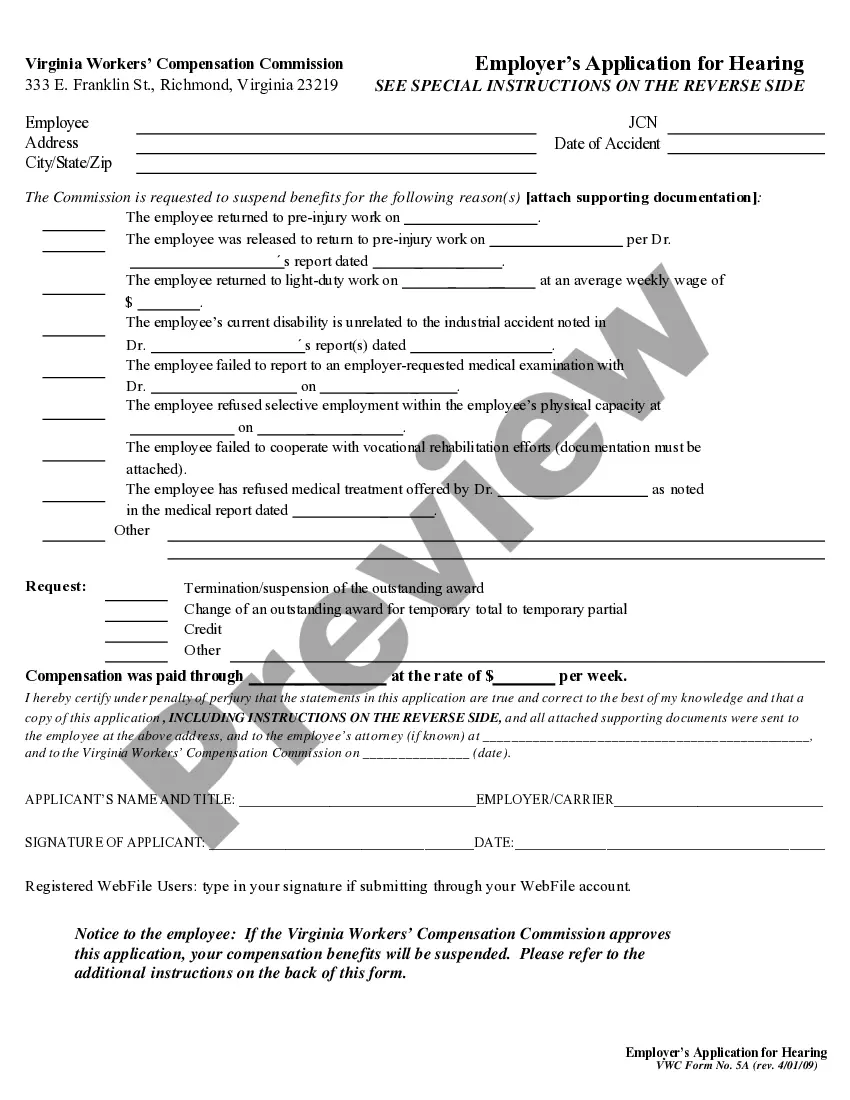
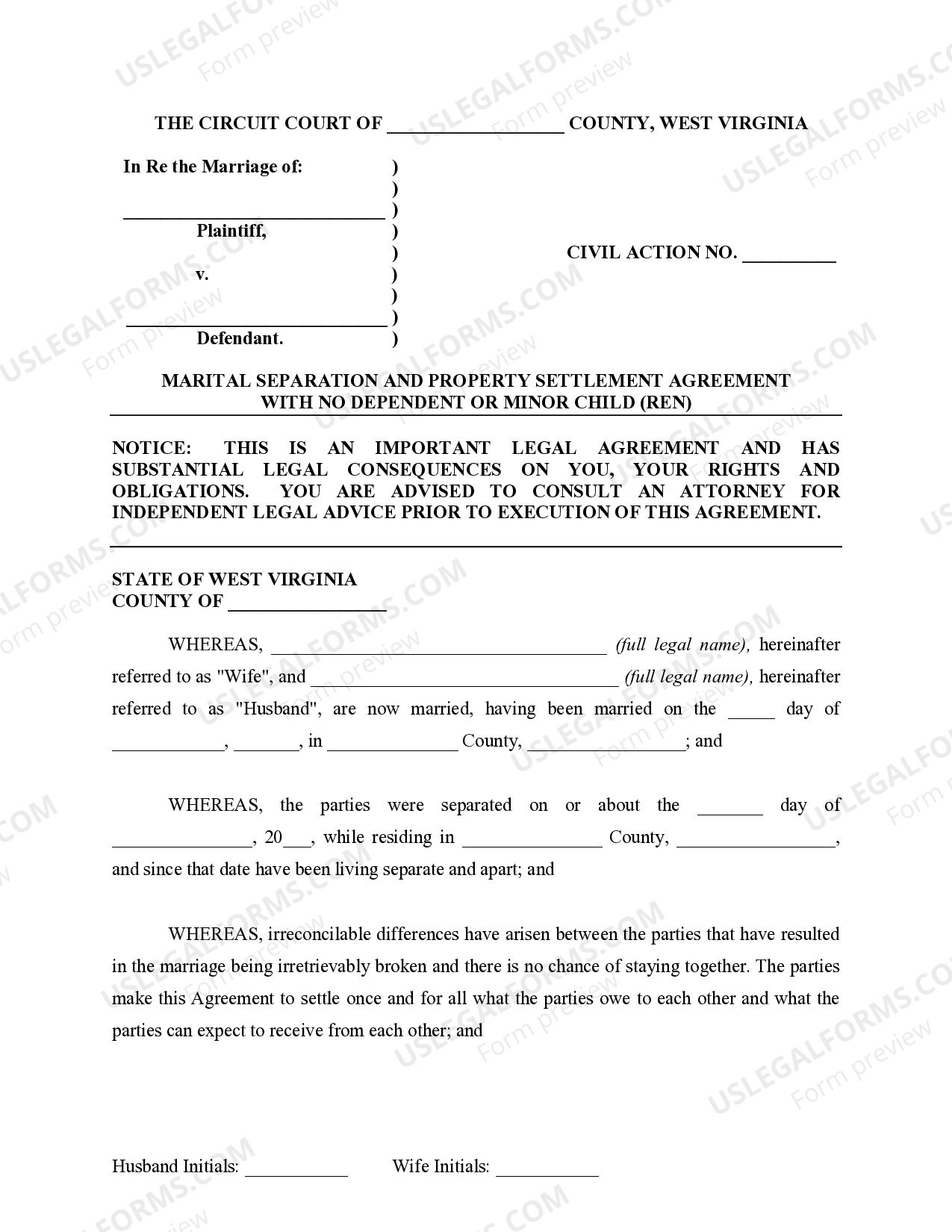
In Virginia, whether workers' compensation benefits are considered marital property depends entirely on the specific purpose of the award: compensation for lost wages or medical expenses accrued during the marriage is generally classified as marital property subject to equitable distribution, whereas compensation for future post-separation earning capacity or permanent bodily disfigurement is typically treated as the injured spouse's separate property.
Navigating a divorce while dealing with an ongoing or past workers' compensation claim introduces complex legal questions, especially under Virginia’s equitable distribution laws. When a workplace injury occurs during a marriage, the financial recovery often represents both past and future losses. Understanding how Virginia courts categorize these funds requires a deep dive into state family law statutes, classification principles, and the distinct components that make up a workers' compensation settlement or award.
Understanding Virginia's Equitable Distribution Framework
Virginia is an equitable distribution state, meaning that upon divorce, the court divides marital property fairly—though not necessarily equally—based on statutory factors outlined in the Code of Virginia § 20-107.3. Before a court can divide property, it must first classify all assets and debts of the parties into one of three categories:
- Marital Property: Generally includes all property titled in the name of either spouse acquired from the date of marriage until the date of separation, as well as any part of a pension, profit-sharing, or retirement plan earned during that timeframe.
- Separate Property: Includes all property acquired by either spouse before the marriage, acquired during the marriage by bequest, devise, descent, survivorship, or gift from a source other than the other spouse. Separate property also includes property acquired after the date of separation.
- Hybrid Property: Property that contains both marital and separate components, such as a retirement account owned before marriage that continued to grow through contributions made during the marriage.
Workers' compensation awards often fall into the category of hybrid property or require a "analytical approach" for proper classification. Because a workers' compensation award is designed to compensate an individual for multiple types of losses—some occurring during the marriage and some extending far beyond the marriage—courts look closely at what the award is actually intended to replace.
The Analytical Approach to Workers' Compensation Awards
Unlike states that apply a strict mechanical rule based solely on when the cause of action accrued or when the money was received, Virginia courts utilize the "analytical approach" to classify personal injury and workers' compensation recoveries. Established through relevant state case law, this approach dictates that the classification of the proceeds depends upon the purpose of the compensation.
Under this method, the court looks beneath the surface of a lump-sum settlement or recurring weekly benefits to determine what specific losses the money is meant to offset. The timing of the injury or the receipt of the funds is a factor, but it is not the sole determining factor.
Marital Components of Workers' Compensation
Portions of a workers' compensation award are classified as marital property if they compensate for losses that occurred during the marriage. These typically include:
- Wage Loss During Marriage: Compensation for lost earnings or earning capacity during the period beginning with the injury and ending on the date of separation.
- Medical Expenses Paid from Marital Funds: Reimbursements for medical bills, hospital stays, or rehabilitation costs that were paid out of joint marital accounts or using marital income.
Separate Components of Workers' Compensation
Conversely, portions of the award that compensate for post-separation losses or non-economic personal impacts are classified as the separate property of the injured spouse. These include:
- Post-Separation Lost Wages: Compensation for earnings or earning capacity lost after the date of final separation.
- Future Medical Expenses: Money designated to pay for medical treatments, surgeries, or long-term care required after the dissolution of the marriage.
- Pain, Suffering, and Disfigurement: Compensation for the physical pain, emotional distress, and permanent bodily scarring or loss of bodily function suffered by the injured worker.
Classification and Distribution of Workers' Compensation Benefits
| Component of Award | Typical Classification in Virginia | Rationale |
|---|---|---|
| Past Wage Loss (During Marriage) | Marital Property | Replaces income that would have contributed to the marital estate during the marriage. |
| Past Medical Expenses (Paid via Marital Funds) | Marital Property | Reimcharges family resources used to pay for injury-related care. |
| Future Wage Loss (Post-Separation) | Separate Property | Replaces post-separation income intended to support the injured spouse after the divorce. |
| Future Medical Expenses (Post-Separation) | Separate Property | Intended to cover future health costs incurred solely by the individual spouse. |
| Permanent Disability / Disfigurement | Separate Property | Compensates for a personal, bodily injury unique to the physical person of the injured spouse. |
The Burden of Proof and Tracing Challenges
In any Virginia divorce proceeding involving a workers' compensation award, the burden of proof rests on the party claiming that the property is separate, or on the party seeking a specific classification of hybrid funds. If a spouse received a lump-sum workers' compensation settlement during the marriage and deposited those funds into a joint bank account where they were commingled with other marital funds, tracing those assets becomes exceptionally difficult.
Under Virginia law, if separate property is commingled with marital property to the point that it loses its identity and can no longer be reliably traced, the entire asset may be transmuted into marital property. Therefore, keeping workers' compensation proceeds in a segregated, individual bank account immediately upon receipt is crucial for preserving their separate property character.
Furthermore, attorneys often rely on expert testimony, vocational assessments, medical records, and the specific language within the workers' compensation settlement agreement or order from the Virginia Workers' Compensation Commission to establish which portion of the award corresponds to lost wages versus permanent disability. If a settlement agreement fails to allocate the funds among different categories, the court may have to make an equitable determination based on available evidence, which introduces uncertainty for both parties.
Impact on Spousal Support and Child Support
Even when a portion of a workers' compensation award is successfully classified as the separate property of the injured spouse, those funds do not exist in a vacuum when calculating financial obligations in a Virginia divorce.
- Spousal Support (Alimony): Under Virginia Code § 20-107.1, the court considers all financial resources of both parties when determining the nature, amount, and duration of spousal support. Even if recurring workers' compensation benefits are deemed separate property, they represent income and financial capacity. A court may look at these ongoing payments when evaluating the paying spouse’s ability to pay support or the receiving spouse’s financial needs.
- Child Support: In calculating child support under Virginia guidelines, gross income includes workers' compensation benefits. Even if a lump-sum settlement or weekly indemnity payment is classified as separate property for equitable distribution purposes, it is generally factored into the gross income calculation for child support obligations.
Common Mistakes and Best Practices
Couples navigating a divorce involving a workers' compensation claim frequently encounter avoidable pitfalls. Recognizing these issues helps protect the legal rights of both the injured worker and the non-injured spouse.
- Failing to Allocate Settlements: Settling a workers' compensation claim for a single lump sum without explicitly breaking down the amounts allocated for past wages, future medical care, and permanent disability makes it significantly harder to argue for a separate property classification in a subsequent divorce.
- Commingling Funds: Depositing a workers' compensation settlement check into a joint checking account used for everyday household expenses often results in transmutation, converting separate funds into marital property.
- Ignoring Tax and Lien Implications: Workers' compensation benefits may be subject to liens from health insurance providers, Medicare, or child support enforcement agencies. These must be accounted for before determining the net distributable value of any award.
- Assuming 50/50 Splits: Because Virginia is an equitable distribution state rather than a community property state, division is based on fairness factors (such as the contributions of each party to the well-being of the family and the circumstances leading to the dissolution of the marriage), not an automatic split.
Frequently Asked Questions
Are workers' compensation lump-sum settlements treated differently than weekly benefits?
The form of the payment—whether a lump sum or weekly indemnity checks—does not change the underlying legal rule in Virginia. The analytical approach applies equally to both. The court still examines what the funds are intended to replace (past wages versus future disability) rather than how the money was paid out.
What happens if the workplace injury occurred before the marriage?
If the workplace injury occurred prior to the marriage, the right to the underlying claim is inherently the separate property of the injured spouse. However, if medical expenses incurred during the marriage were paid out of marital funds, or if marital funds were otherwise depleted due to the injury, a reimbursement claim or marital share may be asserted against the proceeds.
Can a non-injured spouse claim a share of a workers' compensation settlement after separation?
Generally, no. Any portion of a workers' compensation award that compensates for losses sustained after the date of separation (such as future lost earning capacity or post-separation medical needs) is classified as the separate property of the injured spouse and is not subject to equitable distribution.
How does the date of separation affect workers' compensation in Virginia?
The date of separation is the critical legal dividing line in Virginia divorces. Earnings and acquisitions occurring after this date are generally separate property. For workers' compensation, any wage loss compensation covering the period up to the separation date is marital, while compensation covering the period after the separation date is separate.
Do I need a lawyer to handle workers' compensation assets during a divorce?
Because workers' compensation law and family law intersect in complex ways involving forensic accounting, vocational analysis, and statutory interpretation, consulting with an experienced family law attorney in Virginia is strongly advised to protect your financial interests.
Next Actions
If you are facing a divorce in Virginia and either you or your spouse has an active or settled workers' compensation claim, gather all relevant documentation immediately. Collect the formal workers' compensation claim filings, settlement agreements, award orders from the Virginia Workers' Compensation Commission, and bank statements showing how any past proceeds were deposited and spent. Schedule a consultation with a qualified Virginia family law attorney who understands the nuances of hybrid property classification and the analytical approach to ensure your assets and liabilities are accurately represented.