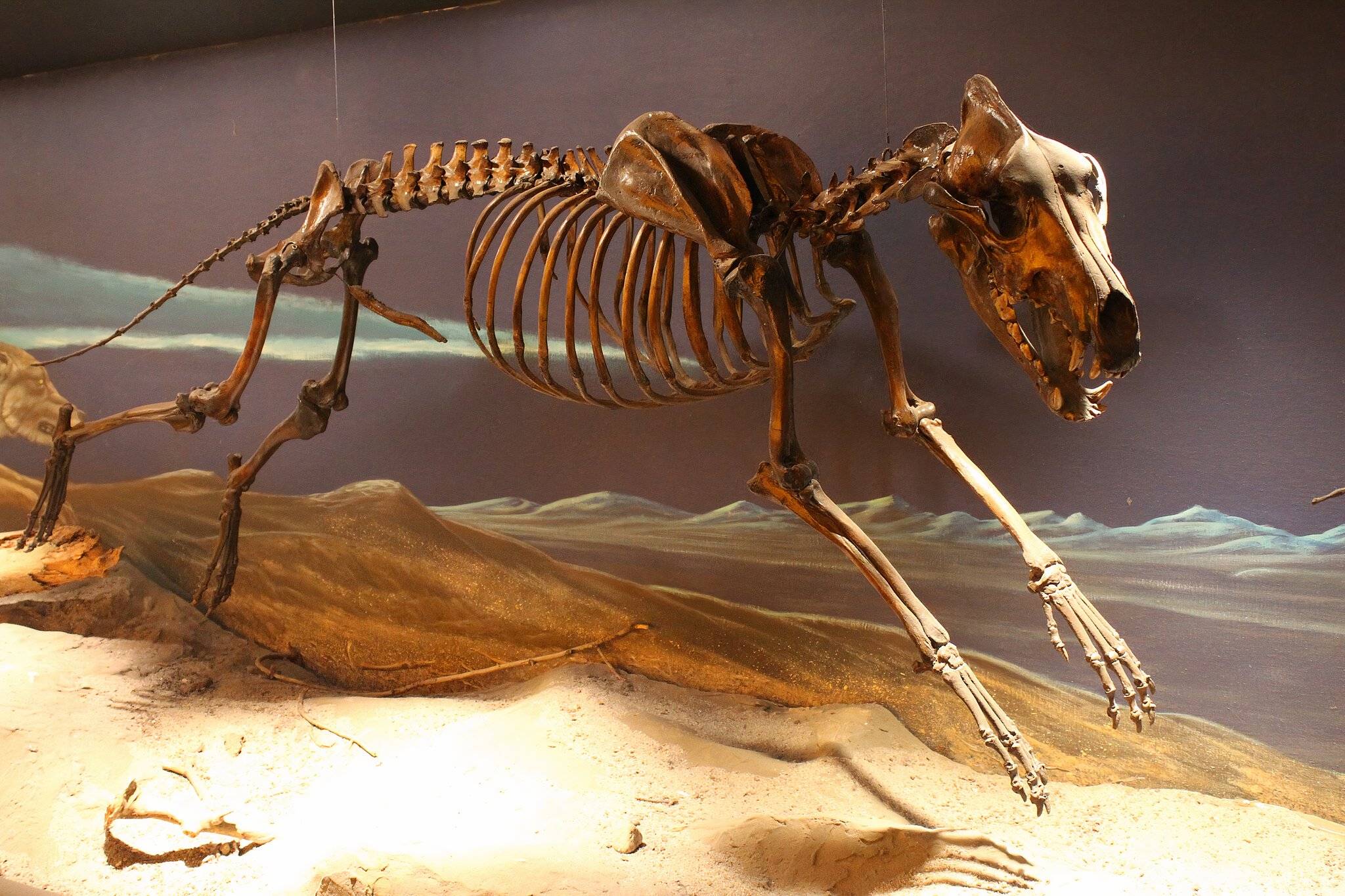
Wolves are extinct as a native, self-sustaining wild species in the United Kingdom, having been completely eradicated centuries ago through systematic hunting and habitat loss. While wild populations no longer roam the British countryside, gray wolves can still be found in captivity within licensed wildlife parks and zoos, and the subject remains a prominent topic in modern ecological debates regarding rewilding and biodiversity restoration.
Historical Context of Wolf Extirpation in the British Isles
Understanding the current absence of wolves in the UK requires examining the historical timeline of their decline. The gray wolf (Canis lupus) was once widespread across the forested landscapes of England, Scotland, Wales, and Ireland, sharing the prehistoric and medieval terrain with other apex predators like the Eurasian lynx and the brown bear. As human populations expanded and agricultural practices evolved, the relationship between humans and apex predators deteriorated rapidly due to livestock predation.
The eradication of wolves from Britain did not happen overnight; it was a prolonged, centuries-long process driven by human intervention, policy, and landscape modification.
- Prehistoric and Roman Eras: Even before formal legislation targeted the species, widespread deforestation reduced the natural habitat available to large mammals, pushing wolves into closer proximity with early farming settlements.
- Anglo-Saxon and Norman Periods: English monarchs and local lords viewed wolves as a direct economic threat to sheep farming and cattle production. Bounties were established, and specialized taxes were occasionally paid in wolf pelts. King Edgar reportedly exacted a tribute of wolf skins from the Welsh kings in the 10th century to reduce their numbers.
- The Final Decline in England and Wales: Wolves became increasingly rare in England and Wales by the late medieval period. While precise extinction dates are debated by historians due to fragmented records, most evidence points to the final English wolves disappearing during the 14th and 15th centuries, driven by intensive trapping, hunting with hounds, and shrinking wilderness areas.
- The Scottish Highlands: Due to the more rugged, densely forested, and isolated terrain of the Scottish Highlands, wolf populations persisted longer there than in the south. Historical accounts and folklore suggest that the last wild wolves in Scotland—and by extension, the mainland UK—were likely killed in the late 17th or early 18th century, with traditional accounts pointing toward events in the late 1600s or around 1743 (such as the legendary killing by Ewen Cameron of Lochiel).
- Ireland: Ireland maintained its own distinct wolf population, which was similarly targeted by government-backed eradication schemes under British rule, notably accelerated by Cromwellian legislation and the introduction of the Irish Wolfhound. The last reliable records of native Irish wolves date to the late 18th century.
Ecological Impact of Wolf Extinction
The removal of the gray wolf from the British ecosystem triggered what ecologists refer to as a trophic cascade—an ecological chain reaction that alters entire ecosystems across multiple trophic levels. Without apex predators to regulate herbivore behavior and population numbers, the British landscape underwent profound changes.
Without natural predators, populations of red deer and roe deer expanded unchecked across Scotland and parts of England and Wales. This overabundance of grazing herbivores has had well-documented consequences for native woodland regeneration:
- Suppression of Tree Growth: High densities of deer browse heavily on young saplings, preventing natural woodland regeneration and keeping vast tracts of the Scottish Highlands in an artificial, treeless state known by ecologists as the "ative woodland deficit."
- Soil Degradation: Overgrazing strips vegetation cover from riverbanks and hillsides, leading to accelerated soil erosion, nutrient runoff, and degraded aquatic habitats for native fish species such as Atlantic salmon.
- Loss of Biodiversity: The simplification of forest structures reduces the microhabitats required by ground-nesting birds, insects, and small mammals, ultimately lowering overall regional biodiversity.
While human culling management (stalking) attempts to replicate the population control functions of apex predators, conservationists argue that human hunters do not replicate the "landscape of fear" effect. In ecosystems with wolves, prey species move constantly to avoid predation, which prevents overbrowsing in sensitive riparian zones and encourages healthier, more vigilant herbivore populations.
Rewilding Debates and the Prospect of Reintroduction
The total extinction of the wolf in the UK has made it a central flashpoint in contemporary conservation science, particularly concerning the modern rewilding movement. Proponents of reintroduction argue that restoring apex predators is essential for repairing degraded ecosystems, while opponents raise significant practical, economic, and social concerns.
| Argument Category | Pro-Reintroduction Arguments | Anti-Reintroduction Arguments |
|---|---|---|
| Ecological Health | Natural regulation of deer populations; stimulation of woodland regeneration; restoration of trophic cascades. | High uncertainty regarding ecosystem response in heavily human-modified landscapes. |
| Agricultural Impact | Potential for long-term reduction in deer browsing damage; co-existence models proven in parts of mainland Europe. | Direct financial threat to sheep farming and livestock production, particularly in extensive hill-farming systems. |
| Public Safety & Culture | Opportunity to restore a complete native ecosystem; boost to eco-tourism in rural economies. | Public safety concerns in areas popular with walkers, hikers, and rural residents. |
| Logistics & Scale | Possibility of fenced reserves or gradual landscape-scale integration. | Insufficient contiguous wilderness in the UK to support viable, genetically diverse wild wolf packs without frequent human intervention. |
Public opinion remains divided. While environmental charities and conservation groups point to successful large carnivore recoveries in continental Europe (such as the return of wolves to parts of France, Germany, and Scandinavia), British farming unions and rural communities frequently express strong opposition, citing the vulnerability of free-roaming livestock in unfenced hill country.
Current Status of Wolves in the UK (Captive Environments)
While wild wolves do not exist in the UK, individuals and researchers study them closely within controlled, captive settings. Several reputable wildlife parks, zoos, and conservation centers maintain gray wolves under strict licensing conditions governed by the Zoo Licensing Act 1981 and relevant animal welfare regulations.
These captive populations serve several purposes:
- Educational Outreach: Allowing the public to observe the physical characteristics and social behavior of wolves firsthand, helping to dispel historical myths and foster informed discussions on wildlife conservation.
- Behavioral Research: Providing ethologists with opportunities to study pack dynamics, communication, and dietary requirements in secure environments.
- Conservation Awareness: Acting as ambassadors for their wild counterparts, raising funds and support for habitat protection projects both in the UK and internationally.
Captive wolves in the UK are housed in large, secure enclosures designed to meet rigorous welfare standards, including complex terrain, dens, and enrichment programs. They are not part of an active, government-backed release program, and current UK government policy does not include plans to reintroduce wolves into the wild.
Frequently Asked Questions
Are there any wild wolf sightings in the UK?
There are no verified wild wolf populations or established packs living in the UK. Occasional media reports or unverified rumors of wolf sightings in remote parts of Scotland or England typically turn out to be large domestic dogs, escaped wolf-dog hybrids, or misidentified feral animals. Any genuine gray wolf discovered outside of a licensed wildlife collection would be investigated by authorities and captured.
When did the last wild wolf die in Britain?
The exact date varies by region due to regional extinction timelines. The last wolves in England and Wales were eliminated by the 15th century. In Scotland, historical consensus points to the final wild wolves being killed around the late 17th century or the early decades of the 18th century, with traditional accounts citing events up to approximately 1743.
Is there an official plan to reintroduce wolves to Scotland or England?
No. While independent conservation organizations and rewilding advocates frequently model and debate the feasibility of carnivore reintroductions, there is no government-sponsored program or legislative roadmap to release wolves into the British countryside. Any future reintroduction would require extensive public consultation, landowner agreements, and formal regulatory approval.
Can individuals keep wolves as pets in the UK?
Keeping a pure gray wolf as a private pet is strictly regulated and effectively prohibited for standard pet owners. Under the Dangerous Wild Animals Act 1976, anyone wishing to keep a dangerous wild animal must obtain a license from their local authority, which requires meeting exceptionally stringent security, veterinary, and welfare standards. Wolf-dog hybrids may also fall under specific legal classifications depending on their generational distance from wild stock and local planning policies.
What is being done instead of wolf reintroduction to manage deer numbers?
In the absence of apex predators like wolves and lynx, British woodland and estate managers rely on managed deer stalking and culling to control population sizes. Government agencies, such as NatureScot and Forestry England, work with landowners to set culling quotas, protect vulnerable woodland plots with fencing, and monitor deer health to prevent overpopulation and environmental degradation.
Practical Next Actions for Conservation Supporters
For individuals interested in supporting British biodiversity and exploring the science behind apex predators and rewilding, several constructive steps can be taken:
- Support established conservation charities working on habitat restoration, native woodland expansion, and sustainable land management across England, Scotland, Wales, and Northern Ireland.
- Visit accredited wildlife parks and zoological institutions that house captive wolves to learn about their biology, social structures, and the broader challenges facing large carnivores globally.
- Engage with public consultations and educational seminars hosted by environmental organizations examining land-use policies and ecosystem management in the UK.