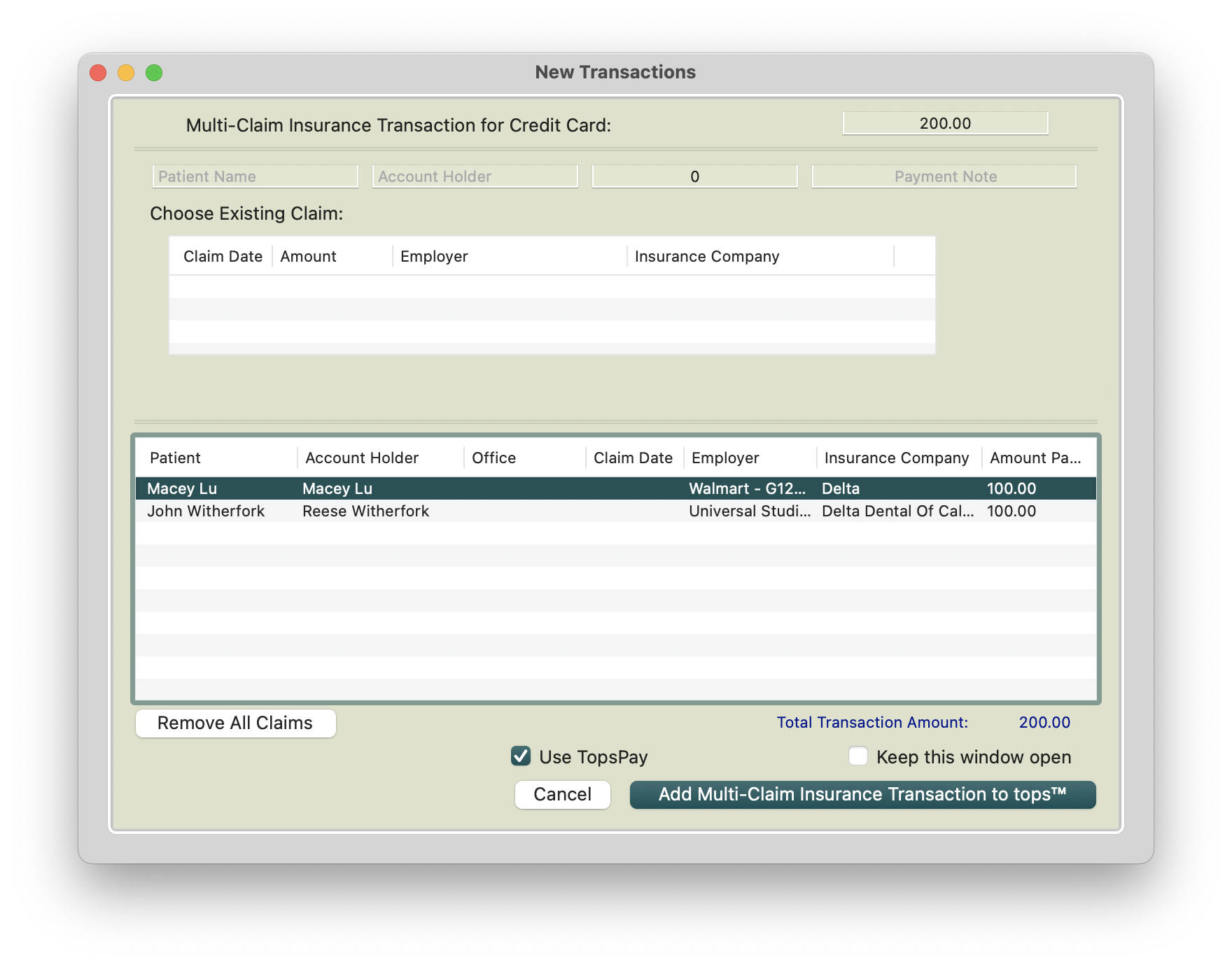
Paying for life insurance premiums using a credit card is possible, but it is not a universal standard across the industry. While many major carriers have integrated digital payment processing into their billing systems, others maintain strict policies that limit payment methods to bank drafts, checking accounts, or automated clearing house (ACH) transfers. Whether you can use your credit card depends primarily on the specific insurer’s internal financial policies, the type of policy you hold, and the state regulations governing insurance transactions.
Understanding the Financial Mechanics of Insurance Billing
Life insurance companies operate on a business model that relies on long-term stability and predictable cash flows. For many years, the industry standard was to require direct bank account debits, such as ACH or electronic funds transfer (EFT). The primary motivation for this is the reduction of transaction fees. Every time a consumer swipes a credit card or enters their card details online, the insurance company incurs a merchant processing fee—typically ranging from 1.5% to 3.5% of the transaction amount.
Because life insurance profit margins are tightly managed, these processing fees represent a significant "leak" in revenue if applied to every policyholder. Furthermore, credit cards introduce the risk of "chargebacks" and failed payments due to expired cards or reached credit limits. From an insurer's perspective, a lapsed policy caused by an expired card is an administrative headache that can lead to unintended coverage termination. Consequently, some companies discourage credit card payments entirely, while others allow them only for initial payments or under specific circumstances.
Why Insurers Limit Credit Card Payments
Beyond transaction fees, the regulatory environment plays a role in how insurance companies handle payments. Some states have regulations that impact how premiums are collected, and insurers often standardize their payment policies across their entire national footprint to remain compliant with the strictest jurisdiction.
Another factor is the nature of the policy. Term life insurance, which is generally more affordable and often purchased online, is more likely to offer flexible payment options, including credit cards, to lower the barrier to entry. Conversely, whole life or universal life insurance policies—which often feature high annual premiums and a "cash value" component—are more frequently linked to dedicated bank accounts. In these cases, the insurance company treats the policy as a long-term financial instrument, viewing bank transfers as a more secure, permanent link to the policyholder’s financial life.
How to Determine if Your Carrier Accepts Credit Cards
If you are currently shopping for life insurance or looking to update your payment method, follow these steps to verify if your specific company supports credit card transactions:
- Check the Official Online Portal: Most modern insurance carriers provide a secure online dashboard. Log into your account and navigate to the "Billing" or "Payment Information" section. If credit cards are an accepted form of payment, you will see a field to enter a Visa, Mastercard, American Express, or Discover card number.
- Review the Application Documents: If you are in the underwriting phase, the application form will list the acceptable payment methods for your initial premium. If only "Voided Check" or "Bank Routing Number" is requested, the carrier likely does not accept cards.
- Call the Customer Service Department: Phone representatives are the most reliable source of information. Ask specifically: "Do you accept credit cards for recurring premium payments, or only for the first payment?"
- Inquire About "Convenience Fees": Occasionally, an insurer might allow credit card payments but charge an additional "convenience fee" to offset the merchant processing cost. Always ask if there is an extra cost associated with using a card.
Comparison of Payment Methods for Life Insurance
| Payment Method | Typical Acceptance | Pros | Cons |
|---|---|---|---|
| ACH/Direct Debit | Universal | Reliable, zero fees, prevents lapses | Requires sharing banking data |
| Credit Card | Selective | Earn rewards points, payment flexibility | May incur fees, risk of card expiry |
| Personal Check | Common | Traditional, easy to track | Slow, postage required, manual |
| Digital Wallet | Emerging | High security, fast | Limited availability by carrier |
The "First Payment vs. Ongoing Payment" Distinction
It is critical to distinguish between the initial premium and recurring premiums. Many insurance companies that prohibit recurring credit card payments will make an exception for the very first payment (the "binder"). By accepting a credit card during the application process, the insurer can instantly verify that you have the funds available, which helps them process your application faster. Once the policy is officially issued, however, the company may transition your account to a standard bank-based billing cycle for the remainder of the policy term.
If your primary goal in using a credit card is to earn points or miles, be aware that you might only get to use the card for the first month or year of the policy. Always clarify with the insurance agent whether the card payment method is a one-time setup or a permanent billing arrangement.
Risks of Relying on Credit Cards for Insurance
Relying on a credit card for recurring insurance payments introduces the risk of unintentional policy lapse. If your credit card is lost, stolen, or expires, and you forget to update the payment information with your insurance carrier, your policy could enter a "grace period." If the premium is not paid within the grace period—usually 30 to 31 days—your coverage will terminate.
Because bank accounts are generally more stable than credit card accounts, insurance companies prefer them to ensure that life insurance remains in force. If you are determined to pay by credit card, ensure you have set up payment alerts for your card expiration date and that you have an alternative payment method linked to your insurance account as a backup.
Alternatives if Your Insurer Does Not Accept Cards
If you find that your chosen insurer does not accept credit card payments, there are several "workarounds" that savvy consumers use to achieve the same result:
- Credit Card "Check" Services: Some credit card issuers allow you to request "convenience checks" against your credit card balance. You can write these checks to your insurance provider. Note that these are usually treated as cash advances, which often carry higher interest rates and lack the grace period associated with standard purchases.
- Bill Pay Through Your Bank: While you cannot pay the insurance company directly with a card in this way, you can sometimes use your credit card to fund a digital wallet or a secondary account that acts as the source for your bank's bill-pay feature.
- Third-Party Payment Services: Occasionally, services exist that allow you to pay bills using a credit card for a percentage-based fee. However, evaluate these carefully; the fee often outweighs the value of the rewards points you might earn.
Frequently Asked Questions
Can I earn credit card rewards points by paying for life insurance? Yes, if your insurance carrier accepts credit card payments, you can earn rewards, cash back, or travel points. However, ensure that the transaction does not trigger a "cash advance" fee from your card issuer, which would negate any benefits.
What happens if my credit card payment is declined? If a payment is declined, the insurance company will typically send a notice of non-payment. You will usually have a grace period to provide an alternative payment method. If you fail to resolve the payment during this window, your policy will lapse, and you may need to go through the underwriting process again to reinstate it.
Is it safer to pay by check or credit card? From a security standpoint, both methods have merits. Credit cards offer better consumer protections against fraud, while bank drafts are generally more reliable for ensuring the payment arrives on time, which is critical for maintaining insurance coverage.
Are there extra fees for paying life insurance with a credit card? Some carriers pass on the merchant processing fee to the policyholder. Always ask the insurer if there is a surcharge for credit card payments. If a surcharge exists, compare it against the value of the rewards points you expect to earn to see if the payment method remains cost-effective.
Can I switch my payment method later? Yes, most insurers allow you to update your billing information at any time via their customer portal or by calling their billing department. If you decide that paying by credit card is becoming too difficult or expensive, you can switch back to an ACH bank draft easily.
Do all insurance carriers have the same rules? No. Payment policies are set by individual companies. A large, national carrier may have the technology to process credit cards, while a smaller, regional mutual insurance company may lack the infrastructure or choose not to absorb the associated transaction costs.
Final Recommendation
Before committing to a policy based on the ability to pay via credit card, contact the company's billing department. If credit card payment is essential to your financial strategy, prioritize carriers that explicitly state they accept credit cards for recurring premiums. For most policyholders, the most secure path to maintaining lifelong coverage is to set up an automated bank draft (ACH) and use a credit card for other, more flexible monthly expenses. Always ensure your primary goal—maintaining consistent and uninterrupted insurance coverage—is never compromised by the administrative difficulties of a secondary payment method.