If your insurance company cancels your auto policy, you are generally covered only until the effective date of the cancellation specified in the official notice. After that date, you are legally uninsured, which exposes you to significant financial liability and potential legal penalties. You must secure a new policy immediately to maintain continuous coverage and satisfy state financial responsibility requirements.
Understanding Policy Cancellation vs. Non-Renewal
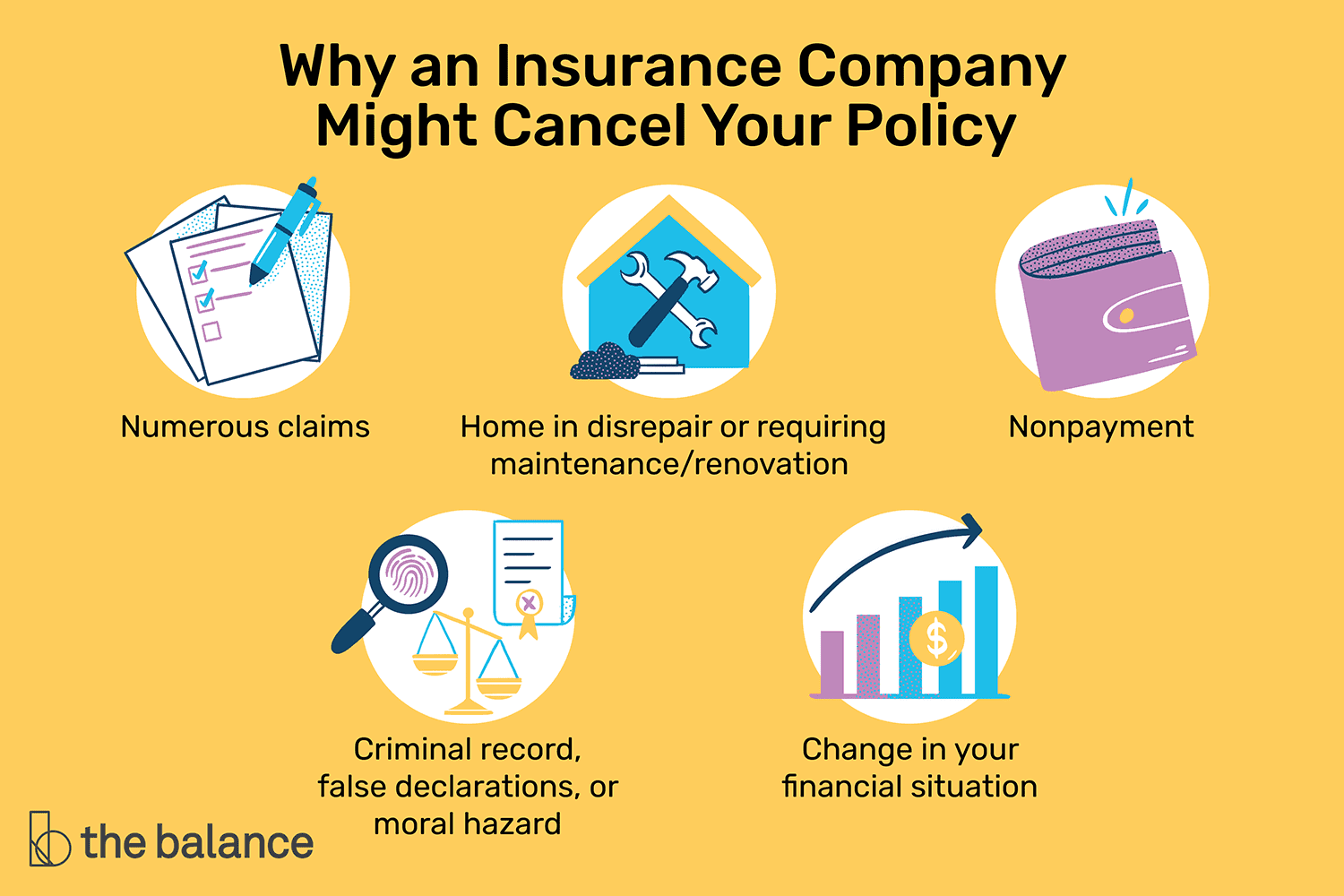
It is vital to distinguish between a cancellation and a non-renewal, as these terms carry different legal implications and notice requirements. A cancellation occurs when your insurer terminates your policy before the end of the current term. Insurers can generally cancel a policy during the term only for specific, state-regulated reasons, such as non-payment of premiums, material misrepresentation on your application, or the suspension or revocation of your driver’s license.
In contrast, a non-renewal happens at the end of your policy term. In this scenario, the insurer chooses not to offer you a new contract for the subsequent period. While insurers have more flexibility to non-renew compared to cancelling mid-term, they are still required to provide advance notice—typically 30 to 60 days, depending on your state’s regulations. In neither case are you covered after the effective date stated in the insurer's formal letter.
The Dangers of a Lapse in Coverage
When your policy expires or is cancelled, any gap in coverage—known as a lapse—creates immediate risks. If you drive during this period, you are doing so without liability insurance. If you are involved in an accident, you will be personally responsible for all damages, including medical bills for injured parties, property damage, and legal defense costs.
Beyond personal liability, states mandate continuous auto insurance for all registered vehicles. A lapse can result in:
- Registration Suspension: The Department of Motor Vehicles (DMV) may automatically suspend your vehicle registration upon being notified of the cancellation.
- Fines and Fees: Many jurisdictions impose escalating fines for every day your vehicle remains uninsured.
- Higher Future Premiums: Insurers view a lapse in coverage as a high-risk indicator. When you eventually secure a new policy, you will likely be classified as a "high-risk" driver, leading to significantly higher premiums for several years.
Verification of Your Policy Status
Never assume you are covered based on a verbal conversation with an agent or a lack of recent mail. Always rely on formal written documentation. If you suspect your policy may be at risk, you should:
- Check Your Mail and Digital Portal: Insurers are legally required to send a formal Notice of Cancellation via certified mail or electronic delivery. This notice will state the specific reason for cancellation and the exact date and time the coverage ends.
- Contact Your Provider: Call your insurance company directly to verify the status. Request written confirmation if they indicate a cancellation is pending or has already occurred.
- Review State Records: In many states, your insurer is required by law to report cancellations directly to the state’s DMV. Check your status through your state’s official transportation website to see if your vehicle registration is still marked as active.
Steps to Take If Your Policy Is Cancelled
If you have received a cancellation notice, your priority must be to secure new coverage before the existing policy terminates. Delaying this process makes it more difficult to obtain an affordable quote, as insurers ask about your "prior insurance history" during the underwriting process.
Table: Comparison of Cancellation Scenarios and Requirements
| Factor | Mid-Term Cancellation | Policy Non-Renewal |
|---|---|---|
| Notice Period | State-mandated (often 10-30 days) | State-mandated (often 30-60 days) |
| Core Reason | Non-payment, fraud, license loss | Risk profile change, underwriting shifts |
| Your Immediate Task | Secure new coverage before cutoff | Secure new coverage before expiry |
| Impact on Premium | High risk, likely higher rates | Moderate risk, dependent on history |
Seeking New Coverage
When applying for a new policy after a cancellation, you must be honest about why your previous policy ended. If you lie on an application, the new insurer can deny future claims or rescind your policy entirely for material misrepresentation. If you were cancelled due to a high number of claims or accidents, you may need to look into "non-standard" or "high-risk" insurance providers. While these options are more expensive, they ensure you remain compliant with state law and protected from total financial ruin in the event of an accident.
What to Do If You Believe a Cancellation Was Unfair
In some instances, you may feel that your insurer cancelled your policy in error or for an invalid reason. State insurance regulators, typically the Department of Insurance (DOI) in your state, oversee the conduct of insurance companies. If you believe your policy was cancelled in violation of state law—for example, if you paid your premium on time but the company claims you did not—you have the right to file an official complaint.
While your appeal is being processed, you must still prioritize finding alternative insurance. Do not rely on the outcome of a complaint to keep your car covered; if the appeal is denied or delayed, you will still be responsible for any damages incurred while driving without insurance.
Financial and Legal Considerations
Driving without insurance is not merely a bureaucratic issue; it is a significant financial risk. The cost of a single major accident can easily exceed your liquid assets, leading to garnishment of wages or the loss of property. Even if you do not drive your car, simply owning a registered vehicle without insurance can lead to administrative penalties. If you intend to take your car off the road, you must surrender your license plates to your local DMV office to officially cancel your registration and avoid fines for an uninsured vehicle.
Frequently Asked Questions
Does a grace period exist after the cancellation date? No. There is no federally or state-mandated grace period for auto insurance. Coverage ends at the precise date and time indicated on the notice. Any accident occurring one minute after that time is an uninsured event.
Will a new insurance company find out my policy was cancelled? Yes. When you apply for new insurance, the provider will review your C.L.U.E. (Comprehensive Loss Underwriting Exchange) report and other databases that track your insurance history. They will see the cancellation and the reason for it.
Can I get back on my old policy if I pay the balance? It depends on the company and the reason for cancellation. If the cancellation was for non-payment, some insurers may "reinstate" your policy if you pay the full balance plus any reinstatement fees within a very short window. However, this is at the company's discretion, not a legal requirement.
What is the difference between lapse and cancellation? A cancellation is the act of ending the policy. A lapse is the period of time—ranging from a few days to years—where you are without an active, effective insurance policy.
How do I find high-risk insurance if regular companies turn me down? Most states have an "Automobile Insurance Plan" or "Assigned Risk Plan." These are programs of last resort that ensure all drivers can get basic liability coverage if they have been turned away by private insurers. Contact your state’s Department of Insurance to find the contact information for your state’s plan.
Recommended Next Actions
If you are currently facing a cancellation notice, act immediately to prevent a coverage gap. Your first step should be to use a licensed insurance broker or independent agent who can pull quotes from multiple carriers, including those specializing in non-standard insurance.
Ensure you have your prior policy documents available, including the date of cancellation and the reason, as this will help the agent find the right carrier for your situation. Do not leave your vehicle parked on the street or in a public area without insurance, as even a parked car can be involved in an incident or cited by local authorities for lacking active coverage. If you are struggling to find a standard provider, inquire about the "Assigned Risk" options available in your specific state.