Yes, you are legally and financially permitted to hold multiple life insurance policies simultaneously. There is no federal or state law that limits the number of life insurance policies an individual can own. In fact, many individuals intentionally layer different types of policies to create a comprehensive safety net that addresses various financial obligations, such as mortgage protection, income replacement, and estate tax planning.
The Mechanism of Multiple Policies
Holding multiple life insurance policies is a common practice among savvy financial planners. Insurance companies are generally indifferent to whether you hold other policies, provided the total amount of coverage does not exceed your "insurable interest." Insurable interest is a fundamental principle in the insurance industry; it dictates that you cannot insure a life for an amount that exceeds the financial loss that would be suffered upon that person's death.
For instance, if you have a policy through your employer and decide to purchase a private term life insurance policy, the secondary insurer will ask for details regarding your existing coverage. This is not to restrict your right to buy the policy, but to perform an underwriting assessment. The insurer wants to ensure that the total death benefit across all policies is reasonably aligned with your income, debt levels, and the financial dependency of your beneficiaries.
Reasons to Carry More Than One Policy
There are several strategic reasons why someone might choose to maintain two or more insurance contracts rather than consolidating them into a single, high-value policy.
1. Addressing Specific Financial Goals
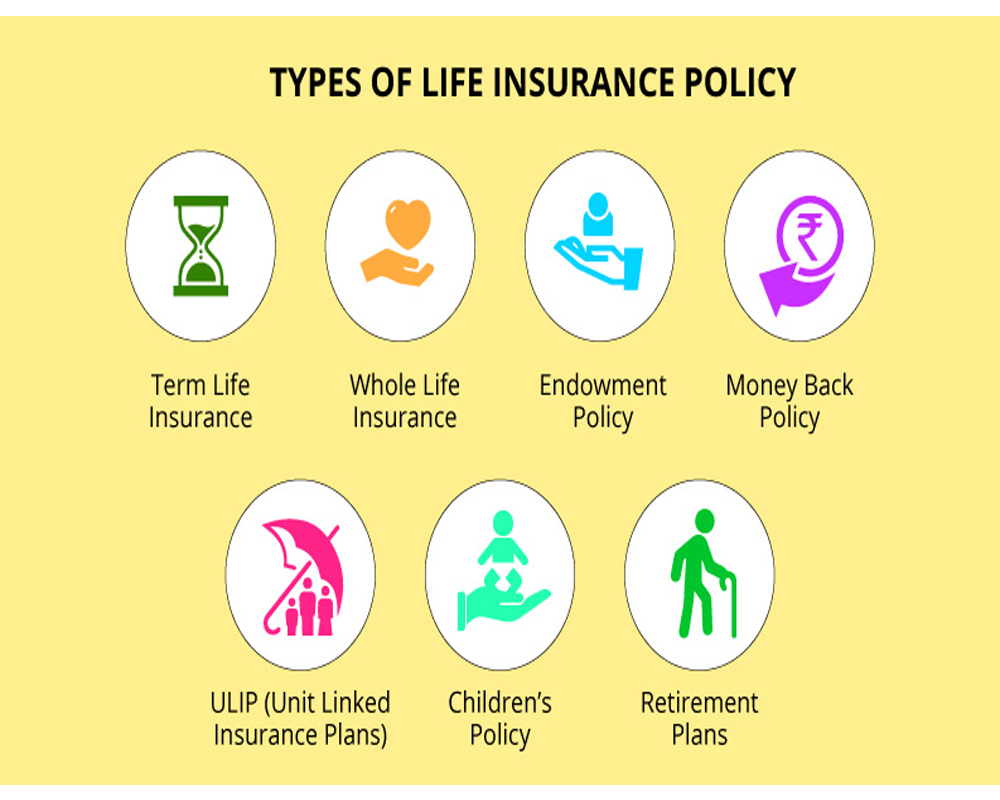
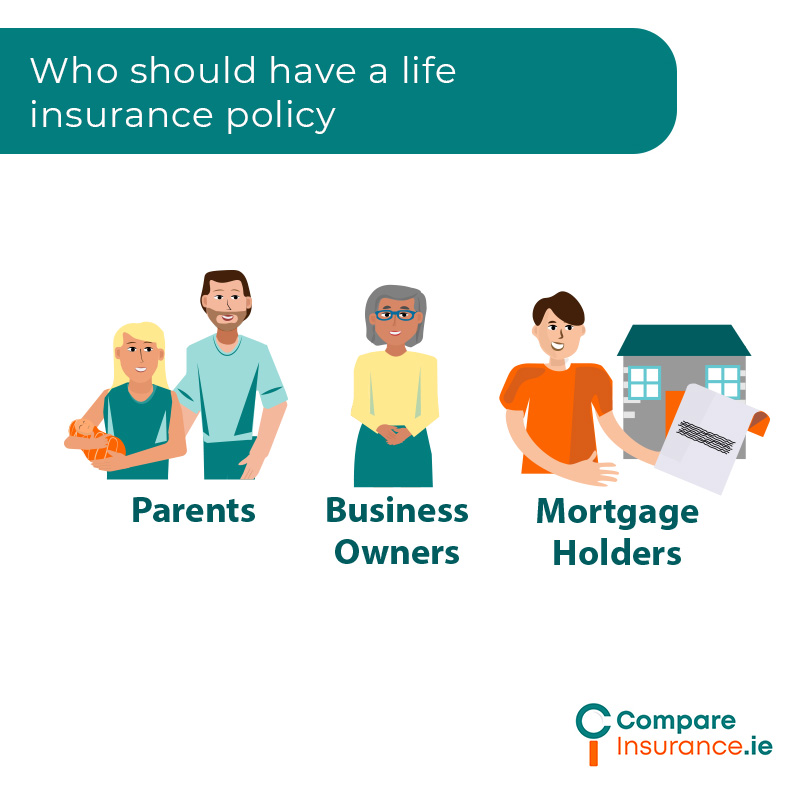
Often, one policy is intended for a specific purpose while another serves a broader need. For example, you might have a 15-year term policy specifically to cover the remaining balance of your mortgage. Simultaneously, you may hold a permanent (whole life) policy to provide for funeral expenses, legacy planning, or to build cash value. By separating these, you gain flexibility: you can let the mortgage-specific term policy expire once the debt is paid off, while keeping the permanent policy active for your lifetime.
2. Employer-Sponsored vs. Private Coverage
Many employees receive basic life insurance as part of their benefits package. While convenient, these policies often have two major drawbacks: the coverage amount is frequently insufficient for a family's needs, and the coverage is typically non-transferable if you leave the company. By maintaining a private, portable policy alongside your workplace coverage, you ensure continuous protection regardless of your employment status.
3. Laddering Strategy
The "laddering" strategy involves purchasing multiple term policies with different expiration dates. You might buy a 10-year policy, a 20-year policy, and a 30-year policy. As your children grow older or your debts decrease, your insurance needs may decline. As each policy reaches its end date, your total coverage naturally reduces, allowing you to pay only for the coverage you actually need at different stages of your life.
The Underwriting Process for Additional Coverage
When you apply for a second or third life insurance policy, the underwriting process remains largely similar to your initial experience. You will be required to disclose all existing life insurance coverage on your application. Transparency during this phase is critical.
Insurers use a central database—such as the Medical Information Bureau (MIB)—to verify information provided by applicants. If you omit existing policies on your application, it could be flagged as a material misrepresentation. In the worst-case scenario, this could lead to the denial of a claim by your beneficiaries after your death, or the rescission of the policy while you are still alive.
The underwriting review will examine:
- Total Coverage Amount: Is the aggregate death benefit proportional to your human life value?
- Financial Stability: Do you have the income to support the premiums for multiple policies?
- Health Status: Have your health markers changed since your first policy was issued?
Comparison of Policy Types and Benefits
| Policy Type | Primary Purpose | Flexibility | Cost Structure |
|---|---|---|---|
| Term Life | Temporary needs (debts/kids) | High (fixed terms) | Lowest premiums |
| Whole Life | Lifelong protection | Low (locked in) | Level, higher premiums |
| Universal Life | Flexible protection | High (adjust premiums) | Adjustable premiums |
| Group (Employer) | Supplemental benefit | Very Low (tied to job) | Often free or low cost |
Potential Drawbacks and Considerations
While owning multiple policies is permitted, it is not always the most efficient path. Before securing a second policy, consider the following potential downsides:
- Increased Administrative Burden: Managing multiple premiums, policy anniversary dates, and beneficiary updates requires more organization. Missing a premium payment on a secondary policy could lead to unintended lapse.
- Higher Total Premiums: Every policy carries its own administrative load, which is baked into your premiums. In some cases, increasing your coverage on a single existing policy—if the insurer allows it—might be more cost-effective than buying a new, separate policy due to economies of scale.
- Medical Requirements: If your health has declined since you purchased your first policy, getting a second policy might be more expensive. You will be rated based on your current age and health, not the favorable status you enjoyed when you were younger.
Strategic Coordination of Benefits
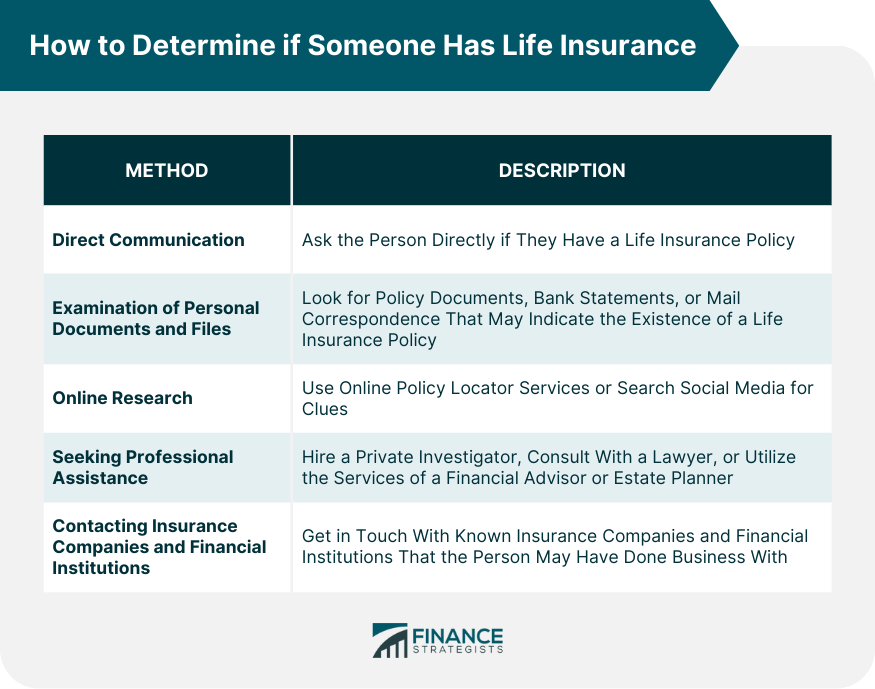
If you decide to hold multiple policies, coordination is essential for your beneficiaries. When the time comes to file a claim, your loved ones must know exactly how many policies exist and where the documentation is located.
- Centralize Records: Maintain a digital or physical "life insurance file" that lists all active policies, policy numbers, insurance carrier contact information, and death benefit amounts.
- Review Beneficiaries: Ensure that the beneficiaries for each policy are updated. It is common for people to update the beneficiary on a new policy but forget to change the designation on an older one, which can lead to legal disputes or unintended distribution of assets.
- Periodic Audits: Every 3 to 5 years, or whenever a major life event occurs (marriage, divorce, birth of a child, purchase of a home), review your total coverage. Determine if your combined policies still meet your family’s needs or if they are now excessive.
Frequently Asked Questions
Does having multiple life insurance policies make it harder to file a claim? No. Each insurance company operates independently. Your beneficiaries will file a separate claim for each policy, providing the death certificate to each respective insurer. The existence of other policies does not complicate or delay the processing of claims for individual contracts.
Can I have too much life insurance? Technically, yes. While you can hold multiple policies, insurers will cap the total death benefit based on your financial situation. If you attempt to purchase coverage that is wildly out of sync with your income and net worth, the application will likely be declined due to "over-insurance."
Should I cancel my old policy when I buy a new one? Not necessarily. Your older policy might have lower premiums because it was purchased when you were younger or in better health. Furthermore, older policies may contain "grandfathered" features or higher guaranteed interest rates that are no longer available in modern products. Compare the costs and benefits thoroughly before canceling any existing coverage.
Will the death benefit from one policy be taxed if I have multiple policies? Generally, life insurance death benefits are income-tax-free, regardless of how many policies you own. However, if your total estate exceeds the federal estate tax exemption limit, the death benefits could potentially be included in the taxable value of your estate. Consult a tax professional or estate planner if your total coverage puts your net worth near these thresholds.
Can I combine all my insurance into one big policy? Often, yes. You might be able to request an increase in coverage on an existing policy (a process known as a "rider" or "policy increase") or purchase a new policy and let the old one expire. This is usually simpler to manage, but it is not always cheaper. Always request a quote for increasing your existing coverage versus buying a new, separate policy to compare the total costs.
Next Steps for Your Strategy
If you are currently evaluating whether to add a second policy to your portfolio, start by conducting a thorough "needs analysis." Calculate your total current debt, the future cost of your children’s education, and the amount of income your family would need to maintain their standard of living for a specific number of years.
Subtract your current assets and the death benefit of your existing life insurance policy from that total. If there is a significant gap, adding another policy is a sound financial move. Before signing a new contract, contact your current insurer to see if you can increase your existing coverage. If the cost is higher or the terms are less favorable than a new policy from a reputable carrier, proceed with the new application, ensuring you accurately disclose your existing coverage to maintain the integrity of your financial safety net.