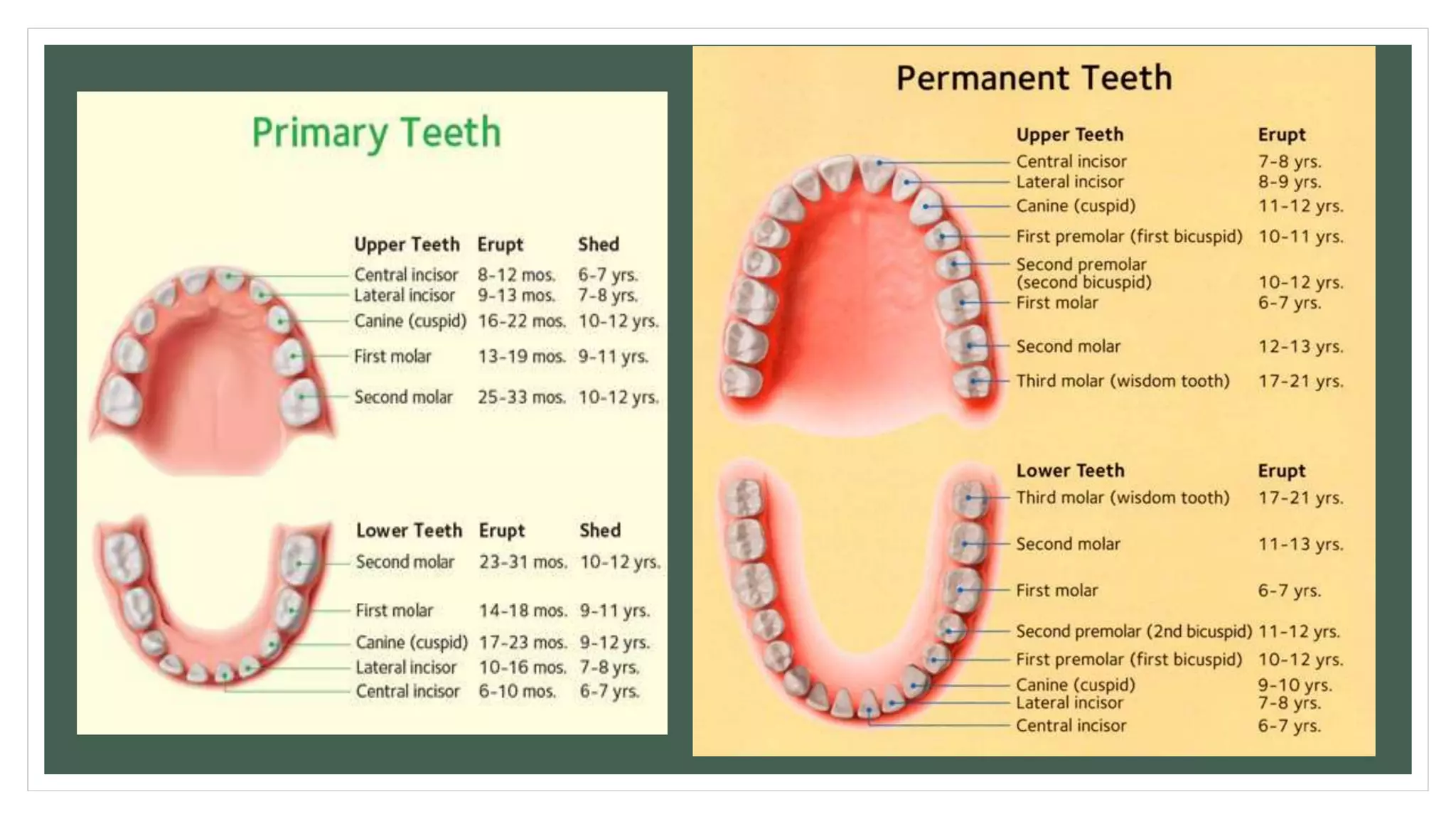
Yellow teeth are not necessarily permanent, though the ability to change their color depends heavily on the underlying cause of the discoloration. While many common surface stains caused by lifestyle habits can be effectively reversed through professional dental treatments or consistent hygiene, intrinsic changes to the tooth structure—such as those resulting from aging, certain medications, or developmental conditions—often require more complex restorative interventions to alter their appearance.
Distinguishing Between Extrinsic and Intrinsic Discoloration
To determine if yellowing is reversible, one must first identify whether the staining is extrinsic or intrinsic. These two categories represent fundamentally different biological processes occurring within the tooth.
Extrinsic staining occurs on the outer surface of the tooth, specifically within the pellicle, a thin layer of protein that coats the enamel. This type of yellowing is typically caused by the accumulation of pigments from external sources. Common culprits include the frequent consumption of coffee, black tea, red wine, dark-colored berries, and the use of tobacco products. Because these stains reside on the surface, they are generally considered temporary and highly responsive to mechanical cleaning and chemical whitening agents.
Intrinsic staining, conversely, occurs deep within the tooth structure, involving the dentin—the layer beneath the enamel. As teeth age, the enamel gradually thins, exposing more of the naturally yellow dentin beneath. Additionally, the dentin itself can darken over time due to systemic factors. Because this discoloration is embedded within the tooth’s internal matrix, it cannot be removed through surface brushing or standard over-the-counter whitening pastes. Understanding this distinction is the first step toward managing expectations for dental aesthetics.
The Role of Enamel Density and Aging
The human tooth is composed of three primary layers: the outermost enamel, the underlying dentin, and the central pulp. Enamel is a translucent, highly mineralized substance that acts as a protective shell. Dentin is naturally yellowish in color and is significantly less dense than enamel.
As a natural part of the aging process, enamel gradually undergoes demineralization and mechanical wear. This reduction in enamel thickness allows the darker, yellower dentin to become more visible. Furthermore, secondary dentin begins to form inside the pulp chamber as a protective response, which can also contribute to a darker overall appearance of the tooth. Because this is a structural change related to the physiology of the tooth, it is not "reversible" in the sense of restoring the enamel to its youthful thickness. However, the visible yellowness can be masked or neutralized through various cosmetic dentistry procedures, effectively changing the perceived color of the tooth even if the structural change remains.
Common Causes of Persistent Yellowing
Several factors can lead to yellowing that is resistant to standard dental hygiene routines. Recognizing these causes helps in determining the most effective course of action:
- Fluorosis: Excessive intake of fluoride during the developmental years of childhood can cause fluorosis, which manifests as discolored or spotted enamel. These stains are intrinsic and usually require cosmetic dentistry to correct.
- Tetracycline Exposure: Exposure to tetracycline antibiotics while teeth are still forming in the womb or during early childhood can result in permanent gray or yellowish-brown staining. These stains are notoriously difficult to treat with conventional whitening.
- Dental Trauma: An injury to the tooth can cause the pulp to die or hemorrhage, leading to a darkening of the tooth from the inside out. If the tooth turns yellow or gray following an impact, it indicates internal damage that usually requires endodontic evaluation.
- Poor Oral Hygiene: Inadequate brushing and flossing allow plaque and tartar to build up. Tartar (calculus) is calcified plaque that is often yellow or brown and cannot be removed by home brushing; it requires professional scaling by a dentist or hygienist.
Comparing Treatment Modalities
When seeking to address yellowing, patients often choose between home-based products and professional dental interventions. The efficacy of these methods varies based on the type of staining involved.
| Treatment Type | Primary Mechanism | Best For | Typical Durability |
|---|---|---|---|
| Professional Scaling | Mechanical removal | Tartar/Plaque buildup | Until next accumulation |
| Whitening Strips | Chemical bleaching | Surface enamel stains | 6–12 months |
| Dentist-Led Bleaching | High-concentration peroxide | Moderate intrinsic stains | 1–3 years |
| Porcelain Veneers | Porcelain coverage | Severe intrinsic stains | 10–20 years |
| Dental Bonding | Composite resin coating | Minor chips/discoloration | 5–7 years |
The Impact of Lifestyle on Tooth Color
Lifestyle choices significantly influence the speed and severity of yellowing. Even after professional whitening, the teeth will revert to a yellower state if the habits that caused the staining are not addressed.
Dietary habits play a major role. Foods and beverages high in chromogens (intense color pigments) and tannins, such as balsamic vinegar, curry, soy sauce, and cola, contribute to the staining of the enamel pellicle. Acidic foods also play a hidden role; by eroding the enamel surface, acid makes it easier for pigments to penetrate and adhere.
Tobacco use is one of the most significant contributors to yellow and brown teeth. The nicotine and tar in cigarettes do not just stain the surface; they also reduce the flow of saliva, which is necessary to wash away food particles and neutralize acids. The combination of reduced cleaning capacity and direct pigment deposition leads to rapid and deep staining that is often difficult to reverse without significant lifestyle changes.
Professional Intervention: When to See a Dentist
If you are concerned about yellowing, a professional dental examination is the most reliable way to determine if the issue is a cosmetic concern or a symptom of an underlying oral health problem. A dentist can distinguish between surface stains that require a professional cleaning (prophylaxis) and internal staining that might require whitening or restorative work.
If the yellowing is caused by tartar, a hygienist can remove it using specialized instruments like ultrasonic scalers. This is not a "whitening" process, but rather a restorative one that returns the tooth to its natural shade by removing calcified debris. If the teeth are structurally sound but aesthetically displeasing, the dentist may recommend in-office bleaching, which uses light-activated gels to penetrate the enamel more effectively than consumer-grade kits.
For cases involving severe intrinsic staining, such as those caused by medications or developmental defects, traditional bleaching may be insufficient. In these instances, dentists may recommend veneers—thin shells of porcelain bonded to the front of the teeth. Veneers offer a permanent change in color and shape, effectively bypassing the underlying yellow dentin entirely.
Limitations and Safety Considerations
It is important to approach tooth whitening with caution. Over-the-counter products, such as charcoal pastes or abrasive whitening scrubs, can damage the enamel over time. By physically wearing away the enamel, these products may make teeth look whiter temporarily, but they ultimately leave the tooth more susceptible to future yellowing because there is less enamel protecting the yellow dentin.
Furthermore, whitening procedures are not suitable for everyone. Those with untreated cavities, gum disease, or exposed tooth roots should avoid whitening agents, as the chemicals can penetrate deeper into the tooth structure or irritate sensitive tissue. Always consult with a dental professional before starting any intensive whitening regimen.
Note: This information is for educational purposes and does not constitute professional medical or dental advice. Individual conditions vary; always consult with a licensed dentist to assess your specific oral health needs.
Frequently Asked Questions
Are yellow teeth always a sign of poor health? Not necessarily. While yellowing can be caused by plaque and tartar buildup—which are indicators of poor hygiene—teeth also naturally yellow with age as enamel thins. Furthermore, some individuals are born with naturally thinner or more translucent enamel, making their underlying dentin more visible regardless of their hygiene habits.
Do whitening toothpastes actually change the color of my teeth? Most whitening toothpastes primarily function through mild abrasives that scrub away surface stains. They do not contain the bleaching agents (such as hydrogen peroxide) necessary to change the intrinsic color of the dentin. While they can help maintain a bright smile by removing new surface stains, they are ineffective against deep, intrinsic yellowing.
How long do professional whitening results last? The duration of whitening results depends largely on your diet and oral hygiene. Generally, results can last between one and three years. Avoiding staining foods, limiting tobacco use, and attending regular dental cleanings will extend the longevity of the procedure significantly.
Can I whiten teeth that have been damaged by medication? Teeth discolored by systemic conditions like tetracycline use are often resistant to standard bleaching. Because the pigment is trapped deep within the tooth’s structure, chemical whitening often produces inconsistent or unsatisfactory results. In such cases, restorative options like veneers or crowns are usually the most effective approach.
Is it safe to use charcoal or baking soda to whiten teeth at home? The use of highly abrasive substances like charcoal or baking soda is generally discouraged by dental professionals. While they may remove surface stains by scraping the enamel, this process causes micro-abrasions, which can lead to increased tooth sensitivity and, ironically, make teeth more prone to staining in the future as the enamel surface becomes roughened.
Recommendation for Next Steps
If you are dissatisfied with the color of your teeth, the most effective next step is to schedule a routine dental cleaning and examination. Request a professional assessment to identify the specific cause of the yellowing. This will clarify whether your concern is a simple matter of extrinsic staining that can be addressed during a standard cleaning, or if you are a candidate for safe, professional whitening treatments. Avoid beginning aggressive at-home whitening routines without a professional evaluation, as these may mask or exacerbate underlying dental issues.