Pink Lady apples are widely regarded as one of the most balanced and versatile varieties on the market, prized for their distinctively crisp texture, high sugar content, and signature tart-sweet flavor profile. Their enduring popularity stems from a rigorous quality control program and a unique ripening cycle that makes them a reliable choice for both raw consumption and culinary applications.
Understanding the Pink Lady Variety
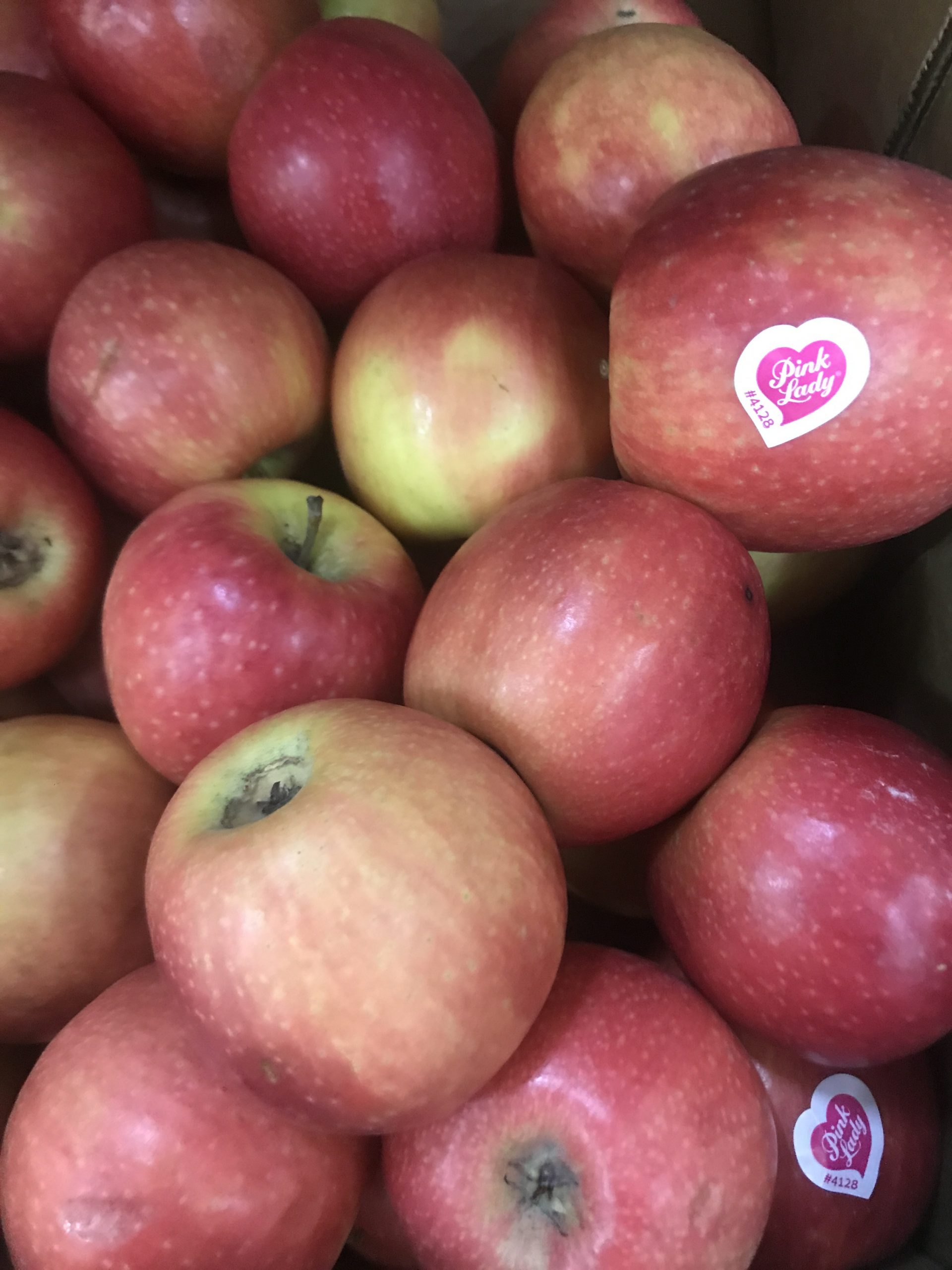
To determine if Pink Lady apples are "good," one must first understand that "Pink Lady" is not a single botanical variety, but rather a protected trademarked brand for the Cripps Pink cultivar. Originally bred in Australia by John Cripps in the 1970s, the apple was developed specifically to thrive in warmer climates compared to traditional apple varieties like the Granny Smith or McIntosh.
The defining characteristic of a genuine Pink Lady is its strict adherence to quality standards. Not every Cripps Pink apple qualifies to be sold under the Pink Lady brand. To carry the label, the fruit must meet specific criteria regarding its sugar-to-acid ratio. This requirement ensures that consumers do not experience the "starchy" or bland flavor that can sometimes plague other varieties when harvested too early. The brand acts as a certification of quality, signaling to the shopper that the apple has reached a sufficient maturity level to provide a complex, balanced eating experience.
Nutritional Profile and Health Benefits
When evaluating the quality of any fruit, nutritional density is a primary factor. Pink Lady apples are nutritionally consistent with other popular apple cultivars, offering a dense source of dietary fiber, particularly pectin, which is known for its role in digestive health.
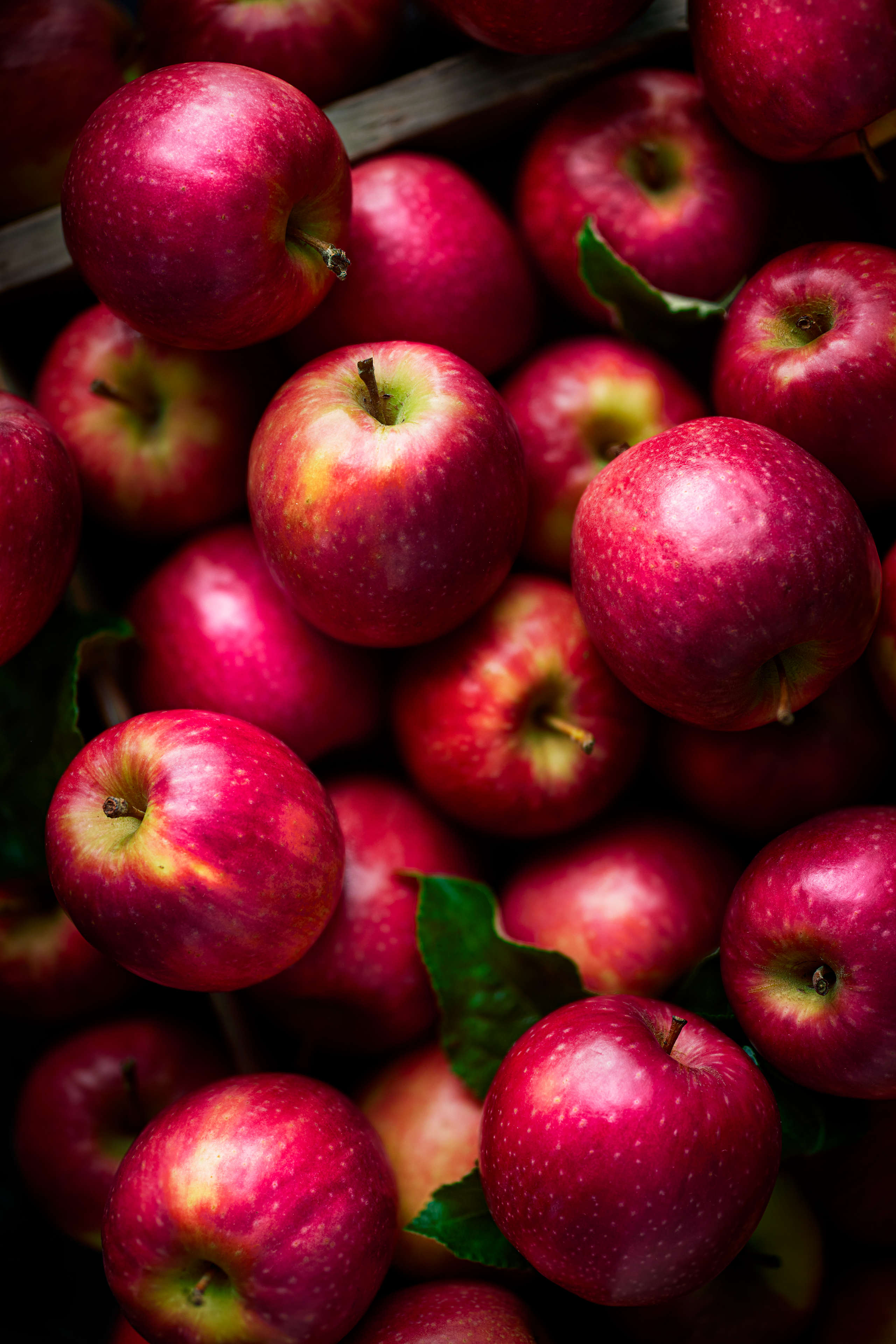
A medium-sized apple typically contains around 95 calories and provides roughly 4 to 5 grams of fiber. What sets the Pink Lady apart is its high concentration of phytochemicals and antioxidants. Research indicates that the deep red-pink skin, which often develops a characteristic "blush" when exposed to high ultraviolet light, is indicative of a high concentration of anthocyanins—the antioxidants responsible for the apple's vibrant pigment. These compounds are associated with reduced inflammation and cardiovascular health benefits. Furthermore, because of their high acidity, they often provide a sharper, more refreshing mouthfeel than sweeter, lower-acid varieties, which many health-conscious consumers find more satisfying as a snack.
Sensory Experience: Texture and Flavor
The "goodness" of a Pink Lady is perhaps best defined by its sensory profile. Most consumers seek an apple that resists easily, produces a loud, clean "snap" when bitten, and breaks down into a juicy, crisp flesh rather than a mealy or soft one.
- Crispness: The cell structure of the Pink Lady is remarkably dense. Even after weeks of proper refrigerated storage, they tend to retain their crunch far better than softer varieties like the Golden Delicious.
- Flavor Balance: The flavor profile is defined by high sugar levels balanced by relatively high acidity. This interplay prevents the apple from tasting "cloying" or "one-note," which is a common complaint with sweeter, milder apples like the Gala.
- Finish: The finish is clean, with the tartness lingering just long enough to refresh the palate, making them an excellent choice for pairing with savory foods.
Culinary Versatility
One reason Pink Lady apples are considered a superior choice by professional chefs and home cooks alike is their performance in the kitchen. Not all apples hold their shape well when subjected to heat, but the firm flesh and acidic profile of the Pink Lady make it highly reliable for cooking.
- Baking: Because they do not turn into a sauce or mush immediately upon heating, they are excellent for pies, tarts, and galettes. Their tartness also helps balance out the extra sugar typically added to baking recipes, preventing the final product from becoming overwhelmingly sweet.
- Salads: Their ability to resist browning for a slightly longer period than other varieties (due to their specific phenolic composition) makes them a preferred choice for sliced fruit plates or salads.
- Pairing: Their acidity makes them a perfect match for rich, creamy cheeses like Brie or Camembert, as the tartness cuts through the fat content of the cheese, providing a balanced flavor experience.
Comparison to Other Popular Varieties
To better understand how the Pink Lady stacks up against other staples found in the produce aisle, consider the following comparison based on standard culinary and consumption characteristics.
| Apple Variety | Flavor Profile | Texture | Best Use |
|---|---|---|---|
| Pink Lady | Balanced Sweet/Tart | Very Crisp | Raw, Baking, Salads |
| Gala | Mildly Sweet | Medium-Firm | Snacking, Kids' Lunches |
| Granny Smith | Very Tart | Crisp | Baking, Sharp Snacking |
| Red Delicious | Mild/Bland | Soft/Mealy | Culinary decoration |
| Honeycrisp | Sweet/Balanced | Very Crisp | Raw snacking |
While Honeycrisp is often cited as a direct rival, Pink Lady apples usually offer a higher acidity level. If you prefer a sharper, more intense flavor, the Pink Lady is often superior to the Honeycrisp, which leans more heavily toward a sugary, honeyed profile.
Storage and Handling
A major factor in determining whether an apple is "good" at the point of consumption is how it has been handled from orchard to store. Pink Lady apples are mid-to-late-season apples. In 2026, supply chains remain robust for this variety, but their quality still depends on temperature management.
To maintain their quality at home, they should always be stored in the refrigerator. The cold temperature slows the respiration rate of the apple, which prevents it from turning mealy. Unlike softer varieties, Pink Lady apples have a thick, protective skin that helps them resist bruising during transit. If you notice a "waxy" feel on the skin, this is often a natural protective coating produced by the apple itself, though some commercial suppliers also apply an extra layer of food-grade wax to prevent moisture loss. This is entirely safe and can be washed off with cool water before eating.
Common Misconceptions
A common error is assuming that all red-skinned apples are sweet and all green-skinned apples are tart. Pink Lady apples challenge this because their skin color can range from a light green-yellow background to a deep, dark magenta blush. Consumers sometimes mistakenly look for the "reddest" apple, assuming it is the sweetest. In reality, the sweetness of a Pink Lady is determined more by its maturity at harvest than by the total coverage of its red color.
Another misconception is that the "best" apples are those that have never been refrigerated. Because the Pink Lady is a denser apple, it is actually quite resilient. Buying apples from a refrigerated display at your local grocer is often a better guarantee of quality than choosing apples sitting in a warm display bin, which can degrade in texture within 48 hours.
Frequently Asked Questions
Are Pink Lady apples genetically modified? No, Pink Lady apples are not genetically modified. They are a naturally developed cultivar (Cripps Pink) created through traditional cross-breeding methods in the 1970s. The brand identity is protected through a trademarked quality assurance program, not through genetic engineering.
Why are Pink Lady apples sometimes more expensive? Pink Lady apples often carry a premium price due to the strict quality standards required to use the brand name. Growers must adhere to specific harvest timeframes and maturity testing, which can result in more labor-intensive harvesting and sorting processes compared to non-branded varieties.
Do Pink Lady apples have a long shelf life? Yes, they have a longer shelf life than many other varieties. Due to their firm texture and lower respiration rate, they can last for several weeks or even months when kept in proper cold storage (32°F to 35°F). For best results, store them in a produce drawer separate from ethylene-producing vegetables like onions or potatoes.
Can I use Pink Lady apples as a substitute for Granny Smith in recipes? Absolutely. In many cases, they are a preferred substitute. While Granny Smith apples are very tart and lack significant sweetness, Pink Lady apples provide a similar level of tartness with an added layer of sweetness. This often results in a more complex, well-rounded flavor profile in baked goods without requiring as much added sugar.
Are there different "types" of Pink Lady apples? "Pink Lady" is a brand, while the variety is Cripps Pink. There are other variants, such as Rosy Glow or Lady In Red, which are essentially improved clones of the original Cripps Pink that have been selected to achieve better color development. All fall under the same quality standards.
Conclusion and Recommendations
When assessing whether Pink Lady apples are good, the evidence overwhelmingly points to a high-quality, reliable, and versatile fruit. They offer a rare combination of structural integrity—meaning they don't turn mushy—and a sophisticated flavor profile that satisfies those looking for both sugar and acidity.
For the best experience, look for apples that are firm to the touch, heavy for their size, and free of any soft indentations or significant bruising. If you are purchasing them for a specific cooking project, such as a pie, try to select fruit with a brighter, more vibrant pink-red coloration, as this often indicates they were left on the tree longer, allowing for maximum flavor development. Incorporating these into your regular diet is a simple, effective way to ensure you have a dependable, healthy snack or culinary ingredient on hand throughout the year.