For most California residents facing an immediate cash shortfall, online payday loans from direct lenders are rarely considered a "worthwhile" financial solution due to their triple-digit annual percentage rates (APRs) and the high risk of falling into a recurring debt cycle. While these loans offer rapid access to funds, the structural costs typically outweigh the benefits compared to more stable, regulated alternatives available under California state law.
Understanding the California Lending Landscape
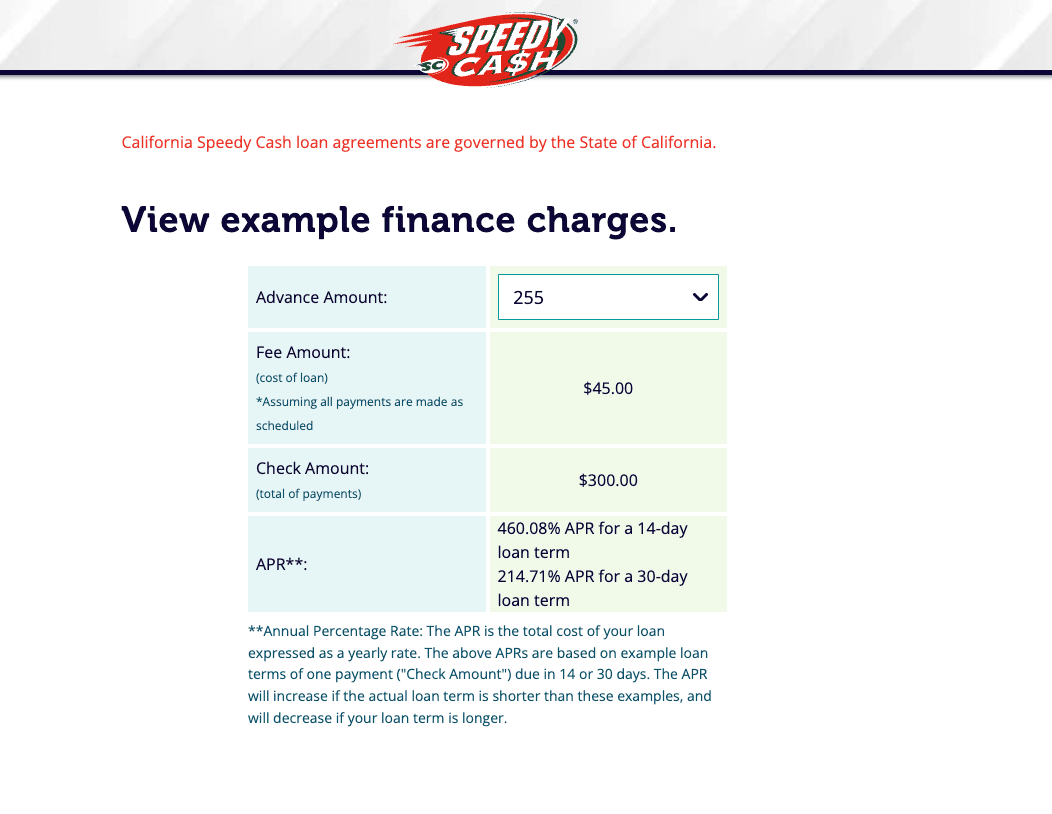
In California, short-term lending is governed primarily by the California Deferred Deposit Transaction Law (CDDTL). This legal framework restricts the maximum amount of a payday loan—often referred to as a "deferred deposit transaction"—to $300. Additionally, lenders are legally prohibited from charging fees that exceed 15% of the principal amount.
Despite these consumer protections, the term "direct lender" is often used in online marketing to suggest transparency. However, a direct lender is simply the entity that funds the loan and holds the debt, as opposed to a lead generator or a broker that sells your information to third-party lenders. Being a direct lender does not guarantee fair terms or lower interest rates; it merely clarifies the source of the capital.
The True Cost of Borrowing
The most significant deterrent to using payday loans is the cost of capital. Even with California's fee caps, the mathematical reality of short-term lending is punitive. When you borrow $300, the maximum fee permitted is $45, resulting in a total repayment of $345. While this may seem manageable if repaid within the typical 14-day window, the annualized cost is exorbitant.
If a borrower fails to repay the loan on the due date, they may be forced to seek an extension or a new loan to cover the previous one. Because payday loans are usually structured as single-payment balloon debts, they do not have the amortization schedules found in personal loans or credit cards. If you cannot pay the full balance at once, you face significant financial friction, including potential non-sufficient funds (NSF) fees from your bank and the psychological burden of perpetual debt.
Risks of Online-Only Direct Lenders
The digital nature of online payday loans introduces unique security and operational risks that brick-and-mortar storefronts may not share to the same degree.
- Data Privacy: Online lenders require access to your sensitive financial data, including bank routing numbers and social security identifiers. Ensuring that the lender is fully licensed by the California Department of Financial Protection and Innovation (DFPI) is critical to avoiding predatory "lead generators" that may harvest your data for identity theft or aggressive marketing.
- Collection Practices: Because the transaction is digital, lenders often utilize Electronic Funds Transfer (EFT) to pull payments directly from your account. If your balance is low, this can trigger a cascade of overdraft fees that exceed the original cost of the loan itself.
- The "Direct Lender" Misnomer: Many websites advertising themselves as direct lenders are actually masquerading as such to collect your personal information. These entities may sell your data to a network of tribal lenders, which are often exempt from California's state-level interest rate caps and consumer protections due to sovereign immunity.
Comparative Analysis of Short-Term Financial Options
When assessing whether a loan is "worth it," you must compare it against all available alternatives. The table below outlines common borrowing methods available to California residents.
| Loan Type | Typical APR | Regulatory Oversight | Accessibility |
|---|---|---|---|
| Payday Loan | 300%–450%+ | High (CDDTL) | Immediate |
| Credit Card Cash Advance | 20%–30% | Moderate | Immediate |
| Credit Union PAL | 18%–28% | High | Delayed |
| Employer Cash Advance | 0%–Variable | Low/Internal | Variable |
| Personal Loan | 8%–36% | Moderate | 2–5 Days |
Why Credit Union PALs Are Often Superior
For many, a Payday Alternative Loan (PAL) offered by a federal or state-chartered credit union is a drastically better alternative. These loans were specifically designed by the National Credit Union Administration (NCUA) to help individuals avoid the payday debt trap. PALs generally offer lower interest rates, longer repayment terms (usually one to six months), and a more structured approach to building credit. Because they report payment history to the major credit bureaus, they help improve your financial profile, whereas standard payday loans do not.
Prerequisites for Responsible Borrowing
If you conclude that an emergency expense makes a short-term loan unavoidable, you must verify the lender’s credentials before submitting a single piece of information.
- Verify the License: Search the California DFPI database. If a company claims to be a direct lender in California, they must be licensed under the CDDTL or the California Financing Law (CFL).
- Review the Agreement: Look for the Truth in Lending Act (TILA) disclosure. This document is legally required to show the APR and the total cost of the loan clearly. If a lender refuses to provide this upfront, do not proceed.
- Assess the Exit Strategy: Before accepting the funds, determine exactly where the money to repay the loan will come from. If the plan relies on future income that is not guaranteed, the risk of default is too high.
Common Pitfalls and Troubleshooting
A primary mistake borrowers make is treating the payday loan as a source of "extra income" rather than an expensive, temporary stopgap. Many online lenders use aggressive marketing to make the process feel like a frictionless, consequence-free transaction. However, once the bank account is linked, the lender has significant power to initiate withdrawals.
If you find yourself in a situation where you cannot pay back a loan:
- Contact the Lender Immediately: Some lenders may offer a payment plan that is preferable to allowing the loan to default and incur collection fees.
- Request an Extended Payment Plan (EPP): While not all states require this, some lenders have policies in place to assist borrowers who cannot meet the initial deadline.
- Consult a Non-Profit Credit Counselor: Organizations like the National Foundation for Credit Counseling (NFCC) can provide free or low-cost guidance to help manage existing debt without resorting to additional high-interest loans.
Regulatory Protections for California Borrowers
California is one of the more proactive states regarding financial regulation. The DFPI has the authority to investigate companies that engage in deceptive, unfair, or abusive acts. If you suspect a lender is operating outside of the law—for instance, by charging fees in excess of the 15% limit or using threatening collection tactics—you can file a formal complaint through the DFPI website. This oversight is a major reason why borrowers should stick to licensed, California-based entities rather than anonymous out-of-state or tribal-affiliated online lenders.
Frequently Asked Questions
Are online payday loans from direct lenders safer than storefronts? Not necessarily. Safety is determined by licensing and compliance, not the medium of the transaction. A licensed storefront with a physical address is often easier to hold accountable than an anonymous website.
Can I get a payday loan if I have no credit score? Yes, most payday lenders focus on income verification rather than credit history. However, this ease of access is precisely why these loans are expensive; you are paying a premium for the lack of traditional credit checks.
What happens if I cannot pay my payday loan on time? You will likely face late fees, and the lender may attempt to debit your account multiple times, which can lead to additional bank overdraft fees. In extreme cases, they may sell your debt to a third-party collection agency.
Is it possible to consolidate payday loans? Consolidation is difficult because the interest rates on payday loans are higher than almost any other form of debt. Most lenders will not refinance payday loans with a lower-interest personal loan unless you have significantly improved your credit score since the initial borrowing.
Are tribal lenders subject to California law? Tribal lenders often claim sovereign immunity and may not adhere to California interest rate caps. Borrowing from them is extremely high-risk, as you have limited recourse if the loan terms are predatory or illegal.
Do payday loans appear on my credit report? Usually, no. Standard payday loans do not report on-time payments to credit bureaus, meaning you do not gain any credit-building benefit from successfully paying them off.
Final Recommendation
Online payday loans should be viewed as a last resort, utilized only when all other avenues—such as credit union PALs, personal loans from local banks, or payment extensions with creditors—have been exhausted. The cost of these loans is functionally high, and the potential for a long-term debt cycle is significant. If you must use one, ensure the lender is explicitly licensed by the California DFPI and treat the repayment as your highest financial priority to avoid the rapid accumulation of additional fees.