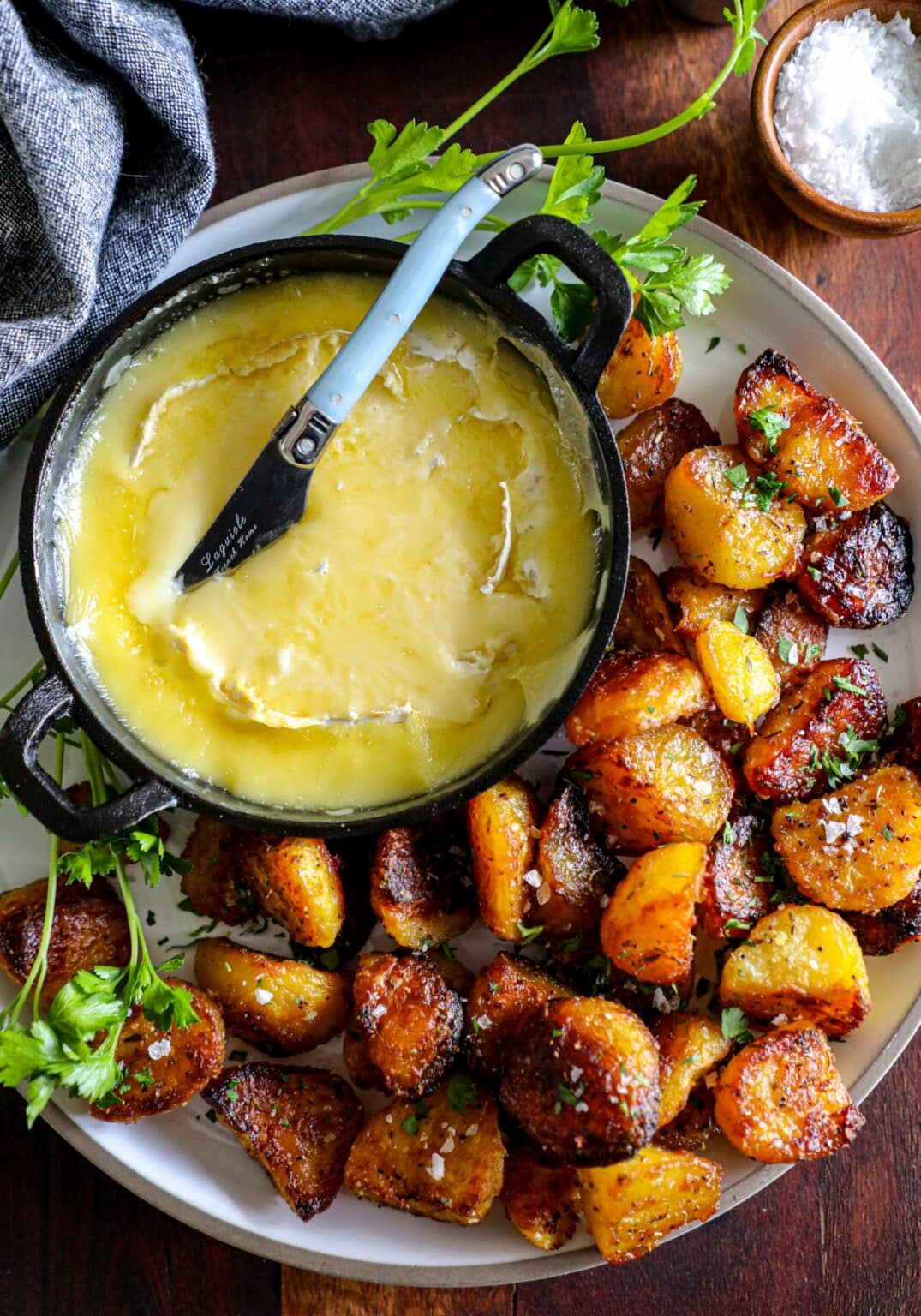
Potatoes are naturally fat-free, containing negligible amounts of lipids in their raw, unprocessed state. A medium-sized, skin-on potato typically provides essential carbohydrates, fiber, potassium, and vitamin C without contributing significant dietary fat. However, the nutritional profile of a potato changes drastically depending on the preparation method, as cooking techniques involving added fats—such as frying or roasting—frequently negate their naturally low-fat status.
Understanding the Natural Composition of Potatoes
To understand why potatoes are classified as fat-free, one must examine their botanical and nutritional makeup. The potato (Solanum tuberosum) is a starchy tuber that serves as a storage organ for the plant. Its primary biological function is to store energy in the form of starch, which is a complex carbohydrate.
In a raw, unprocessed state, a potato consists primarily of water—roughly 75% to 80%—and carbohydrates. The protein content is modest, and the fat content is effectively non-existent. Specifically, a 100-gram serving of raw potato contains less than 0.1 grams of total fat. From a dietary perspective, this is considered a trace amount, which leads nutritionists and labeling agencies to categorize the vegetable as fat-free.
Because potatoes do not contain cholesterol and have virtually no saturated or unsaturated fats, they are frequently recommended for inclusion in heart-healthy, low-fat, or cholesterol-lowering dietary patterns. Unlike processed snack foods, the potato arrives in your kitchen as a whole food, free from the hydrogenated oils or trans fats often associated with manufactured food products.
How Preparation Changes the Fat Content
While the potato itself is fat-free, it acts as a culinary "blank slate" that readily absorbs fats during cooking. The transition from a fat-free vegetable to a high-fat side dish depends entirely on the heat source and the medium used to facilitate that heat.
Baking and Boiling
Boiling a potato in water or baking it in an oven preserves its fat-free status. These methods rely on thermal energy to soften the starch granules and break down the cell walls of the potato. Because these techniques involve only water or dry heat, no lipids are introduced to the tuber. If you eat a plain baked potato with only herbs or spices, you are consuming a meal that remains essentially free of fat.
Frying and Sautéing
Deep-frying is the most significant factor in altering the fat profile of a potato. When a potato is submerged in hot oil, the water within the potato turns to steam and escapes, leaving behind a porous structure that acts like a sponge, absorbing the oil. A standard serving of French fries or potato chips can contain anywhere from 10 to 20 grams of fat, depending on the type of oil used and the temperature of the frying process. In these instances, the potato is no longer the source of fat; rather, it is the vehicle for the fat consumed during the process.
Roasting and Pan-Searing
Roasting potatoes often involves tossing them in olive, vegetable, or seed oils to achieve a crispy exterior. While this is a healthier alternative to deep-frying, it is important to recognize that a tablespoon of oil contains approximately 14 grams of fat. Therefore, a dish of roasted potatoes is technically a "high-fat" preparation, even if the fats used are unsaturated and heart-healthy.
Comparing Preparation Methods and Fat Contribution
The following table illustrates how different common preparation methods impact the fat content per standard 150-gram serving.
| Preparation Method | Total Fat (Approx.) | Fat Source |
|---|---|---|
| Boiled (plain) | 0.2g | Negligible (natural) |
| Baked (plain) | 0.2g | Negligible (natural) |
| Steamed | 0.2g | Negligible (natural) |
| Roasted (with oil) | 7g – 12g | Added cooking fat |
| French Fries | 15g – 20g | Absorbed frying oil |
| Potato Chips | 10g – 15g | Absorbed oil |
| Mashed (with butter/milk) | 5g – 8g | Dairy additives |
Note: Data represents estimates based on standard culinary practices as of 2026. Actual values fluctuate based on the volume of oil or dairy fat added during preparation.
The Role of Toppings and Additives
Beyond the cooking process, the final fat content of a potato dish is often determined by the accompaniments. Traditional toppings, while flavorful, are significant sources of dietary fat.
- Butter: A single tablespoon of butter adds approximately 11 grams of fat to a baked potato.
- Sour Cream: A common topping for baked potatoes, regular sour cream provides roughly 5 grams of fat per two-tablespoon serving.
- Cheese: Adding shredded cheddar or other cheeses can add 7 to 10 grams of fat per ounce, significantly increasing the caloric density of the dish.
- Bacon Bits: Processed bacon additions introduce both saturated fats and sodium, altering the nutritional profile away from the lean, fat-free nature of the potato itself.
To maintain the low-fat benefits of the potato, many health experts suggest substituting these high-fat toppings with Greek yogurt, fresh chives, salsa, or steamed vegetables. These alternatives provide moisture and flavor without the heavy lipid load of traditional dairy toppings.
Nutritional Benefits Beyond Fat Content
Because potatoes are fat-free, they serve as an excellent base for nutrient-dense meals. When consumed without added fats, they provide several key vitamins and minerals:
- Potassium: Potatoes are a superior source of potassium, which is critical for maintaining healthy blood pressure levels and proper muscle function. A single large potato can contain more potassium than a banana.
- Vitamin C: Often associated only with citrus, potatoes are a significant source of Vitamin C, which supports immune function and collagen synthesis.
- Complex Carbohydrates: The starch in potatoes provides sustained energy. Unlike simple sugars found in refined sweets, potato starch is digested more slowly, especially when eaten with the skin, which contains dietary fiber.
- Vitamin B6: This vitamin is essential for brain health and the regulation of mood-related neurotransmitters.
By focusing on these internal benefits, one can utilize the potato as a satiating, nutrient-rich food rather than viewing it merely as a vehicle for butter, sour cream, or frying oil.
Common Misconceptions Regarding Potatoes
"Potatoes are fattening"
The perception that potatoes cause weight gain is usually a result of how they are prepared and the portion sizes consumed. Because potatoes are low in fat and calorie-dense relative to their volume—especially when boiled or baked—they can be a tool for satiety. When you feel full, you are less likely to overeat other, more calorie-dense processed foods. The "fattening" reputation typically stems from fried versions or the heavy fats added to them, not the potato itself.
"You must avoid the skin"
The skin is the most nutrient-dense part of the potato. It contains the majority of the fiber and a significant portion of the minerals. Removing the skin effectively reduces the nutritional value of the meal. As long as the potato is washed thoroughly to remove soil, the skin is safe and healthy to consume.
"Potatoes are just empty carbohydrates"
This is a misconception rooted in the "low-carb" dietary trends of previous decades. While potatoes are high in carbohydrates, they are whole foods that come packaged with fiber, vitamins, and minerals. They are distinct from refined carbohydrates like white bread or sugar, which lack the micronutrient profile of a whole tuber.
Guidance for Incorporating Potatoes into a Healthy Diet
For those looking to maximize the nutritional benefits of potatoes while keeping fat intake low, consider the following strategies:
- Prioritize Boiling and Steaming: These methods ensure that no external fat is introduced. For flavor, use fresh herbs like rosemary, dill, or parsley, which add aromatic depth without calories or fats.
- Smart Baking: When baking, avoid wrapping the potato in foil unless necessary; baking directly on the oven rack can lead to a more pleasant, crisp texture without the need for oil.
- Portion Control: Even if a food is fat-free, it still contains calories. Moderation is key to any balanced diet, regardless of the nutritional makeup of a specific item.
- Pairing for Satiety: Pair your potato with lean protein sources like grilled chicken, white fish, or legumes. The combination of protein and the fiber from the potato skin promotes long-lasting fullness.
- Choosing the Right Potato: Different varieties have different starch compositions. Waxy potatoes (like Red Bliss or Fingerlings) hold their shape well when boiled, while starchy potatoes (like Russets) are ideal for baking or mashing. Choosing the right potato for your intended method reduces the need for "corrective" fats.
Frequently Asked Questions
Is there any situation where a potato has natural fat?
No, the potato is fundamentally fat-free. While there are infinitesimal amounts of lipids found in any biological cell structure, these amounts are so low that they are considered zero in standard nutritional labeling. You will never encounter a "high-fat" potato in its natural, garden-grown form.
Are sweet potatoes better than white potatoes?
Both are nutrient-dense, though they offer different profiles. Sweet potatoes are richer in Vitamin A (beta-carotene), while white potatoes are typically higher in potassium. Both are naturally fat-free. The choice between them should be based on your flavor preference and the desired culinary application, as their starch structures react differently to heat.
Does the way I store potatoes affect their fat content?
Storage does not change the fat content, but it does affect the starch composition. Storing potatoes in very cold temperatures (like a refrigerator) can cause some of the starch to convert into sugar, which may affect how they brown when cooked. For the best quality and nutritional stability, store them in a cool, dark, and well-ventilated place.
Can I eat potatoes if I am on a strict low-fat diet?
Yes, potatoes are an ideal candidate for a low-fat diet. Because they provide energy, fiber, and important micronutrients, they can serve as a primary carbohydrate source that replaces more processed, high-fat grain products. Just ensure the cooking method does not involve added oils or fatty dairy products.
Should I worry about the glycemic index of a potato?
Potatoes do have a higher glycemic index (GI), which means they can raise blood sugar levels more quickly than some other vegetables. However, this effect is moderated when the potato is eaten as part of a meal containing protein, healthy fats, or fiber. Eating the potato with the skin on and opting for boiling rather than mashing can also help regulate the glycemic response.
Next Steps for Your Nutritional Planning
If your goal is to utilize potatoes while adhering to a low-fat or health-conscious dietary plan, your next step should be to experiment with herb-based seasoning blends. Since the potato is fat-free, it is the perfect canvas for flavors such as garlic, onion powder, smoked paprika, or fresh chives. By shifting your focus from fat-heavy toppings like butter and sour cream to flavor-heavy, zero-calorie herbs and spices, you can enjoy the versatile potato in a way that aligns with your nutritional requirements. Start by incorporating one plain, roasted, or boiled potato into a meal this week, paired with a source of lean protein and plenty of green vegetables, to experience how this simple, fat-free tuber fits into a balanced, modern lifestyle.