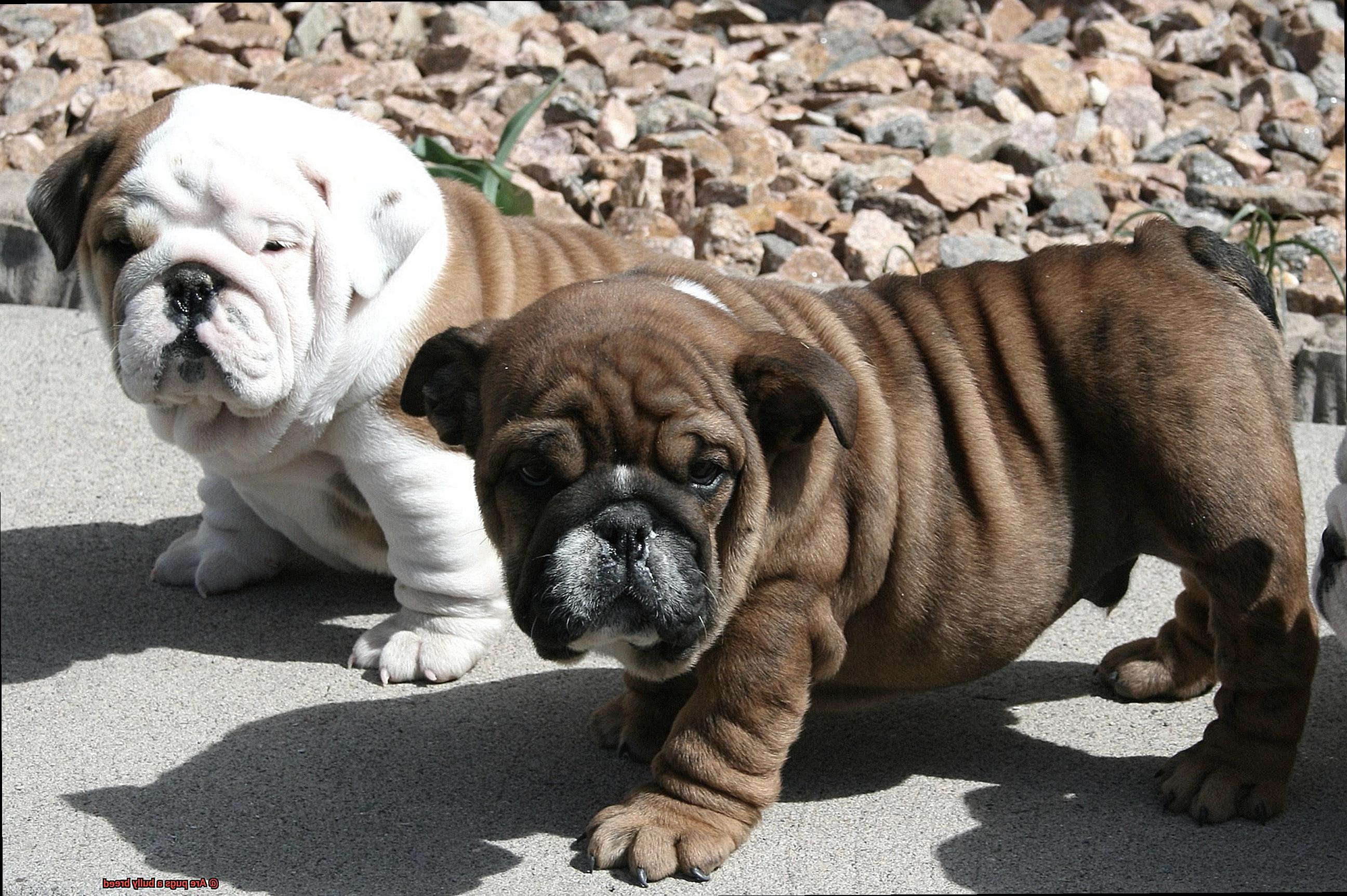
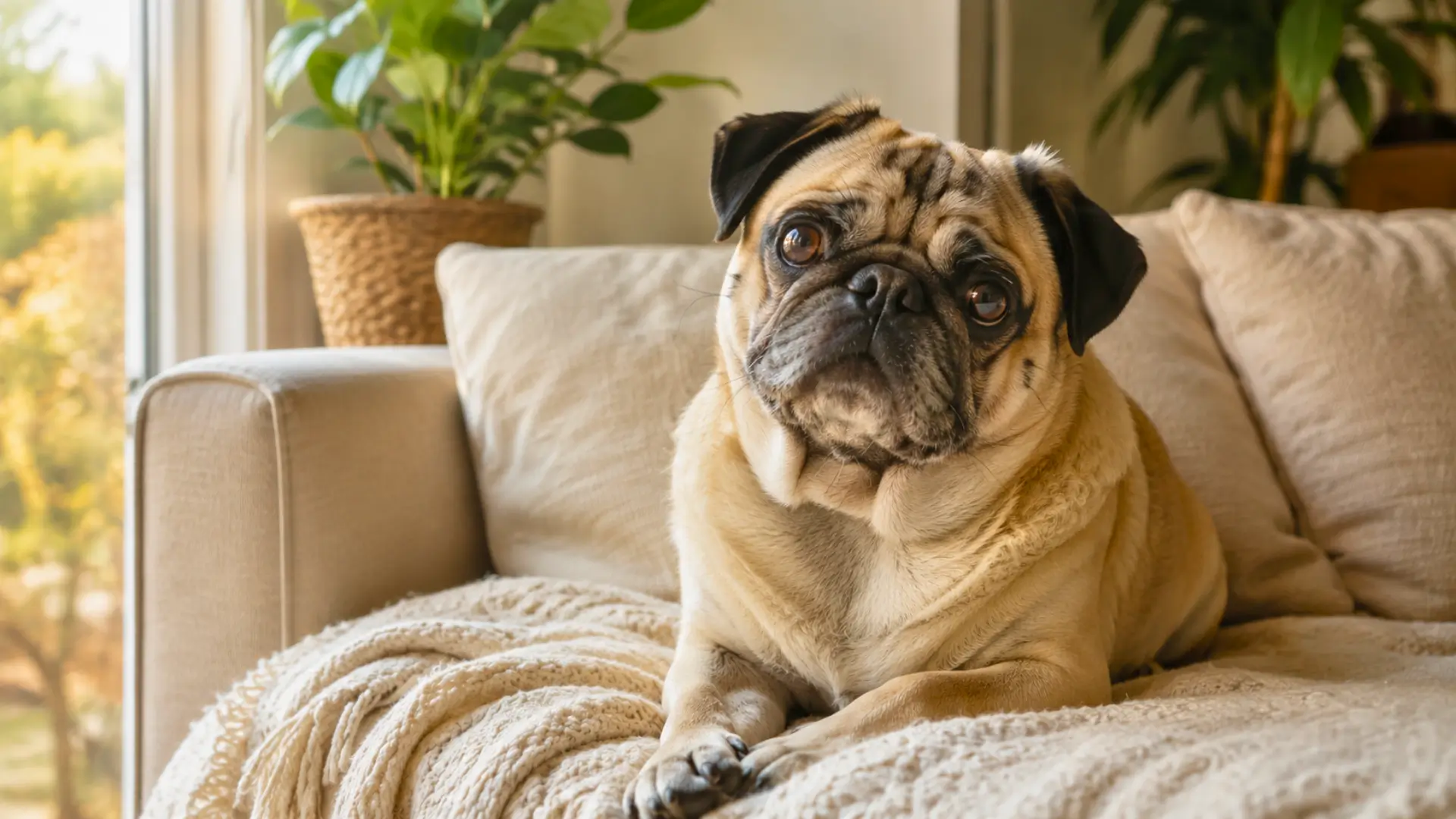
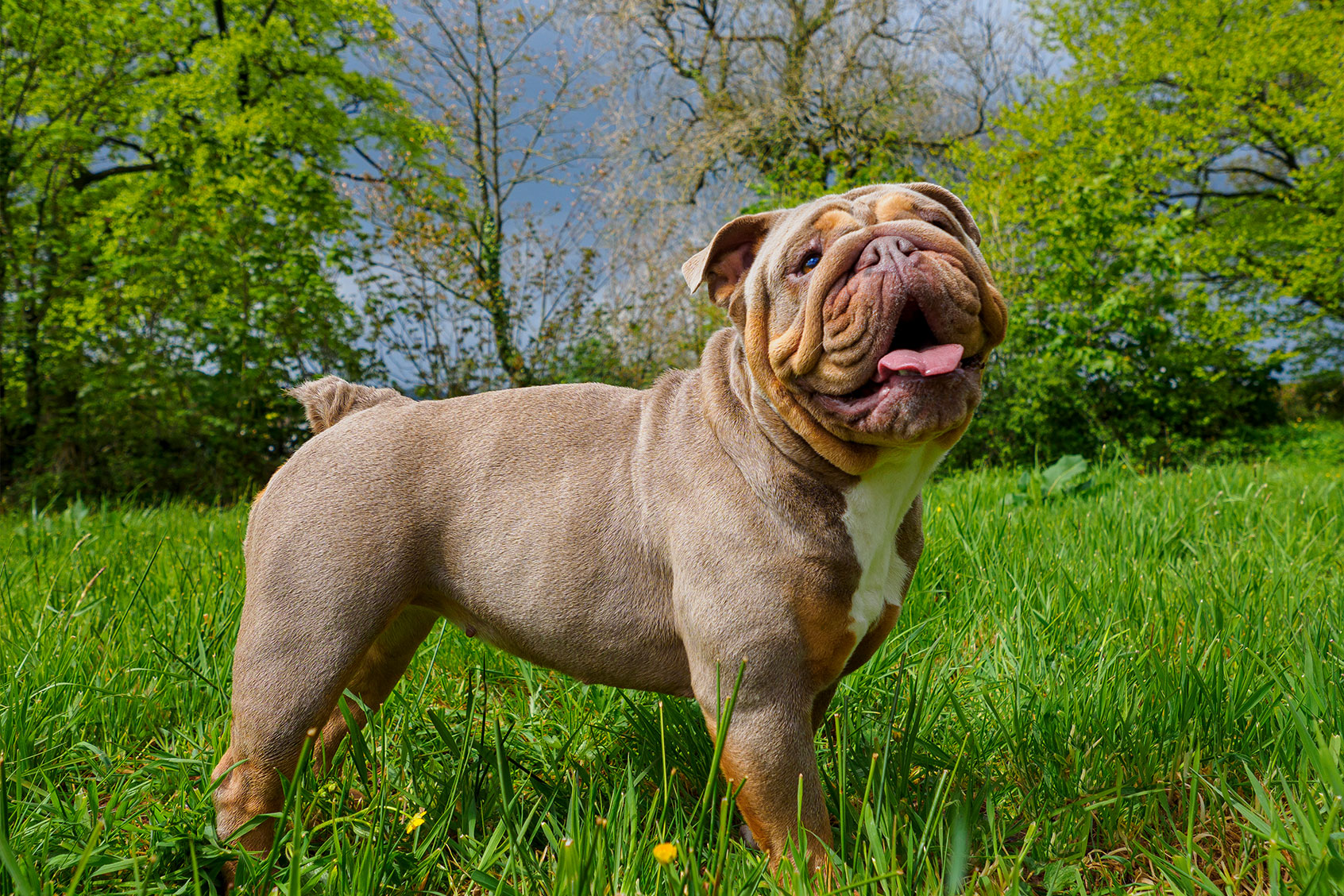
No, pugs are not bulldogs. While they are often grouped together by enthusiasts due to their shared status as brachycephalic, or "flat-faced," dog breeds, they belong to entirely distinct lineage groups, histories, and physical classifications. Pugs are classified by kennel clubs as part of the Toy Group, while various bulldog breeds, such as the English Bulldog, are categorized under the Non-Sporting Group.
Understanding the distinction requires looking beyond their shared physical trait of a pushed-in nose. The confusion between these breeds often stems from the visual similarities in their facial structure and their shared historical categorization as companion animals. However, if you are looking to adopt or understand the specific care requirements for these dogs, identifying their differences is essential for long-term ownership and health management.
Taxonomic and Kennel Club Classification
To clarify the relationship between these breeds, one must first look at how major kennel organizations, such as the American Kennel Club (AKC) and The Kennel Club (UK), categorize them. Classification is not merely a label; it defines the standards by which these dogs are bred, judged in competitions, and managed for health and temperament.
Pugs are members of the Toy Group. This classification is reserved for small-stature dogs that were historically bred specifically for companionship. Their traits are prioritized for social interaction and size-related convenience. Conversely, bulldogs, particularly the English Bulldog, fall into the Non-Sporting Group. This group is a catch-all category for breeds that do not fit the criteria for sporting or working dogs but possess distinct characteristics developed for specialized roles, such as guarding or, in the distant past, bull-baiting.
The fundamental genetic background of a pug is believed to be rooted in ancient Chinese imperial history, where they were bred for the delight of emperors. Bulldogs, however, have origins in the British Isles, with a history tied to working roles. These disparate evolutionary paths mean that even though they may appear similar in passing, they are not closely related in the canine family tree.
The Brachycephalic Connection
The primary reason people frequently ask "are pugs bulldogs" is their shared facial structure. Both breeds are brachycephalic, a term derived from the Greek words for "short" and "head." This physical characteristic refers to a skull shape that is broader and shorter than the average canine skull.
In both pugs and bulldogs, this structure results in a compressed muzzle and crowded nasal passages. Because they share this trait, they often face identical health hurdles. These include:
- Respiratory Challenges: Both breeds may suffer from Brachycephalic Obstructive Airway Syndrome (BOAS), which can make breathing difficult during exercise or in high-heat environments.
- Thermoregulation Issues: Dogs pant to cool down. Because of their shorter airways, both pugs and bulldogs are significantly more prone to heatstroke than longer-muzzled breeds.
- Ocular Sensitivity: The shallow eye sockets common to both breeds can lead to eye protrusion, making them susceptible to injury, dryness, and irritation.
It is important to note that while they share these physiological risks, the severity and incidence rate can vary between the two based on their specific breeding standards and individual genetics.
Comparative Overview: Pug vs. Bulldog
When evaluating these dogs side-by-side, their differences become clear in terms of build, energy levels, and temperament. The following table provides a breakdown of the typical characteristics for a standard Pug and an English Bulldog.
| Feature | Pug | English Bulldog |
|---|---|---|
| Group | Toy | Non-Sporting |
| Average Weight | 14–18 pounds | 40–50 pounds |
| Build | Compact, square, muscular | Heavy, thick-set, low-slung |
| Primary History | Imperial China companion | Bull-baiting/Drovers |
| Common Temperament | Playful, mischievous, social | Docile, willful, courageous |
| Standard Lifespan | 13–15 years | 8–10 years |
Note: Data reflects typical breed standards. Individual health and lifespan can vary significantly based on breeding practices and veterinary care.
Historical Context and Origins
The pug’s lineage traces back to ancient times in China. They were favored by royalty and housed in luxury, often guarded with the same intensity as the imperial family itself. By the 16th century, they were brought to Europe, where they became staples in royal courts, particularly in the Netherlands and eventually England. Their evolution was almost entirely focused on companionship.
The English Bulldog has a far more rugged history. As the name suggests, the breed was historically associated with the sport of bull-baiting, a brutal activity that was outlawed in England in 1835. Following the decline of this sport, enthusiasts sought to preserve the breed by focusing on its physical fortitude while breeding out the aggression required for fighting. This resulted in the modern English Bulldog: a creature of significant physical mass and a generally calm, sometimes stubborn temperament.
Because their histories are so vastly different—one being bred for the lap of an emperor and the other for the rigors of a working animal—they do not share the same genetic heritage. They are separate branches of the canine evolutionary tree, brought together in modern times largely by human preference for their distinct, flat-faced appearances.
Understanding Size and Practical Ownership
A major point of difference for potential owners is size. A pug is a small, portable dog, typically weighing under 20 pounds. This makes them highly suitable for apartment living and easier to handle for individuals who may not have the strength to manage a larger animal.
An English Bulldog, while technically a "medium" breed in terms of height, is incredibly dense and heavy. A full-grown bulldog can weigh 50 pounds or more, and their muscle mass makes them physically demanding to lift or maneuver. For owners, this means that even though both dogs have similar "chilled out" personalities, the logistical requirements of owning them—such as carrying them up stairs, grooming, and providing space—are quite different.
Common Misconceptions and Troubleshooting
One common error potential owners make is assuming that because they "look the same," they have identical exercise requirements. While both breeds are low-energy, they are not "sedentary" by default.
- Weight Management: Both breeds are prone to obesity. Because their flat faces prevent efficient cooling, both breeds should be kept at a lean, healthy weight to reduce the burden on their cardiovascular systems.
- Skin Fold Care: Both breeds possess skin folds that require regular cleaning. Dirt and moisture trapped in these folds can lead to bacterial infections. Owners must be prepared to wipe these folds down daily with a veterinarian-approved cleanser.
- Heat Sensitivity: Neither breed should be exercised during the peak heat of the day. In 2026, many veterinary clinics emphasize the use of indoor play and cooling vests for these specific breeds, regardless of whether you have a pug or a bulldog.
If you are struggling to identify a dog you have encountered, look at the tail. Pugs possess a distinctive, tightly curled tail that rests against their hip. Bulldogs typically have a shorter, "screwed" or straight tail that does not exhibit the same tight curl found in the pug.
Frequently Asked Questions
Are pugs just miniature bulldogs?
No. Pugs are a distinct, ancient breed originating from China, while bulldogs are a separate lineage with roots in the British Isles. They are not genetically related in a way that would make one a smaller version of the other.
Why do pugs and bulldogs look so similar?
They are both brachycephalic, meaning they share a skull shape characterized by a shortened muzzle. This look has been intentionally prioritized by breeders over centuries, leading to the convergent evolution of their facial features despite their unrelated histories.
Do pugs and bulldogs have the same health problems?
They share many of the same risks, specifically respiratory issues like BOAS and sensitivity to heat. However, because they are different sizes and have different skeletal structures, they also have unique vulnerabilities, such as specific joint issues common to heavier-bodied bulldogs.
Can I train a pug like I would a bulldog?
Both breeds are often described as stubborn. Training for both requires positive reinforcement and patience. Neither breed is typically as eager to please as a Border Collie or a Golden Retriever, but they are both capable of learning basic obedience when motivated by food or play.
Which breed is better for a family with small children?
Both can be excellent family dogs due to their generally affectionate nature. However, the bulldog’s larger, sturdier frame may make it less prone to accidental injury during rough play than the smaller, more delicate pug. Conversely, the pug’s size makes it easier for smaller children to interact with them safely.
Next Actions for Prospective Owners
If you are currently deciding between these two breeds, the most effective next step is to spend time with both. Visit a local kennel club event or a reputable breeder to see the dogs in person. Observing their movement, energy level, and temperament in a real-world setting will reveal far more than photographic comparisons ever could.
Furthermore, consult with a veterinarian regarding the specific medical history of your prospective pet. Because both breeds are brachycephalic, it is wise to establish a relationship with a vet who has experience in managing the unique airway and dermatological needs of these breeds. Regardless of which you choose, you are bringing home a breed with a deep, unique history that requires thoughtful, attentive care to thrive in a modern environment.