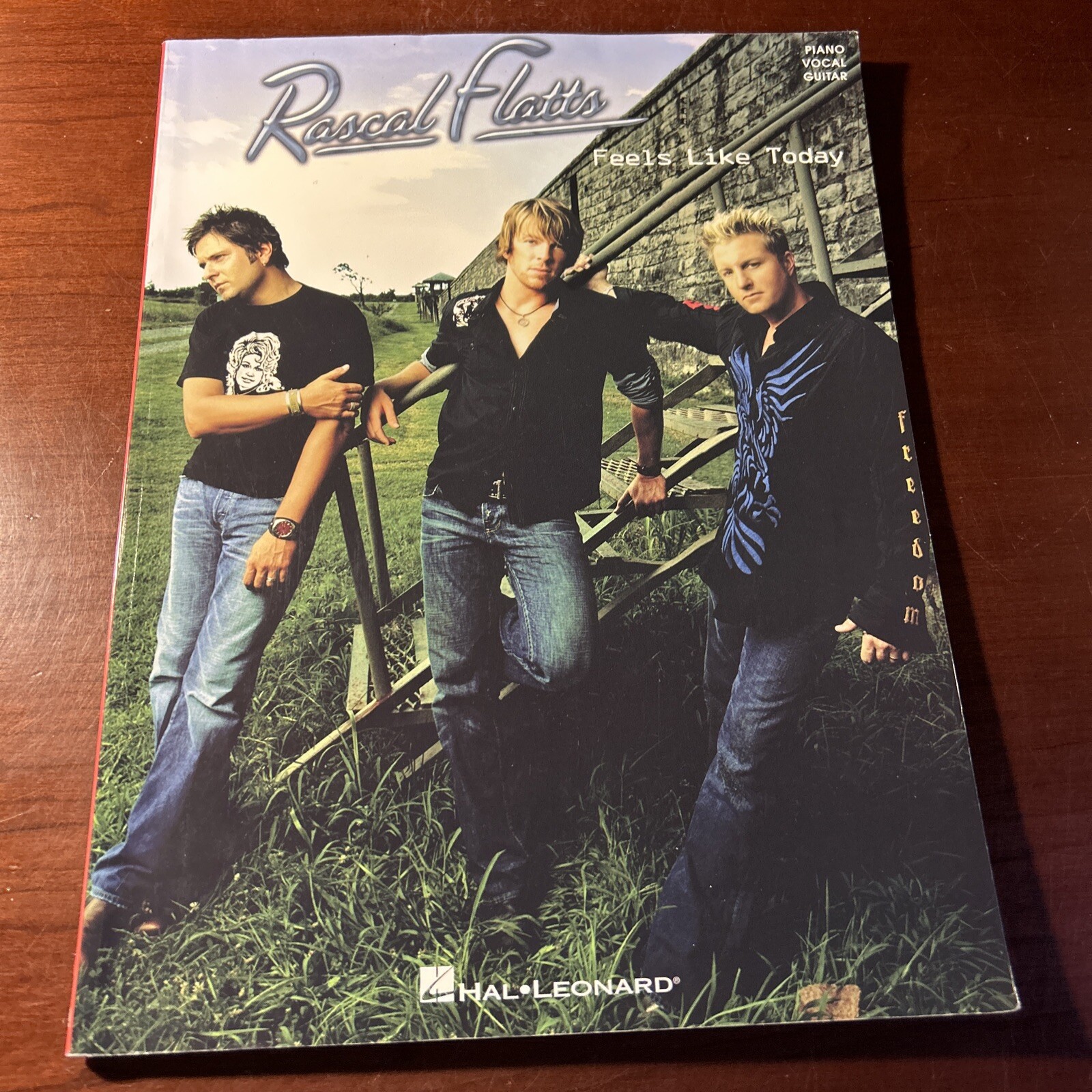
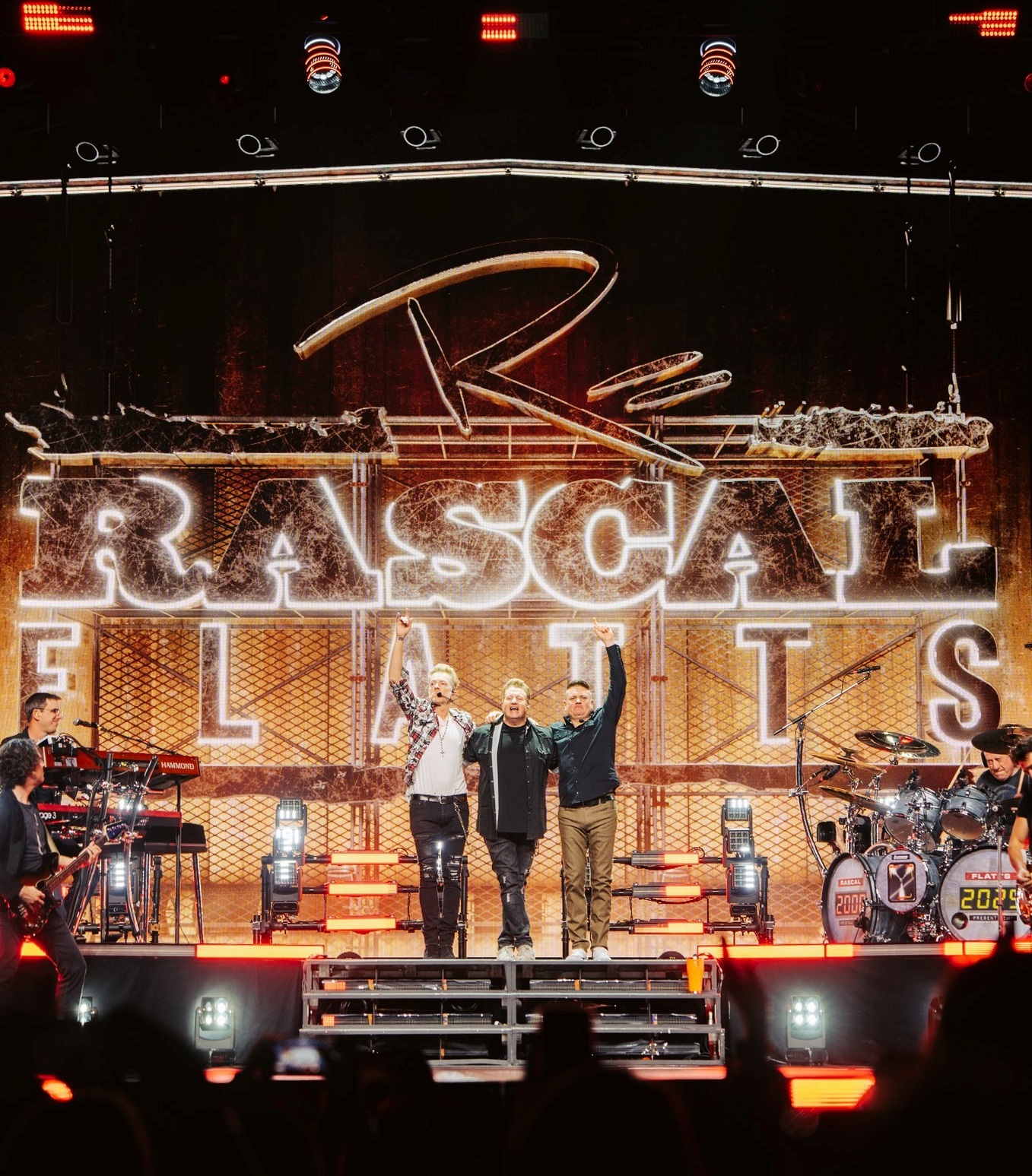
Rascal Flatts, the iconic American country music trio composed of Gary LeVox, Jay DeMarcus, and Joe Don Rooney, is not a gay group, nor are any of its individual members gay. Throughout their multi-decade career, the band members have been consistently identified as heterosexual and have lived their public and private lives as married men with children. The persistent questioning surrounding their sexuality is a common phenomenon in celebrity culture, often driven by fan speculation regarding grooming choices, vocal styles, or the aesthetics of performance, rather than factual evidence.
The Origins of Public Speculation
The inquiry into whether members of Rascal Flatts identify as gay is a long-standing point of discussion on social media and fan forums. To understand why this question persists despite clear evidence, one must look at the intersection of celebrity performance and gendered stereotypes within the country music industry.
Country music, traditionally associated with hyper-masculine imagery—such as trucks, denim, and a rugged aesthetic—often creates a rigid framework for what a "country star" is expected to look and sound like. Rascal Flatts, particularly during their ascent in the early 2000s, brought a polished, pop-infused sound and a high-fashion aesthetic that differed significantly from the "outlaw country" tradition. Their use of vocal harmonies, fashion-forward stage costumes, and deeply emotional lyrics about love and heartbreak often led casual listeners to project assumptions onto the band members based on these stylistic choices.
In the world of pop culture, it is common for fans to conflate "sensitive" or "polished" artistic expression with sexual orientation. Because Rascal Flatts focused on power ballads and soft-rock influences that prioritized vocal sensitivity over grit, they became a target for stereotypes that equate emotional vulnerability in men with homosexuality. These assumptions are purely anecdotal and lack any factual basis, representing a cultural misunderstanding of artistic expression rather than an reflection of the personal lives of the performers.
Verifying the Band Members' Personal Lives
To address the subject definitively, it is necessary to examine the public records and personal histories of the three members: Gary LeVox, Jay DeMarcus, and Joe Don Rooney. All three have maintained long-term heterosexual marriages, which has been a matter of public record throughout the band’s existence.
Gary LeVox
Gary LeVox has been married to his wife, Tara LeVox, since 1999. The couple has been public about their life together and their two daughters. Throughout the band's tenure, LeVox has consistently spoken about his faith and his role as a husband and father, framing his personal identity firmly within the context of his family life.
Jay DeMarcus
Jay DeMarcus married Allison Alderson, a former beauty queen and pageant titleholder, in 2004. The couple has two children together. DeMarcus has frequently shared details about his life as a husband and his domestic life in Nashville, further cementing his public image as a heterosexual family man.
Joe Don Rooney
Joe Don Rooney married model Tiffany Fallon in 2006. The couple, who share three children, were prominent fixtures in the Nashville celebrity scene for many years. Despite later legal proceedings and a highly publicized divorce, the marriage lasted for over a decade and was characterized by traditional family structures.
The consistency of these long-term commitments provides a clear empirical answer to any questions regarding the members' sexual orientations. There has never been an instance, statement, or credible report in the media suggesting that any member of the group identifies as gay.
Comparison of Public Figures and Industry Stereotypes
It is helpful to analyze how audiences perceive musicians in the country genre versus other music genres. The following table illustrates common perceptions vs. the factual realities associated with the band's history.
| Aspect of Perception | Cultural Assumption | Factual Status |
|---|---|---|
| Stage Fashion | Highly stylized outfits imply sexual orientation | Personal artistic choice for stage presence |
| Emotional Ballads | Focus on sensitivity is equated to homosexuality | Reflects commercial pop-country songwriting style |
| Vocals/Harmonies | Soft vocal delivery is misinterpreted by some | Signature sound developed for commercial radio |
| Personal Relationships | Speculation based on performance persona | Documented heterosexual marriages and families |
This comparison highlights that the confusion is rooted in the "performance persona" versus the "personal reality." The music industry often demands a level of theatricality that can be misread by audiences who may not be familiar with the individual performers' personal lives. For Rascal Flatts, the "sensitive" nature of their music was a commercial strategy that proved immensely successful, but it never reflected their actual sexual orientation.
The Role of Media and Fan Culture
The persistence of the question "are rascal flatts gay" is also a byproduct of digital-era information consumption. Internet search queries often function as a reflection of curiosity rather than truth. Once a question appears in the search auto-complete, it becomes a self-perpetuating loop; users click on the query, leading to speculative blog posts and forum discussions that contain no facts, which in turn reinforces the query's popularity.
In the 2020s, as the lines between personal life and public persona continue to blur, audiences are increasingly curious about the private lives of celebrities. However, this curiosity often bypasses official sources in favor of "fan-theories." It is crucial for listeners to distinguish between entertainment reporting—which is based on verifiable milestones such as marriages, divorces, and official statements—and tabloid speculation, which relies on stereotyping.
Furthermore, the country music industry has evolved significantly over the last two decades. While the genre was once strictly traditional, it has become increasingly inclusive. However, the legacy of past stereotypes regarding "traditional masculinity" remains a lingering factor in how legacy bands like Rascal Flatts are viewed by segments of the public who may be less familiar with their individual biographies.
Addressing Related Questions
Why do people keep asking if the band members are gay?
The question largely stems from historical stereotypes that equate high-pitched vocal harmonies and emotional, pop-influenced ballads with gay identity. Because the band members present themselves with a polished, "soft" aesthetic compared to traditional country artists, some listeners mistakenly use these visual and auditory markers to form inaccurate conclusions about their private lives.
Has the band ever addressed these rumors?
The band members have largely ignored these rumors. In the context of their careers, they have prioritized their discography, their tours, and their families. Generally, professional artists rarely feel the need to issue formal rebuttals to baseless personal speculation, as addressing every rumor can unintentionally give it more oxygen than it deserves.
Does being "sensitive" in music imply anything about orientation?
No. Artistic sensitivity, the ability to emote, and the use of romantic themes are standard tools in music, particularly within the country and pop-country genres. These tools are used by artists of all sexual orientations to reach their audience and are not diagnostic markers for personal sexuality.
Are there openly gay artists in country music today?
Yes. In recent years, the country music landscape has become much more diverse, with artists such as T.J. Osborne of Brothers Osborne coming out as gay. The fact that modern country music includes out members of the LGBTQ+ community serves to highlight that there is no single "look" or "sound" for sexuality in the industry. The speculation regarding Rascal Flatts is therefore outdated and irrelevant to the current reality of the music business.
Final Perspective on Celebrity Speculation
When investigating the lives of public figures, it is essential to prioritize verified information over cultural projection. Rascal Flatts built a legacy based on a specific, recognizable sound that dominated the airwaves for two decades. Their professional success is built on the strength of their songwriting and their vocal abilities, not their personal identities.
For listeners seeking the truth, the evidence is found in the public records of their long-term marriages and the documented lives they have led alongside their families. The continued questioning of their sexuality serves as a case study in how cultural biases and the desire for "insider" information can lead to the spread of misinformation even when official facts are readily available.
If you are a fan of the band's music, focus on the discography—the albums, the record-breaking tours, and the influence they had on the sound of modern country. Understanding the difference between the performer's persona and the human being behind the microphone allows for a more respectful and accurate engagement with their career.