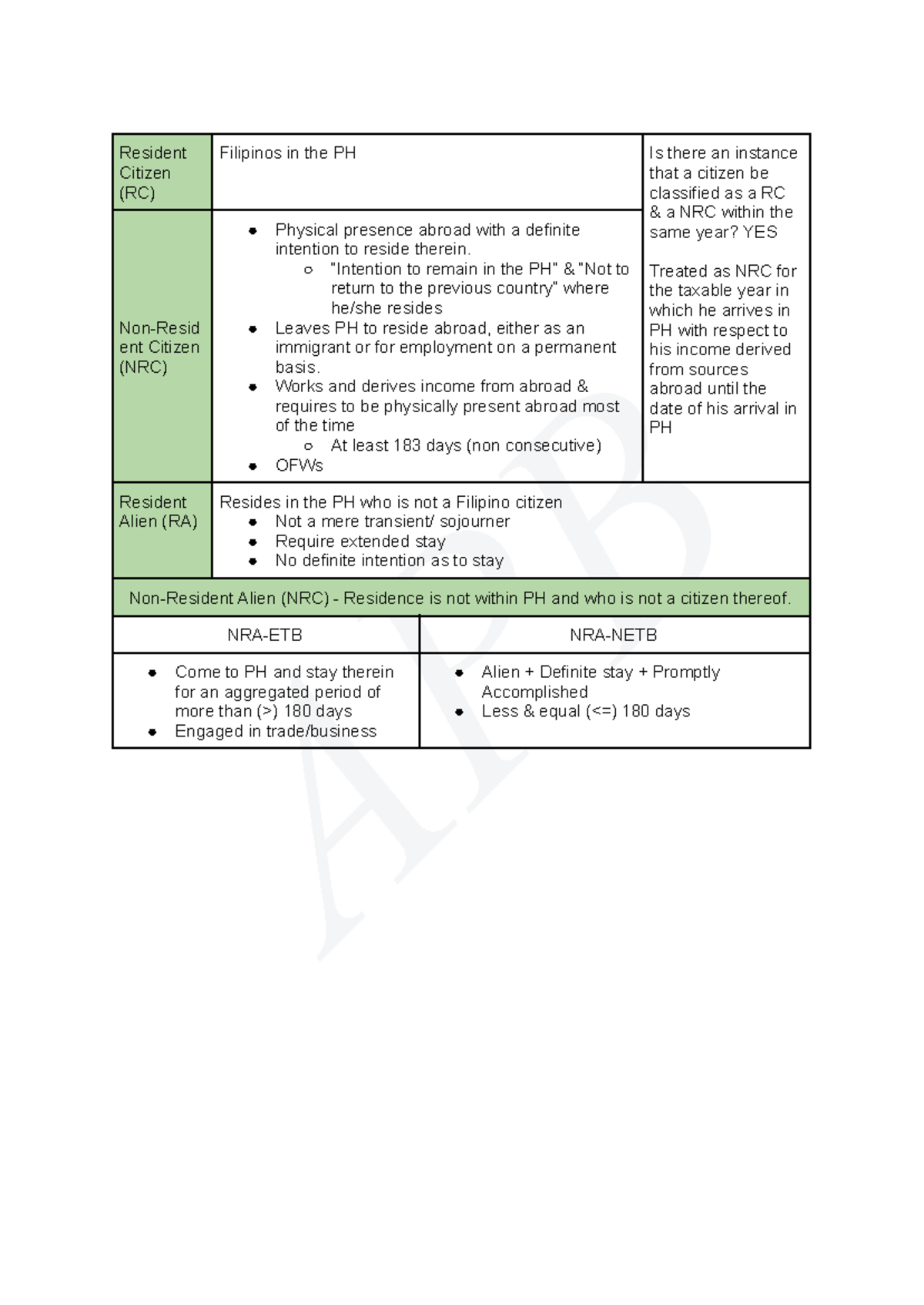
Resident aliens are not considered US citizens for life insurance purposes. While resident aliens may have the legal right to live and work in the United States permanently, insurers view "citizenship" and "residency status" as distinct categories. Life insurance companies assess applicants based on their specific visa status, length of time in the country, and future intentions, rather than solely on their status as a resident alien.
Defining Legal Status in the Context of Underwriting
When you apply for a life insurance policy in the United States, an underwriter must classify your risk profile. Citizenship is a binary status: you are either a US citizen by birth or naturalization, or you are not. However, the insurance industry operates on a broader spectrum of "insurable interest" and "mortality risk."
A resident alien—generally defined by the IRS for tax purposes as an individual who meets either the Green Card test or the Substantial Presence test—holds a different status in the eyes of an insurance carrier than a natural-born citizen. While both a US citizen and a permanent resident (Green Card holder) may be eligible for the same types of policies, the application process, required documentation, and underwriting scrutiny often differ significantly.
Insurance companies are essentially businesses that manage risk. From their perspective, the primary concern is the applicant’s long-term ties to the United States. They want to ensure that the policyholder is not a "transient" individual who may return to their home country, as this complicates the enforcement of contracts, the payment of premiums, and the eventual payout of death benefits.
The Distinction Between Citizenship and Residency
To understand how insurers view your application, you must distinguish between the legal definitions of residency and the industry-specific requirements for coverage.
Permanent Residents (Green Card Holders)
If you hold a Permanent Resident Card, you are treated most similarly to a US citizen. Most major insurance carriers will offer you the same product tiers, premium rates, and policy options that are available to citizens. Because you have demonstrated a clear intent to remain in the US indefinitely, the "mortality risk" is generally viewed as stable.
Non-Permanent Residents (Visa Holders)
Individuals on work visas (such as H-1B, L-1, or O-1) fall into a more complex category. You are a resident alien for tax purposes if you pass the substantial presence test, but you are not a "permanent" resident. In these cases, insurance companies require additional evidence of stability. They will often check:
- Duration of stay: How long have you lived in the US?
- Employment status: Do you have a stable, long-term employment contract?
- Future intent: Do you intend to apply for permanent residency or citizenship?
- Financial ties: Do you have property, bank accounts, or family residing with you in the US?
How Underwriters Evaluate Risk for Resident Aliens
The underwriting process for a resident alien involves verifying that the applicant has sufficient "US ties." An underwriter is not just looking at your medical records; they are conducting a risk assessment on your residency stability.
- The Stability Requirement: If you have only been in the US for a few months, many insurers will automatically decline an application. Most carriers require a minimum of 12 to 24 months of established residency before considering a traditional term or whole life policy.
- Global Travel: If your occupation or lifestyle requires frequent travel back to your country of origin—or to countries with unstable political or economic environments—this is treated as a high-risk factor. It may lead to a "flat extra" fee on your premium or a denial of coverage.
- Medical History: Since many resident aliens may have moved to the US later in life, accessing medical records from their home country can be a hurdle. If an insurer cannot verify your medical history, they may default to a higher premium tier or request a more rigorous medical examination.
Comparison of Coverage Eligibility
The following table outlines how different status levels generally interact with the availability of life insurance products in the US market as of 2026.
| Residency Status | Policy Eligibility | Underwriting Requirements | Typical Premium Impact |
|---|---|---|---|
| US Citizen | Full access to all products | Standard medical/financial | Standard rates |
| Permanent Resident (Green Card) | Full access to most products | Standard + proof of status | Standard rates |
| H-1B / L-1 Visa Holder | Often restricted to specific carriers | High; proof of stability/intent | Standard to "rated" (higher) |
| Student / Tourist Visa | Very limited; usually no coverage | Extremely high; limited products | High to unaffordable |
Note: This table represents general industry trends. Individual carrier guidelines vary significantly.
Why Citizenship Status Affects Premium Costs
While you may be eligible for standard rates as a Permanent Resident, you might face higher premiums if you are on a temporary work visa. This is not necessarily due to bias; it is actuarial.
If an insurer calculates that there is a higher probability of you leaving the country, the administrative costs associated with maintaining a policy across international borders increase. Furthermore, the legal complexity of settling a death claim in a foreign jurisdiction creates a level of uncertainty that insurers account for by adjusting premiums upward. In some cases, if you have not established a clear "insurable interest" in the US, the insurer may determine that the policy is a speculative risk rather than a protective one.
Common Misconceptions Regarding Documentation
A frequent error applicants make is assuming that having a Social Security Number (SSN) makes them a citizen for the purpose of the application. An SSN is a tax and identification tool; it does not confer the rights of citizenship.
When completing your life insurance application, you must be transparent about your visa type. Misrepresenting your residency status or failing to disclose your intent to return to your home country can lead to "contestability" issues. Most life insurance policies have a contestability period, usually two years. If it is discovered that you provided false information regarding your residency status during this time, the insurance company reserves the right to void the policy, leaving your beneficiaries without the death benefit.
Steps to Secure Life Insurance as a Resident Alien
If you are a resident alien seeking life insurance, follow this systematic approach to maximize your chances of approval:
- Verify Your Status: Gather documentation of your current visa status, Green Card, or employment authorization document (EAD).
- Work with an Independent Broker: Do not go to a single insurance company. Use an independent agent who specializes in "foreign national underwriting." Different companies have vastly different risk appetites; one might reject you while another specializes in your specific visa class.
- Establish Ties: Be prepared to demonstrate your connections to the US. This includes documentation of a long-term job, home ownership, or a spouse and children living with you in the country.
- Translate Medical Records: If you have significant medical history outside the US, work with a translation service to ensure your records are legible and understandable by a domestic underwriter.
- Disclose Travel Plans: If you have upcoming business or personal travel to high-risk areas, disclose this upfront. Honesty is critical to ensuring your policy remains valid.
Frequently Asked Questions
Can I get a life insurance policy if I do not have a Green Card? Yes, but your options will be more limited. Many insurers offer policies to individuals on work visas, provided they have a Social Security Number or an ITIN (Individual Taxpayer Identification Number) and meet the carrier’s specific residency duration requirements.
Will I pay more for life insurance because I am a resident alien? Not necessarily. If you hold a Green Card and have lived in the US for several years, you will likely qualify for the same rates as a US citizen. If you are on a temporary visa, you may face higher premiums depending on the insurer's assessment of your "stability."
What happens to my life insurance policy if I move back to my home country? Most US-issued life insurance policies remain in force if you move abroad, provided you continue to pay your premiums. However, you must inform your insurance company of your change of address. Failure to do so can result in the cancellation of your policy due to a lack of contact.
Is my life insurance payout taxable if I am not a US citizen? Taxation of death benefits generally depends on the structure of the policy and the laws of the country where you reside. If you are a resident alien for tax purposes, the IRS may treat the death benefit differently than if you were a non-resident alien. Always consult with a qualified tax advisor familiar with international tax treaties.
Do I need a US bank account to pay premiums? Yes, almost all US life insurance carriers require a US-based bank account to facilitate the payment of premiums. This is a standard requirement for electronic funds transfer (EFT) and helps the insurer maintain compliance with anti-money laundering regulations.
Final Recommendation
The most critical step for a resident alien is to seek out an insurance carrier that is "foreign-national friendly." Rather than applying directly to a large, generic brand, search for brokerage firms that specialize in life insurance for non-citizens. These professionals have established relationships with underwriters who understand the complexities of visa statuses and can steer you toward policies that accept your specific documentation. Before signing any contract, ensure that your application includes an accurate disclosure of your residency status to prevent future complications for your beneficiaries.