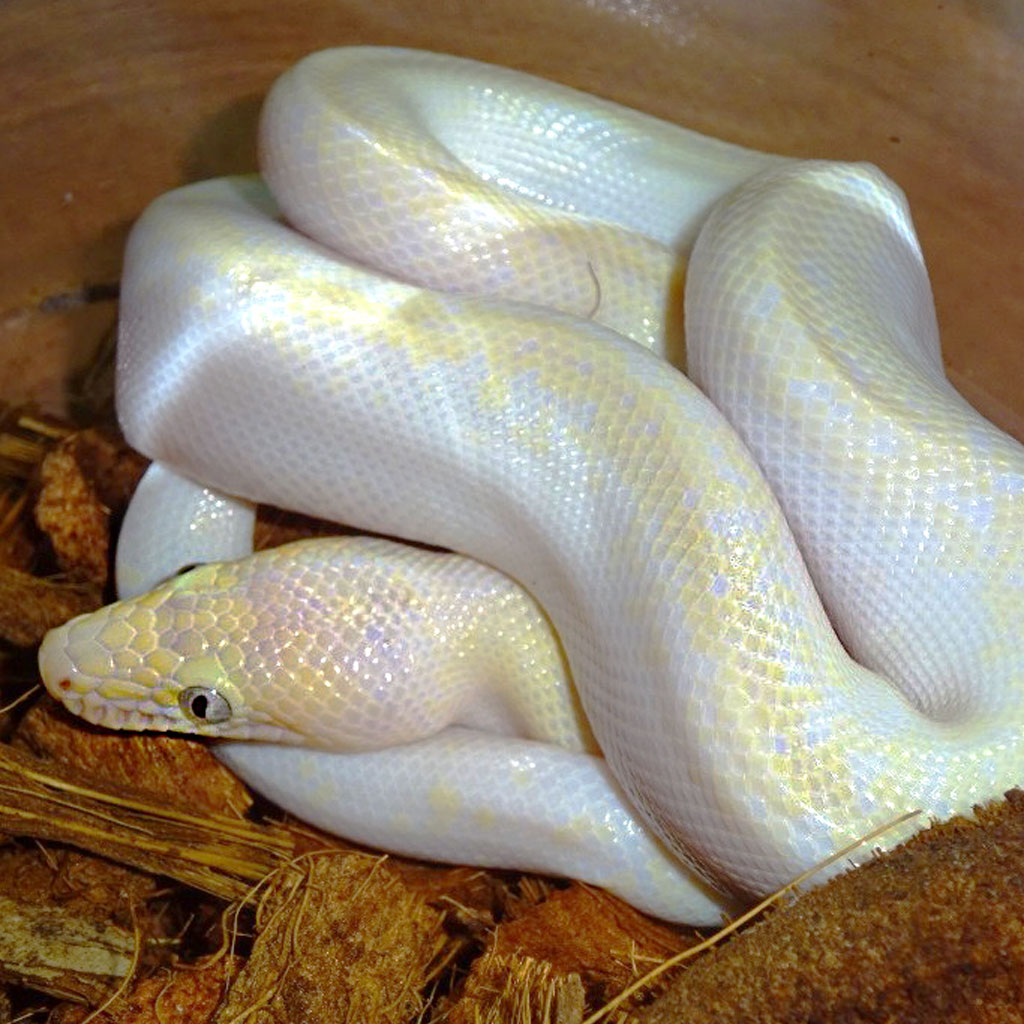
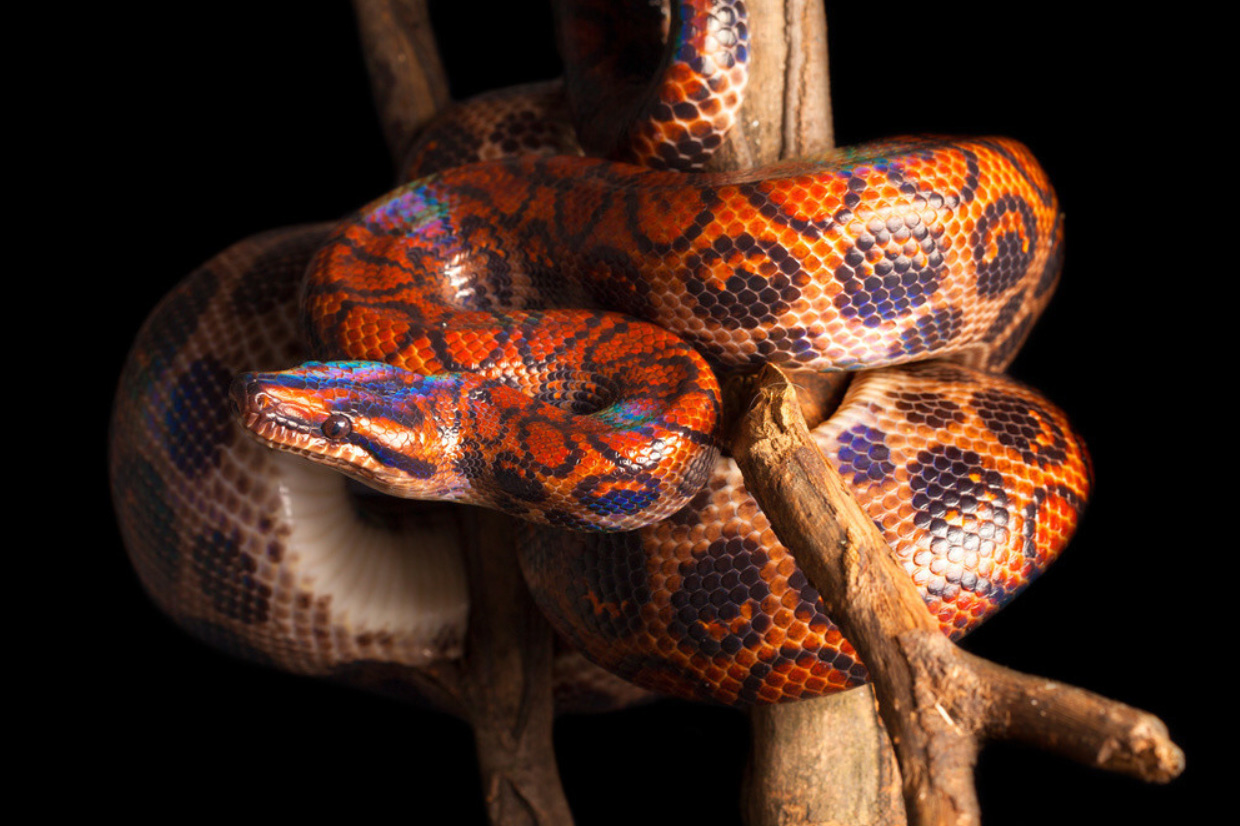
Rainbow boas are considered excellent pets for intermediate keepers, prized primarily for their stunning iridescent scales and manageable adult size. While they are docile and generally avoid biting, they possess specific, non-negotiable environmental requirements regarding humidity and temperature that distinguish them from more common, hardy species like the corn snake or ball python.
Understanding the Rainbow Boa
The term "rainbow boa" most commonly refers to the Brazilian Rainbow Boa (Epicrates cenchria), although the species complex includes several subspecies. These snakes are renowned for the microscopic ridges on their scales, which refract light to create an iridescent, rainbow-like shimmer. Native to the tropical regions of Central and South America, they have evolved to thrive in environments with high ambient moisture and stable, warm temperatures.
For a prospective owner, the appeal of a rainbow boa lies in its aesthetic beauty and its generally calm temperament. Unlike some constrictors that may display defensive posturing, well-socialized rainbow boas are typically inquisitive and reluctant to strike. However, because they are sensitive to environmental stress, they are rarely categorized as "beginner" snakes. An owner must be prepared to manage a specialized vivarium that replicates their native humid, tropical forest floor.
Environmental Requirements and Habitat Setup
The primary reason rainbow boas require more than a "starter" setup is their extreme sensitivity to dehydration. If their enclosure humidity drops too low, these snakes can suffer from respiratory infections and shedding issues (dysecdysis).
Humidity Management
Maintaining humidity levels between 70% and 90% is mandatory. This cannot be achieved with a screen-top glass tank, as the airflow will dry out the substrate too rapidly. Most experts recommend PVC enclosures or vision cages that retain moisture. Substrates such as coconut husk, cypress mulch, or sphagnum moss are superior to aspen shavings or sand, as they hold water effectively without molding quickly.
Thermal Regulation
Rainbow boas require a temperature gradient to regulate their metabolism. The "hot side" of the enclosure should hover between 82°F and 86°F, while the "cool side" should remain between 75°F and 78°F. Nighttime temperatures should not drop below 70°F. Using a ceramic heat emitter or a deep heat projector—connected to a reliable thermostat—is essential to prevent overheating, which can be fatal to the snake.
Feeding and Nutritional Needs
Like all boids, rainbow boas are carnivores. In captivity, they are typically fed pre-killed frozen-thawed rodents.
- Juveniles: Should be fed once every 7–10 days.
- Adults: Can be fed once every 14–21 days depending on their body condition.
It is critical to avoid "power feeding," which is the practice of feeding too frequently to induce rapid growth. This leads to obesity and internal organ damage. A healthy rainbow boa should have a rounded, muscular body shape; if the spine begins to appear prominent or the body becomes flattened, dietary adjustments are necessary. Always ensure the prey item is no wider than the thickest part of the snake’s body.
Handling and Temperament
Rainbow boas are generally docile, especially when handled regularly from a young age. They are nocturnal or crepuscular, meaning they are most active at dawn, dusk, or during the night. An owner should avoid disturbing the snake while it is sleeping during the day or when it is in the "blue" phase—the period before shedding when their eyes become cloudy and their vision is impaired.
When handling, support the snake’s body at multiple points to ensure it feels secure. Avoid rapid movements, which may cause the snake to tighten its coils for stability. Because they are terrestrial and semi-arboreal, they may be active explorers when taken out of the enclosure.
Comparative Overview: Rainbow Boas vs. Other Common Pet Snakes
| Feature | Rainbow Boa | Ball Python | Corn Snake |
|---|---|---|---|
| Humidity Needs | Very High (70-90%) | Moderate (50-60%) | Low-Moderate (40-50%) |
| Difficulty | Intermediate | Beginner-Intermediate | Beginner |
| Temperament | Docile/Inquisitive | Docile/Shy | Active/Curious |
| Adult Size | 4–6 Feet | 3–5 Feet | 3–5 Feet |
| Lifespan | 15–20 Years | 20–30 Years | 15–20 Years |
Potential Challenges and Troubleshooting
The most common mistake new owners make is underestimating the difficulty of maintaining a high-humidity environment. If a snake is struggling to shed its skin in one piece, it is a definitive sign that the ambient humidity is insufficient. Immediate corrective actions include adding a humid hide—a container filled with damp moss inside the enclosure—or increasing the depth of the substrate to retain more moisture.
Another issue is "mouth rot" or scale rot, which often results from unsanitary conditions or persistent dampness without proper ventilation. Ensuring the enclosure is cleaned of waste immediately and that the substrate is not waterlogged (only moist) will prevent these bacterial infections.
Legal and Ethical Considerations
Before acquiring a rainbow boa, check local and state regulations regarding the ownership of exotic animals. While Epicrates cenchria is widely permitted, some jurisdictions have specific laws regarding "boid" species. Furthermore, always source your snake from a reputable, captive-bred breeder. Wild-caught specimens are often heavily parasitized, prone to high stress, and may refuse to eat in captivity, making them unsuitable for any pet owner.
Frequently Asked Questions
Are rainbow boas prone to biting? They are generally very docile. While any snake may strike if it feels threatened, hungry, or is handled during shedding, rainbow boas do not have a reputation for aggression. Bites are almost always the result of a feeding error (mistaking a hand for prey).
Do I need specialized lighting for a rainbow boa? While they do not require intense UVB light like some lizards, many keepers now provide low-level LED or localized light cycles to help maintain their circadian rhythm, which can improve appetite and activity levels.
Can rainbow boas live with other snakes? No. Snakes are solitary animals. Housing them together (cohabitation) causes significant stress and can lead to injury or death during feeding, as one snake may accidentally strike the other.
How big of an enclosure do they need? A juvenile can start in a 20-gallon enclosure, but an adult will eventually require a minimum of a 4-foot by 2-foot by 2-foot enclosure to provide adequate space for thermoregulation and exercise.
Final Recommendation
Rainbow boas are wonderful pets for the dedicated hobbyist who understands the importance of precise environmental control. If you are willing to invest in a high-quality, moisture-retaining enclosure and commit to monitoring humidity levels daily, you will be rewarded with one of the most beautiful and rewarding species in the reptile hobby. If you are a first-time reptile owner, ensure you have your habitat fully cycled and monitored for at least one week before bringing your new snake home.