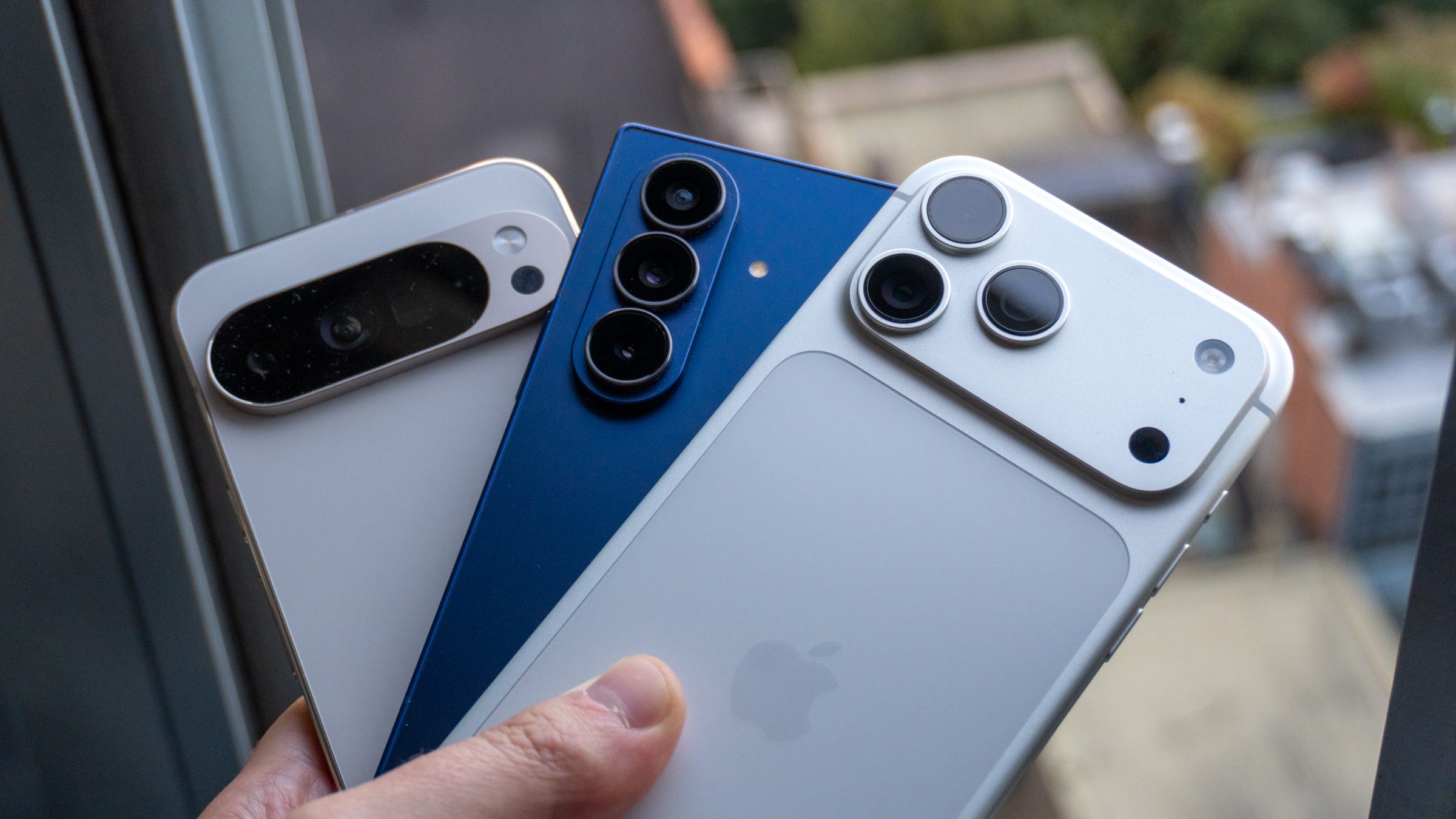
Whether smartphones are "good" for you is not a binary question, as these devices function as powerful multipurpose tools that offer significant utility while simultaneously introducing distinct psychological and physiological challenges. Their impact depends entirely on how they are integrated into your daily workflow, personal habits, and information consumption patterns.
The Utility of Modern Smartphones
At their core, smartphones are mobile computing platforms that have democratized access to information. In 2026, the device in your pocket serves as a portable office, a navigation system, a library, and a communication hub. The benefit lies in efficiency; you can manage finances, conduct research, and communicate with global contacts instantaneously.
For many professionals and students, the smartphone is an essential tool for productivity. Cloud-based synchronization allows for seamless transitions between devices, ensuring that documents and schedules are always accessible. When used as a purposeful tool rather than a passive entertainment device, the phone enhances agency and operational speed in ways that were impossible two decades ago.
Cognitive and Psychological Impacts
The constant accessibility of information has altered the way humans process knowledge. While the ability to look up facts immediately is a cognitive advantage, it also impacts "deep work"—the ability to focus without distraction on a cognitively demanding task. Constant notifications create a state of "continuous partial attention," where the brain is perpetually scanning for new inputs, which can reduce the depth of concentration and increase mental fatigue.
Furthermore, the integration of social media platforms and algorithmic feeds is designed to maximize engagement, often leading to dopamine-driven feedback loops. This behavior can lead to shortened attention spans and a dependency on external validation. The challenge for the user is maintaining intentionality; the phone is designed to capture your attention, and reclaiming that focus requires disciplined settings management, such as the use of "Focus" modes or granular notification controls.
Physical Considerations and Ergonomics
The physical impact of smartphone usage is increasingly documented in clinical settings. "Text neck"—a term used to describe cervical spine strain caused by looking down at a screen for extended periods—has become a common complaint. This repetitive stress can lead to chronic neck and shoulder pain, often referred to as forward head posture.
Additionally, the exposure to high-energy visible (HEV) blue light, especially in the evening, can interfere with the body’s natural circadian rhythm. By suppressing melatonin production, nighttime phone use can delay sleep onset and reduce overall sleep quality. Modern operating systems have introduced "Night Shift" or "Blue Light Filter" features to mitigate this, though these tools do not fully replace the need for behavioral changes, such as setting a phone-free period before bedtime.
The Digital Well-Being Landscape
By 2026, major device manufacturers have integrated robust digital well-being suites into their operating systems. These tools provide users with data regarding their screen time, pick-up frequency, and app usage patterns.
Strategies for Healthy Engagement
- Audit Your Apps: Frequently remove applications that do not serve a productive or meaningful purpose to reduce unnecessary check-ins.
- Batch Notifications: Configure your device to deliver non-urgent notifications in batches rather than individually to prevent constant interruptions.
- Establish Physical Boundaries: Designate "phone-free zones" in your home, such as the dining room or the bedroom, to encourage presence and improve sleep hygiene.
- Utilize Greyscale Mode: Many users find that switching their screen to black-and-white reduces the aesthetic appeal of apps, making the device less addictive.
Comparison of Smartphone Use Patterns
| Usage Category | Potential Benefits | Potential Risks |
|---|---|---|
| Professional | Instant communication, remote access to files, calendar management. | Blurred work-life boundaries, burnout, constant connectivity stress. |
| Educational | Access to research, language apps, skill-building content. | Shallow processing, over-reliance on summaries rather than deep reading. |
| Social | Maintaining long-distance relationships, community engagement. | Fear of Missing Out (FOMO), social comparison, privacy concerns. |
| Navigation | Precise location tracking, real-time traffic data, travel safety. | Over-reliance on GPS, degradation of spatial navigation skills. |
Addressing the Risks
It is important to acknowledge that the "goodness" of a phone is subject to jurisdictional and individual differences. For younger users, the risks associated with exposure to inappropriate content and cyberbullying necessitate active parental oversight and digital literacy education.
From a privacy perspective, the data collection practices of apps and services are a significant concern. Every interaction, location ping, and search query contributes to a digital profile. Users must be diligent about reviewing app permissions—specifically location, microphone, and camera access—to ensure they are not inadvertently sharing sensitive information with third parties.
Medical/Legal Limitation: This article provides general information regarding device usage and is not a substitute for professional medical or psychological advice. If you are experiencing symptoms of physical strain or psychological distress related to technology, please consult a qualified healthcare provider.
Frequently Asked Questions
Does phone usage permanently damage your vision?
While there is no definitive evidence that smartphones cause permanent anatomical damage to the eyes, prolonged focus on close-up screens can lead to digital eye strain. Symptoms include dryness, blurred vision, and headaches. Following the 20-20-20 rule—every 20 minutes, look at something 20 feet away for 20 seconds—can help alleviate these symptoms.
Are children more susceptible to the negative effects of phones?
Yes. Because the prefrontal cortex—the part of the brain responsible for impulse control and decision-making—continues to develop into a person's mid-twenties, children and adolescents are more susceptible to the addictive design features of smartphones. Limiting screen time and curating content are recommended strategies for younger users.
How can I tell if I am too dependent on my phone?
Signs of dependency include checking your phone immediately upon waking, feeling anxious when the device is not nearby, or finding it difficult to engage in offline activities without reaching for your phone. If your device usage interferes with your sleep, work, or face-to-face relationships, it is likely time to implement stricter boundaries.
Is it necessary to use "Blue Light" glasses?
The scientific consensus on blue light glasses is mixed. While some users report a reduction in eye strain, the most effective way to improve sleep hygiene is to limit screen exposure before bed. Relying on software-based color temperature adjustments is generally more effective and cost-efficient than purchasing specialized eyewear.
Can phones contribute to social anxiety?
For some, digital interaction serves as a safety blanket that masks social anxiety, preventing the development of necessary interpersonal skills. Over-reliance on text-based communication can lead to a discomfort with in-person interactions, where cues such as tone, body language, and immediate feedback are present.
Next Steps for Healthier Phone Habits
To determine if your phone is working for you, conduct a one-week audit. Use your device’s built-in digital wellness dashboard to track exactly how much time you spend on various categories of apps. If you find that the majority of your time is spent in passive scrolling rather than productive or intentional communication, begin by disabling non-essential notifications and moving all social media apps off your home screen. By treating your phone as a tool you choose to use, rather than a device that dictates your schedule, you can regain control and ensure that the technology serves your life, not the other way around.