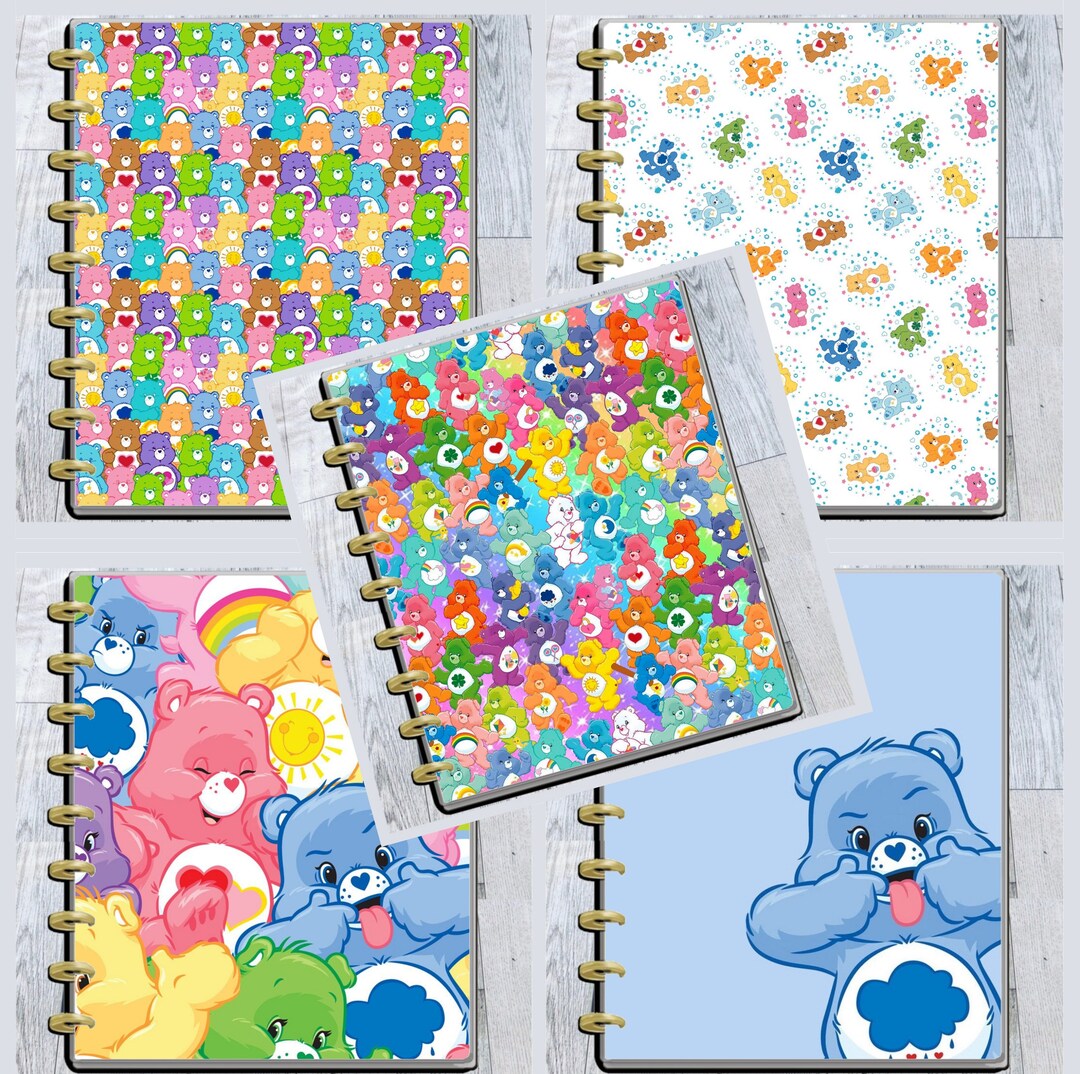
Planner bears—those specialized, bear-themed stationery accessories, magnetic bookmarks, or plush clips designed to accompany personal planners—are fundamentally worth the investment only if you prioritize aesthetic motivation and tactile organization over minimalist, cost-effective utility. While they offer undeniable benefits in terms of visual engagement and page marking, they are rarely essential tools for basic time management and can introduce clutter for those prone to over-accessorizing.
Understanding the Planner Bear Phenomenon
In the world of stationery and productivity, the "planner community" has grown significantly over the last decade. Within this niche, "planner bears" have emerged as a dominant accessory trend. These items typically take the form of small, decorative clips, magnetic page markers, or sometimes even miniature plush charms attached to the coils of a planner. Unlike high-utility items such as specialized pens or index tabs, these bears are primarily decorative.
The appeal of the planner bear is rooted in "functional aesthetics"—the psychological principle that making a tool visually appealing increases the likelihood of consistent use. For individuals who struggle to maintain a daily journaling habit, the presence of a cute, customized accessory can provide the positive reinforcement needed to open the planner each morning. However, it is important to distinguish these from professional productivity tools. They are decorative, tactile enhancements rather than core components of a planning system.
The Anatomy of Planner Bear Utility
To determine if these items are worth the hype, we must categorize how they function within a standard planning workflow. Most consumers encounter planner bears in three distinct forms:
- Magnetic Clips: These function as high-end bookmarks. They are thin, lightweight, and clip onto the edge of the paper. They are generally superior to traditional paperclips because they do not leave permanent indentations on the pages.
- Coil Clips: Specifically designed for disc-bound or wire-bound planners, these dangle from the spine. They serve as a focal point for the planner's aesthetic theme.
- Adhesive Decals/Die-cuts: These are flat bear-shaped stickers or cardstock cutouts used to decorate headers or call attention to specific tasks.
The "hype" surrounding these items often stems from limited-edition releases by independent stationery brands. When specific colorways or seasonal bear designs are released, they often sell out rapidly, creating a collector's market. If your intent is purely to track tasks, these items add zero marginal utility. If your intent is to create a personal, engaging workspace that encourages habit formation, their value becomes subjective but measurable through your own improved consistency.
Comparative Analysis: Planner Bears vs. Traditional Organization
When evaluating whether to allocate your budget to these accessories, it is helpful to look at how they compare to standard organizational tools.
| Feature | Planner Bears | Traditional Sticky Notes | Standard Bookmarks |
|---|---|---|---|
| Primary Purpose | Aesthetic/Motivation | Task Highlighting | Quick Reference |
| Reusability | High (Magnetic) | Low (Paper) | Moderate |
| Bulk/Weight | Minimal to Moderate | Negligible | Very Low |
| Cost Per Unit | High ($5–$12) | Low ($0.05–$0.20) | Low ($0.50–$2.00) |
| Durability | High (PVC/Metal) | Low | Moderate |
As shown in the table, planner bears are significantly more expensive than standard stationery. You are not paying for functional superiority; you are paying for the "community cachet" and the visual pleasure of the design. If you are operating on a strict budget, these items should be the first to be cut from your planning expenses.
The Psychological Aspect of "Planner Decor"
Psychologists have long studied the impact of workspace customization on productivity. The theory of "environmental enrichment" suggests that individuals who have control over their immediate work environment, including the aesthetic choices of their tools, often report higher levels of satisfaction and lower levels of task aversion.
For many, the act of decorating a planner with bears or other themed items acts as a "micro-ritual." Preparing the planner—adding clips, choosing stickers, and color-coding—can serve as a calming transition into the workday. If the "hype" results in you actually using your planner more effectively, then the financial cost is easily justified. Conversely, if the pursuit of the "perfect" bear accessory leads to procrastination (spending more time decorating than actually working), the item has become a distraction.
Practical Considerations: Requirements and Limitations
Before investing in a collection of planner bears, consider the following technical and practical constraints:
- Page Thickness: If you use a thin-paper planner (such as those with 52gsm Tomoe River paper), heavy magnetic clips can sometimes cause the paper to warp or crease if left in the same spot for extended periods.
- Bulk and Portability: If you carry your planner in a tight bag, large bear charms or clips can snag on interior fabric or be crushed, potentially damaging the planner’s covers.
- Compatibility: Always check if the clip mechanism is designed for your specific planner type. A clip designed for a standard spiral-bound planner may not sit securely on a disc-bound system.
- Verification of Quality: When purchasing from independent makers, check for reviews regarding the strength of the magnets. A weak magnet is the primary cause of user frustration, as the "bear" will constantly fall off or move when the planner is transported.
Addressing the Collector's Market
A significant portion of the "hype" is driven by social media platforms, where "Plan With Me" videos showcase highly curated, expensive setups. It is easy to feel that your planning system is inadequate because it lacks these flourishes.
Remember that these content creators often receive these products as PR samples or buy them as part of their business expenses. You do not need to mirror their collections to have an effective system. If you find a specific bear design that brings you genuine joy, buy one or two. Avoid the "must-collect-them-all" mentality, which is the primary driver of the hype but contributes nothing to your actual output or goal management.
Frequently Asked Questions
Are planner bears considered professional tools? Generally, no. They are categorized as lifestyle stationery. While they can be used in a professional setting, they serve a decorative, personal-preference role rather than a functional, productivity-enhancing one.
Do planner bears damage the paper? Most high-quality magnetic bear clips are designed to be paper-safe. However, cheaper clips with rough edges or strong, concentrated magnets may cause indentations or ink transfer on delicate papers. Always test on a back page first.
Where is the best place to source quality planner bears? Reputable stationery boutiques and independent creators on platforms like Etsy are the primary sources. Avoid extremely low-cost, bulk-produced versions on major marketplaces, as these often lack the magnetic strength and durability required for daily use.
How many planner bears do I really need? For functional purposes, two is the maximum: one for your current week and one for your current day. Anything beyond this is for aesthetic collection purposes rather than utility.
Are there alternatives if I find bears too expensive? Yes. If you appreciate the aesthetic but not the price, consider high-quality washi tape. It provides color and design customization at a fraction of the cost per use, and it is significantly thinner, making it more portable for those who prioritize a slim profile in their notebooks.
Does the hype affect resale value? Yes. In niche stationery communities, certain retired or limited-edition bear designs can hold or even increase in value. However, this is a speculative market and should not be considered a financial investment strategy.
Recommendation: How to Approach the Hype
If you are currently deciding whether to purchase your first set of planner bears, follow this three-step validation process:
- Assess Your Current Habit: If you have used your planner consistently for at least 30 days without decorative accessories, you are a candidate for an "aesthetic reward." You have earned the right to make your tool more enjoyable.
- Define Your Primary Use Case: If you need a functional bookmark, choose a low-profile magnetic bear. If you simply want to add personality, choose a clip or charm.
- The One-Week Rule: Purchase only one item first. Use it for a full week. If the item improves your experience—either by making the planner easier to navigate or simply making you happy to look at it—then it is worth the hype for you personally. If it ends up being a nuisance or a distraction, do not continue to invest in the trend.
Ultimately, your planner is a tool meant to serve your goals. Whether it wears a bear or remains strictly utilitarian, its success is measured by the clarity and progress it brings to your life. Focus on the content of your schedule first; the accessories are merely the finishing touch.