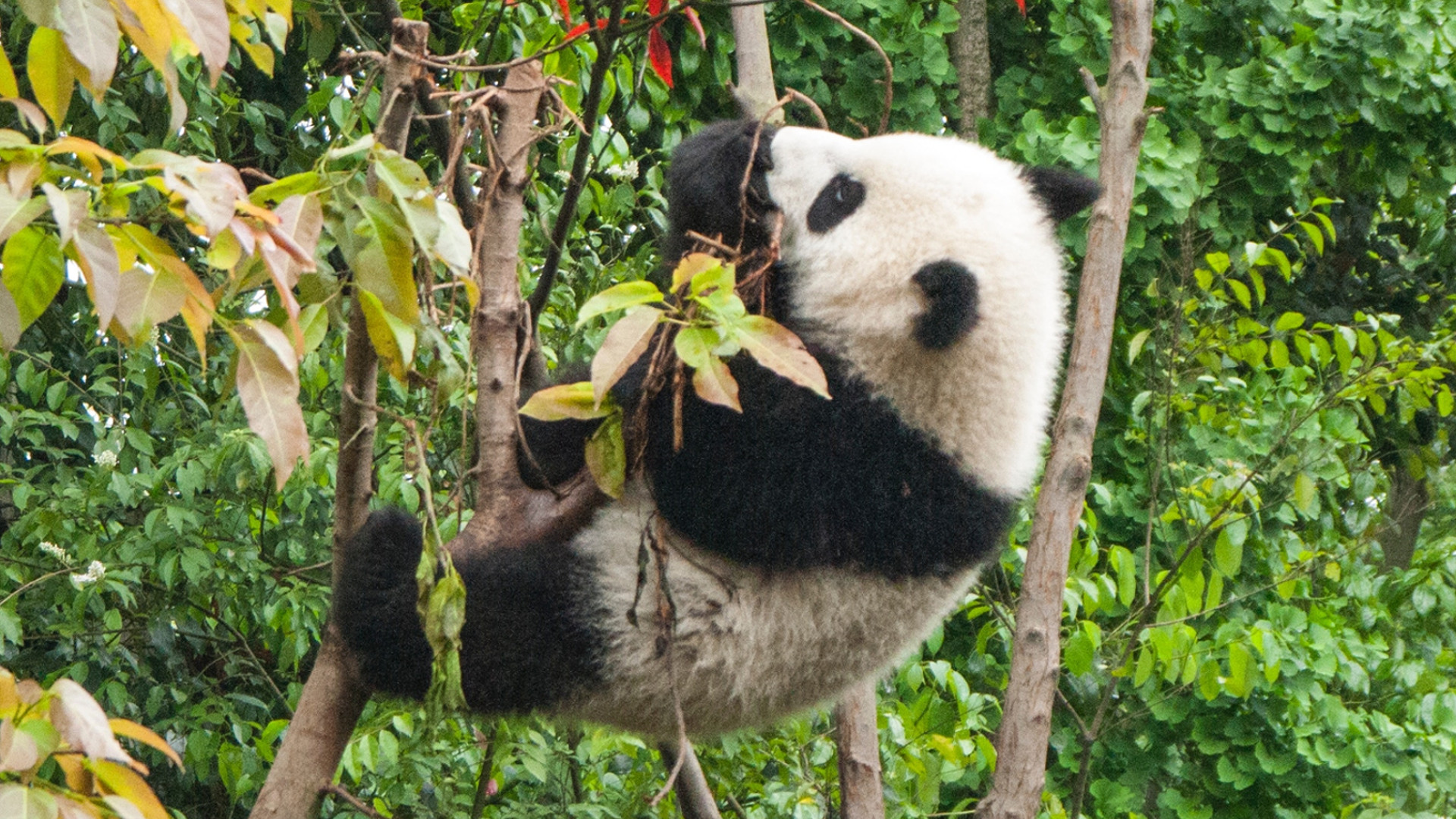
As of 2026, the giant panda (Ailuropoda melanoleuca) is officially classified as "Vulnerable" rather than "Endangered" by the International Union for Conservation of Nature (IUCN). While this represents a significant improvement from its previous status, the species remains at risk, requiring ongoing habitat protection, anti-poaching measures, and scientific management to prevent a slide back toward critical endangerment.
The Evolution of Conservation Status
For decades, the giant panda served as the global face of wildlife conservation, symbolizing the urgent need to protect biodiversity. For much of the late 20th century, the species was listed as "Endangered," facing existential threats from rampant habitat loss, human encroachment, and extremely low population density in fragmented forests.
In 2016, the IUCN downgraded the status of the giant panda to "Vulnerable" on its Red List of Threatened Species. This decision was based on a comprehensive assessment that showed a population increase, with an estimated 1,864 adult individuals living in the wild at that time. By 2026, that trend of slow recovery has continued, bolstered by rigorous protection policies enacted by the Chinese government. However, experts emphasize that "Vulnerable" is still a precarious designation. It denotes a species that, while not currently on the immediate brink of extinction, is still likely to become endangered if the circumstances threatening its survival and reproduction are not managed effectively.
Understanding the Factors Behind the Reclassification
The transition from "Endangered" to "Vulnerable" was not an accident or a sudden surge in birth rates; it was the result of long-term, structural changes in how natural resources and protected areas are managed.
Habitat Restoration and Connectivity
The most significant factor in the panda's progress has been the expansion of the giant panda nature reserve system. In the early 2000s, the Chinese government implemented the Natural Forest Conservation Program, which banned logging in key habitats. By 2026, the creation of the Giant Panda National Park—an enormous protected zone spanning multiple provinces—has allowed for the reconnection of fragmented wild populations. Genetic exchange between previously isolated groups is vital for the long-term health of the species, as it prevents inbreeding and increases resilience against disease.
Anti-Poaching and Legal Enforcement
Historically, poaching was a major driver of population decline. Through strict national legislation and the establishment of local enforcement squads, illegal hunting of pandas has been drastically reduced. The public perception of the panda within China has also shifted, with the animal serving as a symbol of national heritage. This cultural shift, combined with harsh penalties for harming the species, has created an environment where humans and pandas are less likely to come into violent conflict.
Scientific Monitoring and Captive Breeding
Captive breeding programs have provided a safety net for the species. Research centers, such as the Chengdu Research Base of Giant Panda Breeding, have successfully increased the genetic diversity of captive populations. These facilities serve two roles: they act as a biological insurance policy and as a center for research into reproductive biology. In 2026, these facilities are shifting their focus from purely increasing numbers to preparing individuals for potential reintroduction into the wild, a complex process that requires specific behavioral training.
Ongoing Challenges and Threats in 2026
Despite the success stories, it would be inaccurate to classify the giant panda as "safe." A "Vulnerable" status implies that the species' survival is still conditional upon human-led maintenance.
Climate Change Impacts
The greatest long-term threat to the giant panda in 2026 is climate change, specifically regarding the distribution of bamboo. Pandas are specialized feeders; their entire diet consists of various bamboo species. As global temperatures rise, the specific altitude ranges where these bamboo species grow are shifting. Models suggest that a significant portion of the current panda habitat may become unsuitable for bamboo growth by the end of the century. If the pandas cannot migrate to higher altitudes—or if suitable terrain is not available—the available food supply will shrink, leading to population decline regardless of poaching or human encroachment protections.
Infrastructure and Fragmentation
While the Giant Panda National Park provides a core of protection, the surrounding landscape is still heavily impacted by human infrastructure. Roads, hydroelectric dams, and mining operations create "islands" of habitat. Even with wildlife corridors, these man-made barriers disrupt the natural movement of pandas, particularly during mating season. The challenge for 2026 is not just to maintain current borders, but to integrate conservation into broader regional development plans so that infrastructure does not undo the gains made in the last two decades.
Genetic Health and Population Density
While total population numbers are up, the genetic diversity within specific subpopulations is a concern. When populations are confined to small areas, the risk of genetic drift and the accumulation of deleterious mutations increases. Modern conservation efforts in 2026 prioritize "genetic corridors"—managed routes that allow wild pandas to move between reserves, ensuring that the wild population remains robust enough to handle environmental shocks.
Comparative Status of Protected Species
To understand the significance of the panda's status, it is helpful to compare its situation with other megafauna that share similar ecological constraints.
| Species | IUCN Status (2026) | Primary Threat | Conservation Outlook |
|---|---|---|---|
| Giant Panda | Vulnerable | Climate Change | Stable/Recovering |
| Sumatran Rhino | Critically Endangered | Poaching/Habitat Loss | Declining |
| Mountain Gorilla | Endangered | Civil Unrest/Disease | Improving |
| Red Panda | Endangered | Forest Degradation | Declining |
This comparison highlights that the "Vulnerable" status of the giant panda is a testament to the effectiveness of centralized, well-funded conservation programs. Unlike many other endangered species, the giant panda benefits from a high level of political prioritization.
Frequently Asked Questions (FAQ)
1. Is it true that pandas are no longer considered endangered? Yes. As of 2026, the official IUCN status for the giant panda is "Vulnerable." It was downgraded from "Endangered" in 2016. This means the species is still at risk but the population is increasing.
2. Does "Vulnerable" mean they are safe from extinction? No. "Vulnerable" indicates that the species is at high risk of becoming endangered again if the conservation measures currently in place are discontinued. The species still faces major threats, particularly from climate change and habitat degradation.
3. Why is climate change such a big deal for pandas? Pandas have a very specialized diet consisting almost entirely of bamboo. As climate change alters mountain ecosystems, the bamboo forests may move to higher elevations or die out in certain areas, leaving the pandas without sufficient food.
4. How does the Chinese government protect them? Protection is managed through the establishment of massive nature reserves, a complete ban on logging in key habitats, strict anti-poaching laws, and sophisticated monitoring using satellite technology and camera traps.
5. Can these pandas be released into the wild? Yes, but it is very difficult. Captive-born pandas must undergo a long "re-wilding" process to learn how to survive on their own, avoid predators, and navigate complex mountain terrain. Success rates are measured carefully to ensure they do not disrupt the wild population.
Future Perspectives: The Path Forward
The path for the giant panda in the next decade involves a transition from simple population counting to ecosystem-based management. Conservationists are increasingly looking at the "Umbrella Species" concept. By protecting the panda’s habitat, we are simultaneously protecting the entire mountain ecosystem, including numerous other rare species like the golden snub-nosed monkey and the Chinese tragopan.
The strategy for the remainder of the 2020s and beyond focuses on three pillars:
- Connectivity: Improving biological corridors to link isolated populations, ensuring long-term genetic health.
- Climate Resilience: Identifying and protecting "climate refugia"—areas of the mountain range that are likely to maintain stable bamboo growth despite rising global temperatures.
- Community Integration: Working with local communities who live near panda habitats to ensure they are stakeholders in conservation rather than adversaries. This includes ecotourism development and incentivizing sustainable farming practices that do not encroach on wild territory.
In summary, while the giant panda has achieved a remarkable recovery compared to its status in the late 20th century, the designation of "Vulnerable" serves as a necessary warning. The species has escaped the immediate threshold of extinction, but its future remains firmly in the hands of global climate policy and local habitat management. For researchers and conservationists in 2026, the goal is no longer just to prevent the panda from disappearing, but to ensure it can exist as a self-sustaining wild population without constant human intervention.