Plastic straws are not broadly "illegal" for possession or use in California, but state law significantly restricts their distribution in food service establishments. Under Assembly Bill 1884, which took effect in 2019, full-service restaurants are prohibited from providing single-use plastic straws to customers unless specifically requested. This measure is part of a broader legislative effort to reduce single-use plastic waste and its impact on the state’s marine ecosystems.
The Legislative Foundation: Assembly Bill 1884
The primary governing document regarding plastic straws in California is Assembly Bill 1884 (AB 1884), signed into law in 2018. This legislation specifically targets "full-service" restaurants. According to the California Public Resources Code, a full-service restaurant is defined as an establishment where a server provides water or other beverages to a patron at the table, and food is ordered and served at the table.
The law does not ban the manufacturing, sale, or personal possession of plastic straws. Instead, it regulates the point of distribution. The legal mandate requires that such establishments only provide a single-use plastic straw if the customer makes a direct request for one. This "upon request" framework was designed to reduce the volume of straws that end up as litter in the environment, particularly on beaches and in coastal waters, while still maintaining access for those who require them.
Defining Full-Service vs. Fast-Food
It is important to note the scope of the restriction. The law applies specifically to dine-in, full-service establishments. It does not apply to fast-food outlets, coffee shops, or other quick-service restaurants where food is ordered at a counter and patrons typically collect their own items or pick them up at a designated window. Consequently, in many fast-food settings, plastic straws may still be readily available in dispensers or at condiment stations, though many chains have transitioned to alternative materials voluntarily.
Environmental Context and Legislative Intent
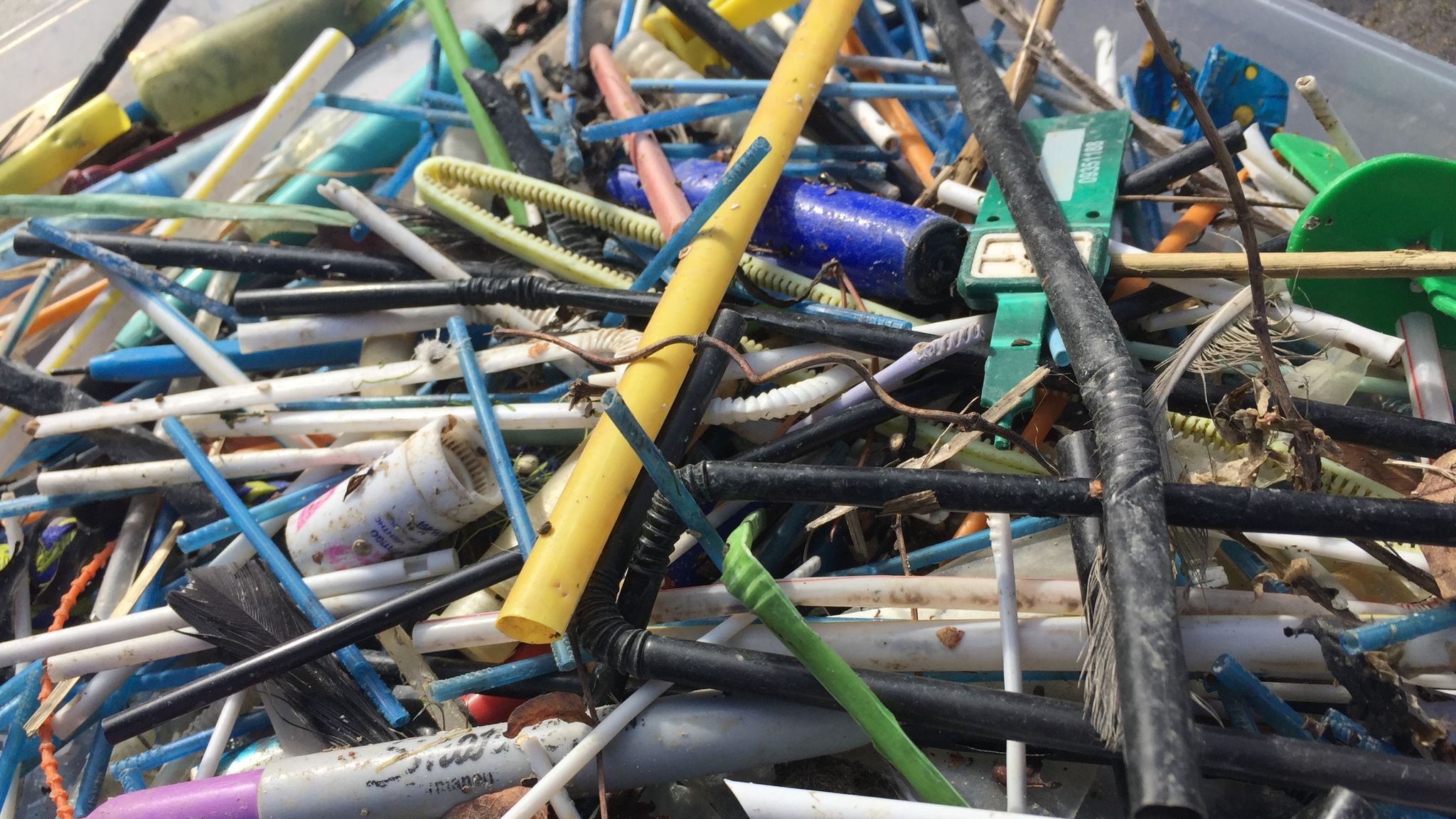
The push to regulate plastic straws in California is rooted in environmental concerns regarding marine pollution. Plastic straws, while small, are frequently identified in beach clean-up data as a common form of plastic debris. Because they are often lightweight, they are easily transported by wind or water into storm drains and, eventually, into the Pacific Ocean.
Once in the marine environment, plastic does not biodegrade. Instead, it photo-degrades, breaking down into smaller particles known as microplastics. These microplastics can be ingested by marine life, leading to physical blockages, nutritional deficiencies, and the potential transfer of chemical additives into the food chain. California legislators argued that implementing a "straws-upon-request" policy would nudge businesses and consumers toward more sustainable habits without imposing a total ban that might affect individuals with disabilities who rely on plastic straws for accessibility reasons.
Accessibility and Medical Necessity
One of the most critical aspects of the debate surrounding plastic straw legislation is accessibility. Plastic straws are often preferred by people with certain disabilities, such as those with limited motor control or conditions that make it difficult to drink from cups or use rigid alternatives like metal, glass, or bamboo.
During the drafting of AB 1884, advocacy groups emphasized that a complete ban on plastic straws could marginalize these populations. The resulting "upon request" compromise is intended to balance the state’s environmental goals with the need to maintain an essential tool for people with disabilities. By ensuring that restaurants are legally permitted to provide a plastic straw upon request, the law prevents a blanket prohibition that would otherwise negatively impact accessibility in public accommodations.
Comparing Material Alternatives
As businesses adapt to the regulatory landscape and consumer pressure, they have increasingly turned to alternatives to traditional single-use plastic straws. Each option comes with its own set of trade-offs regarding cost, durability, and environmental footprint.
| Material | Durability | Cost | Sustainability Profile |
|---|---|---|---|
| Paper | Low (soggy) | Low | Biodegradable/Compostable |
| Metal | High (reusable) | High (initial) | Reusable/Recyclable |
| Silicone | High (reusable) | Medium | Durable/Washable |
| Polylactic Acid (PLA) | Medium | Medium | Compostable (Industrial) |
| Bamboo | High | Medium | Natural/Renewable |
The Challenge of Compostable Plastics
Many businesses have transitioned to straws made of Polylactic Acid (PLA), often referred to as "bioplastics." While these appear identical to traditional petroleum-based plastic straws, they are derived from renewable resources like corn starch. However, there is a nuance: most PLA straws only break down in industrial composting facilities. If they enter the standard municipal recycling stream, they can actually contaminate batches of recyclable plastic, potentially leading to the entire batch being sent to a landfill.
Local Ordinances and City-Specific Rules
While AB 1884 is a statewide statute, California cities and counties have the authority to implement stricter regulations. Some municipalities have moved beyond the state-level requirement by banning single-use plastic straws entirely, regardless of whether a customer requests one.
For instance, cities like Malibu and San Luis Obispo have enacted local ordinances that prohibit the distribution of single-use plastic straws in favor of marine-degradable or reusable alternatives. Before visiting a specific city, residents and business owners should check municipal codes, as local regulations may supersede the baseline state standard established by the California legislature.
Enforcement and Compliance
From a practical standpoint, the enforcement of AB 1884 is handled by local health departments during their routine inspections of food service facilities. The penalty structure for non-compliance is designed to be graduated:
- First and Second Violations: A notice of violation is issued to the establishment.
- Third and Subsequent Violations: The establishment may face a fine of $25 per day, up to a maximum of $300 annually.
This enforcement mechanism reflects a focus on education and compliance rather than punitive measures. Most businesses prefer to comply with the policy to avoid administrative friction and to align with the growing consumer demand for sustainable business practices.
Common Misconceptions
A frequent point of confusion is the belief that possession of a plastic straw is illegal. There is no statute in California that criminalizes an individual for possessing, carrying, or using a plastic straw. The regulation is strictly a commercial restriction placed upon businesses.
Another misconception is that all straws have been banned. As noted, the law only affects "single-use" plastic straws. Reusable plastic straws are not subject to the same regulations, and establishments are free to provide plastic straws if a consumer requests one. The goal is the reduction of unnecessary distribution, not the eradication of the object itself.
Future Outlook: Beyond Straws
The movement to regulate plastic straws is widely viewed as a "gateway" policy in the broader fight against single-use plastics. Following the implementation of laws regarding straws, California has passed more comprehensive legislation, such as the Plastic Pollution Producer Responsibility Act (SB 54). This law aims to ensure that all packaging in the state—including various types of plastics—must be recyclable or compostable by 2032.
As the state continues to refine its waste management strategies, businesses should prepare for potential phase-outs of other single-use items, such as stirrers, cutlery, and expanded polystyrene (styrofoam) food containers. Adapting to a "less-waste" operational model is becoming a standard business requirement in the California hospitality industry.
Frequently Asked Questions
Can a restaurant in California still give me a plastic straw if I ask for one?
Yes. AB 1884 explicitly allows full-service restaurants to provide a single-use plastic straw if a customer requests one. The law is intended to stop the automatic provision of straws, not to ban them for those who need or want them.
Does this law apply to drive-thrus or coffee shops?
No. The legislation specifically defines "full-service restaurants" as those where food is served at the table by a server. Fast-food restaurants and coffee shops where service is provided at a counter are generally exempt from this specific "upon request" mandate.
Are paper straws required by law?
No. The law does not mandate the use of paper straws. It only restricts the distribution of single-use plastic straws. Many businesses choose to offer paper, bamboo, or pasta straws as a voluntary move to improve their sustainability profile and reduce reliance on plastic.
What should I do if I am a business owner concerned about compliance?
You should review your city’s specific municipal code, as some cities have stricter local ordinances than the state. At a minimum, ensure your staff is trained on the state policy of providing straws only upon customer request. If your business operates in a jurisdiction with a total ban, you will need to source non-plastic alternatives to remain in compliance.
How does this affect people with disabilities?
The law maintains accessibility by allowing restaurants to provide plastic straws upon request. Advocacy groups for the disability community were instrumental in ensuring that this flexibility remained, acknowledging that for some individuals, plastic straws are a necessary medical accommodation rather than a matter of convenience.
Will there be more bans on plastic items in the future?
California is actively pursuing legislation to reduce single-use plastic waste through extended producer responsibility programs. It is highly likely that regulations regarding other single-use items will continue to evolve as the state moves toward its 2032 targets for recyclable and compostable packaging.
Taking Action and Staying Informed
For those operating a business, the best next step is to update staff training procedures to ensure that service personnel understand the difference between proactive distribution and responding to customer requests. For consumers, simply opting out of a straw or choosing a reusable alternative when dining out is the most direct way to participate in the state’s environmental goals. To stay updated on evolving regulations, visit the official website of the California Department of Resources Recycling and Recovery (CalRecycle), which provides the most current information on statewide waste management legislation and compliance deadlines.