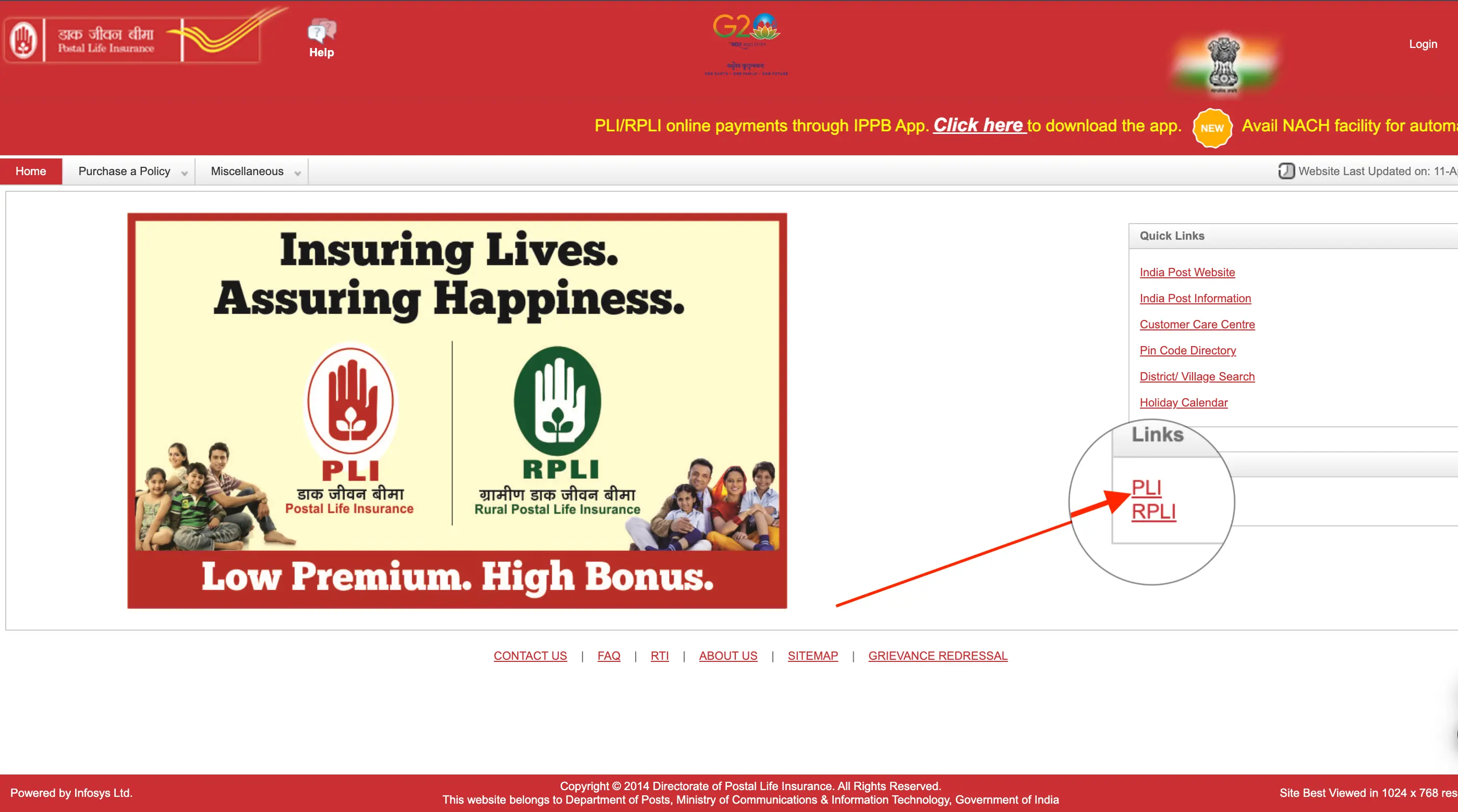
Postal Life Insurance (PLI) is not free. While it is a government-sponsored scheme designed specifically for employees of the Central and State Governments, public sector undertakings, and various autonomous bodies, it functions as a premium-based financial product. Participants must pay regular premiums to maintain coverage, and the "free" misconception likely stems from the high rate of employer subsidies, payroll deductions, or tax benefits that effectively lower the net cost of protection for the policyholder.
Understanding the Structure of Postal Life Insurance
Postal Life Insurance was established in 1884 as a welfare scheme for postal employees and was later expanded to cover a wide array of government and semi-government personnel. Because it is managed by the Department of Posts under the Ministry of Communications, it is often viewed as a "government benefit" rather than a commercial insurance policy.
Unlike social welfare programs that are fully funded by tax revenue, PLI operates on an actuarial basis. It pools premiums from policyholders to cover mortality risks and administrative expenses. The government acts as the insurer, leveraging the vast infrastructure of the Indian postal network to distribute these policies. Because the primary goal is to provide social security to the government workforce at competitive rates, the administration costs are significantly lower than those of private insurance companies, which must spend heavily on marketing, agent commissions, and shareholder dividends.
Why the "Free" Myth Persists
The confusion regarding whether PLI is free often arises from how premiums are handled for government employees. In many cases, premiums are deducted directly from the employee’s monthly salary. Because the amount is taken out automatically, some employees perceive it as a standard government deduction rather than a voluntary insurance premium.
Furthermore, the lack of private-sector marketing—which usually emphasizes the "cost" of insurance—creates a narrative that PLI is simply an inherent part of the government service package. While it is a benefit of employment, it is a contract requiring consideration (payment of premium). If an employee stops paying premiums, the policy will lapse, and the associated insurance coverage will terminate, confirming that the service is contingent upon financial contribution.
The Financial Mechanics: Premiums and Bonuses
If PLI were free, there would be no requirement for premiums, nor would there be a complex calculation for bonuses. PLI offers six different types of plans, including Whole Life Assurance (Suraksha), Endowment Assurance (Santosh), Convertible Whole Life Assurance (Suvidha), Anticipated Endowment Assurance (Sumangal), and policies for children (Bal Jeevan Bima).
Each of these plans has a premium structure determined by the age of the policyholder at the time of entry, the sum assured, and the policy term. The government periodically declares bonuses for these policies based on the valuation of the PLI fund. These bonuses are essentially a distribution of the surplus earned by the fund back to the policyholders. This mechanism makes PLI one of the most cost-effective life insurance options available in the country, but it remains a paid financial product, not a government grant.
Comparison of PLI Against Commercial Alternatives
To understand why PLI is frequently mistaken for a "free" or subsidized benefit, it is helpful to compare it against commercial life insurance products available in the open market.
| Feature | Postal Life Insurance (PLI) | Private Life Insurance |
|---|---|---|
| Provider | Department of Posts (Govt.) | Private Insurance Companies |
| Premium Costs | Generally lower due to low overhead | Higher due to commission/marketing |
| Bonus Structure | High, government-backed bonuses | Market-linked or fixed returns |
| Distribution | Post Offices | Agency/Digital Channels |
| Payment Method | Salary Deduction or Cash/Online | Direct Debit/Payment Gateway |
The disparity in overhead costs is the primary reason PLI appears so inexpensive that users might confuse "affordable" or "subsidized" with "free." The government does not need to pay large commissions to agents to sell PLI, nor does it operate for profit in the traditional corporate sense. This allows the scheme to return a larger portion of the policy value to the insured as bonuses, effectively reducing the "cost" of insurance, but never eliminating it.
Eligibility and Enrollment: The "Hidden" Costs
While the plan isn't free, its accessibility is highly restrictive. Only specific categories of employees are eligible to apply, including:
- Central and State Government employees.
- Employees of Defense Services and Paramilitary Forces.
- Employees of Public Sector Undertakings (PSUs).
- Employees of nationalized banks and financial institutions.
- Faculty and staff of government-aided educational institutions.
The "cost" of entry is not just monetary; it is the requirement of employment status. One must maintain their employment to continue the specific premium and benefit structure associated with these government-backed plans. In many instances, the human resources department of the government organization facilitates the enrollment process, further reinforcing the idea that it is an administrative "benefit" rather than an independent purchase.
Tax Benefits and Financial Efficiency
Another factor contributing to the perception that PLI is effectively "free" is the tax treatment of the premiums and the maturity proceeds. Under the relevant sections of the Income Tax Act, premiums paid toward life insurance policies—including PLI—are eligible for deductions from taxable income. For government employees in higher tax brackets, the actual "out-of-pocket" cost of the insurance is reduced by the tax savings achieved each year.
When an employee accounts for both the high bonuses provided by the government and the tax deductions, the net financial impact on their monthly budget is minimal. While the employee is technically paying a premium, the net cost after accounting for tax benefits and bonus returns can be significantly lower than the cost of a private policy, leading to the colloquial, though inaccurate, view that the insurance is provided for free as part of their salary package.
Common Misconceptions and Clarifications
"My salary is deducted, so it is a tax."
PLI premiums are not taxes. They are personal financial contributions toward a life insurance contract. The deduction from salary is a convenience feature intended to ensure that policies do not lapse due to missed payments.
"I don't have to fill out forms, so it's automatic."
While government departments often simplify the paperwork, every policyholder must provide health declarations and age proof. The simplicity of the process reflects efficient administration, not the absence of a contractual obligation.
"If I leave my job, the policy disappears."
This is a significant misunderstanding. While eligibility is tied to employment, once a policy is active, it typically continues even if the employee retires or moves to a different sector, provided the premiums are paid. The policy is a private contract between the individual and the Department of Posts.
Frequently Asked Questions
Does the government pay my PLI premiums?
No, the government does not pay your premiums. You are solely responsible for the payment of all premiums. If payments cease, the policy will eventually lapse. The government only provides the administrative framework and the underlying financial backing for the insurance pool.
Is PLI different from a government pension?
Yes. PLI is a life insurance policy that provides a sum assured upon the death of the policyholder or upon maturity of the plan. A pension is a retirement income stream. They are two distinct financial products.
Can I get a refund if I don't want the policy anymore?
Yes, but you must follow the surrender guidelines established by the Department of Posts. Surrendering a policy before its maturity date usually results in a lower payout than the total premiums paid, as the policy carries a "surrender value" rather than a full refund of premiums.
Are there any hidden service charges in PLI?
PLI is known for having a very transparent fee structure with virtually no "hidden" charges. Because it is not a commercial product driven by hidden profit margins, the premium you pay is the cost of the insurance and the investment component.
Why is PLI only for government employees?
The scheme was specifically designed as a welfare measure for government employees to ensure they have access to affordable life insurance. Expanding it to the general public would require a different administrative structure and regulatory compliance that currently falls outside the scope of the Department of Posts' insurance division.
Recommendation for Current and Prospective Policyholders
If you are currently a government employee or are considering enrolling in a Postal Life Insurance plan, do not treat it as a "free" entitlement. Treat it as a primary financial asset.
Review your policy documents periodically to ensure your nominee details are current and that you understand the maturity dates. If you believe your premium is being deducted, verify this against your monthly pay slip to ensure the amount matches your chosen plan. If you are struggling to make payments, consult your department’s payroll officer or your local post office immediately to prevent the policy from lapsing, as the benefits of a long-standing PLI policy—especially the accumulation of bonuses—are significantly eroded if the policy is allowed to terminate early.