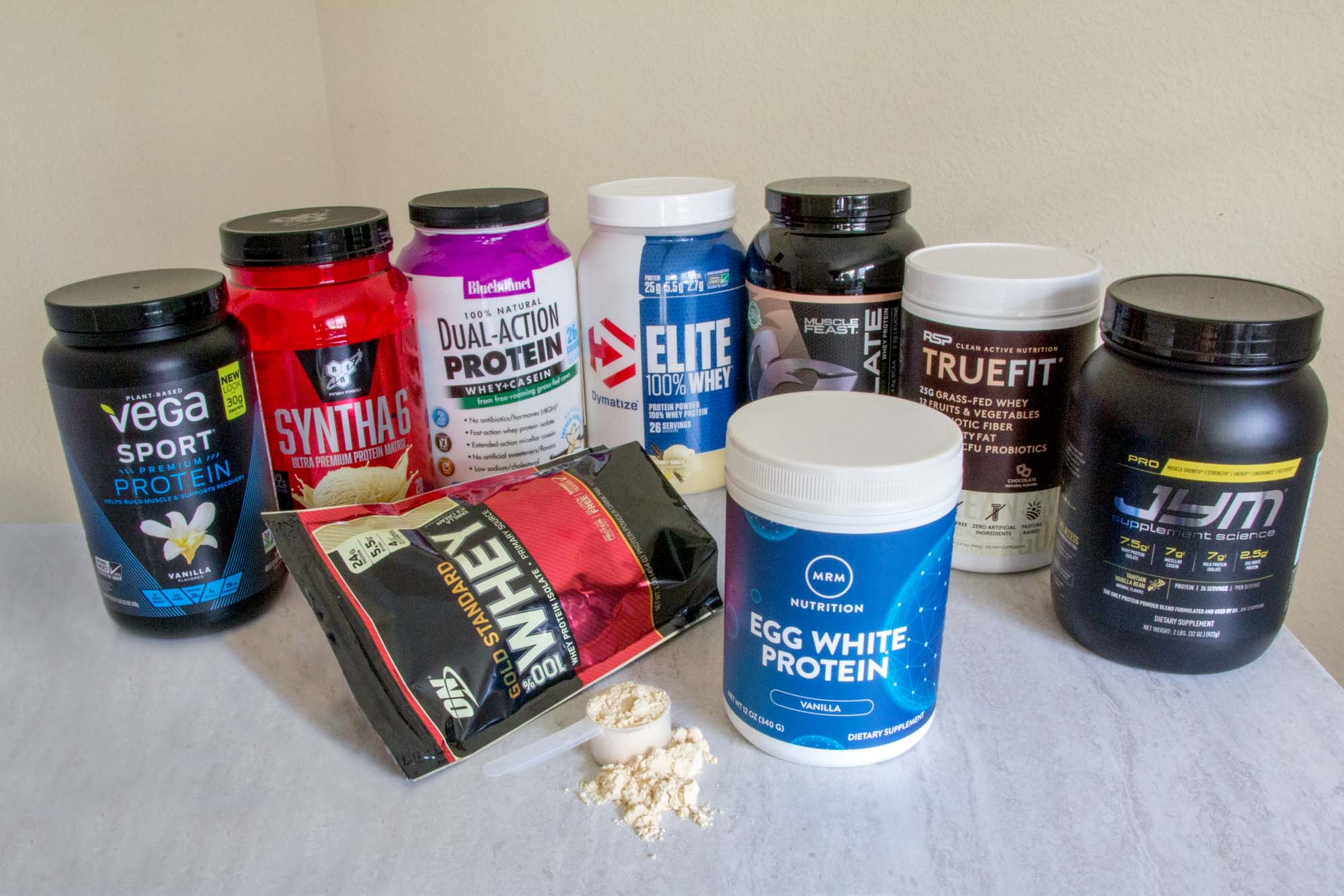
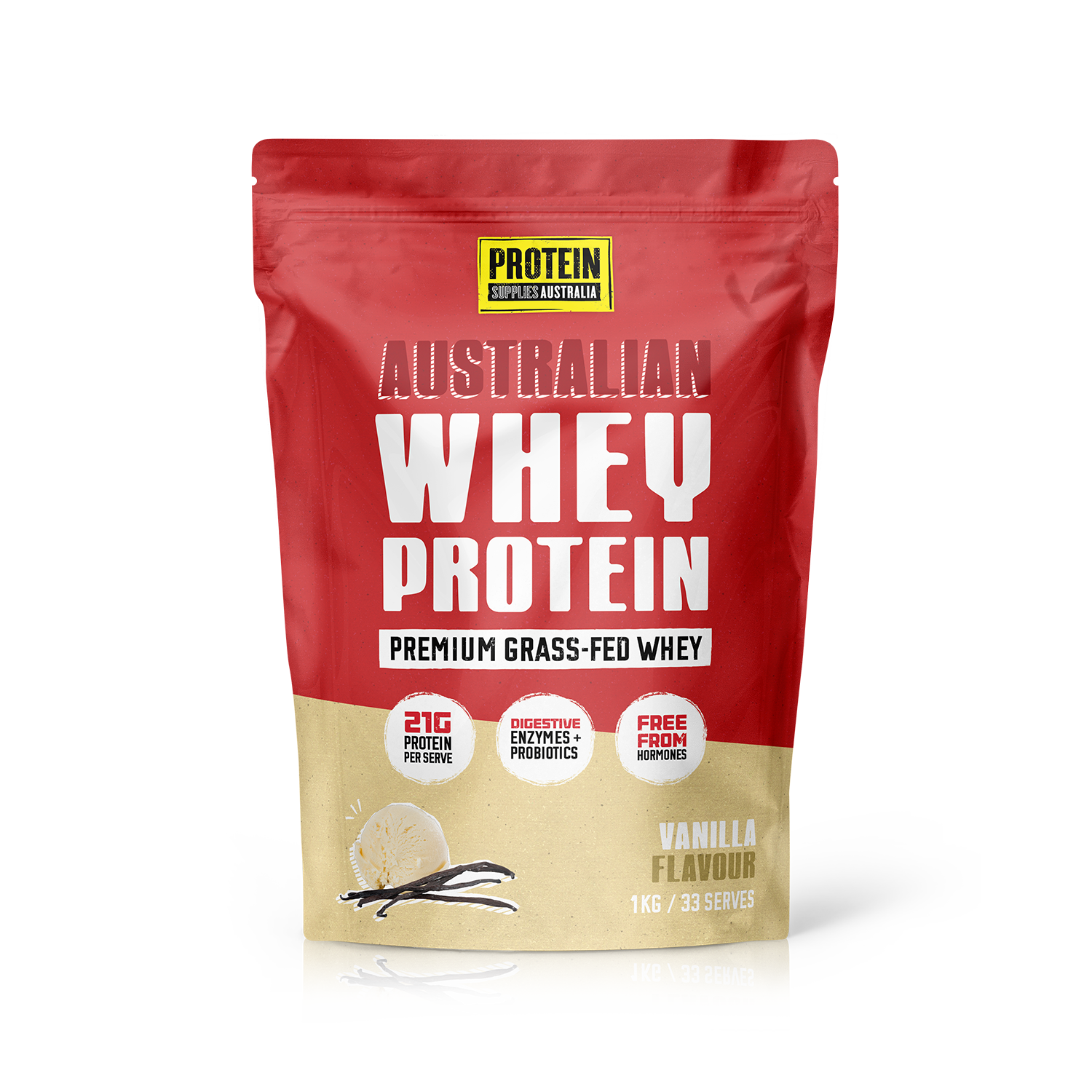
Protein pills, often marketed as convenient delivery systems for amino acids, are generally ineffective for meeting significant physiological protein requirements. While they may provide small, measured doses of specific amino acids, they lack the caloric density and overall nutritional profile necessary to support muscle protein synthesis or overall satiety when compared to whole-food sources or high-quality protein powders.
Defining Protein Pills vs. Supplements
To understand the efficacy of protein pills, it is essential to distinguish them from standard protein powders or bars. Protein powders are designed to provide a substantial dose of protein—typically 20 to 30 grams per serving—which is the threshold often required to trigger muscle protein synthesis effectively. In contrast, "protein pills" usually refer to compressed tablets containing free-form amino acids or concentrated protein isolates.
The primary limitation of a tablet format is physical volume. Because a single pill typically weighs between 500 and 1,500 milligrams (0.5 to 1.5 grams), you would need to consume 15 to 30 pills to equal the protein content of a single standard scoop of whey or a small serving of chicken breast. This creates a significant barrier to practical use: for someone needing 25 grams of protein to support a post-workout recovery phase, the physical act of swallowing two dozen pills is neither efficient nor cost-effective.
Nutritional Efficiency and Bioavailability
When evaluating whether protein pills are "good for you," one must look at the concentration of amino acids relative to the cost and digestive burden. Protein requirements are generally calculated by body weight (e.g., 1.6 to 2.2 grams per kilogram of body weight for active individuals). Reaching these targets through pills is mathematically prohibitive.
Furthermore, the nutritional matrix of whole food provides not just protein, but essential micronutrients, fats, and fiber that contribute to long-term health. Even protein powders, which are highly processed, usually maintain a balance that allows them to function as a meal replacement or a supplemental macronutrient boost. Amino acid tablets often contain only a subset of the necessary building blocks (such as Branched-Chain Amino Acids or BCAAs) and lack the full spectrum of essential amino acids (EAAs) required to build or repair muscle tissue effectively.
Comparison of Protein Delivery Methods
To clarify the practical utility of different protein sources, consider the following comparison based on standard nutritional availability and common usage patterns in 2026.
| Feature | Whole Foods (e.g., Chicken, Eggs) | Protein Powders | Protein Pills / Amino Tablets |
|---|---|---|---|
| Typical Dose | 20–30g per serving | 20–30g per scoop | 0.5–2g per dose |
| Nutritional Profile | High (Complete) | High (Often fortified) | Low (Isolated) |
| Cost Efficiency | High | High | Very Low |
| Primary Use Case | Meal replacement/Nutrition | Recovery/Macro goals | Niche/Targeted support |
| Ease of Use | Moderate | High | Low (High volume required) |
The Role of Amino Acid Supplements
It is important to disambiguate "protein pills" from "amino acid supplements." Some athletes utilize isolated amino acids like Leucine, Creatine, or Beta-Alanine in tablet or capsule form for specific ergogenic (performance-enhancing) effects. These are not meant to meet daily protein intake goals but to influence metabolic pathways. If your goal is to "increase protein intake" to meet your daily macros, these products will fail to provide the bulk requirement. However, if the goal is to supplement a specific pathway—such as creatine monohydrate for explosive power—a pill or capsule format is a scientifically validated way to manage those specific, smaller doses.
Potential Risks and Considerations
Before integrating any concentrated supplement into your diet, consider the regulatory and safety landscape. In many jurisdictions, dietary supplements are not regulated with the same rigor as pharmaceutical drugs. This means the concentration, purity, and labeling accuracy of protein pills can vary significantly between brands.
- Digestive Load: Consuming large quantities of compressed binders and excipients used to hold tablets together can lead to gastrointestinal discomfort for some individuals.
- Cost-per-Gram: When analyzed by cost-per-gram of protein, pills are almost universally the most expensive way to consume protein, often costing ten times more than the equivalent volume of whey concentrate or plant-based protein blends.
- Misleading Marketing: Many products marketed as "Protein Pills" rely on the misunderstanding that a small dose of amino acids can have the same anabolic effect as a complete protein meal. Without a sufficient dose of all nine essential amino acids, the body cannot effectively synthesize new muscle tissue.
Are Protein Pills Necessary for Fitness Goals?
For the vast majority of the population, including high-level athletes, protein pills are not a necessary component of a nutritional strategy. The body’s demand for protein is best met through high-quality whole foods, which provide the thermic effect of food (TEF), satiety, and a host of vitamins and minerals.
If your schedule makes it difficult to prepare whole foods, protein powders—mixed into water or shakes—provide a reliable, cost-effective, and nutritionally dense alternative. Protein pills offer no unique nutritional advantage that cannot be achieved more cheaply and effectively through standard food or powder formats. Their utility is restricted to very specific, clinical, or performance-based situations where a practitioner might recommend isolated amino acid dosing for a specific health objective.
Frequently Asked Questions
Can protein pills replace a meal? No. Protein pills do not provide the caloric density, macronutrient balance, or micronutrients required to constitute a meal. Relying on them for nutrition would lead to significant caloric deficits and potential muscle wasting.
Do protein pills help with muscle growth? Only if they provide enough total protein (specifically essential amino acids) to create a positive net protein balance. Because the dosage in pills is so small, you would need to consume an impractical amount to see the same results as one serving of standard protein powder or lean meat.
Are there side effects to taking amino acid tablets? Side effects are generally minimal but can include gastrointestinal distress or bloating from the binders and fillers used in manufacturing. Always verify the ingredient list for fillers or allergens.
Do athletes use protein pills? Rarely for protein intake. Athletes may use specific amino acid tablets (like BCAA or EAA formulas) for targeted physiological timing, but these are intended to support performance, not to meet total daily protein targets.
How do I verify the quality of a protein supplement? Look for products that have undergone third-party testing for purity, such as NSF International or Informed-Choice certification. This ensures the product contains what is listed on the label and is free from banned substances or heavy metals.
Final Recommendation
If you are looking to improve your nutritional health or muscle growth, prioritize the consumption of high-quality, protein-dense whole foods such as lean meats, eggs, legumes, and dairy. If you require supplemental protein to meet high activity demands, use a reputable, third-party-tested protein powder. Avoid protein pills for the purpose of meeting daily protein quotas, as they are inefficient, expensive, and logistically difficult to manage. If you have been advised to take specific amino acids for medical or performance reasons, follow the dosage prescribed by a registered dietitian or certified sports nutritionist.