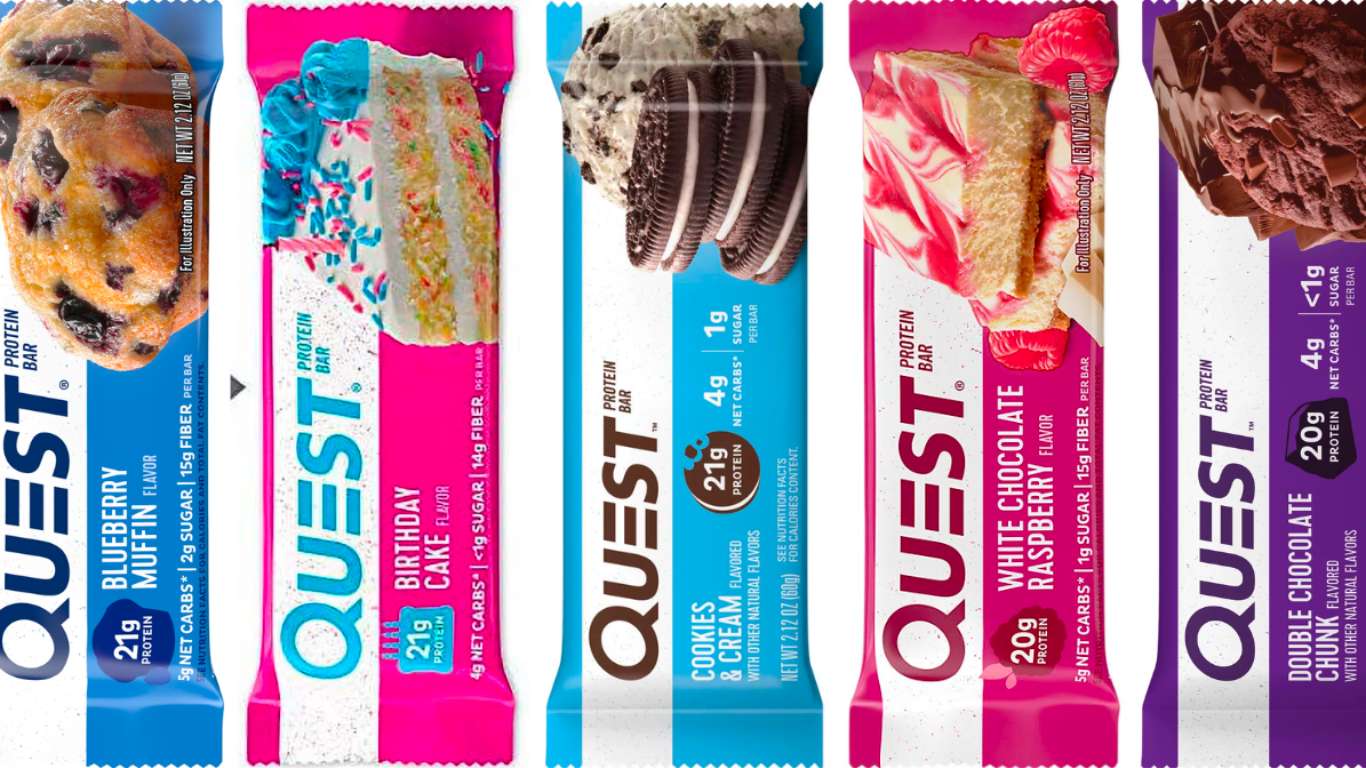
Quest Bars are neither inherently "good" nor "bad," but rather a highly processed convenience food that occupies a specific niche in dietary planning. Whether they are a healthy addition to your routine depends entirely on your personal fitness goals, digestive sensitivity, and overall dietary context. For most individuals, they serve as a protein-rich alternative to traditional candy bars, yet they should be evaluated based on their ingredient profile, fiber content, and metabolic impact rather than generalized health claims.
Understanding the Quest Bar Composition
To determine if Quest Bars fit into your lifestyle, it is necessary to look past the branding and analyze the actual molecular makeup of the product. Quest Nutrition primarily utilizes a blend of milk protein isolate and whey protein isolate as the foundation for their bars. This is a deliberate choice intended to provide a complete amino acid profile, which is essential for muscle protein synthesis and recovery in active populations.
Unlike traditional granola bars that rely on oats or refined grains, Quest Bars are designed to be low-carbohydrate, high-protein snacks. This is achieved by replacing traditional caloric sweeteners with fiber-based bulking agents and sugar alcohols. While this effectively lowers the net carbohydrate count, it shifts the biological burden of the snack from glucose metabolism to gastrointestinal processing.
The Role of Fiber and Sugar Alcohols
The defining characteristic of a Quest Bar is its high fiber content, which often accounts for a significant portion of the total carbohydrate count. Historically, Quest Bars utilized isomalto-oligosaccharides (IMO) as a primary fiber source. Over time, the formulation has evolved to utilize soluble corn fiber. This transition was significant because soluble corn fiber generally behaves differently in the digestive tract than IMO, providing a more consistent fiber profile that is less likely to trigger the rapid blood glucose spikes associated with simpler carbohydrates.
Alongside fiber, Quest Bars frequently use sugar alcohols, such as erythritol, to achieve sweetness without the caloric density of sucrose. Erythritol is a polyol that is not metabolized by the body in the same way as sugar. However, for some individuals, sugar alcohols are a common cause of digestive distress, including bloating, gas, and osmotic diarrhea. When evaluating if these bars are "bad" for you, your personal tolerance to these sugar substitutes is often the deciding factor.
Metabolic Impact and Glycemic Response
From a metabolic standpoint, Quest Bars are designed to minimize the glycemic response. By keeping net carbohydrates low, they theoretically prevent the sharp rise in insulin that follows the consumption of high-glycemic snacks. This makes them a popular choice for individuals following ketogenic diets or those monitoring blood glucose levels for weight management.
However, it is crucial to distinguish between a food that is "low calorie" and a food that is "nutritionally dense." While a Quest Bar is a convenient source of protein, it lacks the micronutrient profile found in whole foods. A piece of chicken, a handful of almonds, or a cup of Greek yogurt provides vitamins, minerals, and phytonutrients that simply cannot be synthesized into a shelf-stable protein bar. Relying on Quest Bars as a primary source of nutrition risks missing out on the micronutrient diversity required for long-term health.
Comparison: Quest Bars vs. Whole Food Alternatives
The following table compares the typical nutritional profile of a standard protein bar against common whole-food snacks.
| Snack Source | Protein Content | Fiber/Micronutrients | Digestive Impact |
|---|---|---|---|
| Quest Bar | High (20g) | High (Synthetic Fiber) | Variable (Sugar Alcohol sensitivity) |
| Greek Yogurt | High (15-20g) | Low/Moderate (Natural) | Generally well-tolerated |
| Hard-Boiled Eggs | Moderate (12g) | Zero | Excellent |
| Almonds (1 oz) | Low (6g) | High (Natural Fiber/Fats) | Excellent |
Potential Downsides and Considerations
The most significant argument against Quest Bars is their status as a "highly processed" food. Ultra-processed foods are often criticized for their ingredient complexity, which may include artificial flavors, stabilizers, and emulsifiers. While these additives allow for the signature "cookie dough" texture and long shelf life, they offer no physiological benefit.
Furthermore, there is a behavioral element to consider. Because Quest Bars are formulated to taste like dessert, they can sometimes trigger cravings for actual high-sugar sweets. For individuals prone to overeating or those struggling with emotional eating, the hyper-palatability of these bars might make them a "trigger food" rather than a neutral, functional fuel source.
The Digestive Reality
If you experience discomfort after consuming a Quest Bar, it is likely due to one of three factors:
- Sugar Alcohol Sensitivity: Your gut bacteria may ferment the polyols, leading to gas production.
- Fiber Density: A sudden increase in isolated fiber intake can overwhelm the digestive system if your body is not accustomed to it.
- Protein Isolate: Some individuals report sensitivity to concentrated milk protein isolates, which may cause localized inflammation or digestive sluggishness.
Strategies for Responsible Consumption
If you choose to include Quest Bars in your diet, consider them a "supplement" rather than a "replacement." A balanced approach involves:
- Frequency Control: Limit intake to one bar per day. Using them as a post-workout recovery tool is generally more effective than using them as a meal replacement.
- Hydration: Because these bars contain high amounts of fiber, you must increase your water intake. Fiber requires water to move through the digestive tract efficiently; without adequate hydration, you may experience constipation.
- Whole-Food Anchoring: Pair the bar with a piece of fruit or a vegetable to provide the micronutrients that the bar lacks. This improves the overall nutritional value of your snack.
- Check Your Tolerance: If you are trying them for the first time, start with half a bar to see how your digestive system reacts before committing to a full serving.
Frequently Asked Questions
Do Quest Bars cause blood sugar spikes?
Most Quest Bars are designed to have a minimal impact on blood glucose. Because they rely on fiber and sugar alcohols that are not fully absorbed, they do not typically cause the same insulin surge as high-sugar snacks. However, individual responses can vary based on your personal metabolic health and insulin sensitivity.
Are Quest Bars suitable for weight loss?
They can be a helpful tool for weight loss because they provide a high protein-to-calorie ratio, which helps promote satiety. By keeping you full, they may prevent overeating. However, weight loss is determined by your total caloric balance, not the consumption of any single specific food item.
Is it safe to eat Quest Bars every day?
For most healthy adults, consuming one Quest Bar a day is safe. The main limiting factor is the processed nature of the ingredients and the potential for digestive distress. If you find your digestion is regular and you are meeting your whole-food needs, daily consumption is usually considered acceptable by modern nutritional standards.
Why do some people say Quest Bars are unhealthy?
Critics often label them as "unhealthy" because they are highly processed, contain synthetic fibers, and use sugar alcohols. From a whole-foods perspective, these bars are inferior to natural protein sources. However, in the context of a busy lifestyle, they are often a better alternative to refined, high-sugar snacks.
Can Quest Bars help with muscle growth?
Yes, they provide high-quality milk and whey protein, which are excellent for muscle protein synthesis. They are a convenient way to meet your daily protein targets if you are struggling to do so through whole foods alone.
Final Recommendation
Quest Bars serve as a functional tool for active individuals who need a convenient, high-protein snack. They are not "bad" for you in the sense of being toxic or inherently damaging, but they should not be treated as a health food equivalent to lean meats, vegetables, or whole grains. If you enjoy them, tolerate them well, and use them to hit your protein targets rather than as a replacement for a balanced diet, they can be a useful asset in your nutritional strategy. When in doubt, prioritize whole-food snacks and reserve protein bars for situations where convenience is the primary requirement.