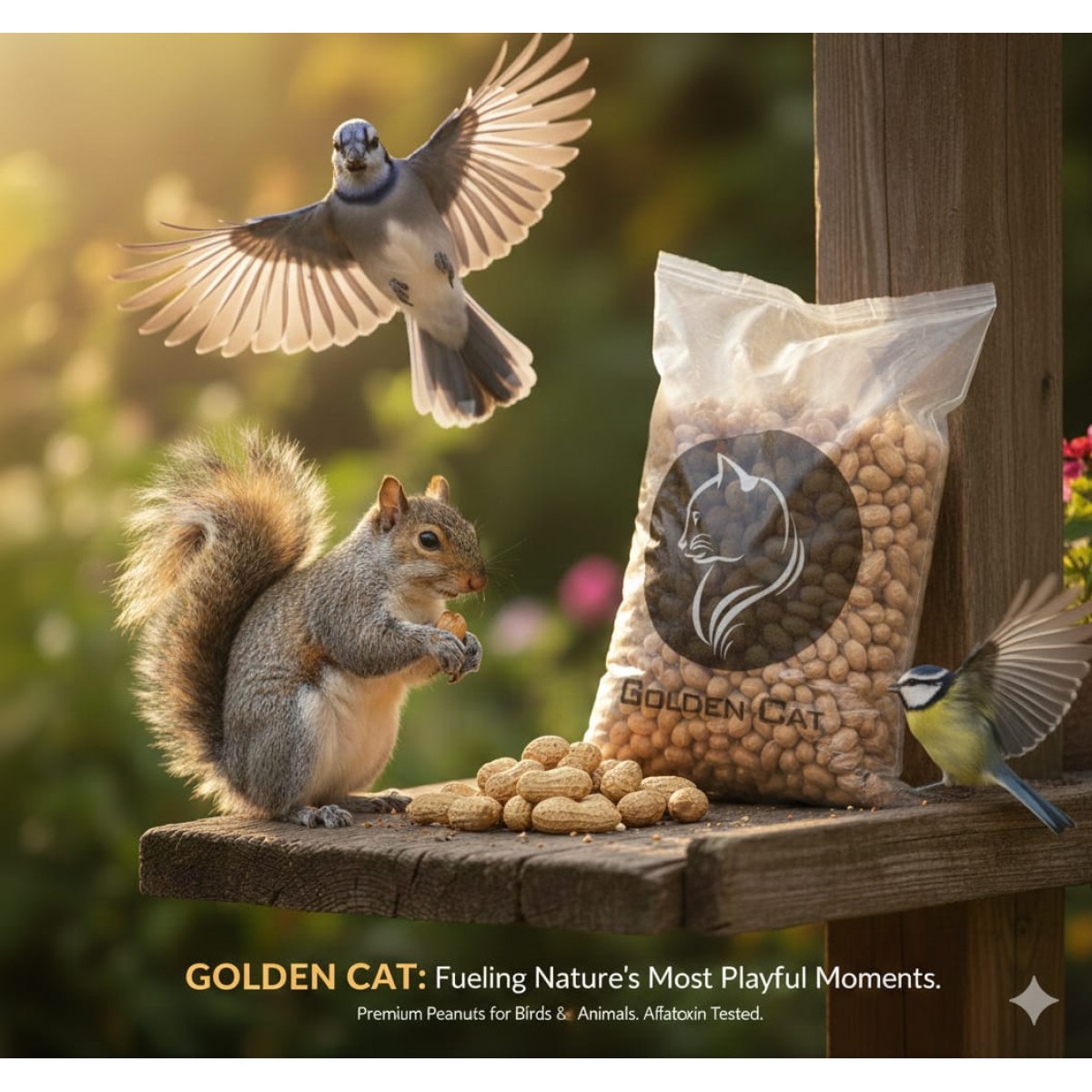
Peanuts are generally safe and highly nutritious for many bird species, providing essential fats and proteins, particularly during colder months. However, safety depends heavily on the preparation method, quality of the nuts, and the feeding infrastructure used. To prevent health risks such as aflatoxin exposure or choking, owners must select raw, unsalted, and human-grade peanuts while practicing proper storage and feeder hygiene.
The Nutritional Value of Peanuts in Avian Diets
Peanuts are an energy-dense food source that serves as a vital fuel for wild birds. Because they are rich in monounsaturated fats and proteins, they provide the calories necessary for birds to maintain high metabolic rates and survive harsh weather conditions.
Unlike many processed bird seed mixes, which may contain high proportions of "filler" grains that hold little nutritional value, peanuts are a concentrated resource. When birds encounter peanuts, they are accessing a high-yield dietary supplement. This is particularly beneficial for species that are biologically adapted to foraging for nuts, such as jays, nuthatches, woodpeckers, and chickadees. These birds have the physical dexterity to carry, crack, or cache peanuts, making them ideal subjects for peanut-based feeding programs.
Identifying Safety Risks: Why Quality Matters
While peanuts offer significant benefits, they also carry inherent risks that backyard bird enthusiasts must mitigate through careful selection and management.
Aflatoxin Contamination
The most significant biological risk associated with peanuts is the potential presence of Aspergillus flavus, a fungus that produces aflatoxins. Aflatoxins are toxic metabolites that can be lethal to birds if ingested in significant quantities. This fungus typically thrives in warm, humid conditions during growth or improper storage. To minimize this risk, always purchase peanuts that are specifically packaged for bird consumption or human consumption from reputable suppliers. Avoid purchasing "cheap" or generic bags from sources that do not guarantee quality control or proper drying processes.
Salt and Seasoning Hazards
Under no circumstances should birds be fed peanuts that have been roasted, salted, honey-roasted, or covered in chocolate or other coatings. Sodium intake is highly dangerous for avian physiology. Unlike humans, birds do not have a robust system to process excess salt, which can lead to dehydration, kidney failure, and neurological issues. Always provide raw or plain, dry-roasted (unsalted) peanuts. If the packaging lists salt, oils, or flavorings as ingredients, exclude them from your feeder.
Proper Preparation and Presentation
The physical state in which you offer peanuts—in the shell versus shelled—significantly affects which species can utilize the food and the safety of the experience.
Whole Peanuts in the Shell
Offering peanuts in the shell is an excellent way to encourage natural foraging behaviors. Larger birds, such as Blue Jays and Crows, are perfectly capable of maneuvering these larger items. However, whole peanuts can be a choking hazard for smaller species and may not be accessible to birds with smaller beaks.
Shelled Peanuts (Hearts)
Shelled peanuts, often referred to as "peanut hearts," are easier for a broader range of birds to consume. They are an efficient energy source for smaller birds like titmice or nuthatches. Because they lack the outer shell, they leave behind no mess, which is a major advantage for birders feeding near patios or decks. The downside is that they are more prone to rapid spoilage if they become damp, as they lack the protective barrier of the shell.
Essential Feeder Infrastructure and Hygiene
The way you present peanuts is just as critical as the quality of the nuts themselves. Improper feeders can lead to the spread of disease or attract unwanted pests.
Using Dedicated Peanut Feeders
The most effective way to serve peanuts is through a wire-mesh feeder. These feeders allow birds to pull small pieces of the peanut through the mesh, which discourages them from taking whole nuts and flying away to cache them elsewhere. This also keeps the peanuts suspended and ventilated, which helps prevent moisture buildup and mold growth.
Preventing Disease Transmission
Backyard feeders are common gathering points for birds, which can facilitate the transmission of pathogens like Salmonella or Mycoplasma gallisepticum. To maintain a safe environment:
- Cleanliness: Disinfect feeders at least once every two weeks using a solution of one part bleach to nine parts water. Ensure the feeder is completely dry before refilling.
- Moisture Control: Always ensure your feeder is in a well-drained area. If you live in an area with high rainfall, consider using a feeder with a rain guard or roof to keep the peanuts dry.
- Storage: Keep your supply of peanuts in an airtight, rodent-proof container in a cool, dry location. Never leave bulk bags in a garage or shed where humidity can trigger fungal growth.
Comparing Peanut Types for Backyard Birds
| Peanut Type | Best For | Pros | Cons |
|---|---|---|---|
| In-Shell (Raw) | Jays, Crows, Woodpeckers | Encourages natural foraging; long-lasting. | Can be messy; some small birds cannot open. |
| Shelled (Hearts) | Chickadees, Nuthatches, Titmice | No shells; high energy; easy to eat. | Spoils faster; can attract unwanted pests. |
| Roasted (Unsalted) | General backyard visitors | Often safer regarding fungal growth. | Less natural; can be brittle and crumble easily. |
| Peanut Butter | Specialized feeders | High caloric content; winter essential. | Must contain NO xylitol; messy. |
Addressing Common Concerns: Peanuts and Small Birds
A frequent concern among bird enthusiasts is whether peanuts cause choking, especially in smaller species. In reality, most birds are adept at breaking down food. The primary danger with peanuts is not the nut itself, but the lack of proper feeding habits by the human provider. By using mesh feeders that limit the size of the piece a bird can extract, you essentially eliminate the risk of a bird attempting to swallow a whole nut that is too large.
Furthermore, some enthusiasts worry about the high fat content leading to bird obesity. In the wild, birds are rarely sedentary. They burn an immense amount of energy in flight and thermoregulation. The fat provided by peanuts acts as a necessary buffer against starvation, not as an unhealthy indulgence.
Frequently Asked Questions
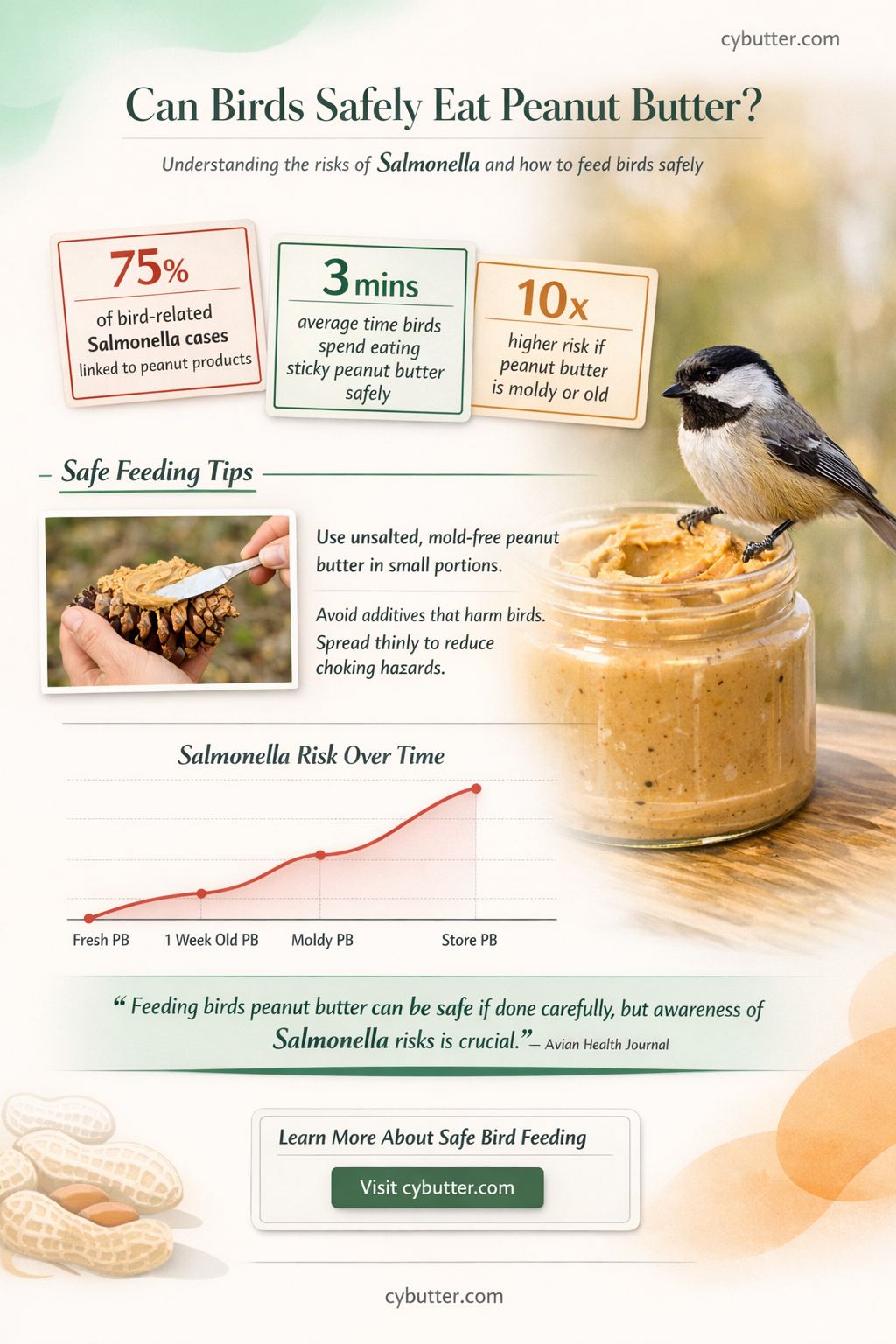
Can I feed birds store-bought human peanut butter? Yes, but you must read the ingredient label with extreme care. Never use peanut butter containing xylitol, which is a sugar substitute that is toxic to many animals. Ideally, use organic or natural peanut butter with only one ingredient: peanuts. Ensure it is offered in a specific "nut butter" feeder to prevent the peanut butter from matting the birds' feathers, which can destroy their insulating properties.
How do I stop squirrels from eating all the peanuts? Squirrels are notoriously fond of peanuts. To minimize their impact, utilize squirrel-proof baffles on your feeder poles or choose weight-sensitive feeders that close when a heavier animal lands on them. Additionally, consider placing peanut feeders at least 10 feet away from trees or fences to prevent squirrels from jumping onto them.
Are roasted peanuts better than raw? From a food safety perspective, lightly roasted, unsalted peanuts are often safer because the roasting process reduces the moisture content and helps eliminate surface fungi. However, raw peanuts are also perfectly acceptable if they have been harvested and stored correctly. The most important factor is always the absence of salt and artificial additives.
How often should I clean my peanut feeder? You should perform a deep cleaning every two weeks, or immediately if you notice the peanuts have become damp or clumped together. If you find wet, moldy peanuts, discard them immediately and wash the feeder before adding a fresh supply. Never top off a feeder with fresh peanuts if there is old, damp residue at the bottom.
Strategic Recommendations for Success
If you are introducing peanuts to your backyard for the first time in 2026, start with a small amount of shelled peanut hearts in a clean mesh feeder. Observe which species visit your station. If you have a high population of jays, they will likely dominate the station; in this case, adding a second feeder further away can reduce competition and allow smaller species like chickadees to access the food. Monitor your feeder daily for signs of moisture or mold. By maintaining a clean, dry, and secure feeding environment, you can safely support your local avian population with this high-energy supplement throughout the year.