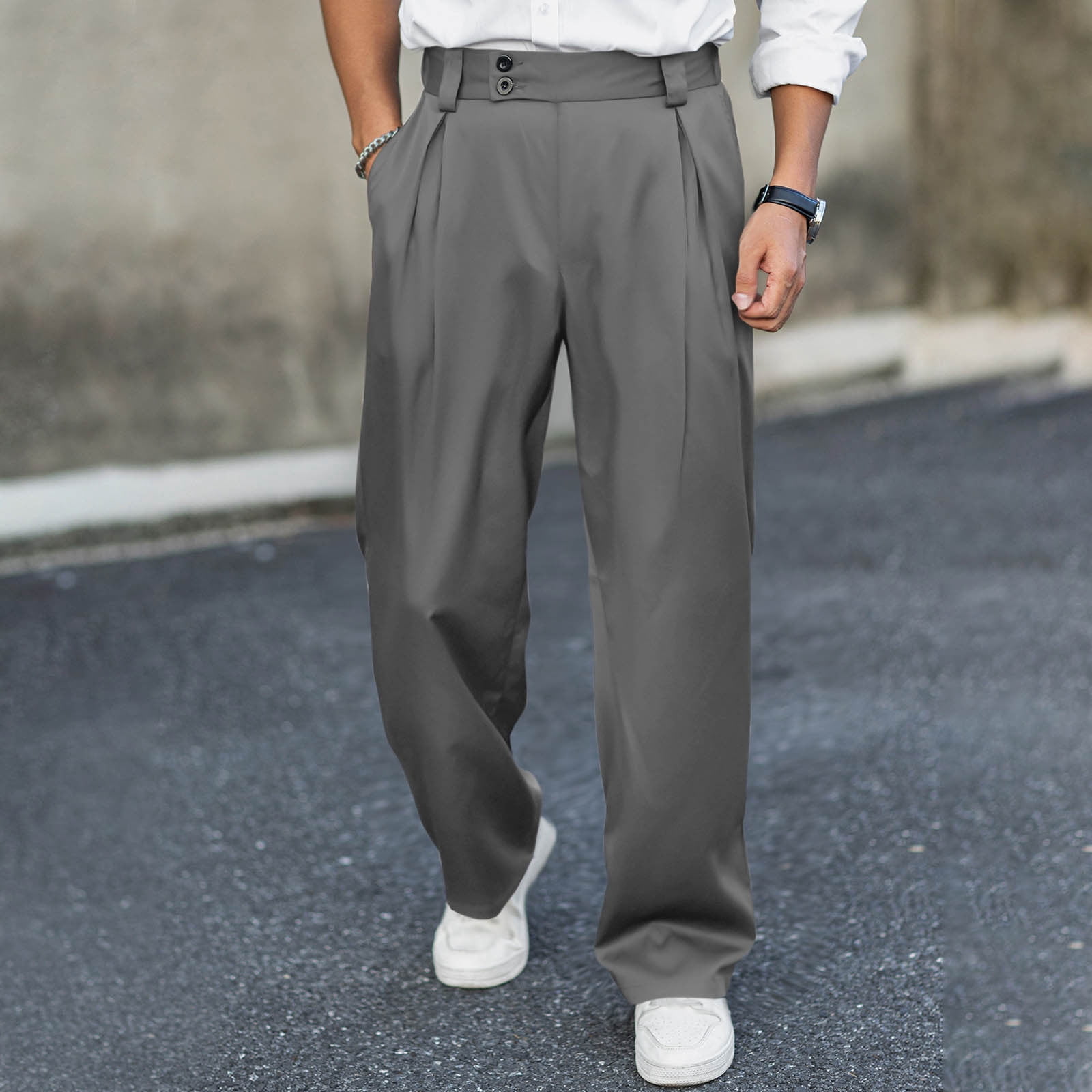
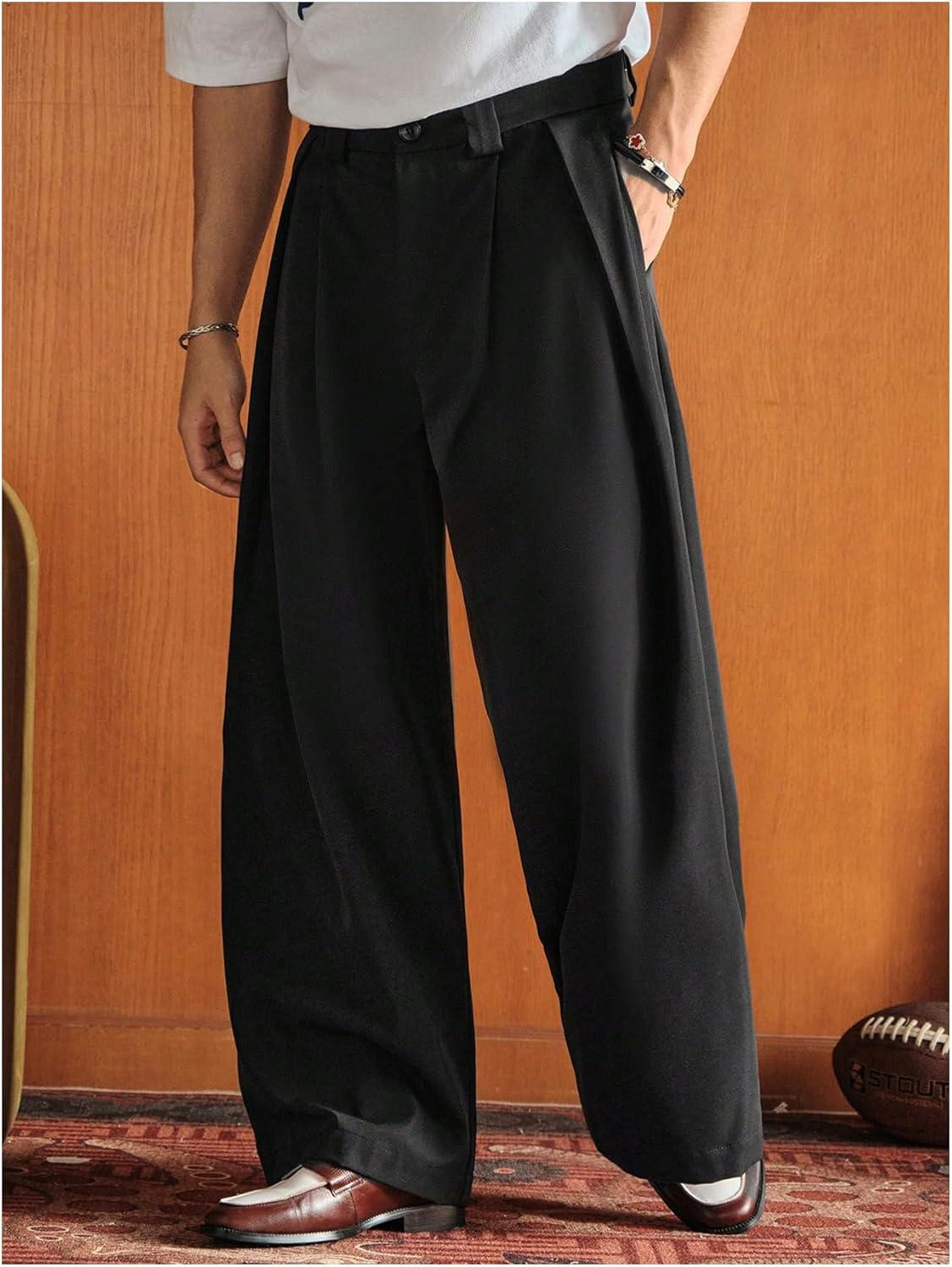
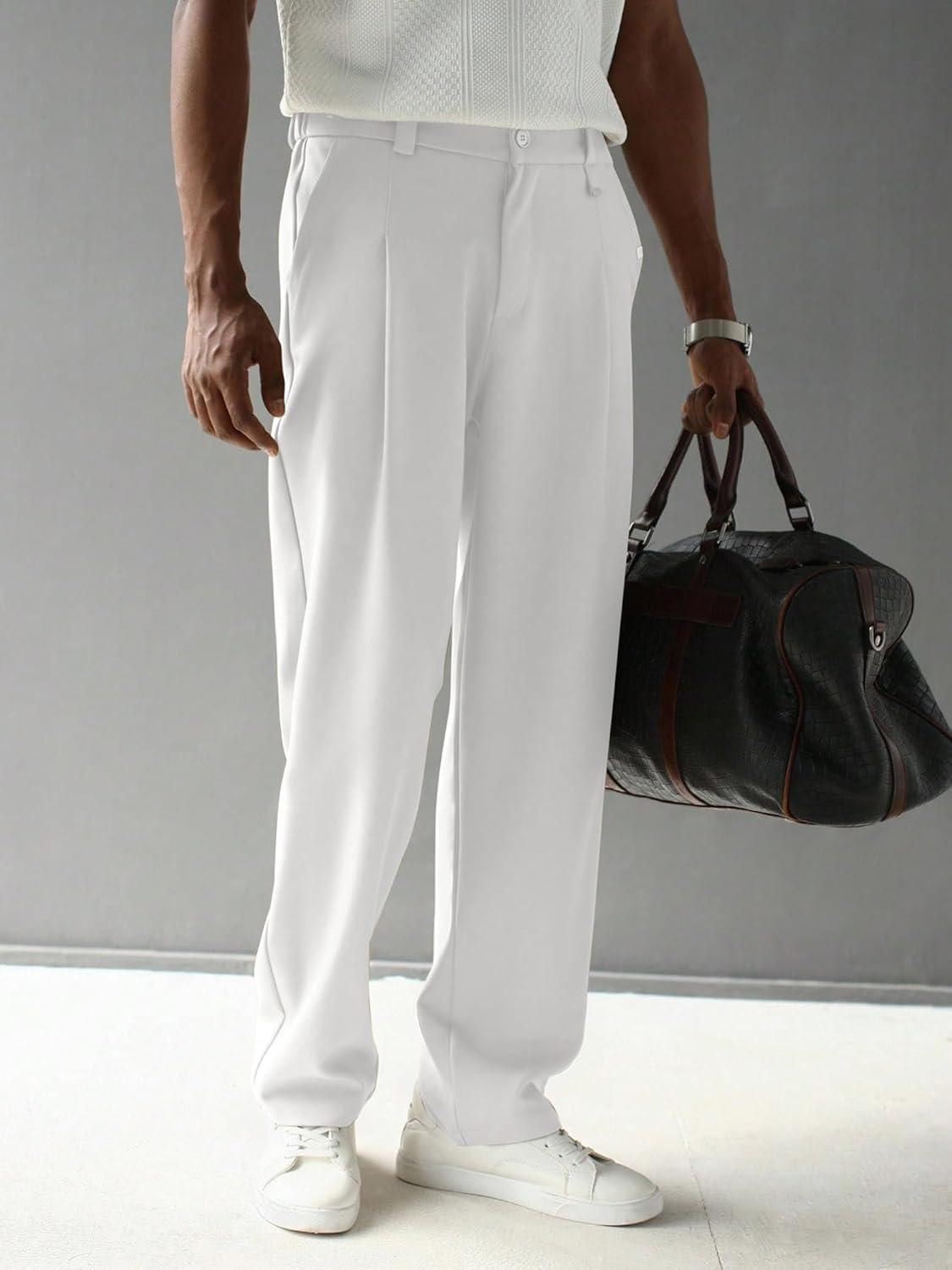
Pleated baggy dress pants are worth the hype for individuals seeking a blend of formal structure and contemporary comfort, provided they align with your personal style and professional requirements. By prioritizing fabric weight, precise tailoring, and intentional footwear pairings, these trousers offer a versatile upgrade from traditional slim-fit silhouettes, though they require careful styling to avoid looking ill-fitted.
The fashion landscape has undergone a significant shift over the past several years, moving away from the skin-tight, tapered cuts that dominated the 2010s toward a more relaxed, voluminous aesthetic. At the center of this movement are pleated baggy dress pants. Unlike the baggy streetwear of the early 2000s, modern interpretations of these trousers draw inspiration from mid-century tailoring, featuring sophisticated details like double reverse pleats, high-rise waists, and high-quality wool or cotton-twill fabrics.
Understanding the Shift Toward Volume
To determine if these pants are worth the investment, one must understand why they returned to the forefront of sartorial discourse. The popularity of the "relaxed fit" is not merely a transient trend; it is a response to a broader cultural desire for comfort that does not sacrifice professionalism. Traditional dress pants, particularly those with narrow leg openings, often feel restrictive during long days of desk work or commuting.
Pleated baggy pants solve this by utilizing extra fabric in the thigh and seat area. The pleats—folded tucks of fabric at the waist—act as expansion joints. When you sit or walk, the pleats open up, providing extra room without the garment losing its structured, pressed appearance. This combination of "room to move" and "formal finish" makes them a highly practical choice for the modern office or social event.
Technical Anatomy of Quality Pleated Trousers
Not all baggy trousers are created equal. If you are considering purchasing a pair, you must evaluate them based on specific technical criteria. The "hype" is only justified if the garment is constructed properly.
- The Rise: A true pleated dress pant should feature a mid-to-high rise. This ensures the waist sits at or near your natural waistline, which prevents the excess fabric from looking like you are wearing oversized pants. It anchors the silhouette.
- The Break: The "break" refers to the point where the pant leg hits the shoe. For baggy trousers, a "no-break" or "slight-break" look is generally preferred. Excess fabric pooling at the ankles—often called "stacking"—can make baggy pants look sloppy rather than intentional.
- Fabric Weight: This is the most crucial factor for "drape." You want a fabric with enough weight—such as tropical wool, heavy-weight cotton drill, or a wool-flannel blend—to hang straight down from the pleat. Lightweight synthetics will often billow or wrinkle incorrectly, which undermines the aesthetic of the cut.
- Pleat Depth: Double pleats (two folds on each side of the fly) are the gold standard for a full-volume look. These offer the most movement and the most dramatic silhouette, whereas a single pleat is more subtle.
Comparing Traditional Fits and Modern Baggy Silhouettes
The decision to adopt this style depends heavily on your existing wardrobe and the environment in which you intend to wear them. The following table compares standard slim-fit trousers against modern pleated baggy designs.
| Feature | Slim-Fit Trousers | Pleated Baggy Trousers |
|---|---|---|
| Primary Comfort | Limited; restricts movement | High; allows full range of motion |
| Visual Aesthetic | Sharp, athletic, formal | Relaxed, artistic, sophisticated |
| Versatility | High (works with all shirts) | Moderate (requires balanced proportions) |
| Ideal Fabric | Elastane blends | Heavy wool, cotton, or linen |
| Maintenance | Frequent dry cleaning | Requires careful pressing of pleats |
Styling for Success: The Importance of Proportion
The most common mistake people make when transitioning to baggy dress pants is pairing them with oversized tops. If you wear an extra-large hoodie or a baggy blazer with these pants, you risk losing your shape entirely.
The secret to making these pants "work" lies in the rule of proportions. Because the bottom half of your silhouette is voluminous, you should aim for a more fitted or structured top. A tucked-in slim-fit oxford shirt, a fitted turtleneck, or a cropped jacket will help define your waist and maintain a clean silhouette. This creates a visual contrast that highlights the tailoring of the trousers rather than masking your physique.
Footwear is equally important. Pleated baggy pants tend to overwhelm delicate, thin-soled shoes. To balance the weight of the fabric, opt for chunkier footwear. Loafers with a robust sole, Chelsea boots, or classic leather derbies provide the necessary grounding to support a wider trouser leg.
Potential Drawbacks and Considerations
While these pants offer clear benefits, they are not a universal solution for every professional environment.
- The "Dated" Risk: If the fit is incorrect, pleated pants can look like "thrift store" finds from the 1990s rather than contemporary fashion. Ensuring the hem is tailored to the correct length is non-negotiable.
- Maintenance: Pleats require maintenance. If you throw them in a dryer or fold them haphazardly, the pleats will lose their crispness, and the pants will immediately look cheaper. They must be hung properly and occasionally pressed to maintain the intended sharp look.
- Professional Setting: While they are "dress pants," their aesthetic is inherently more relaxed. If you work in a strictly conservative legal or financial environment where traditional, sharp-cut suits are the standard, you may find that these trousers feel out of place. Always assess your workplace’s specific dress code before making this a staple of your work wardrobe.
Frequently Asked Questions
Do pleated baggy pants make you look shorter? They can if the length is too long. If there is excessive pooling of fabric around your shoes, it creates a visual "stop" at the ankle, which can shorten the leg line. Keep the hem at a no-break or very slight break length to ensure the leg line remains vertical and continuous.
Are pleated pants harder to maintain than flat-front pants? Slightly. While they are just as durable, the pleats themselves need to be kept sharp. If the pleats become crushed or lose their crease, the pants will lose their architectural look. A quick steam or iron along the pleat line every few wears is recommended.
Can I wear sneakers with baggy dress pants? Yes, but the choice of sneaker matters. Avoid athletic performance running shoes, which have too much "tech" styling. Instead, choose minimal leather sneakers or suede court shoes. These provide a clean, refined look that complements the tailored nature of the trousers.
Should I buy my regular size or size up? Buy your regular waist size. The "bagginess" of the pants is designed into the pattern itself—the thigh, seat, and rise are all adjusted to create the volume. If you size up, the waist will be too loose, and the pants will fall down, ruining the proportions of the pleats.
Are these pants a trend or a staple? While the extremity of the baggy trend may ebb and flow, the pleated pant is a historical staple of menswear that predates modern slim-fit fads. By investing in a high-quality, neutral-colored pair (such as charcoal, navy, or olive), you are acquiring a piece that will remain relevant even if the silhouette leans slightly less wide in future years.
Practical Recommendation
If you are new to the style, do not jump into the widest leg available. Start with a "tapered-baggy" cut. These feature the pleats and the extra room in the thigh but narrow slightly toward the ankle. This provides the comfort and aesthetic update of the baggy trend while remaining grounded in a silhouette that is familiar and easy to style. Visit a local tailor immediately after purchase to adjust the hem precisely; a $20 tailoring job will do more to make these pants "worth the hype" than any expensive brand name ever could.