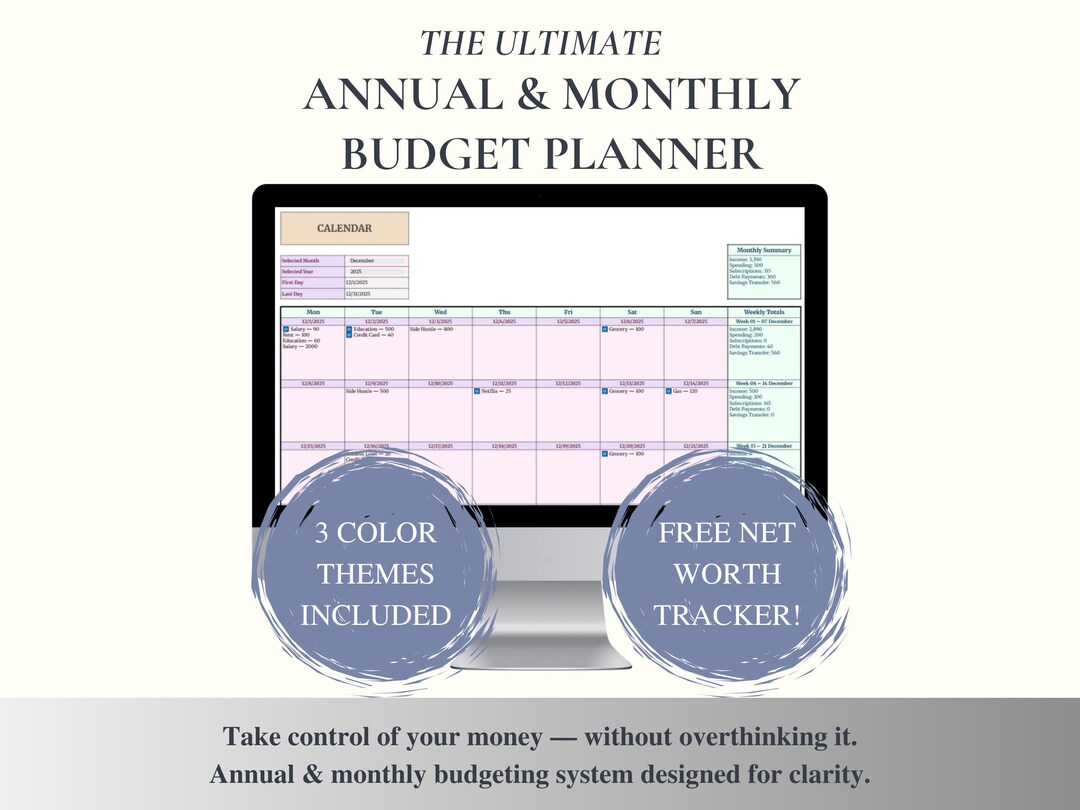
Promotional monthly planners remain a worthwhile investment for businesses when they prioritize high-utility design, high-quality materials, and strategic distribution. While digital tools dominate scheduling, physical planners provide a tangible, daily-use branding touchpoint that enhances brand recall, provided the planner serves a functional purpose that justifies its presence on a client’s desk throughout the year.
The Role of Physical Planners in a Digital-First Environment
In 2026, the marketing landscape is heavily saturated with digital notifications, cloud-based task managers, and ephemeral advertisements. This digital fatigue has paradoxically increased the value of physical stationery. When a brand provides a high-quality monthly planner, it shifts from being a piece of "swag" to a functional tool.
The primary value proposition of a promotional planner is frequency of exposure. Unlike a brochure or a flyer that is viewed once and discarded, a monthly planner is accessed daily or weekly. By integrating your brand identity into the daily workflow of a client or prospect, you achieve "top-of-mind" awareness that digital display ads often struggle to sustain. However, this only holds true if the product is useful enough to be kept. If the planner lacks durability, sufficient writing space, or logical layout, it will likely be discarded, resulting in a negative return on investment (ROI) and potential brand friction.
Defining the Value Metric for Promotional Stationery
Evaluating the worth of promotional planners requires shifting the perspective from "cost per unit" to "cost per impression." If you purchase 500 planners at a unit cost of $12.00, your total expenditure is $6,000. If those planners are used consistently by your target audience for 200 days of the year, you have secured 100,000 brand impressions. This breakdown reveals why budget-tier, flimsy planners are rarely "worth it"—they fail to last long enough to generate a meaningful number of impressions.
To determine if these items align with your marketing objectives, consider the following decision matrix:
Comparison of Promotional Planner Tiers
| Feature | Low-Cost Budget Planners | Premium Executive Planners |
|---|---|---|
| Material Quality | Thin paper, plastic covers | Thick stock, faux/genuine leather |
| Retention Rate | Low (often discarded) | High (kept as a desk accessory) |
| Brand Perception | Disposable/Cheap | Professional/Reliable |
| Annual Impressions | Limited by premature wear | High (used through Dec 2026) |
| Primary Use | Trade show giveaways | Client appreciation gifts |
Prerequisites for Successful Implementation
Before committing to a bulk order, you must establish clear operational requirements. A planner is only an effective marketing tool if it integrates seamlessly into the user's existing habits.
1. Identifying the Target Audience
Are you distributing these to busy professionals, students, or trade show attendees? A busy executive requires a minimalist, high-quality planner that fits into a briefcase, whereas a creative professional might prefer a design that allows for sketching or modular note-taking. Mismatched expectations are the leading cause of wasted promotional budgets.
2. Design and Functional Utility
The physical specifications dictate whether a recipient will keep the planner. Key considerations for 2026 include:
- Paper Weight: Anything below 80gsm often suffers from "bleed-through," making it unusable for fountain pens or markers.
- Binding: Lay-flat binding (sewn or spiral) is essential. If a planner does not stay open on its own, it creates friction that leads to abandonment.
- Layout: While it is a "monthly" planner, including a few pages of daily or weekly breakdown increases the utility for planning long-term projects.
3. Subtle Branding vs. Overt Advertising
Avoid plastering a large, gaudy logo across the cover. Recipients are more likely to use a planner that looks like a sophisticated personal accessory. Use debossing or subtle foil stamping for the logo. When a planner feels professional, it reflects positively on your brand’s standards, effectively serving as an extension of your company’s quality assurance.
Practical Steps to Maximize ROI
If you decide that promotional planners fit your marketing strategy, follow these steps to ensure the final product delivers value:
- Define Distribution Channels: If these are for a trade show, prioritize durability and transportability. If they are for high-value client retention, invest in premium packaging to enhance the "unboxing" experience.
- Verify Production Timelines: As of 2026, lead times for custom-branded stationery can fluctuate based on global supply chains and peak seasonal demand (typically Q3 and Q4). Order early to avoid rush fees that erode your ROI.
- Audit the Content: Include value-added content such as project management frameworks, industry-specific reference tables, or contact pages that make the planner indispensable. If the planner contains helpful information, the user will be less likely to discard it for a generic digital calendar.
- Track Engagement: Treat these as a marketing experiment. Include a unique, subtle QR code on the back page that leads to a hidden resource or a small discount for your services. This allows you to track exactly how many of your planners are actually in active use.
Common Pitfalls and How to Avoid Them
The most frequent mistake is viewing the planner as a billboard rather than a tool. When companies prioritize logo size over paper quality, they fundamentally misunderstand the psychology of the recipient.
- Ignoring Sustainability: In 2026, clients are increasingly conscious of environmental impact. Using FSC-certified paper or recycled materials is no longer a "nice-to-have"; it is a standard expectation. A planner made from sustainable materials communicates that your brand is forward-thinking.
- Over-Customization: Trying to force too much promotional copy onto every page creates visual clutter. A clean, minimalist aesthetic is timeless and professional.
- Poor Timing: Distributing planners in March is generally ineffective. The peak window for "worth" is the Q4 lead-up to the new year. If you find yourself holding stock in the middle of the year, pivot the usage to a mid-year "fiscal planner" or repurpose them for internal training materials.
Frequently Asked Questions
Are promotional planners better than digital marketing spend? They are not "better" but serve a different psychological function. Digital marketing is about reach and conversion; promotional planners are about retention and top-of-mind awareness. They serve as a constant physical reminder of your brand, which digital ads cannot replicate.
How do I justify the cost of high-quality planners to stakeholders? Focus on the lifetime value (LTV) of the client. If a $20 premium planner keeps your brand in front of a high-value account for 12 months, the cost per day is roughly $0.05. Frame this as a cost-effective alternative to continuous digital ad spend.
What is the minimum recommended quality for a professional giveaway? Aim for at least 100gsm paper with a hardbound, lay-flat cover. Ensure the interior includes at least one month-to-view calendar layout, as this is the industry standard for usability.
Do promotional planners work for all industries? They are most effective in B2B service industries, consulting, law, finance, and real estate, where professional organization is a core value of the service being provided. They may be less effective in fast-moving consumer goods (FMCG) sectors where digital-first interaction is expected.
Strategic Recommendation
If your marketing budget permits, do not treat promotional planners as a commodity giveaway. Instead, treat them as a high-value asset for your most important clients. Allocate 70% of your budget to high-quality, long-lasting materials and 30% to the refinement of the brand aesthetic. By moving away from "disposable" promotional items and toward "functional" tools, you ensure that your investment persists on the desks of your target audience throughout 2026 and beyond. Start by sampling a small, high-quality batch and surveying your recipients regarding the utility of the layout and the quality of the materials before committing to a larger production run.