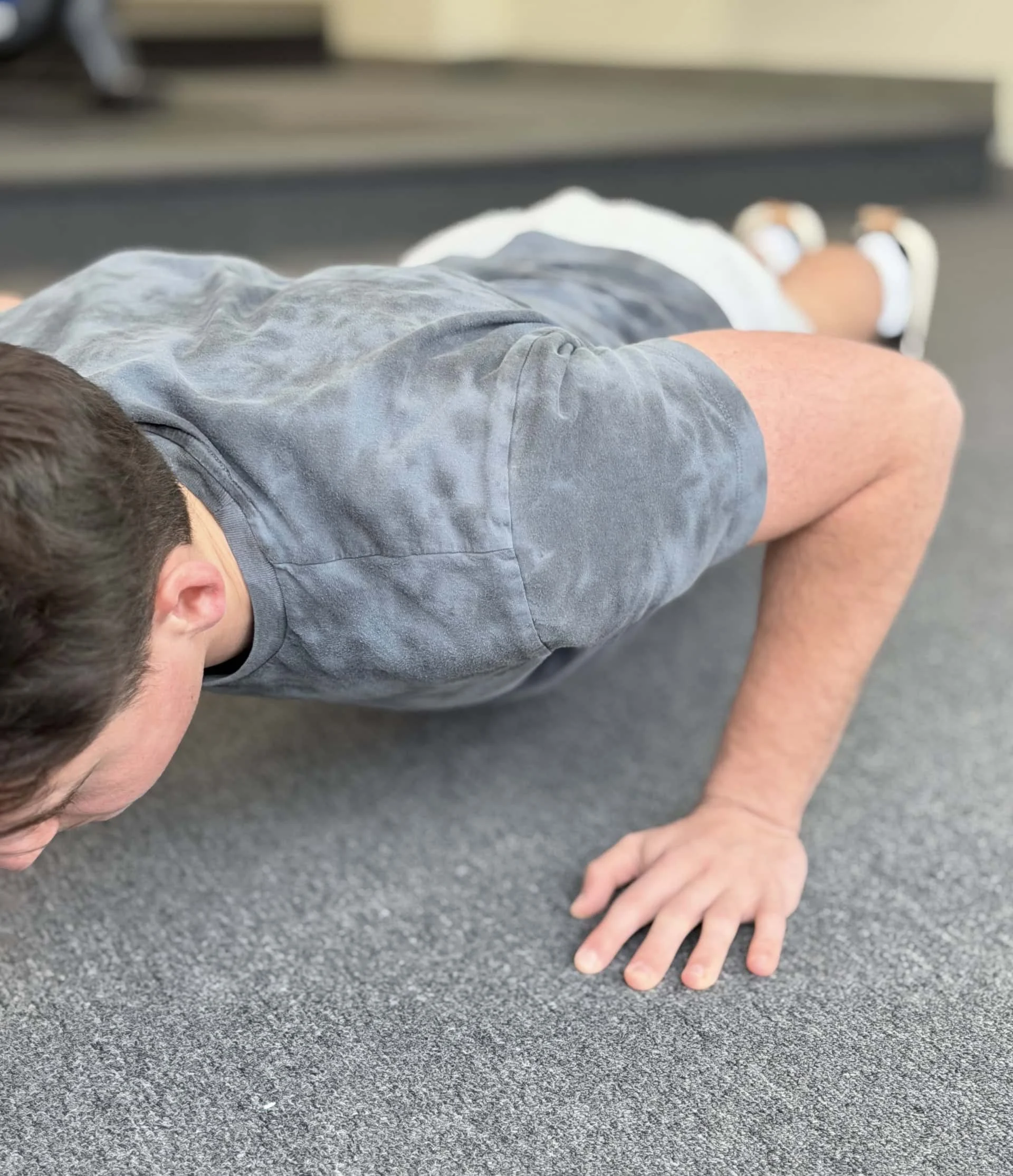
Pushups are not inherently bad for your shoulders, but improper form, high-volume repetitive stress, and pre-existing imbalances can lead to significant shoulder injury. When performed with correct biomechanics and adequate strength ratios, pushups serve as a foundational, effective tool for building chest, shoulder, and triceps stability and hypertrophy.
The question of whether pushups damage the glenohumeral joint—the primary ball-and-socket joint of the shoulder—is one of the most common inquiries in exercise science. To understand the relationship between this ubiquitous bodyweight exercise and shoulder health, one must look past the exercise itself and focus on the mechanics of the movement, the integrity of the rotator cuff, and the importance of scapular mobility.
Understanding the Mechanics of the Pushup
The pushup is a closed-kinetic-chain exercise, meaning the hands are fixed against a stationary surface (the floor) while the body moves. This is fundamentally different from bench pressing, which is an open-kinetic-chain movement. Because the hands are fixed, the scapulae (shoulder blades) must move freely across the rib cage to support the weight of the torso.
When you lower yourself toward the floor, your scapulae should retract (squeeze together) and depress (move downward). As you push back up, the scapulae should protract (spread apart). Many individuals experience shoulder discomfort because they "lock" their shoulder blades in place or allow them to "wing" outward, creating a scenario where the humerus (upper arm bone) jams into the acromion process, potentially causing impingement.
The Role of Scapular Stability
If your shoulder blades are unstable, the small muscles of your rotator cuff—the infraspinatus, supraspinatus, subscapularis, and teres minor—must work overtime to stabilize the joint. Over time, this chronic overcompensation can lead to tendonitis or labral irritation. A pushup is only as safe as your ability to maintain "packed" shoulders throughout the entire range of motion.
Common Biomechanical Errors
Most injuries attributed to pushups are not caused by the exercise itself, but by poor execution. Recognizing these errors is the first step in injury prevention.
- The "T" Position: Placing the hands far out to the sides at a 90-degree angle to the torso creates massive torque on the shoulder joint and increases the risk of rotator cuff impingement.
- Leading with the Chin: Dropping the head toward the floor instead of keeping a neutral spine puts excessive strain on the cervical spine and shifts the load into the front of the shoulder capsule rather than the pectoral muscles.
- Elbow Flaring: When the elbows point directly out to the sides, the humerus is placed in an internally rotated position, which is the most vulnerable posture for the shoulder joint.
- Weak Core Engagement: If the lower back sags, the body’s center of gravity shifts, putting uneven pressure on the upper body and forcing the shoulders to bear load in an awkward, non-functional alignment.
How to Optimize Pushup Technique for Safety
To ensure that pushups remain a safe part of your 2026 fitness routine, you must focus on refining your technique. The goal is to move the load into the large muscles—the pectorals and the triceps—and away from the sensitive structures of the shoulder joint.
The "Arrow" Positioning
Instead of an "T" shape, tuck your elbows toward your ribs until your body forms an arrow (or an "A" shape) when viewed from above. This position, often referred to as a 45-degree angle, keeps the shoulders in a position of external rotation, which creates more space in the subacromial gap and protects the rotator cuff tendons.
Scapular Control Drills
Before attempting high-repetition pushups, master the "scapular pushup." Start in a standard plank position, arms fully extended. Without bending your elbows, let your chest sink toward the floor by squeezing your shoulder blades together. Then, push your upper back toward the ceiling by spreading your shoulder blades as wide as possible. This movement trains the serratus anterior muscle, which is essential for keeping the scapulae flat against the rib cage during standard pushups.
Comparison of Pushup Variations and Shoulder Impact
| Variation | Shoulder Load | Stability Requirement | Best For |
|---|---|---|---|
| Standard Pushup | Moderate | Moderate | General Strength |
| Close-Grip Pushup | High (Triceps) | High | Triceps focus |
| Wide-Grip Pushup | High (Shoulder) | Low | Pectoral isolation |
| Decline Pushup | Very High | High | Upper chest/shoulder |
| Incline Pushup | Low | Low | Beginners/Rehab |
Who Should Avoid Standard Pushups?
While the pushup is widely considered a safe exercise for healthy individuals, those with a history of specific orthopedic conditions should exercise caution. If you have been diagnosed with a rotator cuff tear, a history of shoulder dislocations, or active shoulder impingement syndrome, standard pushups may aggravate your condition.
It is highly recommended that individuals with persistent shoulder pain consult with a physical therapist or a certified strength and conditioning specialist. They can provide a personalized assessment to determine if your shoulder issues are due to mobility restrictions in the thoracic spine or simple muscular weakness that can be corrected with specific exercise modifications.
Addressing Related Questions
Is it normal for shoulders to pop during pushups?
Occasional clicking or popping (crepitus) without pain is generally considered benign and is often related to a tendon snapping over a bony prominence. However, if the clicking is accompanied by sharp pain, weakness, or a feeling of instability, it is a warning sign to stop the exercise and evaluate your form or seek medical advice.
Can I do pushups if I have shoulder impingement?
In many cases, yes, provided you modify the movement. Impingement is often caused by the narrowing of the space in the shoulder joint. By utilizing an incline pushup—where your hands are placed on a bench or elevated surface—you significantly reduce the amount of body weight being pushed, which can help you perform the movement pain-free while you build the necessary rotator cuff strength.
How often should I do pushups to avoid overuse injuries?
Volume management is key. If you are performing hundreds of pushups daily without periodization, you are at risk of "overuse syndrome." For most, 2–3 sessions per week, combined with adequate rest and a balanced "pulling" routine (such as rows or pull-ups), is sufficient to maintain shoulder health while promoting growth.
Why do my shoulders hurt more than my chest during pushups?
This usually indicates that your chest muscles are not effectively handling the load, causing the anterior deltoids (the front of your shoulders) to overcompensate. This is often solved by widening your grip slightly, focusing on a mind-muscle connection with the pectorals, or reducing the total volume until your chest strength catches up to your shoulder capacity.
What are the best alternatives if pushups still cause pain?
If you continue to experience discomfort, consider transitioning to landmine presses, TRX suspension trainer chest presses, or floor presses with dumbbells. These variations allow for a more neutral wrist and shoulder alignment, which often alleviates the stress on the glenohumeral joint while providing a similar stimulus to the chest and triceps.
Next Steps for Shoulder Health
The most effective way to incorporate pushups into your training is to treat them as a skill rather than just a chore. Start by recording a video of yourself performing five repetitions from a side-view angle. Check for elbow flare, head position, and scapular movement. If you notice your shoulders shrugging toward your ears, focus on "depressing the scapulae" (pulling the shoulders down away from the ears) before you initiate the descent.
If you remain pain-free during the movement, focus on progressive overload by increasing the number of repetitions or the complexity of the variation rather than just doing more for the sake of volume. If you experience sharp, localized pain, do not "push through it"—the risk of developing chronic shoulder inflammation outweighs the benefit of a single exercise. Consult with a qualified professional to ensure your training plan is tailored to your unique anatomical needs.