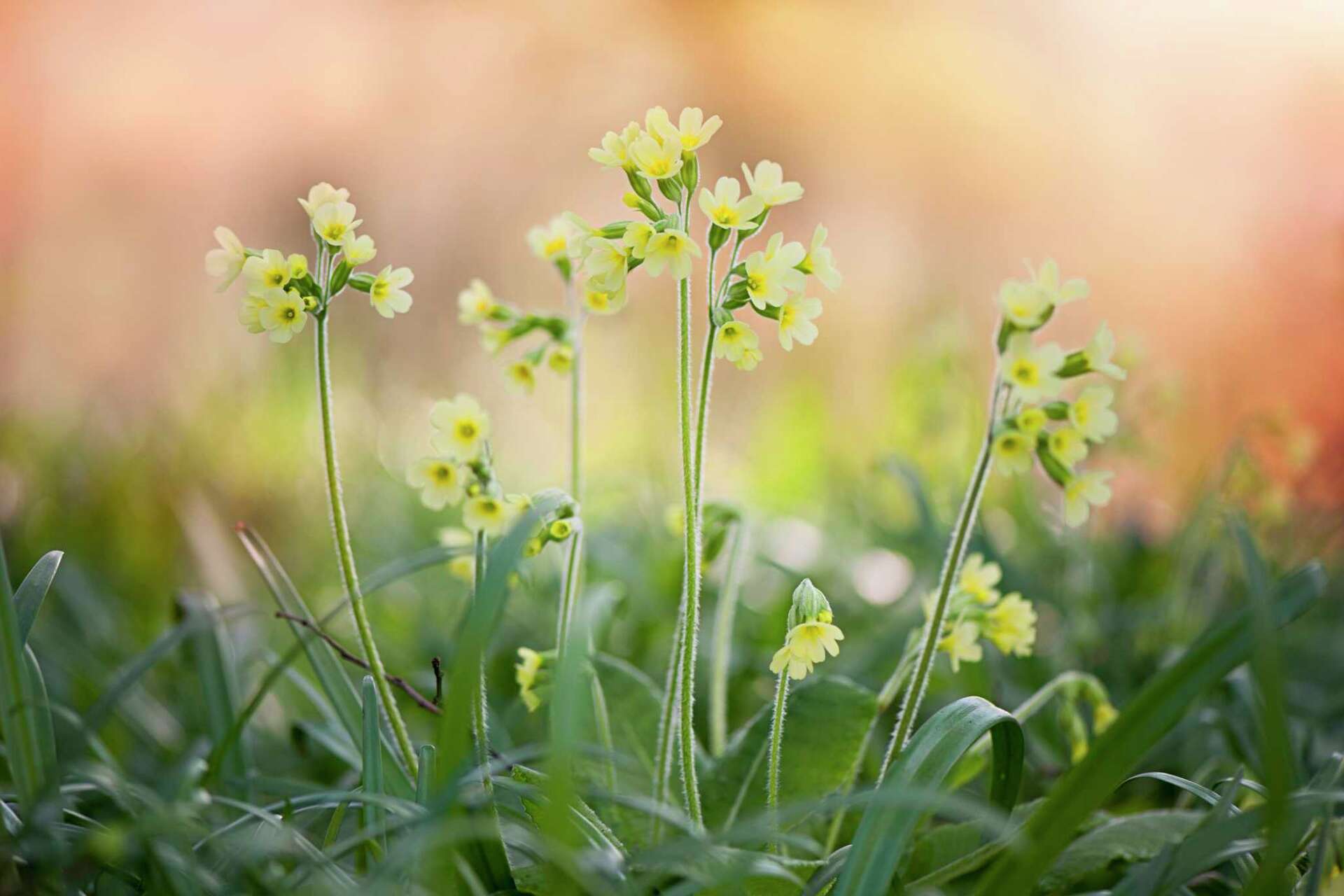
Most primroses (Primula spp.) are herbaceous perennials, meaning they are biologically programmed to live for multiple years and return each spring. However, their classification in a home garden depends heavily on your local climate, the specific species you choose, and the environmental conditions provided during their growth cycle. While many varieties are hardy and reliable, others are treated as annuals because they struggle to survive the heat of summer or the intensity of a winter freeze in certain zones.
The Botanical Classification of Primula
To understand why primroses behave differently depending on the setting, it is necessary to recognize the vastness of the genus Primula. There are over 500 species of primroses, ranging from the common garden varieties seen in early spring markets to rare, high-altitude alpine species.
Botanically, a perennial is a plant that lives for more than two years. The crown of the primrose remains alive underground or at the soil surface, sending up new foliage and blooms when temperatures and day length trigger a shift in its growth cycle. Most temperate-climate primroses, such as the Primula vulgaris (common primrose) or Primula veris (cowslip), are true perennials. They establish root systems that allow them to go dormant during extreme weather—either high heat or heavy frost—and resume growth when conditions improve.
The confusion regarding their life cycle often arises from the commercial horticultural industry. Retailers frequently sell primroses as "disposable" color—plants meant to provide a quick, intense burst of beauty on a porch or windowsill before being discarded. In these instances, the plants are often forced in greenhouses to bloom early, which can exhaust their energy reserves. If these forced plants are moved from a climate-controlled greenhouse to a harsh outdoor environment without a hardening-off period, they may fail to return, leading gardeners to mistakenly label them as annuals.
Climate Zones and Winter Hardiness
Your geographical location and the USDA Plant Hardiness Zone in which you garden are the most critical factors in determining whether a primrose will persist as a perennial. While many primroses are categorized as hardy perennials, "hardiness" is relative.
Cold Hardiness
Many perennial primroses, such as Primula denticulata (drumstick primrose), are exceptionally cold-tolerant, often hardy down to USDA Zone 3 or 4. These plants are evolved to withstand frozen ground and snow cover. In these regions, they thrive as perennials because the cold acts as a necessary period of vernalization—the cooling process required to initiate flower bud development for the following year.
Heat Sensitivity
Conversely, heat is the primary enemy of the primrose. While these plants are technically perennial, they are not necessarily "long-lived" in climates with sweltering summers. In regions with high humidity and temperatures consistently exceeding 80°F (27°C) for prolonged periods, many primrose species go into a permanent heat-induced dormancy that they cannot recover from. If you live in an area with hot, humid summers, you may find that even "perennial" varieties struggle to survive. In these cases, gardeners often choose to treat them as cool-season annuals, planting them for spring color and accepting that they will not survive the summer.
Common Species and Their Behavioral Profiles
Not all primroses share the same longevity expectations. Understanding the specific type you are planting can help you manage your expectations.
- Primula vulgaris (English Primrose): These are the classic garden primroses. They are reliable perennials in cool, temperate climates. They prefer partial shade and moist, humus-rich soil.
- Primula veris (Cowslip): Known for their clusters of yellow flowers, these are robust perennials that naturalize well in meadow settings or shaded garden borders.
- Primula polyantha: Often sold as bedding plants, these are hybrids derived from P. vulgaris. While they are perennials, they often lose their vigor after three to four years and may require division or replacement.
- Primula obconica: Frequently sold as a houseplant, this species is much less cold-hardy than its outdoor cousins. In most parts of the world, it is treated as an annual or a temporary houseplant because it cannot survive freezing temperatures.
Environmental Requirements for Perennial Success
If you want to ensure your primroses act as perennials, you must replicate their native habitat. Primroses are woodland-edge dwellers; they require consistent moisture and protection from the intense midday sun.
Soil and Drainage
Primroses require soil that is consistently moist but never waterlogged. If the soil is too heavy (such as dense clay), the roots will rot during the winter dormancy period. Incorporating organic matter, such as leaf mold or well-rotted compost, into the planting site improves drainage while holding onto the moisture the plants require.
Light Management
Sunlight is a double-edged sword for the primrose. In the cool days of early spring, they can handle more sunlight. However, as the season progresses toward summer, direct sun will bake the roots and wither the foliage. Planting them under the canopy of deciduous trees is ideal. The trees provide shade during the hot summer months, but allow the sun to reach the primroses in the early spring when the trees have yet to leaf out.
Mulching and Moisture
Because primroses do not have deep root systems, they are vulnerable to fluctuations in soil moisture. A layer of organic mulch, such as shredded bark or pine needles, helps regulate soil temperature and keeps moisture levels stable. In 2026, many sustainable landscaping practices emphasize using native mulch to mimic forest floor conditions, which is highly beneficial for the health of Primula species.
Comparison Table: Perennial vs. Annual Treatment
| Feature | Perennial Treatment | Annual Treatment |
|---|---|---|
| Plant Selection | Species chosen for climate (e.g., P. veris) | Forced hybrids, store-bought bedding |
| Location | Permanent, semi-shaded, moist spot | Containers, window boxes, borders |
| Soil Prep | Ample organic matter, excellent drainage | Standard potting mix |
| Maintenance | Dividing clumps every 3 years, mulching | Composting after flowering |
| Goal | Long-term garden structure and return | Immediate, high-impact seasonal color |
Troubleshooting Why Your Primroses Failed to Return
If you were expecting a perennial but discovered bare soil where your primroses once were, several factors might be at play.
- Crown Rot: This is the most common cause of death. If the crown of the plant is buried too deeply or if the soil is too wet during winter, the base of the plant will rot. When planting, ensure the crown is level with the soil surface.
- Pests: Slugs and snails find the succulent leaves of primroses irresistible. If these pests are not controlled, they can strip a plant of its foliage, robbing it of the energy needed to store nutrients for winter.
- Summer Heat: As previously noted, if the plant was subjected to heat stress beyond its physiological threshold, it likely died due to heat exhaustion.
- Inadequate Vernalization: In very mild climates where temperatures do not drop sufficiently, some primroses fail to cycle properly, leading to weak growth or death.
Practical Steps for Long-Term Care
To maximize the likelihood that your primroses persist, follow this maintenance cycle:
- Spring: Monitor for moisture. If rainfall is inconsistent, provide supplemental water. This is the time to fertilize with a balanced, slow-release organic fertilizer to support the post-bloom foliage growth.
- Summer: Keep the plants cool. If they are in pots, move them to the shade. In the ground, ensure they remain mulched. Monitor for pests like aphids or mites.
- Autumn: Keep the soil slightly moist. Avoid heavy fertilizers, as you do not want to encourage new growth before the cold sets in.
- Division: Every three to four years, lift the plants after they have finished blooming in late spring. Use a sharp spade to divide the root clumps, ensuring each piece has a healthy amount of roots and at least one crown. Replant immediately to revitalize the stand.
Frequently Asked Questions
Do store-bought primroses always die? No, they do not always die, but they often struggle. Many store-bought primroses are "forced" to bloom early in greenhouses. When planted outdoors, they are in a fragile state. If you buy them from a nursery in early spring, plant them in a cool, shaded spot, and they may acclimatize and become long-term perennials.
How deep should I plant my primroses? The crown of the primrose—the point where the roots meet the leaves—must be exactly at or slightly above the soil surface. If you bury the crown, the plant is highly susceptible to crown rot, which will likely kill it within a season.
Can I grow primroses in containers? Yes, but they function as short-term perennials or annuals in containers. Container-grown plants are more exposed to temperature fluctuations. Unless the container is very large, the roots may freeze or overheat. It is best to treat containerized primroses as seasonal decor.
Why are my primroses not flowering after the first year? Lack of blooms in the second year is usually due to insufficient light in the early spring or inadequate nutrition. Ensure they are planted in a location that receives light during the early spring growth period and apply a light top-dressing of compost once the flowering cycle ends.
Are there any toxic risks with primroses? Some species, specifically Primula obconica, contain a compound called primin, which can cause contact dermatitis in sensitive individuals. Always wear gardening gloves when handling this specific variety, especially if you have sensitive skin.
Final Recommendation
If you want to enjoy the longevity of primroses, look for species specifically labeled for your hardiness zone and prioritize planting them in sites with well-draining, moisture-retentive soil. If your garden environment is naturally hot or dry, consider planting your primroses in movable containers that can be sheltered during the heat of summer. By providing the cool, shaded conditions they crave, you will find that these plants are not merely seasonal visitors but faithful, multi-year occupants of your garden.