The relationship between Pakistan and Iran is defined by a paradoxical mix of historical kinship, shared cultural ties, and deep-seated structural friction. While the two nations are neighbors with centuries of interconnected history, characterizing them simply as "allies" obscures a complicated geopolitical reality. Their interaction is better described as a pragmatic, managed coexistence occasionally interrupted by periods of profound strategic mistrust and localized security crises.
To understand whether Pakistan and Iran are truly allies, one must look beyond diplomatic rhetoric and toward the material realities of their border security, regional alignment, and economic dependencies. Despite sharing a 900-kilometer border and extensive religious and linguistic affinities, the relationship is frequently tested by divergent security priorities, the influence of third-party powers, and the management of restive border regions.
The Foundations of the Pakistan-Iran Relationship
At a foundational level, Iran and Pakistan share deep roots that date back long before the modern state system. Both nations draw from centuries of shared Persianate cultural and linguistic history, which remains a soft-power bridge. Following the 1979 Iranian Revolution, Pakistan was among the first countries to recognize the new Islamic Republic, establishing a baseline of diplomatic normalcy that has persisted through decades of regional upheaval.
However, the nature of their cooperation is limited by the fact that they belong to different, and sometimes competing, spheres of influence. Pakistan has historically maintained close military and strategic ties with the United States and Saudi Arabia, whereas Iran has defined its foreign policy through its resistance to Western hegemony and its leadership of the so-called "Axis of Resistance." These structural differences mean that while the two countries rarely pursue outright hostility, they rarely act as a unified strategic bloc on the international stage.
Border Security and the Balochistan Factor
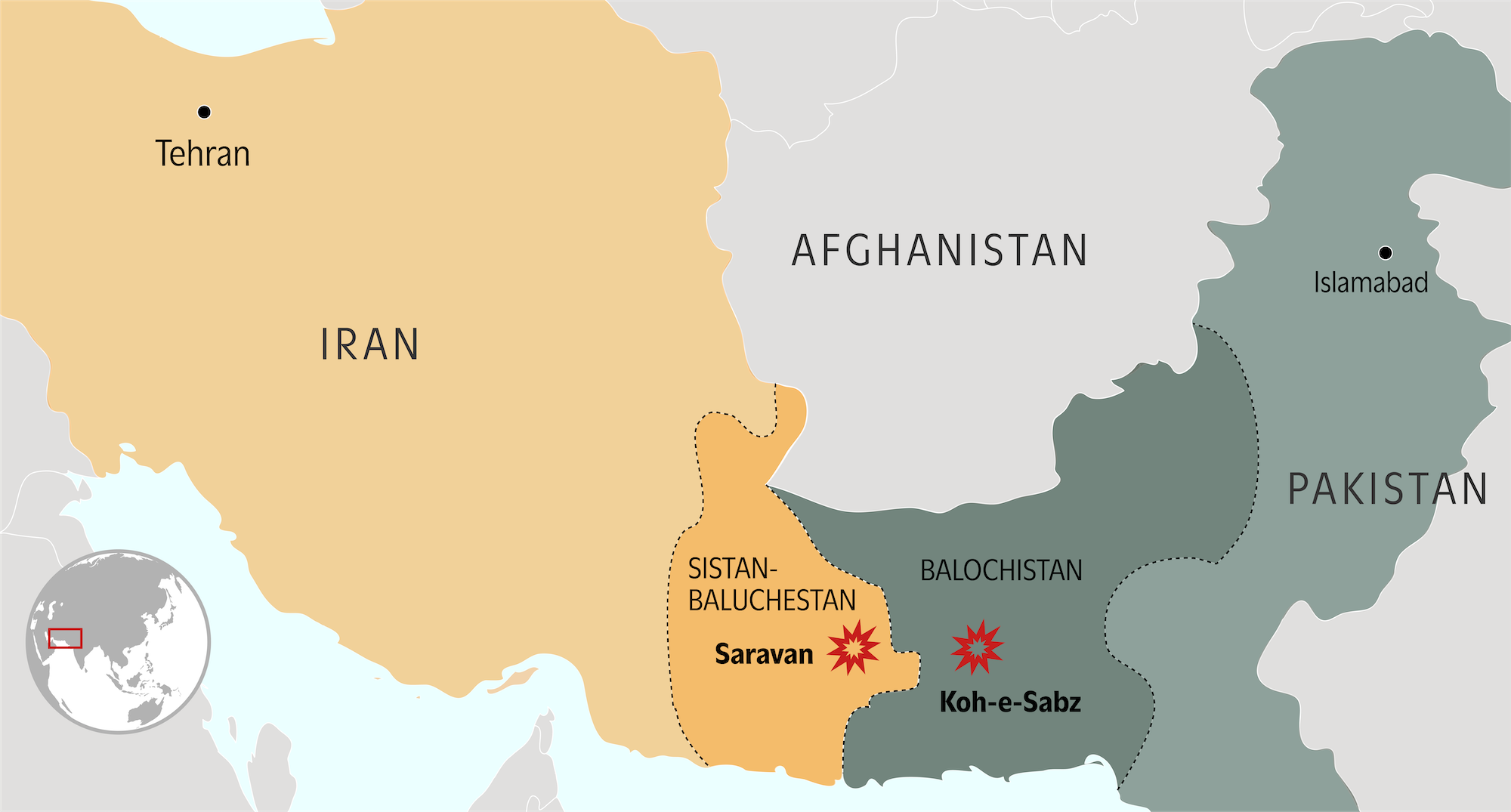
The most significant friction point in the bilateral relationship is the porous, often unstable, border shared in the Balochistan region. Both sides have historically struggled to control the movement of militant groups, separatist insurgents, and smuggling networks. For Tehran, the primary concern is the activity of Sunni militant groups—such as Jaish al-Adl—that operate from Pakistani soil and launch attacks into Iranian territory. For Islamabad, the concern centers on the role of Baloch separatist movements that find refuge in Iran, as well as the encroachment of Iranian influence into Pakistan's internal sectarian dynamics.
The border is not merely a line of demarcation; it is a space where the state's reach is often contested. The 2024 military flare-up, involving cross-border airstrikes, highlighted the fragility of this status quo. While both governments quickly moved to de-escalate, the incident served as a "real world look" at the potential for minor provocations to spiral into larger conflicts. The inability to fully secure this border remains the greatest hurdle to a genuine, trust-based alliance.
Economic Interdependence and the Pipeline Project
Economic cooperation between the two nations has long been hampered by international sanctions and structural challenges. The most prominent example of this is the Iran-Pakistan (IP) gas pipeline. Conceived decades ago, the project was intended to address Pakistan’s chronic energy shortages by tapping into Iran’s vast natural gas reserves. Despite its clear mutual benefits, the pipeline has been delayed repeatedly due to pressure from the United States, which enforces strict sanctions against Iranian energy exports.
This project encapsulates the "managed" nature of the relationship. Pakistan desperately needs the energy, and Iran needs the regional market, yet the geopolitical cost of defying Western sanctions has forced Islamabad to move with extreme caution. The project remains a persistent subject of negotiation, illustrating that their economic relationship is consistently subordinated to the broader constraints of international diplomacy.
Comparative Analysis: Strategic Interests vs. Practical Constraints
The following table highlights the contrasting priorities that define the limits of the Pakistan-Iran relationship in 2026.
| Feature | Pakistan's Perspective | Iran's Perspective |
|---|---|---|
| Regional Alignment | Maintains balancing act; ties with West and Gulf states. | Resists Western influence; regional projection of power. |
| Security Priority | Countering terrorism and internal separatist movements. | Protecting territorial integrity and preventing proxy incursions. |
| Economic Goal | Energy security via natural gas imports. | Overcoming sanctions through regional trade. |
| Border Management | Challenges with cross-border militant transit. | Challenges with sectarian violence in border regions. |
| Relationship Status | Pragmatic neighbor; occasional mediator. | Important neighbor; ideological and strategic outlier. |
The Impact of Third-Party Influences
One cannot accurately analyze the Pakistan-Iran dynamic without accounting for the roles of Saudi Arabia, the United States, and China. Historically, Pakistan’s deep security relationship with Riyadh created a natural barrier to a truly close alignment with Tehran, as the two represent opposing poles in a broader regional sectarian and geopolitical rivalry.
Furthermore, China’s growing influence in the region—particularly through the China-Pakistan Economic Corridor (CPEC)—has introduced a new variable. Beijing has a vested interest in the stability of both countries, as it relies on Iranian energy and Pakistani infrastructure for its own strategic expansion. China has, at times, acted as a silent mediator, encouraging both Islamabad and Tehran to prioritize regional stability over minor skirmishes. This suggests that the relationship is increasingly influenced by the requirements of "great power" connectivity rather than purely bilateral diplomatic intentions.
Sectarian Dynamics and Internal Politics
Religious and sectarian demographics play a subtle but critical role in how the two nations perceive each other. While the vast majority of Pakistan’s population is Sunni, it is home to a significant Shia minority, creating a natural cultural connection to Iran’s state-sponsored Shia theology. At times, this has been a source of tension, with accusations of external interference in Pakistan’s religious discourse.
Conversely, the rise of extremist groups with anti-Shia sentiments has led to periodic friction with Tehran, which views itself as the protector of Shia interests globally. These internal sensitivities mean that both governments must carefully navigate their diplomatic engagement to avoid domestic political fallout. As a result, official rhetoric is often kept at a level of cordiality that avoids addressing deeper ideological or sectarian tensions.
Is There a Prospect for a Deeper Alliance?
As of 2026, a shift toward a deep, formal, or defense-oriented alliance between Pakistan and Iran remains unlikely. The structural barriers—specifically Pakistan’s reliance on international financial institutions and military partnerships—and Iran’s ongoing isolation from the global banking system make deep economic and strategic integration nearly impossible.
Instead, the relationship is likely to remain characterized by:
- Crisis Management: High-level diplomatic visits following cross-border incidents to maintain the status quo.
- Transactional Trade: Small-scale border trade and informal barter systems that bypass traditional banking.
- Strategic Hedging: Maintaining the relationship as a "check" against other regional rivals, without fully committing to each other's security architectures.
FAQ: Understanding the Pakistan-Iran Relationship
Are Pakistan and Iran technically military allies?
No. They do not share a formal defense treaty or a mutual defense agreement. While they conduct occasional joint naval exercises and maintain regular communication between military leadership, their strategic goals often diverge, and they do not operate as a unified military bloc.
Why does the Iran-Pakistan gas pipeline keep stalling?
The primary obstacle is the threat of international sanctions. Pakistan fears that importing Iranian gas would trigger sanctions from the United States, which would negatively affect its own economy and access to international capital markets.
What causes the most conflict on their border?
The conflict is primarily driven by the activities of non-state actors, including militant groups and separatist organizations. These groups use the rugged, poorly monitored terrain to hide and conduct cross-border raids, leading to security responses that sometimes escalate into regional tensions.
How does Saudi Arabia influence this relationship?
Pakistan has a long-standing security partnership with Saudi Arabia, which includes training and military cooperation. Because Saudi Arabia and Iran have historically been regional rivals, Pakistan often finds itself in the position of needing to balance its obligations to Riyadh with the necessity of maintaining a stable, functional relationship with Tehran.
Could Pakistan serve as a mediator between Iran and the West?
Pakistan has occasionally attempted to play this role, leveraging its diplomatic history and geographic position. While it maintains open channels with both sides, its influence is limited by its own economic dependence on the West and its strategic alignment with China.
Final Assessment: A Managed Neighborliness
The question of whether Pakistan and Iran are allies is best answered with a "no" in the formal, strategic sense of the word. They are, however, indispensable neighbors who recognize that total hostility would be mutually ruinous. Their relationship is defined by a necessary, pragmatic, and frequently tense coexistence.
For observers looking at the real-world trajectory of South and West Asia, the takeaway is clear: Pakistan and Iran will continue to prioritize stability along their common border and search for creative, albeit limited, ways to circumvent international sanctions to maintain economic connectivity. They are not ideological or strategic partners, but they are regional actors who understand that, in the complex architecture of 2026, cooperation is almost always more profitable than conflict.