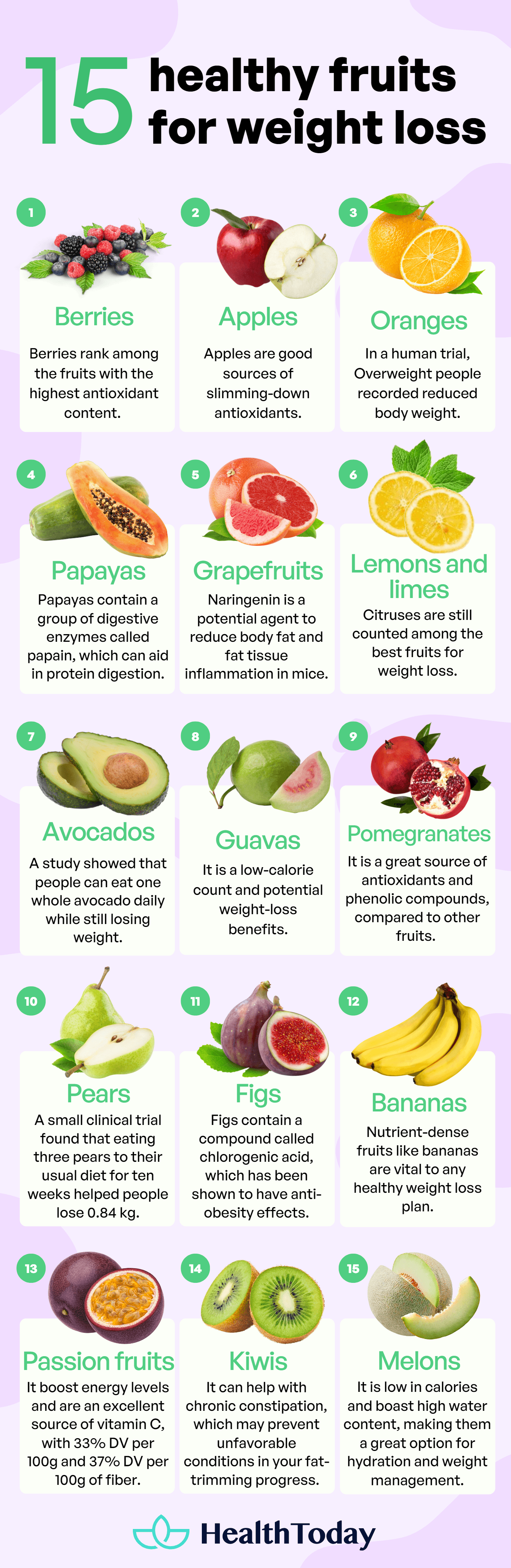
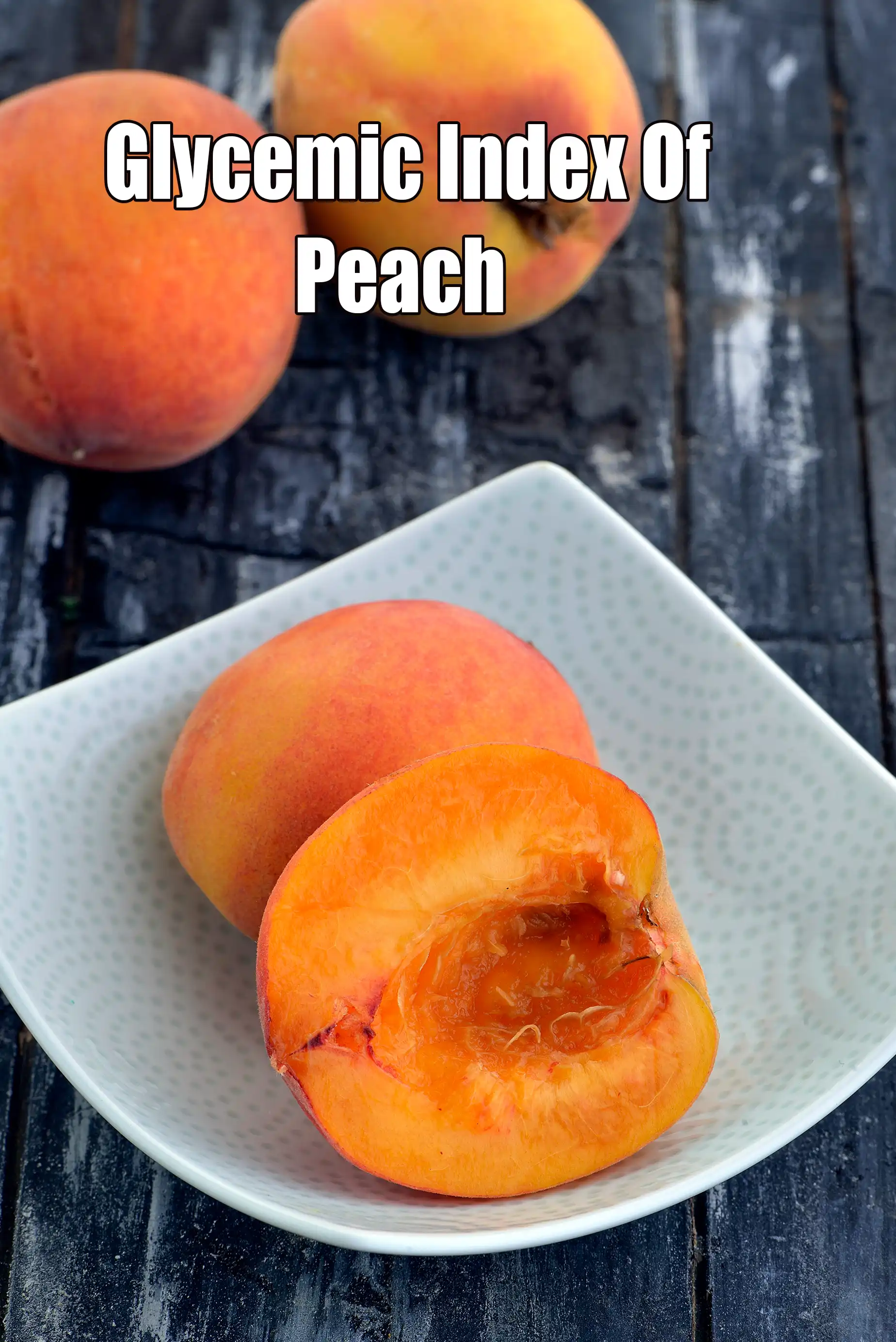
Peaches can be an excellent addition to a weight loss diet due to their low caloric density, high water content, and significant fiber profile. By providing a satisfying, sweet snack option, they help manage hunger and reduce the likelihood of consuming calorie-dense, processed foods, making them a practical tool for maintaining a sustainable caloric deficit.
The Nutritional Profile of Peaches
Understanding whether peaches support weight loss begins with a look at their fundamental composition. A medium-sized peach, typically weighing about 150 grams, contains approximately 60 calories. This low energy density is the primary reason peaches are favored by those monitoring their intake.
Beyond calories, peaches are composed of approximately 89% water. Hydration is a critical, yet often overlooked, component of weight management. Foods with high water content contribute to overall satiety—the feeling of fullness—without adding significant calories. When you consume a peach, you are providing your body with volume, which signals to your brain that your stomach has been satisfied, potentially reducing the urge to overeat during subsequent meals.
Furthermore, a medium peach provides about 2 grams of dietary fiber. Fiber slows the rate at which food leaves the stomach, prolonging the feeling of fullness and helping to stabilize blood sugar levels. Preventing rapid blood sugar spikes is essential for weight management, as steady energy levels help mitigate cravings that often lead to impulsive snacking.
Caloric Density and Energy Balance
At the core of weight loss is the principle of energy balance: consuming fewer calories than your body burns over time. Because peaches are low in calories but relatively high in essential vitamins and minerals, they are considered a "nutrient-dense" food.
In a weight loss context, the strategy is not merely to cut calories but to replace calorie-dense, nutrient-poor items with nutrient-dense options. For example, a standard serving of a processed snack cake might contain 200–300 calories, very little fiber, and added sugars. By choosing a peach instead, you reduce your immediate caloric intake by over 70% while simultaneously providing your body with potassium, Vitamin C, and beta-carotene. This switch helps maintain the necessary caloric deficit while ensuring that your body receives the fuel it needs to function properly during periods of weight loss.
The Role of Fiber in Metabolic Health
The fiber found in peaches is primarily soluble, which dissolves in water to form a gel-like substance in the digestive tract. This substance has several beneficial effects on metabolism and weight loss. First, it slows down the digestion of carbohydrates. By slowing the absorption of glucose, soluble fiber helps prevent the insulin spikes that can trigger the body to store fat more aggressively.
Second, the fermentation of fiber by gut bacteria produces short-chain fatty acids, which play a role in regulating appetite hormones like peptide YY and glucagon-like peptide-1. These hormones communicate with the brain to signal that you have had enough to eat. Including fibrous fruits like peaches in your daily diet is an effective way to leverage these biological signals to curb appetite naturally without the need for restrictive measures.
Comparing Peaches with Other Popular Fruits
When planning a weight loss regimen, it is helpful to compare the fruit you choose against alternatives to understand their impact on your goals.
| Fruit | Calories (per 100g) | Fiber (per 100g) | Water Content |
|---|---|---|---|
| Peach | 39 kcal | 1.5g | ~89% |
| Apple | 52 kcal | 2.4g | ~86% |
| Banana | 89 kcal | 2.6g | ~75% |
| Strawberry | 32 kcal | 2.0g | ~91% |
As shown in the table, peaches sit comfortably in the lower end of the caloric spectrum. While they may have slightly less fiber per gram than an apple, their higher water content and lower overall sugar concentration make them a competitive choice for weight loss. The key is variety; rotating peaches with other low-calorie fruits like berries ensures a broad spectrum of micronutrients.
Best Practices for Including Peaches in a Weight Loss Plan
To maximize the weight loss benefits of peaches, it is important to focus on how and when you consume them.
- Prioritize Whole Fruit: Always consume the whole, fresh fruit rather than canned peaches or juice. Canned peaches, even those in "light syrup," contain added sugars that drastically increase the caloric density. If you must buy canned, look for options packed in water or 100% fruit juice, and drain the liquid before consuming.
- Timing Matters: Eat a peach before a larger meal to manage portion control. By the time you reach your main course, the fiber and volume from the peach will have already begun to signal satiety.
- Pair with Protein or Healthy Fats: To prevent a blood sugar crash and keep you full longer, pair your peach with a small amount of protein or healthy fat, such as a handful of almonds, a tablespoon of plain Greek yogurt, or a slice of low-fat cheese. This combination creates a balanced, satiating snack.
- Mindful Preparation: Avoid adding sugar, honey, or heavy toppings. If you find fresh peaches too plain, sprinkle them with a touch of cinnamon or bake them slightly to enhance their natural sweetness without adding unnecessary empty calories.
Potential Drawbacks and Considerations
While peaches are healthy, they are not a "magic bullet" for weight loss. Weight loss occurs through consistent, long-term lifestyle changes. Relying solely on one type of food—an approach sometimes called "mono-dieting"—can lead to nutritional deficiencies and metabolic stress. A healthy weight loss plan should include a wide range of vegetables, lean proteins, whole grains, and healthy fats alongside fruits like peaches.
Additionally, some individuals may experience gastrointestinal discomfort if they increase their fiber intake too rapidly. If you are not used to eating high-fiber foods, start by incorporating one piece of fruit per day and gradually increase your intake while ensuring you remain well-hydrated, as fiber requires water to move effectively through the digestive system.
Medical and Dietary Disclaimer
The information provided here is for educational purposes and does not constitute medical advice. Weight loss plans should be tailored to an individual’s specific health status, medications, and underlying conditions. Before making significant changes to your diet, especially if you have conditions such as diabetes, chronic kidney disease, or digestive disorders, consult with a registered dietitian or a healthcare professional to ensure your approach is safe and nutritionally adequate.
Frequently Asked Questions
Are canned peaches as effective for weight loss as fresh ones? No, fresh peaches are significantly better. Canned peaches often contain added sugars and high-fructose corn syrup, which can contribute to weight gain. Even those labeled "in juice" contain more sugar than fresh fruit, which has not had its cellular structure broken down.
Should I peel the peach? It is better to eat the skin. The skin of the peach contains a significant portion of its total fiber and many of its antioxidants. Peeling it removes these nutrients and reduces the satiating effect of the fruit.
Can eating too many peaches lead to weight gain? Everything consumed in excess provides calories. While it is difficult to overeat peaches due to their water and fiber content, they still contain natural sugars (fructose). For most people, 1–2 servings of fruit per day is sufficient.
Is it better to eat peaches in the morning or at night? There is no specific time of day that "burns" more calories. However, eating a peach as a mid-afternoon snack can be a highly effective strategy to bridge the gap between lunch and dinner, preventing overeating during your evening meal.
Can people with diabetes eat peaches? Yes, in moderation. Peaches have a relatively low glycemic index, meaning they cause a slower rise in blood sugar compared to high-sugar snacks. However, portion control is essential. Always monitor your blood sugar response and consult your physician regarding appropriate fruit servings for your specific care plan.
Next Steps for Your Weight Loss Journey
To effectively use peaches as part of your weight loss strategy, start by auditing your current snack habits. Identify the times of day you are most likely to reach for high-calorie, processed snacks—such as chips, cookies, or sugary drinks—and replace those specific instances with a whole, fresh peach. By substituting high-calorie items with a low-energy-density alternative, you can create a modest, sustainable caloric deficit that supports weight loss without requiring extreme deprivation. Monitor your progress over several weeks, and focus on the overall quality of your diet rather than relying on any single food item to do the work for you.