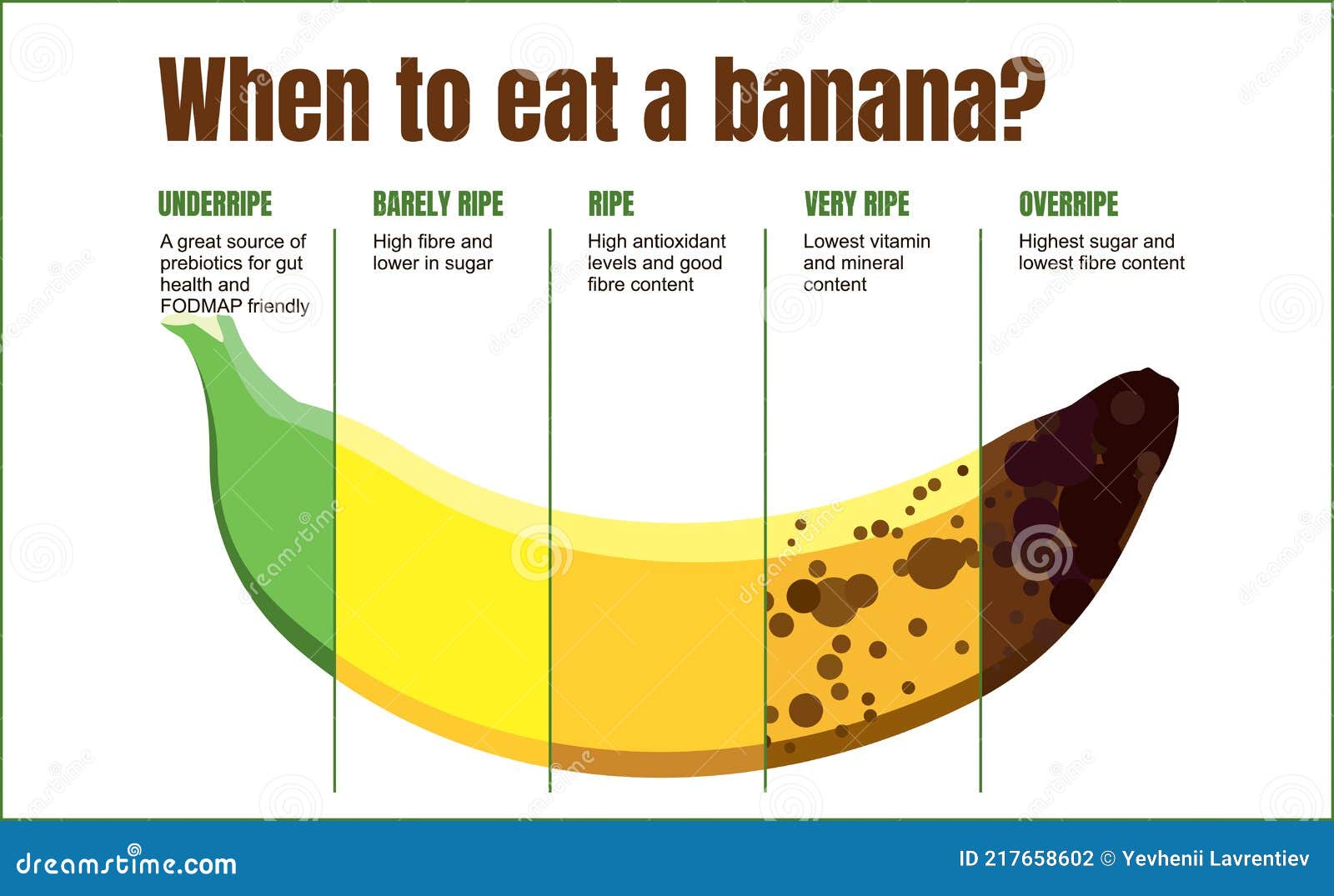
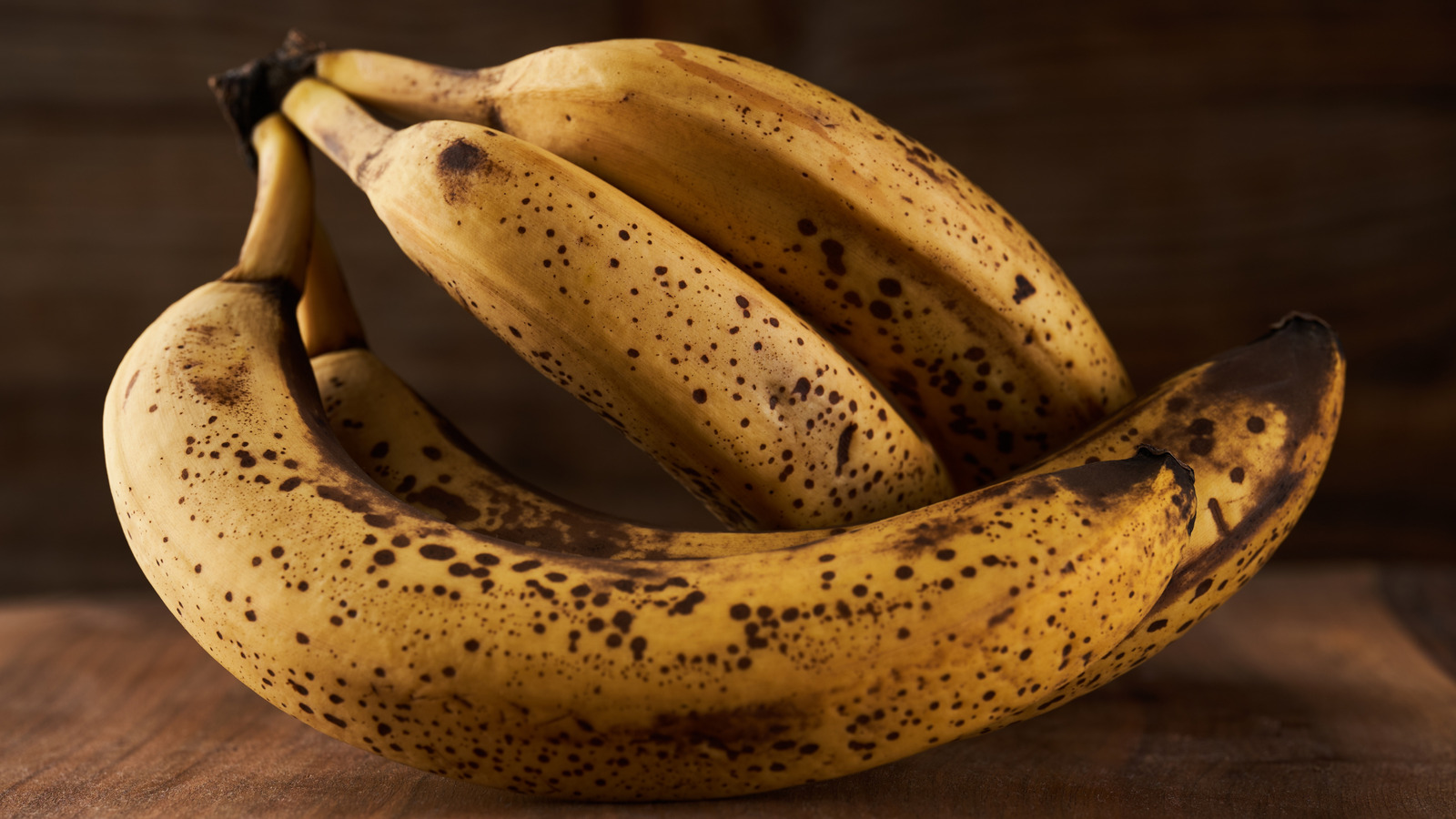
Overripe bananas—those characterized by soft, darkened, or entirely brown peels—are generally safe and often highly desirable for consumption. While the texture and flavor profile change significantly as the starch converts to sugar, these fruits remain nutritionally dense and are perfectly suitable for raw consumption or incorporation into various culinary recipes.
The Science of Ripening: What Happens to Your Fruit
To understand why bananas change over time, it is necessary to examine the biological process of ripening. Bananas are a climacteric fruit, meaning they continue to ripen even after they have been harvested. The process is governed by the release of ethylene gas, a natural plant hormone that triggers physiological changes within the fruit.
During the initial stages of development, a banana contains high levels of resistant starch. As the fruit matures, enzymes such as amylase begin to break down these complex carbohydrates into simpler sugars, specifically glucose, fructose, and sucrose. This is the primary reason why a green banana is firm and starchy, while an overripe banana is soft and notably sweet.
Simultaneously, the cell walls of the banana begin to degrade. This structural softening is part of the natural decay process. The dark spots, or "sugar spots," that appear on the peel are an indication that the internal conversion of starch to sugar is near completion. While the peel may look unappealing, the fruit inside is undergoing a concentrated change in flavor profile that makes it ideal for specific applications like baking.
Distinguishing Between "Overripe" and "Spoiled"
A critical distinction must be made between an overripe banana and one that is genuinely spoiled or unsafe to eat. Safety concerns arise not from the natural aging process, but from external contamination or the presence of pathogenic microorganisms.
An overripe banana is characterized by:
- Soft, brown, or black skin: This is the most common visual indicator.
- Increased sweetness: A higher concentration of natural sugars.
- Intense aroma: A stronger, sweeter scent compared to a yellow banana.
- Uniform texture: The fruit is soft throughout but lacks signs of rot.
Conversely, a spoiled banana that should be discarded will exhibit:
- Visible mold: Any fuzzy, white, green, or blue growth on the peel or the fruit flesh is a sign of fungal contamination.
- Foul or putrid odor: A fermented or acidic smell that deviates from the characteristic sweet aroma of a banana.
- Insects or larvae: If the fruit has been left exposed, the presence of fruit flies or other pests indicates that the integrity of the peel has been breached.
- Excessive liquid leakage: If the fruit is weeping an unusual amount of fluid that has a sour smell, the internal structure has broken down to the point of bacterial rot.
If you observe any of the signs of spoilage, the safest course of action is to discard the fruit entirely. Do not attempt to "cut around" moldy sections, as mold filaments can extend deep into the soft flesh of the fruit, making the entire piece unsuitable for consumption.
Nutritional Considerations
The nutritional profile of a banana shifts as it ripens. While the caloric content remains relatively stable, the distribution of macronutrients changes.
- Sugar Content: Because starch is converted into simple sugars, overripe bananas provide a faster source of energy compared to their greener counterparts. This makes them an excellent ingredient for pre-workout snacks or quick energy boosts.
- Antioxidant Levels: Research indicates that as a banana ripens and develops black spots, the level of antioxidants, particularly those related to the immune system, can increase. These antioxidants help combat oxidative stress in the body.
- Glycemic Index: Green bananas have a lower glycemic index because they contain more resistant starch, which digests more slowly. As the banana ripens, the glycemic index increases. Individuals monitoring their blood sugar levels may prefer less ripe bananas for this reason.
Despite these changes, the fundamental micronutrient content—including potassium, vitamin B6, and vitamin C—remains largely preserved throughout the ripening process.
Culinary Applications for Overripe Bananas
The intense sweetness and soft texture of overripe bananas make them a prized ingredient in professional and home kitchens. When a banana has passed the point of pleasant raw consumption for most people, it enters its "prime" stage for cooking.
Baking and Desserts
The most common use for overripe bananas is in banana bread or muffins. The high sugar content acts as a natural sweetener, often allowing bakers to reduce the amount of added refined sugar in their recipes. The soft, near-liquid consistency of the fruit also provides essential moisture to baked goods, resulting in a tender crumb.
Smoothies and Shakes
Frozen overripe bananas are a staple for many households. By peeling the bananas and storing them in the freezer before they reach the point of spoiling, you lock in the sweetness. Once frozen, these bananas act as a thickening agent in smoothies, providing a creamy, milkshake-like texture without the need for additional ice or dairy.
Natural Sweeteners
In some culinary traditions, mashed overripe bananas are used as a base for puddings, overnight oats, or even as a binder in vegan baking, replacing eggs in certain recipes.
Comparative Ripeness Table
The following table outlines the stages of ripeness and the ideal use cases for each.
| Ripeness Stage | Characteristics | Primary Use Case |
|---|---|---|
| Green | Starchy, firm, hard to peel | Cooking (e.g., tostones, curries) |
| Yellow | Firm, slightly sweet | Raw snacking, on-the-go |
| Spotted | Sweet, soft, fragrant | Raw snacks, light baking |
| Brown/Black | Very sweet, mushy | Smoothies, banana bread, muffins |
Storage and Preservation
To extend the utility of your bananas, proper storage techniques are essential. If you have purchased a bunch of bananas and they are ripening faster than you can consume them, you have several options:
- Refrigeration: Once a banana has reached your desired level of ripeness, you can place it in the refrigerator. The cold temperature will slow down the activity of the ethylene gas and the enzymatic conversion of starch to sugar. While the peel will turn black due to cold damage, the fruit inside will remain firm and at the same stage of ripeness for several more days.
- Freezing: Peel the bananas and place them in an airtight container or freezer bag. They can be kept in the freezer for several months. They will turn dark and soft upon thawing, making them perfect for purees, smoothies, or recipes where the banana will be fully incorporated into a batter.
- Countertop Separation: Ethylene is a gas that accumulates. If you store your bananas in a bunch, they will ripen faster because they are exposed to the gas released by their neighbors. Separating the bananas can slightly slow the ripening process.
Addressing Common Safety Myths
A frequent concern regarding overripe bananas is the fear that they contain alcohol or dangerous levels of toxicity. While it is true that extreme over-ripening can eventually lead to natural fermentation (the conversion of sugars into ethanol), the amount produced by a single, slightly overripe or bruised banana is biologically negligible. It is essentially impossible to reach a level of alcohol consumption from eating an overripe banana that would cause intoxication.
Similarly, there is no medical evidence to support the claim that the brown spots indicate "decay" that is harmful to the gut. As long as the peel has not been broken, punctured, or subject to external contaminants, the internal fruit is sterile and safe for most healthy individuals.
FAQ: Frequently Asked Questions
Are black-spotted bananas safe for children and the elderly? Yes, they are generally safe. In fact, the softer texture can make them easier to digest for toddlers or individuals with chewing difficulties. As long as there is no mold and the smell is sweet and pleasant, they are perfectly nutritious.
Can I eat a banana that has a small cut or bruise? If the damage is recent and the fruit is otherwise firm and clean, it is likely safe. However, if the cut has been exposed to the air for a significant period, it may have become a entry point for bacteria or mold. When in doubt, cut away the damaged area and consume the remainder immediately, or discard if you are uncertain about the duration of exposure.
Why do my bananas turn black so quickly in the fridge? The blackening of the peel is a physiological reaction to cold temperatures known as chilling injury. While the peel changes color, it does not mean the fruit is spoiled. The cold inhibits the enzymes that cause the peel to turn yellow, and instead triggers the oxidation of phenolic compounds in the peel.
Are there any medical conditions that preclude eating overripe bananas? Individuals with specific dietary requirements, such as those with chronic kidney disease who need to limit potassium intake, or those with diabetes who must carefully monitor their glycemic load, should consult with their healthcare provider regarding the consumption of very ripe fruit. Because ripe bananas are higher in simple sugars, they can cause a sharper rise in blood sugar than less ripe ones.
Can I use overripe bananas in recipes that call for yellow ones? You can, but be aware that the final result will be sweeter and have a stronger banana flavor. You may need to slightly decrease the amount of added sugar in your recipe to maintain the intended balance.
Conclusion and Next Actions
Overripe bananas are a versatile, nutrient-dense, and safe food source that should be embraced rather than feared. When you find yourself with bananas that have turned brown or developed spots, do not view them as food waste. Instead, store them in the freezer for future use in smoothies, or use them as a natural sweetener in your favorite baking recipes. By understanding the biological process of ripening, you can better manage your fruit supply, reduce waste, and maximize the culinary potential of your produce.
If you are currently holding a bunch of overripe bananas, your immediate next action should be to decide on their use within 24 hours. If you cannot consume them immediately, peel them, bag them, and move them to the freezer to halt the ripening process and preserve their quality for your next baking project.