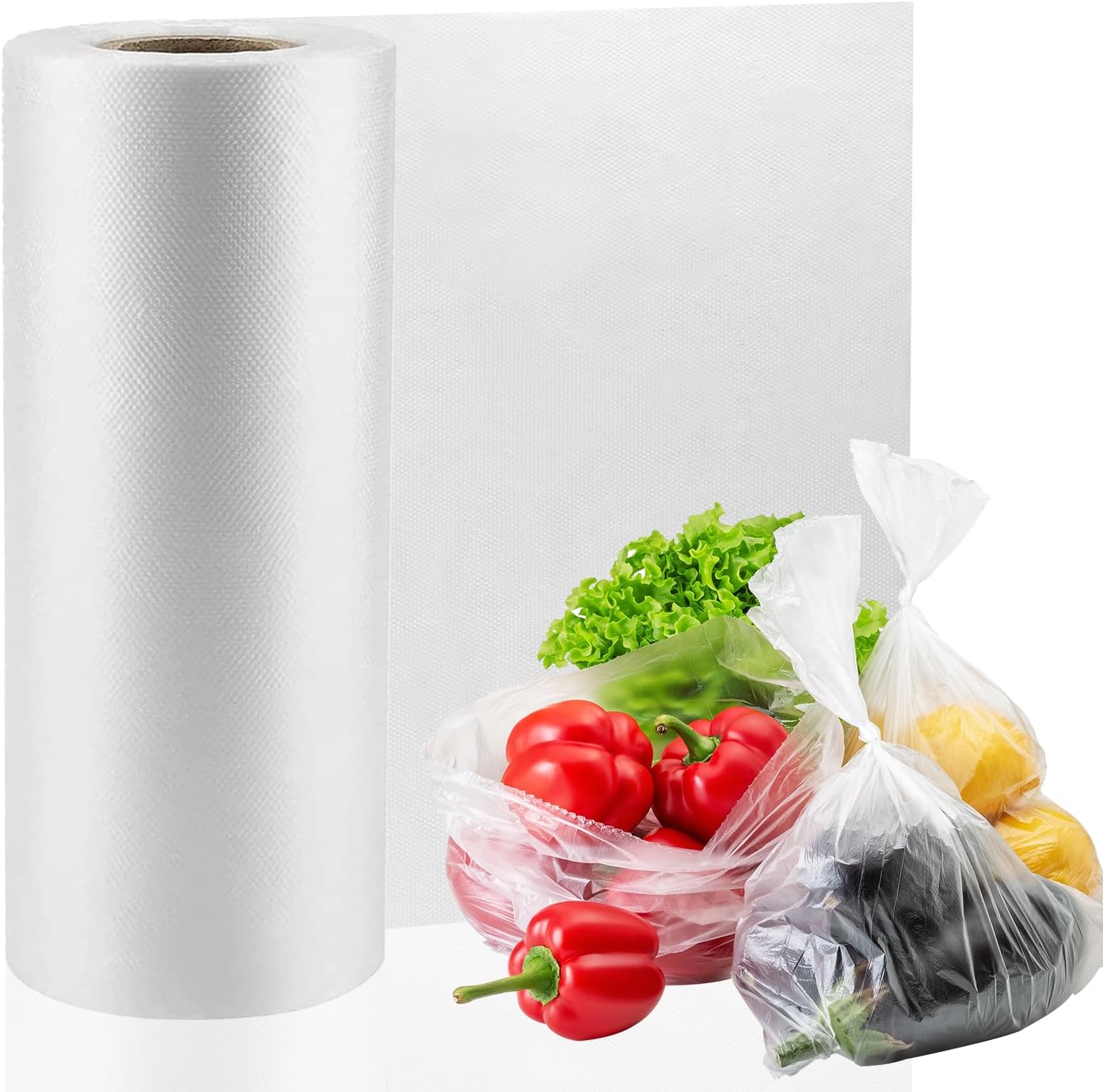
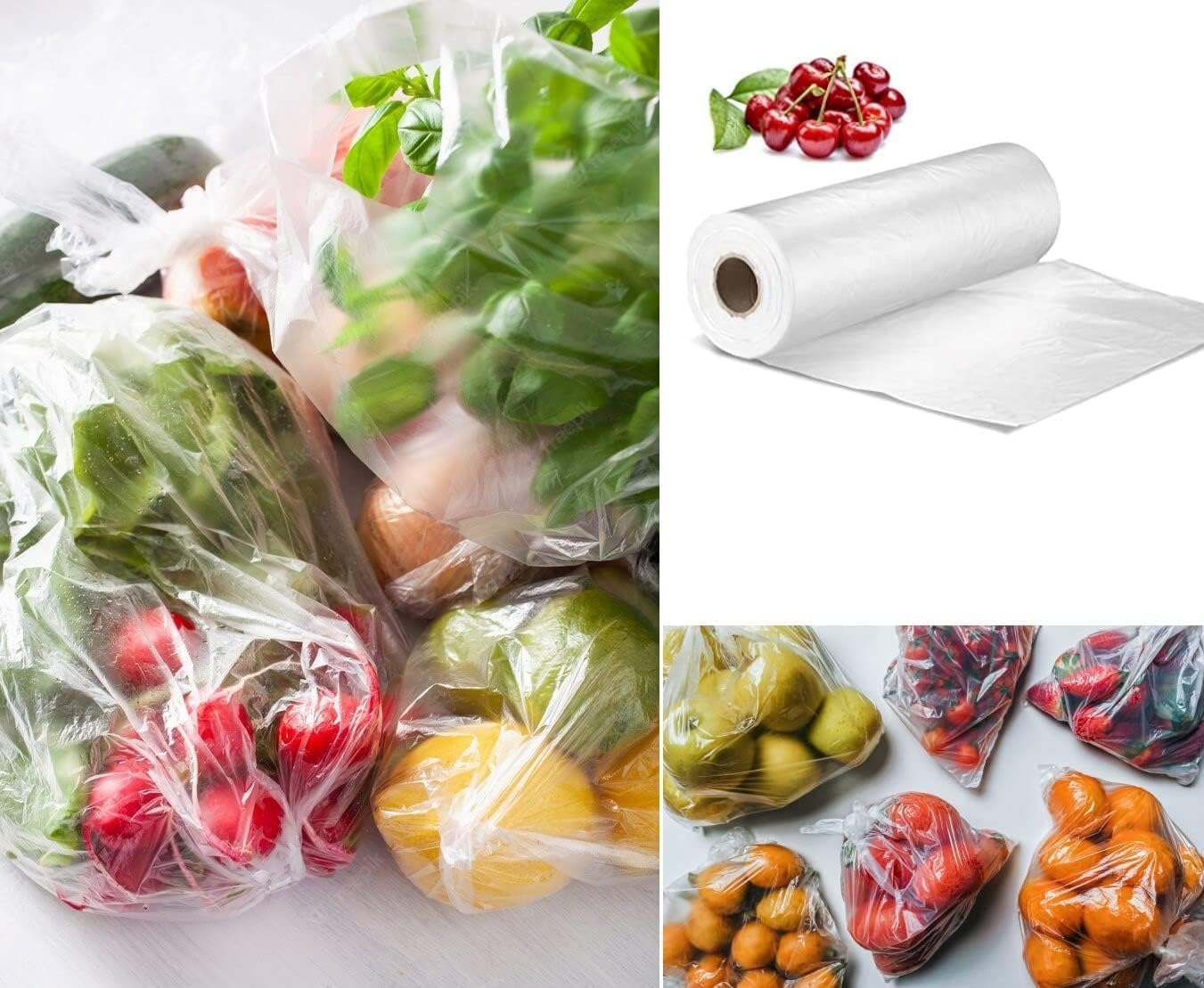
Plastic bags, ranging from thin produce liners to heavy-duty resealable storage pouches, are generally safe for food storage in the kitchen provided they are used according to their specific design, intended temperature range, and material composition. While the chemical safety of plastics is highly regulated, consumer habits—such as improper heating or reusing bags meant for single use—often dictate the actual safety profile of these products in a domestic setting.
The Science of Plastic Safety in Food Applications
To understand whether plastic bags are safe for your kitchen, it is essential to distinguish between the types of plastics used in food packaging. Most common household storage bags, such as Ziploc or generic resealable bags, are manufactured from Polyethylene (PE). There are two main variations: Low-Density Polyethylene (LDPE) and High-Density Polyethylene (HDPE).
These polymers are considered chemically inert at room temperature, meaning they are unlikely to leach harmful substances into food. Unlike older plastics that utilized Bisphenol A (BPA) to harden polycarbonate, standard food-grade polyethylene bags are typically BPA-free. Regulatory bodies such as the U.S. Food and Drug Administration (FDA) classify substances that come into contact with food as "food-contact substances." Manufacturers must ensure that their products comply with the Federal Food, Drug, and Cosmetic Act, which mandates that materials do not migrate into food in quantities that pose a health risk.
However, the safety of these bags is not absolute; it is contingent upon physical integrity and chemical stability. When a bag is subjected to extreme temperatures, acidity, or physical degradation, the migration of polymer additives can occur.
Identifying Food-Grade Plastics
Not all plastic bags found in a kitchen are designed for food contact. It is a common mistake to use bags designed for waste management or non-food storage for perishable goods. Food-grade plastics are strictly tested for the migration of components into the food supply.
When selecting bags for the kitchen, look for labeling that confirms they are "food-grade" or "FDA-approved." Most reputable commercial brands carry these certifications. Conversely, avoid using "utility" bags, dry-cleaning bags, or trash liners for food. These items may contain chemical stabilizers, colorants, or recycled plastic materials that are not suitable for direct contact with human consumption items. Using non-food-grade plastic for storage can lead to the transfer of unwanted chemicals, and these bags are often more permeable to oxygen and moisture, which can accelerate food spoilage.
Temperature Sensitivity and Microwave Use
One of the most frequent sources of misinformation regarding plastic bag safety is the confusion between "microwave-safe" and "microwave-tolerant." While many resealable storage bags are made of materials that will not melt at the temperature of boiling water, they are not necessarily designed to be heated while in direct contact with food, particularly foods high in fat or sugar.
Fats and sugars heat up much faster than water. If you place a plastic bag filled with fatty contents (like bacon or cheese) in the microwave, the internal temperature of the food can easily exceed the melting point of the plastic. When plastic reaches its melting or softening point, the risk of chemical migration—the movement of plastic additives into the food—increases significantly.
If you must heat food, follow these professional guidelines:
- Remove the food: Always transfer food to a glass or ceramic container that is clearly marked as microwave-safe.
- Check the label: Only use bags explicitly labeled as "microwave-safe" for defrosting or reheating, and follow the manufacturer's duration and power setting recommendations.
- Avoid high-heat applications: Never use standard plastic bags for boiling, sous-vide cooking (unless the specific bag is rated for high-heat immersion), or in conventional ovens.
The Risks of Reusing Plastic Bags
In an era of increased waste awareness, many households opt to wash and reuse plastic bags. While this is an environmentally conscious practice, it introduces mechanical and microbiological risks that must be managed.
Mechanical Wear: Each time a plastic bag is washed, the internal surface is subject to micro-abrasions. Over time, these small scratches become breeding grounds for bacteria. Even with thorough cleaning, it is often difficult to remove food particles from the corners of a zip-seal track.
Microbiological Contamination: If a bag was used to store raw meat, poultry, or fish, the risks of bacterial cross-contamination are severe. Even after washing with soap and water, porous plastic surfaces can harbor pathogens such as Salmonella or E. coli. For these items, single-use is the only recommended practice. If you choose to reuse bags, reserve them only for dry, shelf-stable items like bread, cookies, or produce, and discard them at the first sign of discoloration, odor, or structural fatigue.
Comparison of Storage Materials
When evaluating whether plastic bags are the best choice, it is helpful to compare them against alternative food storage media.
| Material Type | Pros | Cons | Best Use |
|---|---|---|---|
| LDPE Plastic Bags | Lightweight, cheap, space-saving | Single-use, non-biodegradable | Short-term freezer/fridge storage |
| Glass Containers | Non-porous, inert, reusable | Heavy, fragile, bulky | Long-term leftovers, acidic foods |
| Silicone Bags | Durable, heat-resistant | Higher cost, can retain odors | Sous-vide, pantry staples |
| Stainless Steel | Highly durable, inert | Opaque, not airtight | Dry goods, solid produce |
Addressing Chemical Leaching and Estrogenicity
A common concern involves the potential for plastic to act as an endocrine disruptor. While many modern storage bags are marketed as "BPA-free," some consumers express concern about the presence of other plasticizers, such as phthalates.
Current research indicates that while some plastics can leach chemicals when exposed to heat or UV light, the amount of migration from high-quality, food-grade polyethylene is generally considered negligible by most global food safety authorities. However, if you are concerned about chemical sensitivity, the most effective solution is to limit plastic contact with high-temperature or highly acidic foods. Acids, in particular, can break down the surface of lower-quality plastics, increasing the likelihood of leaching.
Common Mistakes in Kitchen Plastic Use
Even when using quality products, improper technique can undermine food safety.
- Overstuffing: Forcing items into a bag puts stress on the seams. A compromised seal is no longer airtight, which leads to freezer burn—the dehydration of food caused by air contact.
- Ignoring Expiration: Plastic bags do not last forever. Even if unused, the polymer chains in the plastic can break down over several years, especially if stored in a hot garage or attic. Always buy bags with a reasonable turnover rate.
- Improper Sealing: Many users fail to properly evacuate air from the bag before sealing. Air contains moisture and bacteria; removing as much air as possible (or using a vacuum-sealing system) is vital for maintaining food quality and safety.
Frequently Asked Questions
Are Ziploc bags safe for boiling water? No. While some bags can handle the temperature of boiling water for very short intervals, they are not designed for boiling or long-term high-heat immersion. Use bags specifically labeled for sous-vide cooking if you intend to submerge them in hot water.
Can I freeze food directly in plastic bags? Yes. Freezing is generally the safest way to use plastic storage bags. Cold temperatures stabilize the polymer, preventing chemical migration. Ensure you use "freezer-grade" bags, which are thicker than standard "storage-grade" bags to prevent puncture and freezer burn.
Do plastic bags cause cancer? There is no clinical evidence suggesting that the proper use of food-grade plastic bags, as intended by the manufacturer, is a primary cause of cancer in humans. Risks are associated with misuse, such as heating plastics beyond their recommended limits or using non-food-grade materials.
How do I know if my plastic bag is BPA-free? Most major commercial brands now produce BPA-free bags. Check the packaging for the "BPA-Free" label. If it is not explicitly stated on the box, check the manufacturer’s website. If the product is unlabeled or from an unknown source, avoid using it for food storage.
What is the best way to clean a reusable plastic bag? Use warm water and mild dish soap. Avoid harsh chemicals or scouring pads, which can scratch the surface. Ensure the bag is dried completely before storage to prevent mold growth. If the bag held raw meat or dairy, it should be discarded rather than reused.
Recommendations for the Modern Kitchen
To maintain high safety standards in your kitchen, prioritize the following practices:
- Audit your stock: Ensure all your plastic bags are specifically labeled for food use and are from reputable manufacturers.
- Segment your storage: Use high-quality freezer bags for long-term storage and thinner bags only for immediate, short-term needs.
- Emphasize glass for heating: If you frequently reheat food, shift your storage strategy toward glass containers. Glass remains inert regardless of temperature, ensuring no chemical migration occurs during the heating process.
- Minimize reuse for perishables: Never reuse bags that contained raw proteins. The risk of foodborne illness far outweighs the benefit of saving a single bag.
By adhering to these guidelines, you can safely utilize the convenience of plastic bags while minimizing potential health risks. Proper selection, temperature management, and hygiene are the pillars of safe kitchen food storage in 2026 and beyond.