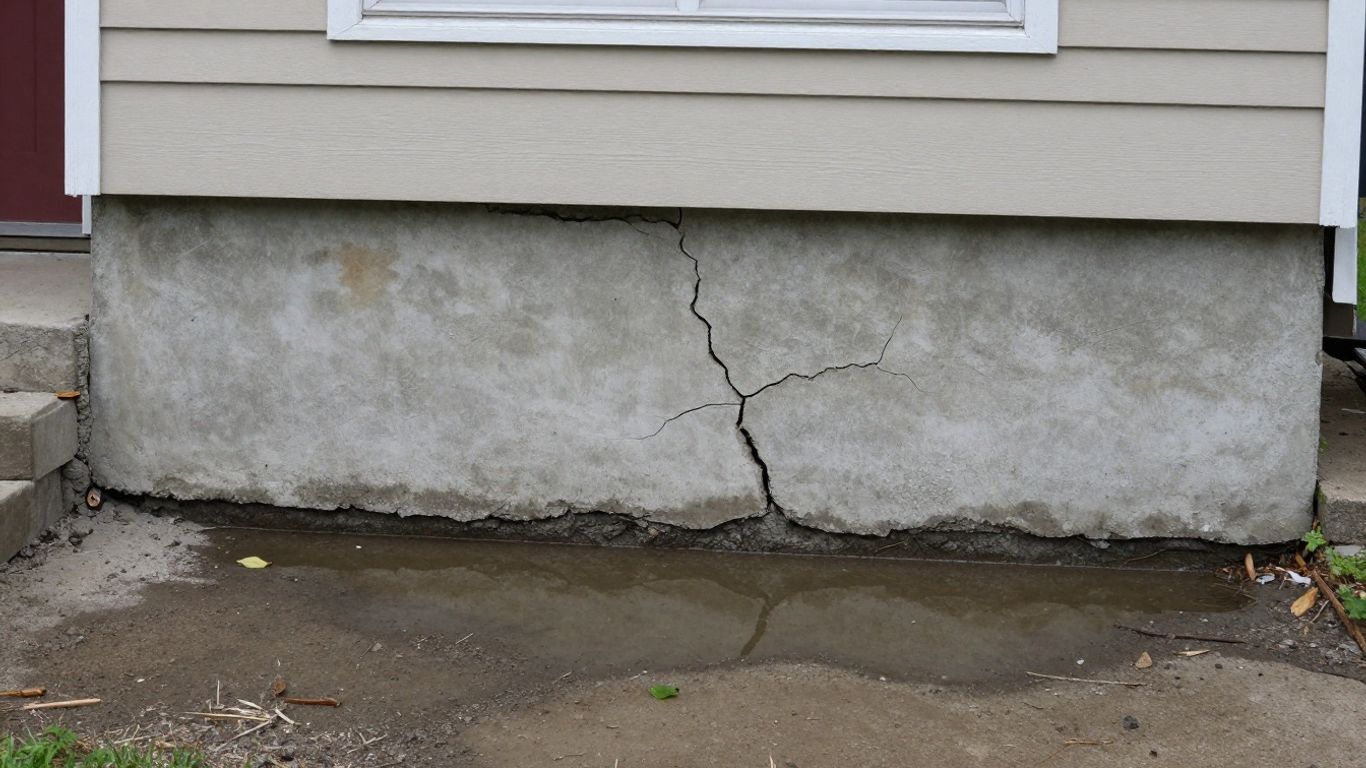
Previous foundation repairs are not inherently a "bad thing"; in many cases, they signify that a property owner proactively addressed structural movement rather than ignoring it. However, the impact on a home's value and future risk depends entirely on the quality of the work, the documentation provided, and whether the underlying cause of the initial settlement was successfully mitigated.
Understanding the Nature of Foundation Repairs
When a home’s foundation shifts, cracks, or settles, it is rarely a static event. Soil conditions, moisture fluctuations, and initial construction errors are dynamic forces that impact the integrity of a structure over decades. When a homeowner identifies these issues and hires a professional, the resulting repair usually involves mechanical stabilization—such as the installation of steel piers, helical anchors, or mudjacking (slab jacking).
The stigma surrounding "repaired foundations" often stems from the fear that the house is "broken." In reality, a property that has undergone high-quality stabilization is often structurally sounder than a similar home that has never been treated but is currently suffering from unaddressed settlement. The key distinction is between a repair that solved a problem and a repair that merely masked the symptoms.
Why Documentation and Transparency Matter
If you are considering purchasing a home with a history of foundation work, the most critical element is the transfer of records. A professional repair is almost always backed by an engineering report and a warranty.
- The Structural Engineer’s Report: This is the gold standard. A licensed engineer evaluates the soil and the foundation, determines the exact cause of failure, and prescribes a specific repair plan. If this document exists, it serves as proof that the work was not an arbitrary "quick fix."
- Permits and Inspections: Local municipalities often require building permits for foundation work. If a repair was permitted, it means a city inspector verified that the work met local building codes. Unpermitted work is a red flag because it suggests that the repairs may not have been vetted by a third party.
- Transferable Warranties: Many reputable foundation companies offer lifetime warranties on their work. Crucially, these warranties are often transferable to new owners for a nominal fee. Verify whether the warranty is tied to the structure or the previous owner, and ensure you have the necessary documentation to claim it should the need arise.
Risks Associated with Previous Repairs
While previous repairs can be a net positive, there are scenarios where they indicate a high-risk investment. You must differentiate between a localized fix and a systemic failure.
- Failure to Address the Root Cause: If a home was stabilized using piers but the drainage issues (such as negative grading or failed gutters) that caused the soil to erode were not resolved, the foundation will likely move again.
- Improper Installation: Foundation repair is a complex engineering task. If the piers were not driven to load-bearing strata, or if the slab was lifted too quickly, it can cause "heaving" or new cracks in the drywall, windows, and doors.
- "Cosmetic" Repairs: Beware of homes where the seller has simply filled cracks with epoxy or patched bricks without addressing the structural stability. These are cosmetic Band-Aids that can hide significant, ongoing movement.
Comparative Analysis of Foundation Conditions
| Condition | Risk Level | Market Impact | Action Required |
|---|---|---|---|
| No Reported History | Variable | Baseline Value | Standard home inspection |
| Permitted/Engineered Repair | Low | Neutral to Positive | Confirm warranty transfer |
| DIY or Unpermitted Work | High | Negative | Independent structural audit |
| Ongoing Settlement | Very High | Significant Devaluation | Consult geotechnical engineer |
How to Evaluate a Repaired Foundation
If you find yourself looking at a property with a history of structural work, do not rely solely on the seller’s disclosures. Follow these steps to perform your own due diligence.
1. Analyze the Interior and Exterior
Walk through the home with a discerning eye. Look for signs of "post-repair" movement. Are there new cracks in the drywall that have been recently painted over? Do the doors and windows still operate smoothly? If a house was repaired five years ago and shows no new cracks or sticking doors, the repair was likely successful.
2. Request the "Repair Package"
Ask the seller for the original engineering plan, the final inspection sign-off, and the warranty documentation. If they cannot produce these, assume the repair was undocumented or potentially substandard.
3. Hire an Independent Structural Engineer
While a standard home inspector is trained to spot potential issues, they are not structural engineers. Hiring a licensed structural engineer—one who has no financial stake in any repair company—to conduct a secondary evaluation is the single best way to protect your investment. They can tell you if the current condition is stable and if the previous repairs were performed correctly.
The Impact on Financing and Insurance
When it comes to securing a mortgage, a history of foundation repair can sometimes complicate the process. Underwriters may require a structural engineer's certification letter stating that the property is safe and stable. Without this letter, some lenders may view the property as a higher risk, potentially leading to additional documentation requirements.
From an insurance perspective, most carriers are concerned with the current stability of the home. If you can provide documentation that the foundation was professionally repaired and is currently stable, it is usually not a barrier to obtaining coverage. However, if the home shows signs of active damage, you may find it difficult to secure standard homeowners' insurance.
Common Misconceptions Regarding Foundation Repairs
A common myth is that a home with foundation repairs is "tainted" forever. This is simply not supported by the data in 2026. In regions with expansive clay soils, such as parts of Texas or the Southeast, it is common for a significant percentage of homes to require some form of foundation adjustment over their lifespan. Buyers in these areas are accustomed to seeing reports of foundation work, and as long as the work is properly documented and verified, it often has little to no impact on the final sale price.
Another misconception is that the house will "never be the same." While a home that has been leveled may experience minor cosmetic adjustments (like a hairline crack reopening), the structural integrity of the home—once properly anchored—is often superior to its original state.
FAQ: Addressing Common Concerns
Does a repaired foundation require ongoing maintenance? Yes, but the maintenance is generally related to moisture control. You must ensure that water is directed away from the foundation, that gutters are clean, and that the soil around the house is properly graded. These are standard home maintenance tasks that apply to every home, regardless of repair history.
Will I have trouble selling the house in the future? Not if you maintain your documentation. When you eventually sell, provide the same repair records, engineering reports, and warranties to the new buyer. Transparency removes the fear factor and helps keep the transaction moving forward.
How do I know if the repairs were done by a reputable company? Check if the company has been in business for a long time and if they are a member of professional organizations like the National Foundation Repair Association. Read reviews specifically related to their engineering oversight and warranty fulfillment.
Can foundation repairs cause damage to the plumbing? The process of lifting a foundation can sometimes stress existing plumbing lines, especially if they are aged cast iron. It is common practice for homeowners to perform a hydrostatic pressure test on the plumbing system after a foundation lift to ensure no pipes were damaged during the process.
What is the "rebound" effect? Rebound is the tendency of a structure to move slightly as it settles onto new piers. It is a normal part of the adjustment period following a significant structural intervention. A quality repair company will typically offer a post-repair adjustment period to ensure the home settles into a level position.
Moving Forward
If you are currently evaluating a property with previous foundation repairs, your next action should be to demand the full documentation package. If the seller is unable to provide the engineer’s report or the repair permit, you should treat the foundation as "unknown" and budget for your own structural evaluation.
A home with a documented, professional repair is an investment in a known quantity. By confirming the legitimacy of the work and ensuring that the drainage issues that caused the initial movement are resolved, you can confidently purchase a structurally sound property. If the documentation is missing or the engineer’s report suggests ongoing issues, it is often wise to negotiate a credit for further repairs or move on to a different property that does not carry that level of structural uncertainty.