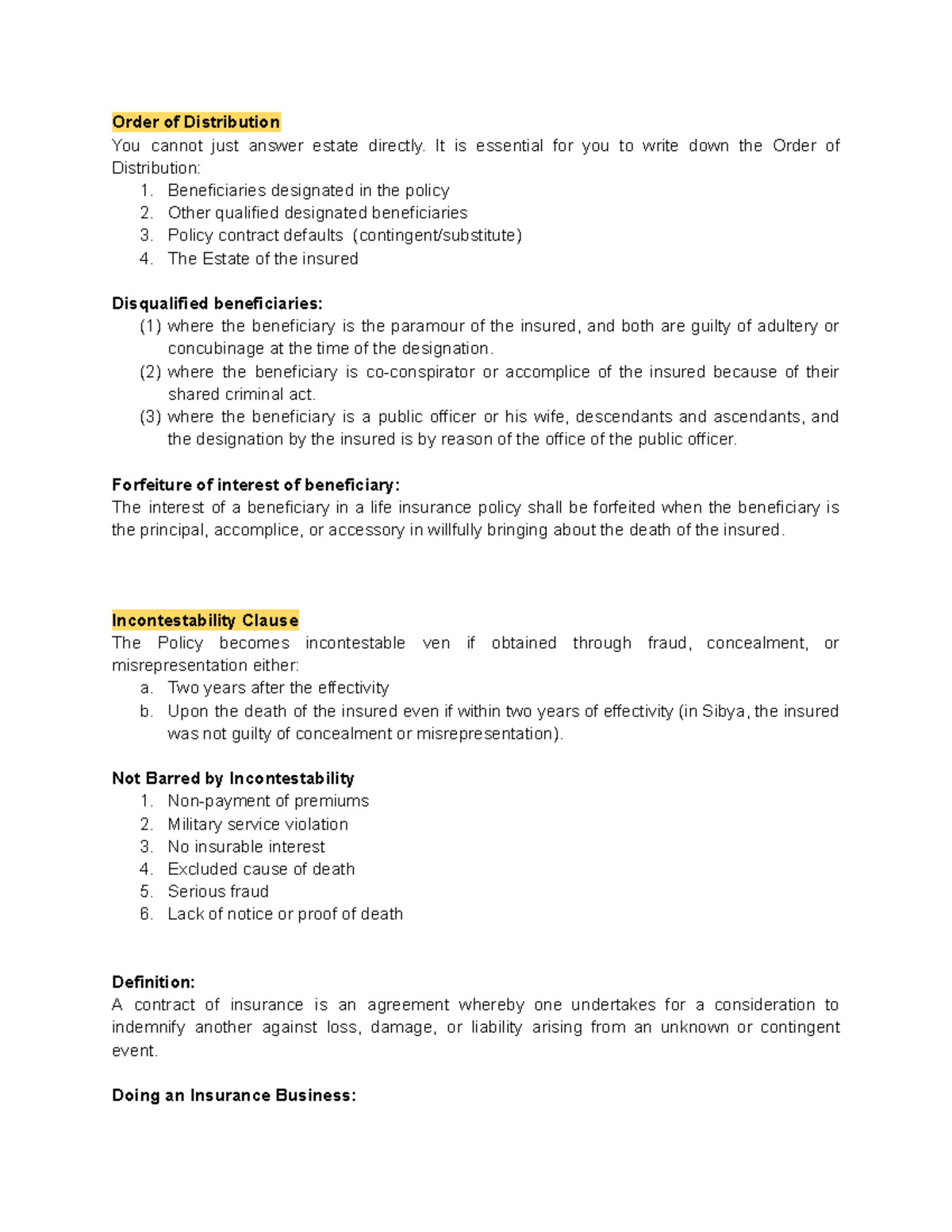
Life insurance policies are generally subject to trust distribution instructions only if the trust itself is named as the designated beneficiary of the policy. If an individual, charity, or other entity is named as the beneficiary, the life insurance proceeds bypass the trust entirely, meaning the trust’s distribution instructions do not apply to those funds.
Understanding the Relationship Between Life Insurance and Trusts
Life insurance is a "non-probate" asset, which means it transfers directly to the designated beneficiary upon the death of the insured, bypassing the court-supervised probate process. Because of this, the distribution of life insurance proceeds is governed primarily by the beneficiary designation form filed with the insurance company, not by a Will or a general Trust document.
When you create a trust—such as a Revocable Living Trust—it serves as a vehicle for managing and distributing assets placed within it. However, a trust cannot exert control over an asset unless that asset is properly titled in the name of the trust or the trust is formally named as the beneficiary. For a trust's distribution instructions to govern your life insurance, you must take the intentional step of designating your trust as the primary or contingent beneficiary.
Why Designate a Trust as a Beneficiary?
Many individuals choose to link their life insurance to a trust for several strategic reasons. Without this link, insurance proceeds are typically paid out in a lump sum to the named individual. While a lump sum is convenient, it may not align with your broader estate planning goals.
Control and Timing
By naming a trust as the beneficiary, you ensure that the insurance proceeds are distributed according to the specific terms written into the trust document. For instance, if you are concerned that a beneficiary is not financially mature enough to manage a large inheritance, the trust can dictate that funds be distributed in installments at specific ages or upon the achievement of certain milestones, rather than as a single lump-sum payment.
Protection from Creditors and Divorce
Trusts can provide a layer of asset protection. If insurance proceeds are paid directly to an individual, those funds may be subject to the claims of that individual’s creditors or divided in a divorce proceeding. A well-structured "spendthrift trust" can shield these assets, ensuring they are used for the intended purpose—typically the health, education, maintenance, and support of the beneficiaries.
Coordinated Estate Planning
If you have multiple assets and multiple beneficiaries, naming the trust as the beneficiary allows you to consolidate your estate. The trustee can then manage the insurance proceeds alongside other assets, such as real estate or investment accounts, ensuring a unified approach to wealth distribution and tax planning.
The Process: How to Bind Insurance to Trust Instructions
The process of subjecting your life insurance policy to trust distribution instructions is primarily an administrative one. It does not require changing the insurance company’s policy language, but rather updating the legal instructions for the payout.
- Review Your Trust Agreement: Confirm that your trust is currently in effect and clearly outlines the distribution instructions you wish to apply to the insurance proceeds.
- Request a Beneficiary Change Form: Contact your life insurance carrier and request a "Change of Beneficiary" form. Most major carriers now provide these via secure online portals.
- Complete the Designation: Instead of naming a person, enter the exact legal name of your trust, the date of the trust agreement, and the name of the current Trustee.
- Submit and Confirm: File the form with the insurance company. It is critical to obtain written confirmation from the insurance provider that they have processed the change and have the trust on file as the official beneficiary.
Potential Pitfalls and Considerations
While linking life insurance to a trust offers significant benefits, it is not without potential drawbacks. Understanding these is essential for a balanced estate plan.
Tax Implications
Life insurance proceeds are generally income-tax-free, but they are still part of your "gross estate" for federal estate tax purposes if you own the policy. If your estate exceeds the federal exemption limits in 2026, the inclusion of life insurance proceeds could trigger estate taxes. In such cases, high-net-worth individuals often utilize an Irrevocable Life Insurance Trust (ILIT) to remove the policy from their taxable estate entirely.
Administrative Costs and Complexity
Trusts require ongoing administration. If you name a trust as a beneficiary, the trustee will be responsible for receiving the insurance check, depositing it into a trust account, and overseeing the subsequent distributions according to the trust instructions. This creates a administrative burden that does not exist with direct beneficiary designations.
The "Too Much Control" Problem
If the trust language is too restrictive, the trustee may be unable to provide the beneficiaries with funds during an emergency. It is vital to draft trust instructions that allow for flexibility, perhaps granting the trustee discretionary powers to handle unforeseen financial needs.
Comparative Overview: Direct Designation vs. Trust Designation
To determine which path is right for your specific situation, it helps to weigh the common characteristics of both methods.
| Feature | Direct Beneficiary Designation | Trust as Beneficiary |
|---|---|---|
| Distribution Speed | Very fast (usually weeks) | Slightly slower (requires trust interaction) |
| Control | None (lump sum payout) | High (managed by trustee instructions) |
| Complexity | Low (simple form) | Higher (legal drafting required) |
| Privacy | High | High (trusts are private documents) |
| Asset Protection | Minimal | High (if structured correctly) |
Frequently Asked Questions
Do I need to update my life insurance policy if I change my trust?
Not necessarily. Most beneficiary forms simply name the "Trustee of the [Trust Name] dated [Date]." If you amend the internal provisions of the trust, you usually do not need to notify the insurance company unless the name of the trust itself changes.
Can I name both a person and a trust as beneficiaries?
Yes. Most insurance companies allow you to split the proceeds by percentage. You might designate 50% to a spouse for immediate needs and 50% to a trust for the long-term benefit of children or grandchildren.
What happens if I forget to name the trust as the beneficiary?
If you die without updating the beneficiary form, the life insurance company will pay the proceeds to whoever is currently listed on their file. If no one is listed, the proceeds may be paid into your estate, which forces them into the probate process—the very outcome you were likely trying to avoid.
Will naming a trust affect the speed of the insurance payout?
It can cause a slight delay. When a person is named, they simply provide a death certificate and claim the funds. When a trust is named, the insurance company will typically require a copy of the trust agreement (or a Certification of Trust) to verify the trustee’s authority, which adds a layer of review.
Are there specific types of life insurance that shouldn't go into a trust?
Generally, no, but if you have a policy that is already nearing its maturity date or one that is specifically intended for immediate liquidity to pay for funeral expenses, you might prefer a direct beneficiary to ensure they have cash on hand immediately without waiting for the trustee to act.
Next Steps for Your Estate Plan
To ensure your life insurance aligns with your goals, start by reviewing your current beneficiary designations for every policy you own. If you determine that your current designations do not provide the level of control or protection you desire, contact the insurance companies to request a beneficiary update form.
If you are unsure whether your trust is structured to handle insurance proceeds effectively, consult with a qualified estate planning attorney. They can review your existing trust language to ensure it contains the necessary "trustee powers" to accept insurance proceeds and handle the specific distribution schedule you envision for your beneficiaries. Maintaining an updated, cohesive plan is the most effective way to ensure your life insurance serves as a tool for your family's future stability rather than a source of administrative confusion.