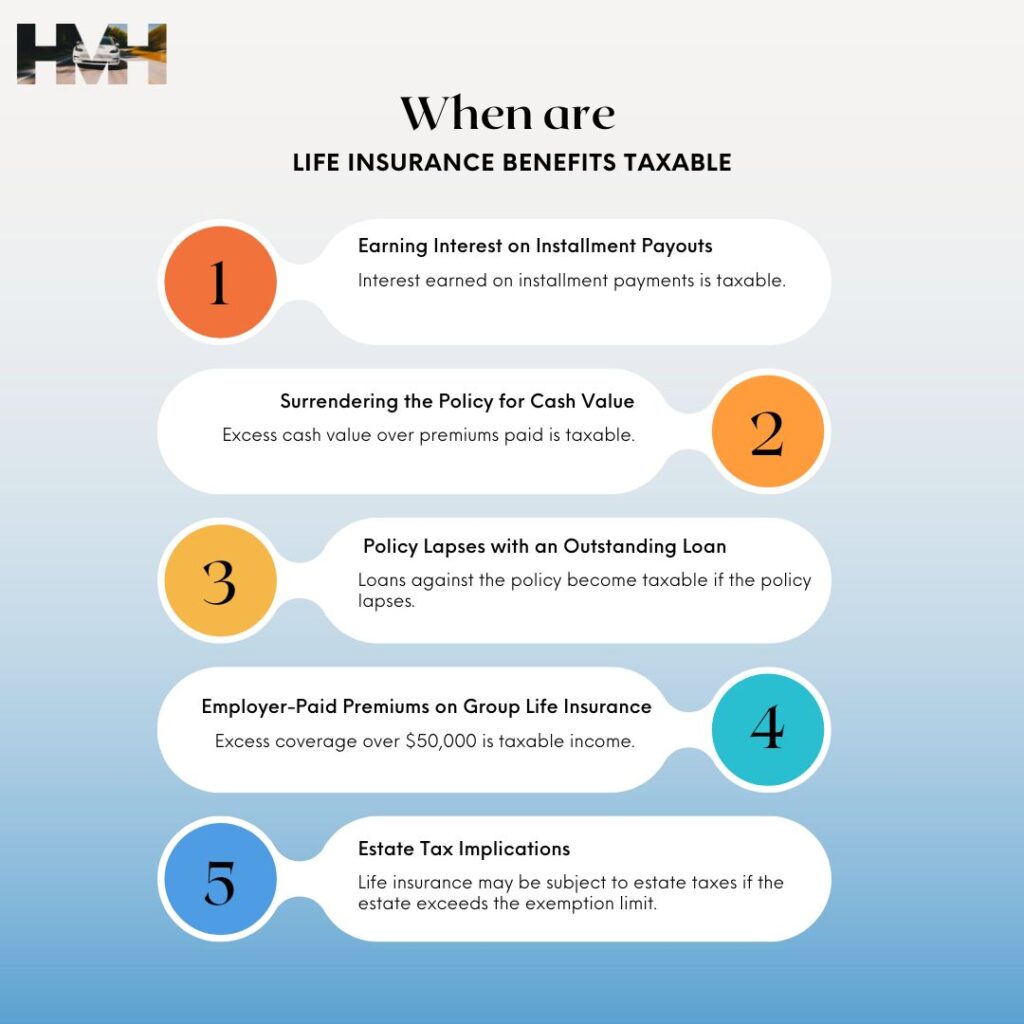
In the United States, life insurance death benefits are generally received by beneficiaries free from federal income tax. While this is the standard rule under the Internal Revenue Code, specific circumstances—such as the transfer-for-value rule, interest earned on deferred payments, or the size of a taxable estate—can trigger tax liabilities. Understanding these nuances is essential for effective financial planning.
The General Rule of Income Tax Exemption
For the vast majority of beneficiaries, the death benefit received from a life insurance policy is considered a tax-free inheritance. Under Section 101(a)(1) of the Internal Revenue Code, amounts received under a life insurance contract, if such amounts are paid by reason of the death of the insured, are generally excluded from gross income. This principle applies regardless of whether the policyholder was the owner of the policy or if the beneficiary is an individual, a trust, or a corporation.
The rationale behind this exemption is to provide financial security to the survivors of the deceased without the immediate burden of federal income taxation. Because the premiums paid into the policy were typically funded with after-tax dollars, the government treats the payout as a recovery of capital and a non-taxable benefit rather than as income or capital gains.
Exceptions to the General Rule
While the general exclusion is broad, it is not absolute. Taxpayers must be aware of specific scenarios where the Internal Revenue Service (IRS) may view life insurance proceeds—or portions thereof—as taxable income.
The Transfer-for-Value Rule
One of the most significant traps for policyholders is the "transfer-for-value" rule. If a life insurance policy is sold or transferred to another party for valuable consideration (such as cash or other property), the income tax-free status of the death benefit may be forfeited.
If a policy is sold, the new owner may be required to pay income tax on the difference between the death benefit received and the amount they paid for the policy, plus any subsequent premiums they paid. However, there are notable exceptions to this rule. If the policy is transferred to the insured person, a partner of the insured, a partnership in which the insured is a partner, or a corporation in which the insured is a shareholder or officer, the tax-free status remains intact.
Interest on Deferred Payments
When a beneficiary opts to receive the death benefit in installments rather than as a lump sum, the insurance company typically pays interest on the held balance. While the principal amount remains tax-free, the interest portion of those installment payments is considered taxable income. The insurance company will generally report this interest income to the beneficiary on an IRS Form 1099-INT.
Policy Surrenders or Cash Value Withdrawals
It is important to distinguish between death benefits and the cash value of permanent life insurance policies (like Whole Life or Universal Life). If the owner of a policy surrenders the policy for cash or withdraws amounts from the cash value while they are still alive, those proceeds can be taxable. If the amount received exceeds the "basis"—which is usually the total amount of premiums paid—the gain is considered taxable income.
Estate Tax Considerations
While life insurance proceeds are generally exempt from income tax, they are not necessarily exempt from estate tax. If the deceased individual owned the policy at the time of their death, or if they held "incidents of ownership," the death benefit is included in their gross estate for federal estate tax purposes.
As of 2026, the federal estate tax exemption is substantial, but it remains a factor for high-net-worth individuals. If an estate exceeds the applicable exemption threshold, the life insurance proceeds could be subject to estate taxes at the federal level. To mitigate this risk, many individuals utilize an Irrevocable Life Insurance Trust (ILIT). By placing the policy into an ILIT, the insured removes the policy from their personal estate, potentially shielding the proceeds from estate taxes.
Summary of Potential Tax Implications
| Scenario | Tax Treatment |
|---|---|
| Lump-sum death benefit to beneficiary | Generally Income Tax-Free |
| Installment payments (Interest portion) | Taxable as Interest Income |
| Policy surrender (Gain above basis) | Taxable as Ordinary Income |
| Policy owned by decedent at death | Included in Gross Estate |
| Policy transferred for valuable consideration | Potentially Taxable (Partial) |
Practical Considerations for Beneficiaries
When you become the beneficiary of a life insurance policy, your first task is to coordinate with the insurance carrier. The carrier will provide the necessary documentation to initiate the claim. In most cases, the proceeds are paid directly to the beneficiary, bypassing the probate process, which contributes to the speed and efficiency of the payout.
If you are concerned about the tax implications of your specific payout, you should:
- Review the policy documents: Determine who the owner of the policy was and whether any transfers of ownership occurred.
- Consult a tax professional: If the payout is large or involves complex trust structures, a CPA or tax attorney can help you determine if any portion must be reported on your tax return.
- Verify the payout structure: Understand if you are receiving a lump sum or if the insurance company is retaining the funds and paying you interest.
Common Misconceptions
One common myth is that the premiums paid over the life of a policy can be deducted from the death benefit for tax purposes. Because the death benefit is already tax-free, there is no need to "offset" the benefit with premium costs.
Another misconception involves policies owned by a business to insure a key employee (Key Person Insurance). If the business is the owner and beneficiary of the policy, the proceeds are generally received tax-free by the business. However, if that money is then distributed to the heirs of the deceased employee, those distributions may be treated as taxable dividends or compensation, depending on the structure of the business and the compensation agreement.
Navigating Life Insurance and Tax Strategy
Planning for the future often involves using life insurance to provide liquidity for heirs or to cover estate taxes. Because the landscape of federal tax law can shift, it is advisable to revisit your life insurance arrangements periodically.
If you are worried about the estate tax, for example, ensure that you have structured your policy ownership correctly. The simple act of changing the owner of a policy from yourself to a spouse or a trust can have major legal and tax consequences. Always document these changes clearly and keep records of all premium payments and transfers.
Frequently Asked Questions
Are there state-level taxes on life insurance proceeds? While most states follow the federal rule regarding income tax, some states have their own inheritance or estate taxes. You should check the laws of the state where the deceased resided at the time of death to ensure there are no local tax obligations.
Does the IRS know when a life insurance payout occurs? Yes. Insurance companies are required to file informational reports with the IRS regarding death benefit payments. While these payments are typically tax-free, the IRS monitors them to ensure that taxable interest components or other specific circumstances are properly accounted for.
What happens if I inherit a life insurance policy? If you inherit a policy that is not yet paid out, the tax treatment depends on the type of policy and the future death benefit. Typically, you take over the policy as the new owner. It is vital to consult with a financial advisor to understand the impact on your own estate and the potential tax consequences of future premiums or surrender.
Can life insurance be used to pay off debts and still be tax-free? Yes. The beneficiary can use the tax-free life insurance proceeds for any purpose, including paying off mortgages, credit card debt, or funeral expenses. The tax-free nature of the death benefit remains intact regardless of how the money is spent.
What is the "basis" in a life insurance policy? Your basis is generally the total amount of premiums you have paid into the policy minus any dividends or withdrawals you have previously received. This figure is primarily relevant if you decide to surrender the policy or if you sell the policy to a third party.
Next Steps and Professional Guidance
If you are currently managing a life insurance claim or planning your estate, the most important action is to gather all relevant policy documents and seek professional guidance. Financial situations are rarely identical, and the specific wording of a policy contract can supersede general rules.
Begin by contacting the insurance carrier's claims department to understand the payout options available to you. If the potential proceeds are significant, or if you believe you may be subject to the transfer-for-value rule or estate taxes, consult with a qualified estate planning attorney or a tax professional. By taking these steps, you can ensure that your financial affairs remain in compliance with federal law while maximizing the benefit for your intended beneficiaries.