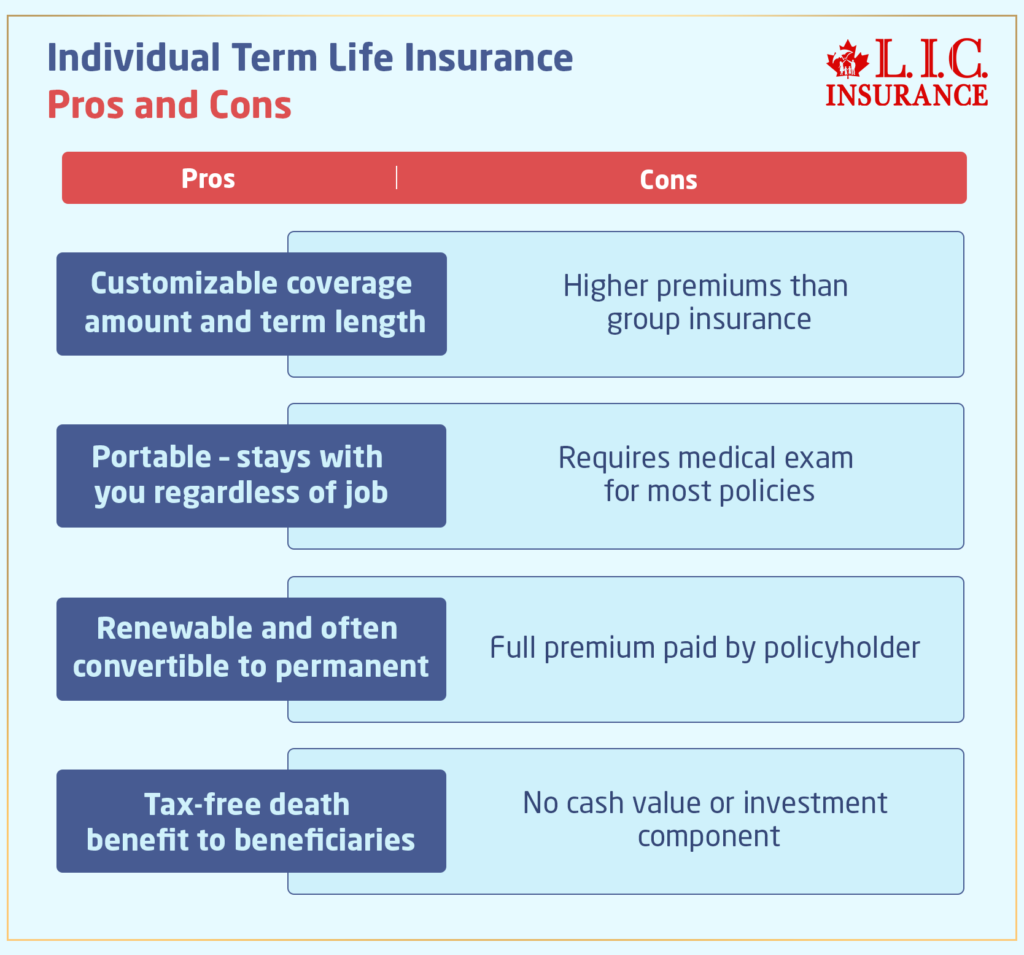
Yes, living benefits are available in many modern term life insurance policies, typically through the inclusion of an Accelerated Death Benefit (ADB) rider. While term life insurance is traditionally designed to provide a payout only upon the death of the insured, these riders allow policyholders to access a portion of their death benefit early if they are diagnosed with a terminal illness, chronic condition, or, in some cases, a critical illness.
Understanding the Mechanism of Living Benefits
Living benefits are not a standalone product but rather an enhancement to a standard term life insurance policy. When you purchase a policy, the base contract covers the financial loss associated with death. An Accelerated Death Benefit rider modifies this by creating a legal mechanism to trigger a partial or full payout while you are still alive, provided you meet specific medical criteria defined in the policy document.
The "living" aspect refers to the utility of the funds during the insured's lifetime. Because this money is an advance on the death benefit, the amount paid out to you is subtracted from the total death benefit that would eventually go to your beneficiaries. Furthermore, insurers often charge an administrative fee, or sometimes a small premium increase, to include these riders. In some instances, the payout is also discounted to account for the "time value of money"—the concept that the insurance company is paying a claim years earlier than they had calculated in their actuarial risk models.
Identifying the Types of Living Benefits
Not all "living benefits" are identical. When shopping for policies in 2026, it is vital to distinguish between the three primary categories of triggers that insurers use to qualify a policyholder for an advance payment.
1. Terminal Illness Riders
This is the most common form of living benefit. It is often included at no extra cost in many standard term policies. If a physician certifies that the insured has a limited life expectancy—typically 12 or 24 months or less—the policyholder may be eligible to receive a significant portion (often 50% to 90%) of the death benefit.
2. Chronic Illness Riders
These riders are designed to assist those who cannot perform basic activities of daily living (ADLs), such as bathing, dressing, eating, or transferring from a bed to a chair. Alternatively, they may trigger if the insured requires substantial supervision due to severe cognitive impairment. These benefits are particularly valuable for long-term care planning but are subject to strict certification by a medical professional.
3. Critical Illness Riders
Critical illness benefits are triggered by the diagnosis of specific conditions, such as cancer, stroke, heart attack, or end-stage renal failure. Unlike terminal illness riders, the insured does not necessarily need to be near the end of their life to qualify; they simply need to be diagnosed with a condition listed in the policy’s schedule of benefits.
The Financial Implications and Tax Considerations
The primary allure of living benefits is the ability to cover high out-of-pocket medical expenses, home modifications, or debt reduction without needing to sell assets or borrow against other retirement accounts. However, policyholders must be aware of the financial nuances.
First, the impact on the death benefit is dollar-for-dollar or greater. If you have a $500,000 policy and accelerate $200,000 for a critical illness, your remaining death benefit drops to $300,000. Beneficiaries will receive the adjusted amount, minus any administrative fees taken at the time of the claim.
Second, the tax treatment of these benefits is governed by the Internal Revenue Code (IRC) Section 101(g). Generally, if the insured is terminally ill, the benefits received are considered tax-free. If the insured is chronically ill, the tax-free status may depend on whether the payments are used to cover qualified long-term care services. Because tax laws can be complex and subject to individual financial circumstances, it is recommended that policyholders consult with a qualified tax advisor before accepting a payout.
Comparative Analysis of Term Life Policy Features
| Feature | Standard Term Life | Term Life with Living Benefits |
|---|---|---|
| Primary Payout | Death of the insured | Death, terminal, chronic, or critical illness |
| Cost | Baseline premium | Baseline + potential rider fees |
| Flexibility | None (death claim only) | High (access to funds while living) |
| Impact on Beneficiaries | Full payout at death | Reduced payout if benefits are used |
| Underwriting | Standard health evaluation | Standard health + rider-specific terms |
Prerequisites and Eligibility Requirements
Obtaining a policy with living benefits requires meeting both standard underwriting criteria and specific rider conditions. During the application process, the insurance carrier will evaluate your health history, age, and lifestyle habits.
If you seek a policy with comprehensive living benefits (such as chronic or critical illness coverage), the underwriting process may be slightly more stringent. The insurer is effectively taking on more risk by offering a potential payout before the death of the insured. Therefore, they may require more detailed medical records.
Once the policy is in force, the "prerequisites" for an actual claim are the most critical aspect. You must:
- Provide Medical Documentation: Insurers require objective medical evidence from a licensed physician confirming the diagnosis.
- Adhere to Waiting Periods: Some riders have an "elimination period" (a waiting period after the diagnosis) before benefits are paid.
- Meet Specific Definitions: A generic diagnosis may not suffice. The condition must meet the policy’s specific definition of "chronic" or "critical," which may differ significantly from standard medical definitions.
Common Mistakes and Misconceptions
A common error among consumers is the assumption that living benefits provide "long-term care insurance." While they offer some overlap, they are not a substitute for a comprehensive long-term care policy. Living benefits are limited by the death benefit amount; if you spend your entire death benefit on chronic illness care, you have effectively exhausted your life insurance protection.
Another mistake is failing to review the policy’s "Benefit Schedule." Not all insurers cover the same list of illnesses. Some policies might exclude specific types of cancers or define "heart attack" in a way that requires significant cardiac damage, potentially leaving a policyholder ineligible for a claim even after a diagnosis. Always request a sample policy or a summary of benefits that explicitly lists the covered conditions and their definitions.
Steps to Verify Your Coverage
If you already own a term life insurance policy and are unsure if you have living benefits, follow these steps:
- Locate Your Policy Document: Review the "Riders and Endorsements" section of your contract.
- Check for "Accelerated Death Benefit": Look for terms like "ADB," "Terminal Illness Rider," or "Living Benefit Rider."
- Review the Schedule of Benefits: This page will list exactly which illnesses are covered and the percentage of the death benefit you can access.
- Contact the Claims Department: If you have questions regarding the application of these benefits, contact your insurer directly. They can provide the specific paperwork required to initiate a claim.
Frequently Asked Questions
Are living benefits automatically included in all term life insurance? No. While many carriers now include a terminal illness rider as a base feature, chronic and critical illness riders are often optional and may require an additional premium or a specific policy endorsement.
Does taking a living benefit impact my premiums? Often, if a rider is added for an additional cost, your premium will be higher than a standard policy. If you exercise the benefit, your death benefit decreases, but in most cases, your premium requirements will be adjusted downward to reflect the lower coverage amount.
Can I use living benefits for any expense? Generally, yes. Unlike health insurance, which may require direct payment to providers, living benefits are typically paid directly to the policyholder. You can use the funds for medical bills, rent, groceries, or any other financial need.
What happens if I get better after receiving a living benefit? The money is yours to keep. You are not required to repay the insurer if your health improves after receiving a payout for a critical or chronic illness, though your total death benefit remains permanently reduced.
Are living benefits considered taxable income? Under current IRS guidelines, benefits paid for terminal illness are generally tax-free. Benefits paid for chronic or critical illnesses may be subject to tax regulations depending on the nature of the expenses. Always consult a tax professional.
Can I add a living benefit rider to an existing policy? It depends on the carrier. Some insurers allow you to add riders during a policy anniversary, while others require you to apply for a new policy if you wish to change your coverage features.
Final Recommendation
If you are currently evaluating term life insurance, prioritize carriers that clearly define their living benefit riders in the sample policy. Rather than focusing solely on the death benefit amount, review the list of covered conditions to ensure they align with your family's health history and financial concerns. If you already hold a policy, contact your insurer or review your annual statement to determine your current access to these benefits. Understanding your policy today ensures you have the necessary documentation and awareness to make informed decisions should a medical event occur in the future.