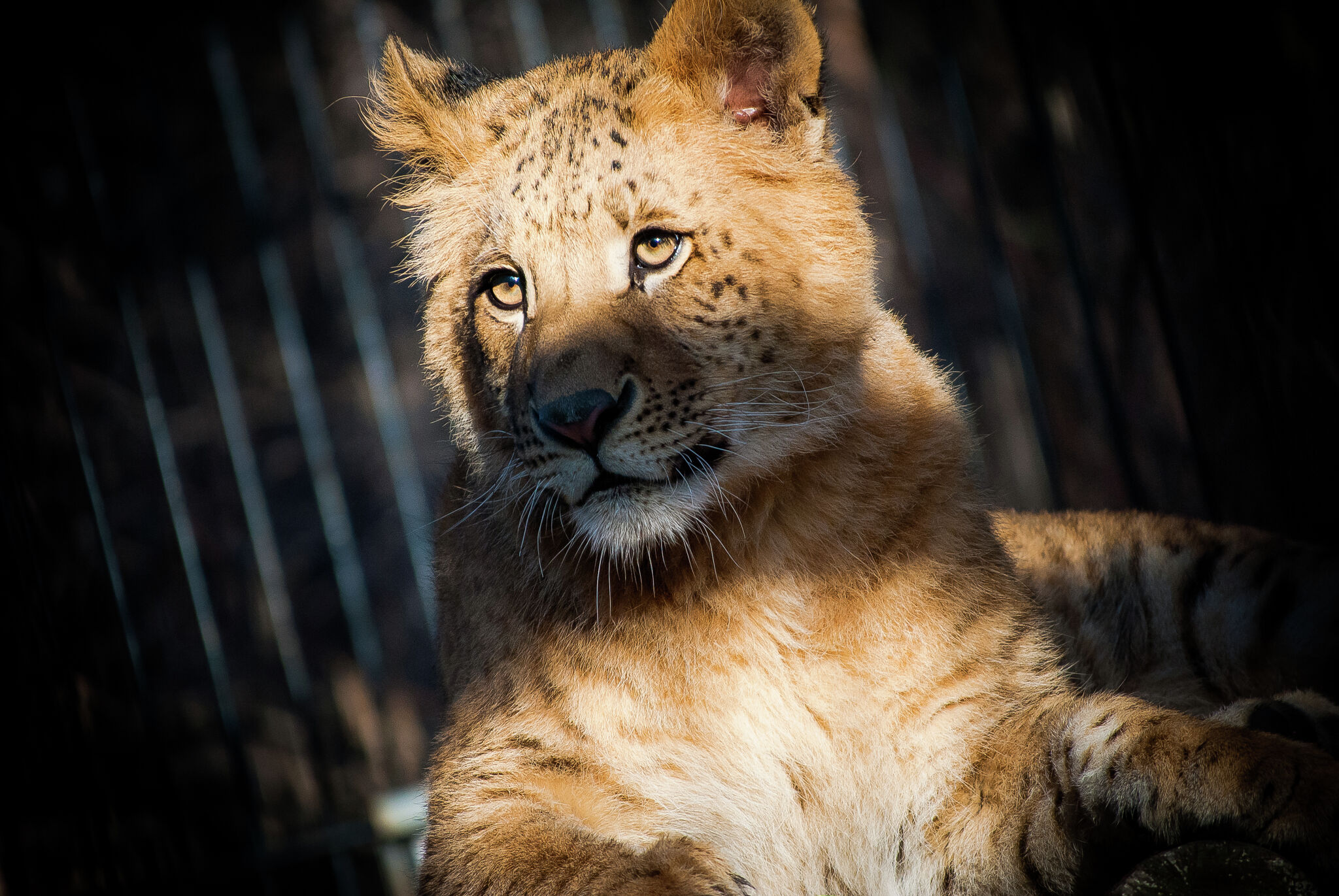
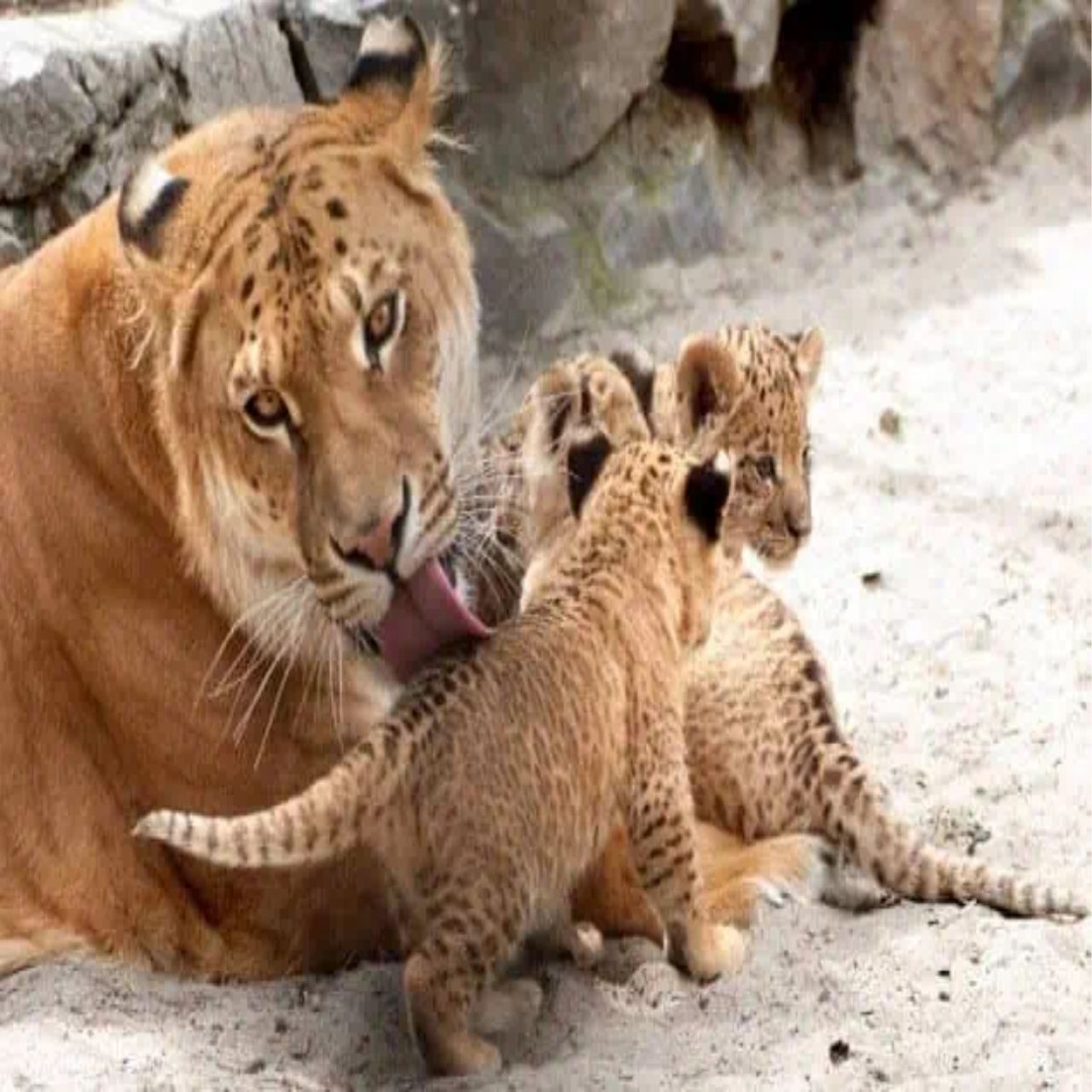
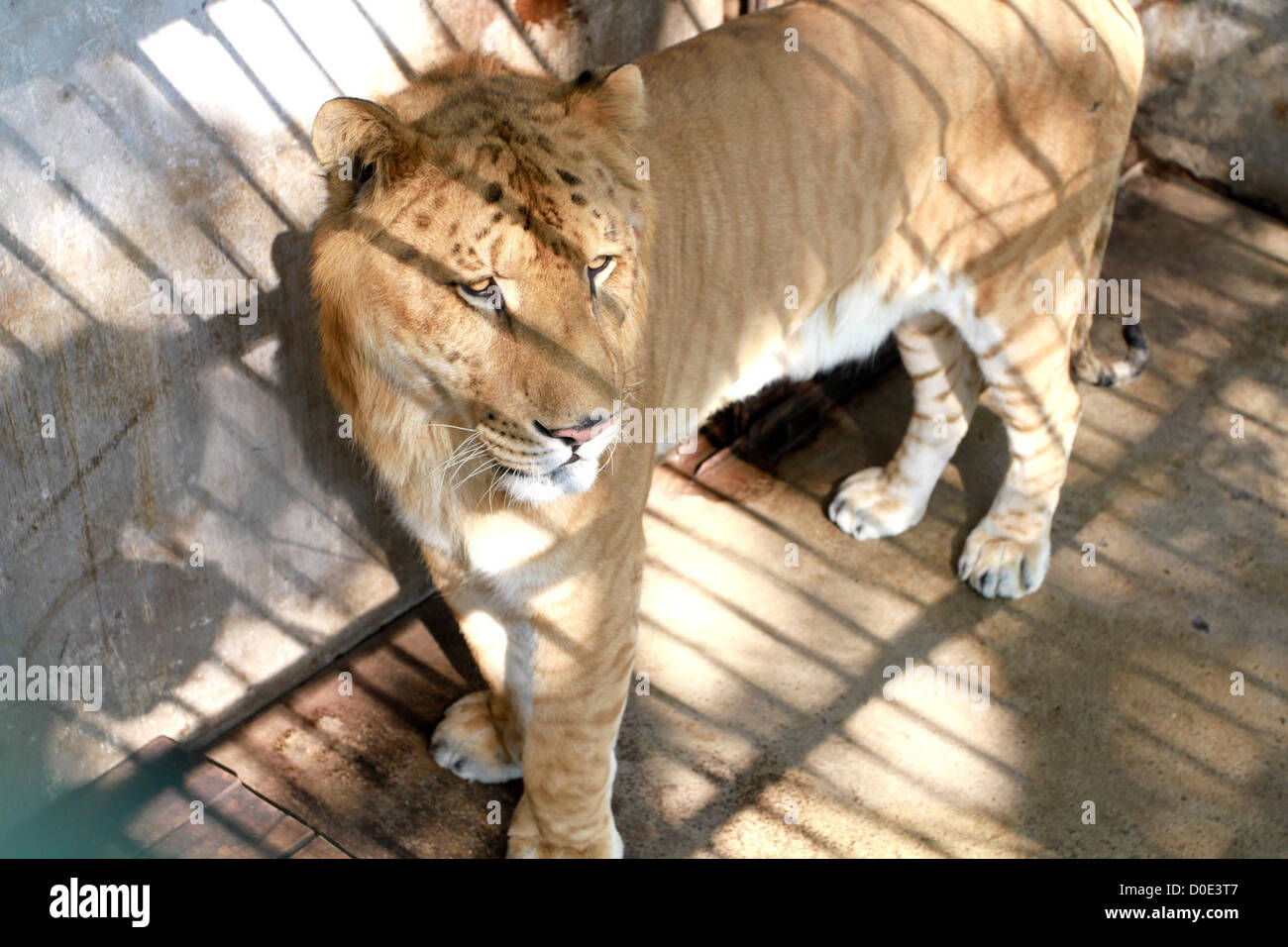
Ligers are exceptionally rare in the natural world because they do not occur in the wild; their existence is restricted entirely to captive environments where lions and tigers are housed in close proximity. As man-made hybrids, they are not a distinct species, and their rarity is a direct consequence of both biological barriers and the ethical and logistical constraints surrounding captive animal breeding.
The Biological Definition of a Liger
A liger is the offspring of a male lion (Panthera leo) and a female tiger (Panthera tigris). To understand why these animals are rare, one must first look at their geographical and behavioral separation. In the wild, lions and tigers live in distinct habitats. The vast majority of the world's remaining lions live in sub-Saharan Africa, while tigers are found in Asia. The only place where their ranges historically overlapped was the Gir Forest in India, but even there, their behavioral differences, social structures, and territorial instincts prevent interbreeding.
Because ligers do not exist in the wild, the term "rare" takes on a different meaning than it would for an endangered species. An endangered species is rare because its population has dwindled; a liger is rare because it is an anomaly of artificial human intervention. They are essentially "accidental" or intentional laboratory-style experiments in captive management.
Why Ligers Do Not Exist in the Wild
The absence of ligers in the wild is maintained by several immutable factors. First, behavioral evolution has equipped these species with different courtship rituals and social hierarchies. Lions are highly social animals that live in prides, while tigers are solitary creatures. The instinctual communication required to initiate mating is fundamentally incompatible between the two species.
Second, if an encounter were to occur in the wild, the interaction would likely be aggressive rather than reproductive. Both species are apex predators with strong territorial defensive behaviors. The chance of a male lion and a female tiger engaging in successful copulation in a natural setting is statistically negligible. Consequently, the only verified occurrences of ligers are within private collections, roadside zoos, or specific breeding facilities where humans have deliberately controlled the environment to force the interaction.
The Role of Captivity and Human Intervention
The rarity of the liger is maintained by the fact that many reputable zoological associations, such as the Association of Zoos and Aquariums (AZA), explicitly prohibit the hybridization of big cats. These organizations prioritize species conservation and genetic purity. By refusing to breed hybrids, they ensure that the "rarity" of the liger remains high, as these animals are only produced by independent breeders or facilities that operate outside of modern professional accreditation standards.
When a liger is born, it is often a result of a male lion and a female tiger being kept in the same small enclosure, potentially due to a lack of space or improper facility management. This environment allows for the mating to occur, but it is not a standard practice in professional wildlife conservation. As of 2026, the global population of ligers remains small, fluctuating based on the number of private facilities operating globally, yet they remain a niche interest rather than a formal part of wildlife management.
Comparative Biology: Ligers vs. Other Hybrids
Understanding the physical nature of the liger helps explain why their existence is so scrutinized. Ligers often grow to be significantly larger than either of their parents, a phenomenon known as hybrid vigor or "gigas." This happens because lions and tigers have different genetic growth-regulating genes. In a lion, the male contributes growth-promoting genes, while the female contributes growth-inhibiting genes. In a tiger, the reverse is true. In a liger, the male lion's growth-promoting genes are passed on, but the female tiger lacks the corresponding genes to "turn off" or moderate that growth, leading to a cat that can weigh over 900 pounds.
| Feature | Lion | Tiger | Liger |
|---|---|---|---|
| Social Structure | Prides (Social) | Solitary | Highly Variable |
| Growth Potential | Moderate | Moderate | High (Extreme) |
| Natural Habitat | Africa/Gir Forest | Asia | None (Captive Only) |
| Genetic Status | Distinct Species | Distinct Species | Sterile Hybrid |
Health and Longevity Considerations
The rarity of the liger is also linked to the health complications associated with their hybrid status. Many ligers suffer from significant health issues, including neurological defects, organ failure, and skeletal problems caused by their rapid and unchecked growth. Because they are hybrids, they face an uphill battle regarding their immune systems and metabolic health.
In many cases, the life expectancy of a liger is shorter than that of a purebred lion or tiger. This is another reason why they are not intentionally propagated by scientific institutions; the welfare of the animal is often compromised by the genetic conflict between its parent species. For prospective observers interested in big cats, it is important to distinguish between the protection of endangered species and the creation of hybrids, which often prioritizes exhibition over biological health.
Frequently Asked Questions (FAQ)
1. Are ligers becoming more common? No. While there are private facilities that continue to breed hybrids, there is no international trend toward increasing the number of ligers. Most professional conservation and zoological bodies actively discourage hybridization, meaning their numbers remain restricted to non-accredited private settings.
2. Can ligers reproduce with other ligers? Generally, no. Most male ligers are sterile, meaning they cannot father offspring. While some female ligers have been known to be fertile, the resulting offspring are often highly prone to health issues, which further disincentivizes breeding programs.
3. Why do people breed ligers if they have health issues? The breeding of ligers is often driven by the "curiosity factor." Because they are unusually large and visually unique, some roadside attractions or private owners use them to draw visitors. However, this practice is widely criticized by animal welfare experts due to the health risks the cats face.
4. Where can I see a liger in 2026? Ligers are generally not found in reputable, accredited zoos. If they exist in a facility, it is typically a private, non-accredited zoo or animal sanctuary. It is recommended to check the accreditation status of any facility before visiting to ensure they adhere to ethical animal care standards.
5. Is the "Tigon" the same as a liger? No. A tigon is the offspring of a male tiger and a female lion. Tigons are generally smaller than ligers and often retain more of the physical traits of a lion. Both are equally rare and both are results of human-managed captivity.
Professional Guidance and Ethical Considerations
For those interested in the subject, it is vital to approach the topic through the lens of animal welfare. If you are researching these animals, focus your attention on the conservation of existing, pure-bred populations rather than the promotion of hybrid animals. The "rarity" of the liger is not a status to be celebrated, as it is a symptom of human-controlled interference in the natural evolutionary path of these apex predators.
If you encounter facilities that advertise the display of hybrids, investigate their standards of care. Reputable institutions provide veterinary oversight, adequate space, and, most importantly, a refusal to engage in unethical hybridization for commercial gain. Supporting organizations that focus on the habitat preservation of wild lions and tigers remains the most effective way to help ensure the future of these magnificent species in their natural environments.