In Loudoun County, Virginia, most professional legal services are not provided entirely for free; however, numerous organizations offer pro bono or low-cost assistance to residents who meet specific financial eligibility requirements. While private legal counsel typically requires hourly or retainer-based fees, various nonprofit entities and government-supported initiatives exist to bridge the justice gap for low-to-moderate-income individuals.
Understanding the Legal Landscape in Loudoun County
When searching for "free" legal services, it is important to distinguish between pro bono work, court-appointed representation, and self-help resources. In the United States legal system, the right to a government-funded attorney is strictly limited to specific criminal cases where an individual is facing the potential loss of liberty (incarceration) and cannot afford a private lawyer.
In civil matters—such as landlord-tenant disputes, family law cases (divorce or custody), consumer debt, or housing evictions—there is no constitutional guarantee to free legal representation. Instead, the burden falls on nonprofit organizations, bar associations, and state-funded programs to provide assistance to those who cannot afford market-rate legal fees.
In Loudoun County, residents often navigate a combination of state-wide resources and localized legal aid societies. Most of these organizations operate under strict income guidelines, typically tied to the Federal Poverty Guidelines, and may prioritize cases based on urgency, such as domestic violence or immediate threats of homelessness.
Major Providers of Legal Aid in Northern Virginia
To find legal assistance in Loudoun County, you must look toward established organizations that serve Northern Virginia. Because Loudoun is part of a high-cost region, the income thresholds for these services are often slightly higher than in other parts of the state, but they remain focused on the most vulnerable residents.
Legal Services of Northern Virginia (LSNV)
LSNV is the primary provider of free legal aid for low-income residents in Loudoun County. They handle civil cases in areas including:
- Housing: Eviction defense, public housing issues, and fair housing concerns.
- Family Law: Domestic violence protection and family stability.
- Consumer Law: Debt collection defense and bankruptcy advice.
- Public Benefits: Appeals for denied benefits such as SNAP or Social Security.
LSNV does not provide walk-in legal advice. Prospective clients must undergo a screening process via their telephone intake system to determine financial eligibility and whether the legal issue falls within their current scope of service.
The Virginia State Bar Pro Bono Resources
The Virginia State Bar operates a directory of pro bono programs. While they do not directly represent individuals, they connect residents with private attorneys who have volunteered to provide free or reduced-fee services. This is often where residents with complex civil disputes that fall outside the purview of LSNV may find assistance.
Common Misconceptions About "Free" Legal Help
A frequent point of frustration for residents is the assumption that any legal issue can be resolved with a "free lawyer." It is critical to manage expectations regarding what these services can and cannot do.
- Scope of Representation: Many legal aid organizations provide "limited scope" representation. This means an attorney might help you draft a document or provide advice on how to represent yourself in court, rather than acting as your full-time advocate through an entire trial.
- Waitlists and Capacity: Because the demand for free legal services far exceeds the supply of volunteer attorneys and funded staff, many organizations maintain long waitlists. If your case is not considered an "emergency" (e.g., you are not facing an immediate eviction or a safety threat), you may be denied service simply due to lack of capacity.
- Income Verification: You should be prepared to provide documentation of your household income, assets, and liabilities. Programs that receive government funding are audited for compliance, meaning they cannot waive these requirements regardless of the nature of your case.
Self-Help and Court-Provided Resources
If you do not qualify for free legal aid based on your income, or if your specific legal problem is not covered by local programs, you are not necessarily left without options. Loudoun County courts provide resources that assist citizens in representing themselves (pro se).
- The Law Library: The Loudoun County Law Library serves as a vital resource. While the staff cannot provide legal advice, they can assist you in finding forms, understanding court procedures, and locating statutes relevant to your case.
- Court-Approved Forms: The Supreme Court of Virginia maintains a repository of standardized court forms. Using these forms can help ensure your filings are procedurally correct, which is often the biggest hurdle for people navigating the legal system without a lawyer.
- Virginia Legal Aid Website: Many organizations maintain "Legal Aid Self-Help" websites, which offer step-by-step guides for common issues like filing for divorce, responding to a summons, or navigating small claims court.
Comparative Summary of Legal Assistance Types
The following table categorizes the different ways to access legal help in the region to help you identify which path is most appropriate for your situation.
| Type of Service | Eligibility Requirements | Typical Cost | Best For |
|---|---|---|---|
| Legal Aid (LSNV) | Low income; specific case type | Free | Eviction, domestic violence, benefits |
| Court-Appointed Attorney | Indigent; criminal charges only | Free (if qualified) | Criminal defense cases |
| Pro Bono Programs | Varies by organization | Free | Complex civil cases, referrals |
| Law Library / Self-Help | Open to the public | Free | Procedural guidance, forms |
| Private Counsel | None (client-paid) | Hourly/Retainer | Litigation, contract drafting, complex issues |
How to Prepare for Your Legal Consultation
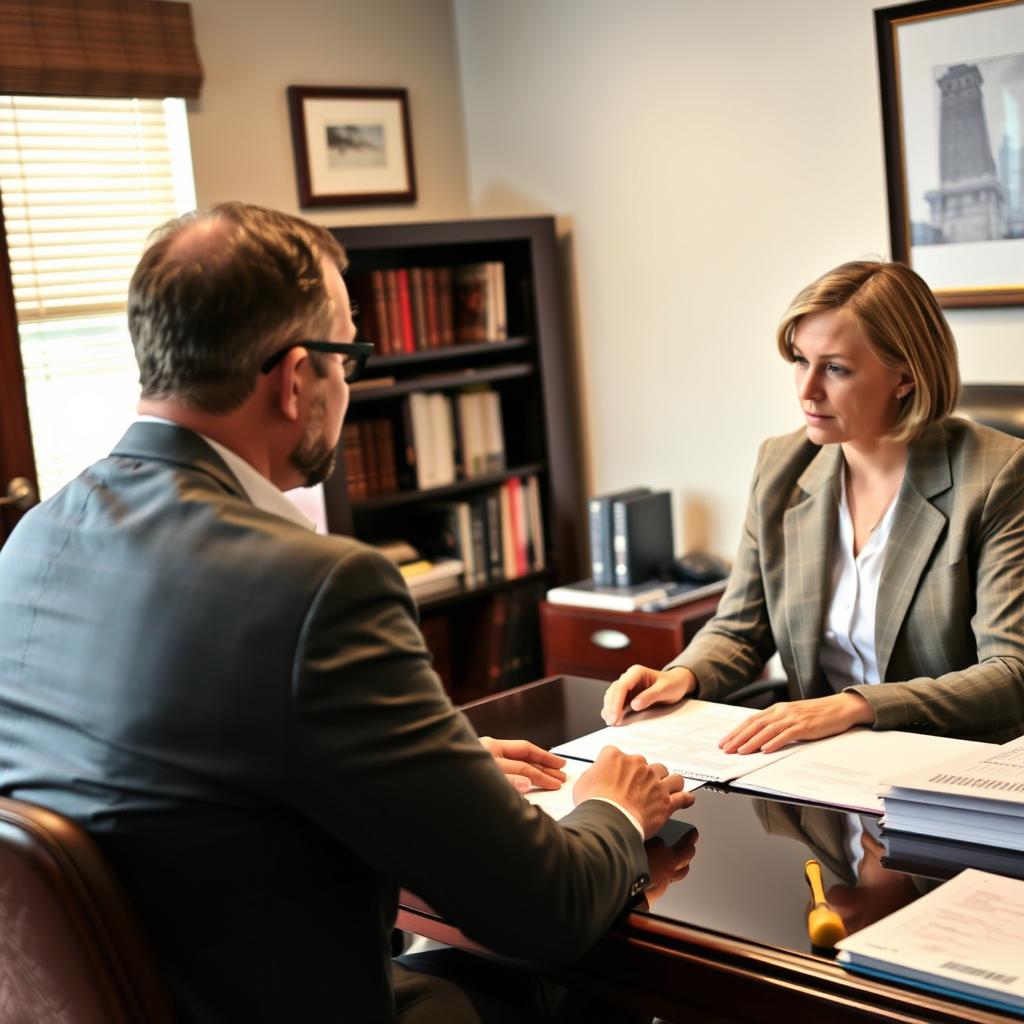
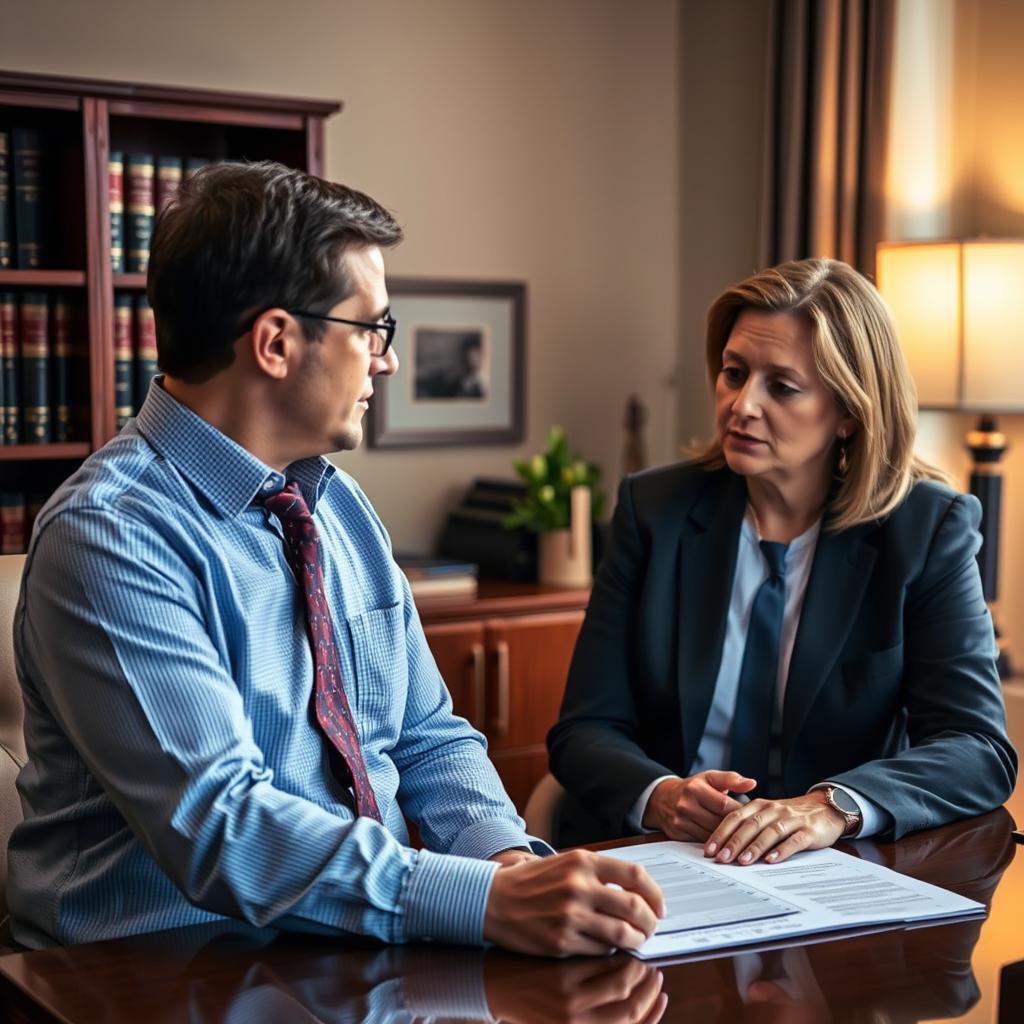
If you are successful in securing an appointment with a legal aid organization, preparation is key to making the most of the limited time available. Because these lawyers are managing high caseloads, they require organized documentation.
- Document Timeline: Create a chronological list of events related to your issue. Include dates of incidents, interactions, and any correspondence you have received.
- Organize Evidence: Gather relevant contracts, leases, medical records, or police reports. Do not bring originals to the initial intake; bring copies that the attorney can keep.
- Define Your Goal: Be clear about what you are seeking. Are you trying to stop an eviction, get a court order, or resolve a debt? Being able to articulate your desired outcome helps the attorney determine if they can effectively assist you.
- List of Questions: Write down your specific questions. It is easy to forget details during a stressful meeting, and having a written list ensures you cover all your concerns.
Troubleshooting Access Issues
What should you do if you are rejected by a legal aid society or told they cannot help you?
- Seek a "Conflict Check": Sometimes you are rejected because the legal aid organization has a conflict of interest. If this is the reason, ask for a referral. They are often networked with other local firms that may be able to step in.
- Explore Limited Representation: Ask if you can pay for a "consultation only." Some private attorneys in Loudoun County are willing to offer a discounted one-hour session to help you understand your legal standing without taking on the entire case at full price.
- Mediation Services: For family law or minor civil disputes, mediation is often cheaper and faster than litigation. Inquire if the court offers mediation services to resolve your dispute without a trial.
Frequently Asked Questions
1. Does Loudoun County provide free lawyers for criminal cases? If you are charged with a crime and cannot afford an attorney, the court will determine if you qualify for a court-appointed public defender. This is handled at the time of your arraignment. You must provide financial documentation to the judge to prove your indigence.
2. Can I get a free lawyer for a divorce in Loudoun County? Legal aid organizations like LSNV generally prioritize family law cases involving domestic violence or custody threats where the safety of children or adults is at risk. Simple, uncontested divorces are rarely covered because they are considered less critical for resource allocation.
3. Is there a difference between "legal aid" and "pro bono"? Yes. Legal aid organizations are typically non-profit entities with staff attorneys funded by grants and public money. Pro bono refers to private practice attorneys who volunteer their time to take on cases for free as a service to the community.
4. What happens if I don't qualify for Legal Services of Northern Virginia? If your income exceeds the threshold, you will need to seek private counsel. You may use the Virginia State Bar’s Lawyer Referral Service to find an attorney who specializes in your specific area of law and operates in the Loudoun County jurisdiction.
5. Can I use an AI or online form generator instead of a lawyer? Online tools can help you generate standard legal documents, but they cannot provide legal advice or strategy. Using these tools is not a substitute for a lawyer, particularly in court, but they can be a useful starting point for gathering information or preparing draft documents for review.
Next Steps for Residents
If you are facing a legal challenge, start by visiting the website of Legal Services of Northern Virginia (LSNV) to review their current income eligibility guidelines. If you do not meet these criteria, utilize the Law Library in the Loudoun County Courthouse to understand the procedural requirements for your specific situation. If your case involves significant assets, property, or potential loss of rights, prioritize finding a way to consult with a private attorney, even if it is for a single hourly consultation to discuss your strategy. Legal outcomes are highly sensitive to procedural errors, and ensuring your filings are accurate is the most effective way to protect your interests.