In most healthy individuals, lymph nodes are not easily palpable, meaning they cannot be felt through the skin. However, small, soft, and mobile nodes—particularly in the neck or groin—can sometimes be felt in thin individuals or following a minor infection. While palpability alone isn't always a cause for concern, changes in size, texture, or tenderness require clinical evaluation.
The Anatomy of the Lymphatic System and the Mechanics of Palpation
To understand whether lymph nodes should be palpable, one must first understand their role within the human immune system. As of 2026, clinical guidelines continue to emphasize the lymphatic system as a secondary circulatory system responsible for filtering pathogens, maintaining fluid balance, and housing immune cells.
Lymph nodes are small, bean-shaped structures distributed along lymphatic vessels. There are approximately 600 to 700 lymph nodes in the average adult body, though only a fraction of these are located in areas accessible to physical touch (palpation). These nodes act as biological "filter stations." When the body encounters an antigen—such as a virus, bacterium, or even a vaccine—the lymph nodes in the drainage area respond by producing more white blood cells (lymphocytes). This cellular proliferation causes the node to expand, making it palpable.
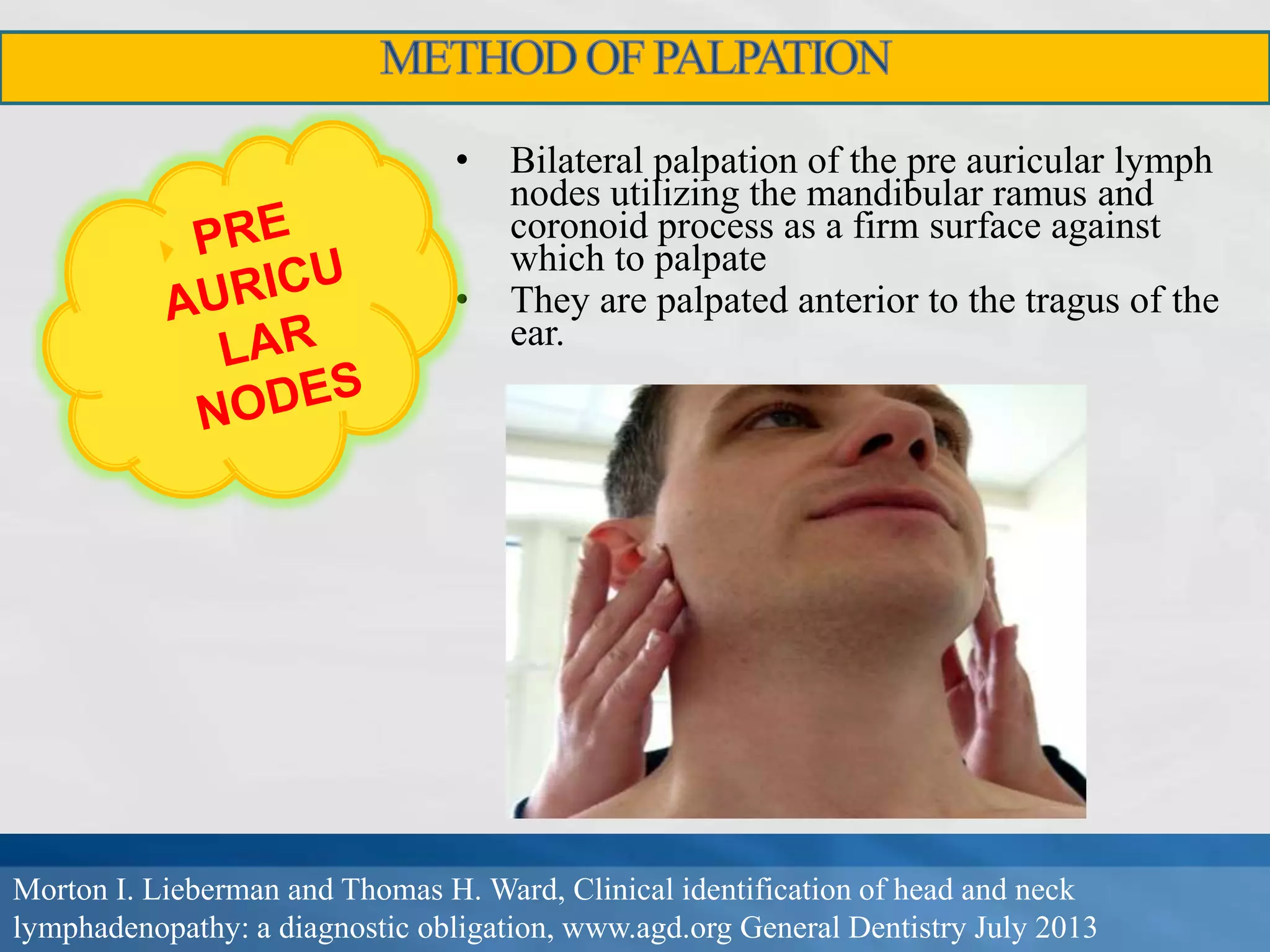
Palpation is the medical term for using one’s hands or fingers to examine the body. In a clinical setting, a healthcare provider uses a specific technique—applying light to medium pressure with the pads of the fingers in a circular motion—to detect the presence, size, and consistency of these nodes. Under normal physiological conditions, most lymph nodes are deep within the fatty tissue or shielded by muscle and fascia, rendering them impalpable to the touch.
When Is a Palpable Lymph Node Considered Normal?
It is a common misconception that feeling any lymph node is a sign of disease. In clinical practice, several factors determine whether a palpable node is considered "physiologically normal" or "clinically insignificant."
Anatomical Variations and Body Habitus
One of the primary factors influencing palpability is a person's body composition. In very thin individuals or children, "shotty" lymph nodes—small, firm, pea-sized nodes—are frequently palpable in the neck (cervical) or groin (inguinal) regions. These are often the remnants of past infections and do not indicate current illness.
The Location Factor
The location of the node significantly changes the threshold for what is considered normal:
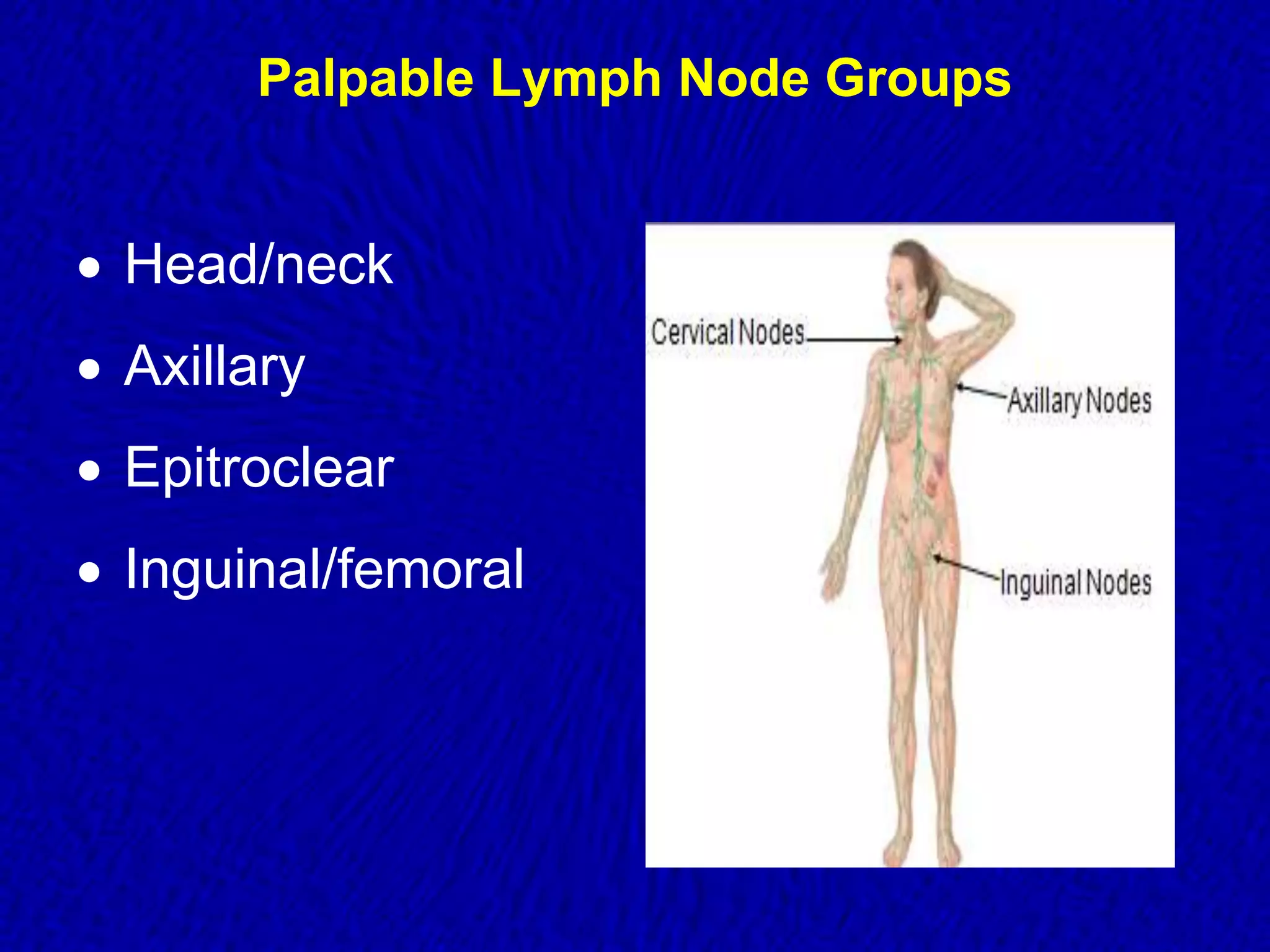
- Cervical Nodes (Neck): It is common to feel small nodes (under 1 cm) along the jawline or the side of the neck, especially in people who have had recent dental work or minor respiratory infections.
- Inguinal Nodes (Groin): Healthy adults frequently have palpable inguinal nodes. Due to the constant immune surveillance required for the lower extremities, nodes up to 1.5 cm or 2 cm in this region are often considered normal if they are soft and mobile.
- Axillary Nodes (Armpits): These are generally not palpable in a healthy state. If they are felt, it often warrants a closer look, though they frequently swell temporarily after strenuous exercise or minor skin irritation.
Characteristics of Palpable Lymph Nodes: Size, Texture, and Mobility
When a node becomes palpable, clinicians look at four primary characteristics to differentiate between a "reactive" node (responding to infection) and a potentially "malignant" node (associated with cancer).
1. Size
The general rule of thumb in 2026 remains that lymph nodes smaller than 1 centimeter (cm) in diameter are usually not a cause for concern. Nodes in the groin are the exception, where up to 2 cm can be normal. However, any node that is rapidly increasing in size or exceeds these thresholds requires diagnostic imaging or a biopsy.
2. Consistency and Texture
- Soft or Rubber-like: Nodes that feel like a gummy bear or a soft grape are typically reactive. This texture suggests the node is filled with fluid and immune cells responding to an inflammatory trigger.
- Hard or Stony: Nodes that feel like a pebble or a hard "knuckle" under the skin are more concerning. This "stony" consistency can indicate the replacement of normal lymphoid tissue with fibrous tissue or cancerous cells.
3. Mobility
A healthy or reactive lymph node should be "mobile," meaning you can move it slightly under the skin with your fingers. It should not feel attached to the underlying muscle or the skin above it. If a node feels "fixed" or "matted" (stuck to other nodes or structures), it is a red flag for more serious conditions, including metastatic cancer or chronic infections like tuberculosis.
4. Tenderness
Ironically, a painful lymph node is often a "good" sign in a diagnostic context. Tenderness usually suggests acute inflammation, which is common with viral or bacterial infections. Malignant nodes, particularly in the early stages of lymphoma or metastatic disease, are classically painless.
Common Causes of Lymphadenopathy (Swollen Nodes)
When lymph nodes become distinctly palpable and enlarged, the condition is known as lymphadenopathy. The causes can range from the mundane to the severe.
Infections
Infections are the most frequent cause of palpable nodes.
- Viral: Common colds, influenza, mononucleosis (Epstein-Barr virus), and HIV.
- Bacterial: Strep throat, "cat scratch fever" (Bartonella), and localized skin infections (cellulitis).
- Post-Vaccination: It is well-documented in 2026 that modern mRNA and protein-based vaccines can cause temporary, localized lymphadenopathy in the armpit or neck near the injection site as the immune system builds a response.
Autoimmune Conditions
Diseases such as rheumatoid arthritis and systemic lupus erythematosus (SLE) cause chronic systemic inflammation. This can lead to persistent, widespread palpability of lymph nodes as the immune system remains in an overactive state.
Malignancy
While less common than infection, cancer is the most critical cause to rule out.
- Primary Lymphoma: Cancers that start in the lymphatic system (Hodgkin and non-Hodgkin lymphoma).
- Metastasis: Cancers from other organs (like breast, lung, or skin) that spread through the lymphatic channels to the nearest drainage nodes.
Comparative Overview: Normal vs. Concerning Lymph Nodes
The following table provides a quick reference for evaluating palpable lymph nodes based on standard clinical observation.
| Feature | Usually Normal / Reactive | Potentially Concerning |
|---|---|---|
| Size | Less than 1 cm (up to 2 cm in groin) | Greater than 2 cm and growing |
| Consistency | Soft, squishy, or rubbery | Hard, stony, or rigid |
| Mobility | Easily moved under the skin | Fixed, immovable, or "matted" |
| Pain | Often tender or painful to touch | Usually painless |
| Duration | Resolves in 2–4 weeks | Persists longer than 4–6 weeks |
| Associated Symptoms | Fever, sore throat, runny nose | Night sweats, unexplained weight loss |
| Location | Neck, groin | Supraclavicular (above collarbone) |
The "Danger Zone": The Supraclavicular Node
There is one specific area where a palpable lymph node is almost always considered abnormal: the supraclavicular fossa (the hollow area just above the collarbone).
A palpable node in this region, particularly on the left side, is known historically as Virchow’s node. Because this area drains the thoracic duct—which carries lymph from most of the body, including the abdomen—an enlarged node here is a significant clinical marker. It often points to an underlying malignancy in the lungs, esophagus, or stomach. If you can feel a node in this specific location, you should seek a medical evaluation immediately, even if the node is small and painless.
Clinical Diagnostic Steps and Modern Procedures
If you discover a palpable lymph node that meets the "concerning" criteria, a healthcare provider will follow a standardized diagnostic pathway. In 2026, these processes have become highly streamlined.
- Clinical History: The doctor will ask about the duration of the swelling, any recent illnesses, travel history, and "B symptoms" (unexplained weight loss, drenching night sweats, and persistent fever).
- Physical Examination: A full manual exam of all lymph node "stations" (neck, armpits, groin, behind the knees) to see if the lymphadenopathy is localized or generalized.
- Blood Work: A Complete Blood Count (CBC) and inflammatory markers (like CRP or ESR) can help differentiate between an infection and a blood-related cancer.
- Imaging:
- Ultrasound: The first-line tool for assessing the internal structure (architecture) of the node.
- CT or PET/CT Scan: Used if the doctor suspects the swelling is part of a larger systemic issue or to look for nodes deep inside the chest or abdomen.
- Biopsy: The definitive "gold standard." A Fine Needle Aspiration (FNA) or a Core Needle Biopsy is used to take a sample of the tissue. In some cases, the entire node is removed (excisional biopsy) for a complete pathological review.
Frequently Asked Questions
Can stress cause palpable lymph nodes?
Directly, no. Stress does not cause lymph nodes to grow. However, chronic stress can weaken the immune system, making you more susceptible to minor infections that do cause lymph nodes to swell. Additionally, people under high stress may become hyper-aware of their bodies and notice nodes that were always there but previously ignored.
How long should I wait for a swollen node to go down?
Most reactive lymph nodes resulting from a virus or minor infection will return to an impalpable size within two to four weeks. If a node remains enlarged for more than six weeks without a clear explanation (like a lingering infection), it should be examined by a professional.
Is it normal to feel lymph nodes after a workout?
Occasionally, yes. Intense physical activity can cause minor temporary inflammation in the limbs, and the axillary (armpit) or inguinal (groin) nodes may become slightly more prominent as they process increased lymph flow. However, they should not remain hard or grow significantly larger.
Can I feel lymph nodes in my stomach?
Generally, no. The lymph nodes in the abdomen (mesenteric nodes) are located deep behind the abdominal wall and organs. You cannot feel them through manual palpation unless there is a very large mass or significant medical issue. Deep abdominal nodes are usually only identified via imaging like a CT scan or ultrasound.
Does caffeine or diet affect lymph node size?
There is no direct clinical evidence that caffeine consumption or specific foods cause lymph nodes to become palpable. However, general systemic inflammation caused by a high-sugar, highly processed diet can theoretically lead to more frequent reactive nodes, though this is an indirect relationship.
Practical Recommendation for Self-Monitoring
The best approach to palpable lymph nodes is vigilant observation without panic. If you find a small, soft node in your neck or groin, check it again in two weeks. Most of the time, it will have decreased in size or disappeared.
However, you should schedule an appointment with a primary care physician if:
- The node is larger than 2 cm.
- The node feels hard, like a stone.
- The node is "fixed" and does not move when you push it.
- You have persistent night sweats, fevers, or weight loss.
- The node is located above your collarbone (supraclavicular).
Early detection is the most powerful tool in modern medicine. While most palpable lymph nodes are simply signs of a healthy immune system doing its job, persistent changes deserve a professional clinical review to ensure your long-term health.