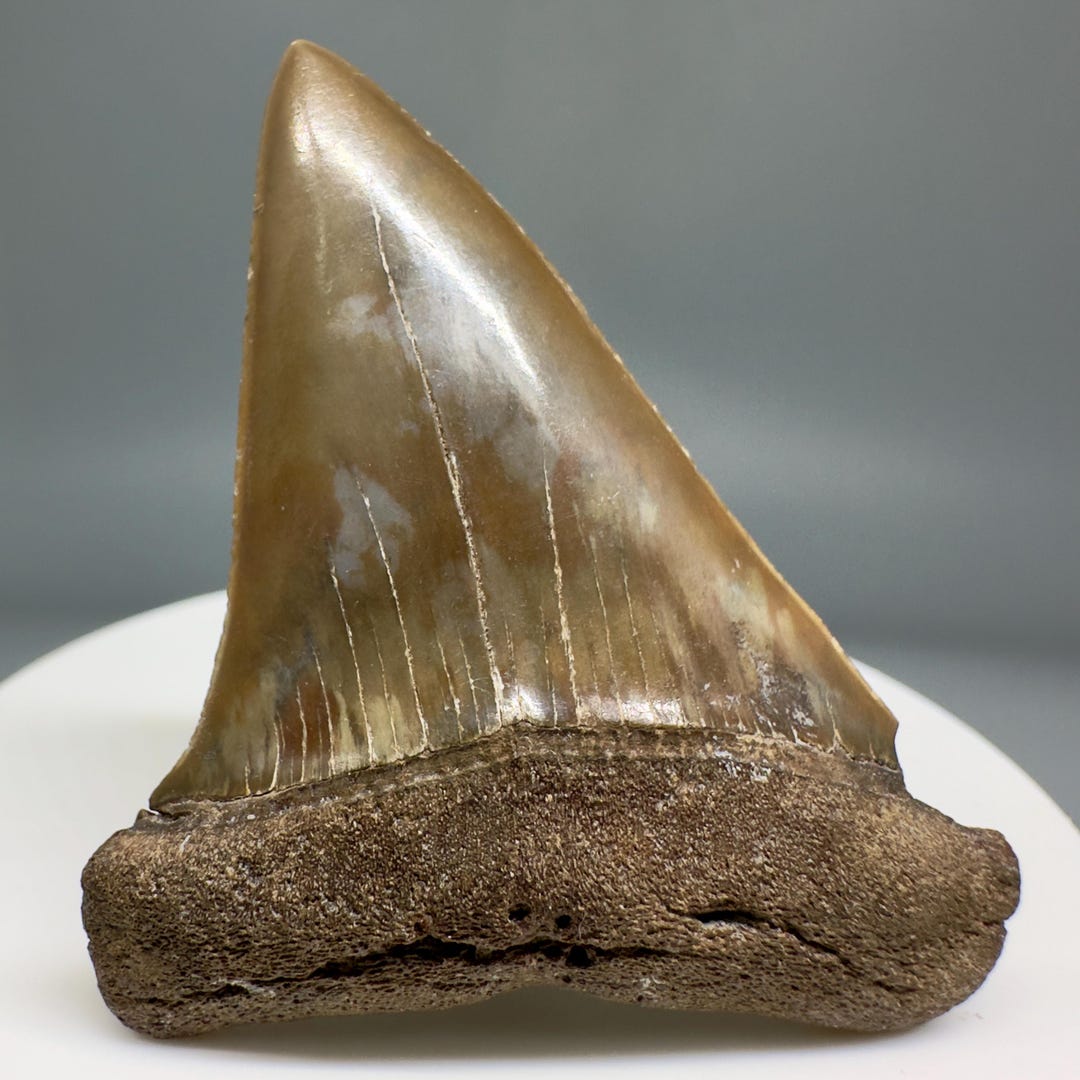
Mako sharks are not extinct, but they are currently classified as Endangered on the IUCN Red List of Threatened Species. While both the Shortfin and Longfin Mako populations have faced drastic declines due to overfishing and slow reproductive cycles, international protection measures and retention bans implemented over the last several years have aimed to stabilize their numbers as of 2026.
The Current Conservation Status of Mako Sharks
As of 2026, the question of whether Mako sharks are extinct is met with a "no," but with a significant caveat regarding their long-term survival. The Mako shark—specifically the Shortfin Mako (Isurus oxyrinchus) and the Longfin Mako (Isurus paucus)—remains in a precarious biological position. The International Union for Conservation of Nature (IUCN) continues to list both species as Endangered globally.
An "Endangered" status means that a species is considered to be facing a very high risk of extinction in the wild. For the Mako, this classification was primarily driven by a massive reduction in population biomass across all major oceans. In the North Atlantic, for instance, scientists from the International Commission for the Conservation of Atlantic Tunas (ICCAT) estimated that the stock had been depleted to a point where recovery could take decades, even with a total ban on retention.
Understanding the difference between "extinct" and "endangered" is crucial for modern conservation efforts. While extinct species are gone forever, endangered species like the Mako shark still have a "recovery window." In 2026, we are currently in the middle of that window, where the actions taken by international fishing fleets and environmental regulators will determine if these apex predators survive into the next century.
Why Mako Sharks are Vulnerable to Extinction
To understand why Mako sharks are struggling, one must look at their unique biology and the economic pressures they face. Mako sharks are the "cheetahs of the ocean," capable of reaching speeds up to 45 mph (74 km/h). However, their physical prowess does not protect them from modern industrial fishing practices.
Slow Reproductive Cycles
One of the primary reasons Mako sharks are so vulnerable is their life history. Unlike many bony fish that lay millions of eggs, Mako sharks are ovoviviparous, meaning they give birth to live young. Their gestation period is exceptionally long—up to 18 months for Shortfin Makos. Furthermore, females do not reach sexual maturity until they are roughly 15 to 18 years old. This slow maturation process means that many sharks are caught and killed before they ever have the chance to reproduce, leading to a generational gap that is difficult to bridge.
High Commercial Value
Mako sharks are highly prized in the commercial fishing industry for two main reasons: their meat and their fins. Mako meat is often compared to swordfish in terms of texture and flavor, making it one of the most commercially valuable shark meats in the world. Additionally, their large fins are highly sought after for the shark fin soup trade in various international markets. This dual-value makes them a primary target for "high-grading" and directed fishing, even when they are technically caught as bycatch.
The Problem of Bycatch
Even in regions where directed fishing for Mako sharks is prohibited, they are frequently caught as bycatch in longline fisheries targeting tuna and swordfish. Because Makos inhabit the same pelagic zones as these commercial species, they often strike the same hooks. While current 2026 regulations often require these sharks to be released if they are still alive, the post-release mortality rate—sharks dying from the stress of the capture—remains a significant hurdle to population recovery.
Global Regulatory Actions and Retention Bans
The transition from 2019 to 2026 has seen a monumental shift in how Mako sharks are managed globally. Several key international agreements have been established to prevent the species from sliding into the "Critically Endangered" or "Extinct" categories.
CITES Appendix II Listing
In 2019, at the CITES (Convention on International Trade in Endangered Species of Wild Fauna and Flora) CoP18 meeting, Mako sharks were added to Appendix II. This listing does not ban trade entirely, but it requires that all international trade in Mako shark products be strictly regulated and proven to be "non-detrimental" to the survival of the species in the wild. This was a turning point that forced many nations to implement stricter catch reporting and export permits.
ICCAT Retention Bans
One of the most significant developments for the North Atlantic population occurred in 2021 and 2022, when ICCAT members finally agreed to a two-year ban on retaining, transshipping, or landing any Shortfin Mako caught in the North Atlantic. As of 2026, these measures have been extended and refined. The "no-retention" policy is designed to give the depleted North Atlantic stock a chance to rebuild. While the ban has been met with resistance from some commercial fishing sectors, the biological data suggests that without it, the North Atlantic Mako population would likely have collapsed entirely by the mid-2030s.
Distinguishing Between the Two Mako Species
When discussing the extinction risk of Mako sharks, it is important to distinguish between the two distinct species. While both are endangered, their habitats and physical characteristics differ slightly.
| Feature | Shortfin Mako (Isurus oxyrinchus) | Longfin Mako (Isurus paucus) |
|---|---|---|
| Current Status (2026) | Endangered (IUCN) | Endangered (IUCN) |
| Max Speed | Up to 45+ mph (Top Predator) | Slower, more lethargic |
| Primary Habitat | Temperate and Tropical Open Oceans | Deep Tropical Waters |
| Physical Distinction | Short pectoral fins; white snout | Long pectoral fins; dark snout |
| Human Interaction | High (Targeted for sport and meat) | Low (Primarily deep-sea bycatch) |
| Primary Threat | Overfishing and fin trade | Bycatch in deep-water longlines |
The Shortfin Mako is the more famous of the two, known for its incredible leaps out of the water and its role as a top-tier game fish. The Longfin Mako is more elusive, living at deeper depths and generally appearing less frequently in commercial catch records. However, because the Longfin is rarer and has even lower reproductive rates, its "Endangered" status is just as critical as its more famous cousin.
The Role of Endothermy in Mako Survival
One technical aspect of the Mako shark that impacts its survival and conservation is its status as an endothermic (warm-blooded) shark. Unlike most fish, Mako sharks possess a "rete mirabile"—a complex of veins and arteries that uses counter-current heat exchange to keep their body temperature higher than the surrounding water.
This adaptation allows them to hunt in colder waters and move with incredible speed and agility. However, this high metabolic rate also means they need to consume large amounts of prey to sustain themselves. As climate change shifts the distribution of prey species like bluefish, tuna, and squid, Mako sharks are forced to travel further and enter new fishing territories, often increasing their risk of encountering commercial fishing fleets. In 2026, researchers are closely monitoring these migratory shifts to determine if current "marine protected areas" (MPAs) are still positioned correctly to protect these sharks.
Common Misconceptions About Mako Extinction
Several misconceptions often cloud the public's understanding of the Mako shark’s status. Addressing these helps clarify the urgency of conservation without spreading misinformation.
- "I saw Mako on a menu, so they must be fine." In many parts of the world, Mako meat is still legally sold if it was caught before certain bans or in regions with different regulatory frameworks (such as parts of the Pacific or South Atlantic). The presence of the meat in a market does not indicate a healthy population; rather, it often reflects the continued exploitation of an endangered species.
- "They are too fast to be caught in nets." While Makos are fast, they are primarily caught on longlines—miles of baited hooks—rather than in nets. Their aggressive hunting style makes them highly likely to strike a baited hook, regardless of their swimming speed.
- "The population has recovered since the 2022 ban." Because of their 15-18 year maturity cycle, it is biologically impossible for the population to have "recovered" in the few years since the major retention bans. In 2026, we are seeing the start of a potential recovery, but the actual increase in adult biomass will not be measurable for at least another decade.
FAQs About Mako Shark Survival
Are Mako sharks protected in all oceans?
No, protection varies by region. While the North Atlantic has a strict retention ban as of 2026, other regions like the South Atlantic and parts of the Indian Ocean still allow limited landings under specific quotas. However, the CITES Appendix II listing applies globally, meaning any international trade of Mako products must be legally permitted and sustainable.
How many Mako sharks are left in the wild?
Exact numbers are nearly impossible to calculate for pelagic sharks that roam entire ocean basins. Instead of raw numbers, scientists use "biomass estimates" and "catch-per-unit-effort" (CPUE) data. Current models suggest that North Atlantic populations are at approximately 20-30% of their historical levels, though 2026 data shows a stabilization of the decline in areas where bans are enforced.
Can a Mako shark survive being released after being caught?
It depends on the "soak time" of the fishing gear and the handling by the crew. Studies show that Shortfin Makos have a relatively high survival rate if they are released quickly while still in the water. However, if they are hauled onto a deck or have been fighting a hook for many hours, the buildup of lactic acid in their muscles can be fatal even after they swim away.
Is it legal to fish for Mako sharks recreationally in 2026?
In many jurisdictions, including the United States (under NOAA Fisheries regulations), recreational retention of Shortfin Mako is currently prohibited to support stock rebuilding. Catch-and-release fishing may be permitted in certain areas, but anglers are generally encouraged to avoid targeting the species entirely to minimize stress-induced mortality.
What happens if the Mako shark goes extinct?
As apex predators, Mako sharks play a vital role in the marine ecosystem by regulating the populations of mid-level predators and prey fish. Their extinction would cause a "trophic cascade," potentially leading to overpopulation of certain species and the collapse of others, which could ultimately damage the commercial fisheries humans rely on for food.
Next Steps for Conservation
If you are concerned about the status of Mako sharks, the most effective action is to support "traceability" in seafood. Avoid purchasing shark products and support organizations that lobby for the enforcement of CITES and ICCAT regulations. In 2026, the focus has shifted from "passing laws" to "enforcing laws." Monitoring the high seas for illegal, unreported, and unregulated (IUU) fishing is the next frontier in ensuring that the Mako shark does not move from the Endangered list to the Extinct list.