Normal, healthy lymph nodes are generally not supposed to be hard. In a typical state, a lymph node should feel soft, rubbery, or similar to the consistency of a grape or an eraser. A lymph node that feels "stony hard," fixed in place, or noticeably different from the surrounding tissue often requires medical evaluation to rule out serious underlying conditions.
The lymphatic system serves as the body’s primary filtration network, acting as a sentinel for the immune system. While most people only notice their lymph nodes when they become swollen or "swollen glands," the physical characteristics of these nodes—specifically their texture, size, and mobility—provide critical diagnostic clues for healthcare professionals. When a patient asks if a lymph node is supposed to be hard, they are usually identifying a change in the physical architecture of these small, bean-shaped organs.
To understand why hardness is a significant clinical marker, it is necessary to explore the biological composition of a lymph node and what happens to its internal structure during various physiological and pathological states.
Defining the "Normal" Feel of a Lymph Node
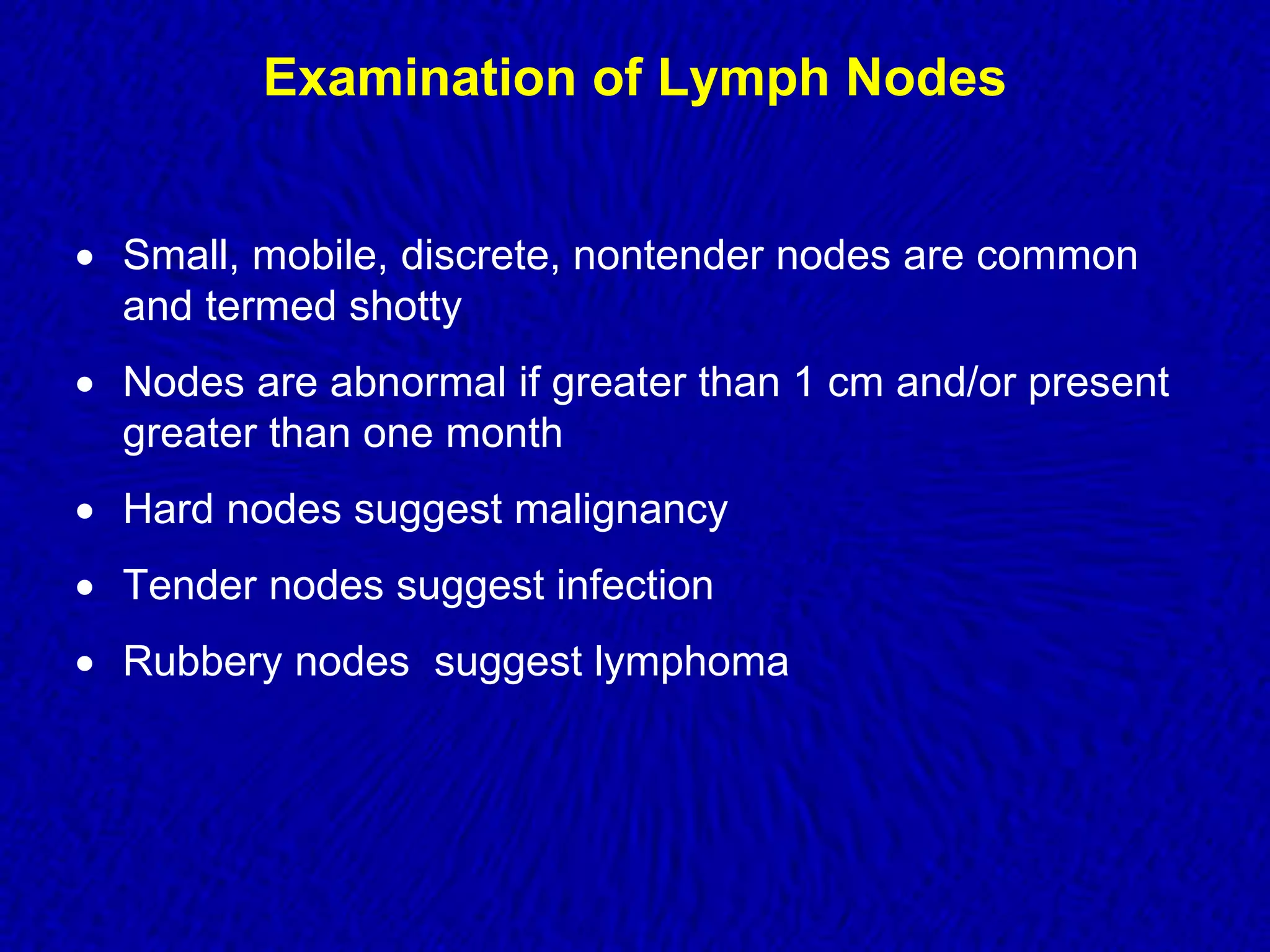
Under normal conditions, many lymph nodes are not palpable at all, meaning they cannot be felt through the skin. This is particularly true in individuals with a higher body mass index or in areas where nodes are buried deep within fatty tissue. However, in "shotty" lymph nodes—small, sub-centimeter nodes common in the neck or groin of healthy individuals—the texture is usually described as soft or "rubbery."
A healthy lymph node is encapsulated by a thin layer of connective tissue. Inside, it contains a meshwork of fibers populated by lymphocytes (white blood cells). Because it is filled with fluid (lymph) and flexible cells, the node should yield slightly when pressed. If you can move the node under the skin—meaning it slides back and forth rather than being "stuck" to the muscle or skin—this is generally a reassuring sign.
The Spectrum of Texture: Soft, Rubbery, and Hard
Clinicians categorize the "feel" of a lymph node into four primary categories:
- Soft/Fluctuant: These feel squishy or like they contain liquid. This is common in acute infections where the node is reacting to a nearby virus or bacteria.
- Rubbery: This texture is often compared to a pencil eraser. While sometimes seen in healthy people, a rubbery consistency is a classic hallmark of certain types of lymphoma.
- Firm: A firm node is tougher than a rubbery one but still has a slight "give." This may occur during chronic inflammatory conditions.
- Hard/Stony: This texture is often described as feeling like a pebble or a knuckle. This is the most concerning texture, as it frequently correlates with the presence of malignant cells that have replaced the soft internal structure of the node.
Why Lymph Nodes Become Hard
When a lymph node becomes hard, it signifies that the internal "architecture" of the node has changed. Instead of being a flexible filter filled with fluid and mobile white blood cells, the space has been occupied by something more rigid.
Malignancy and Metastasis
The most common reason for a "stony hard" lymph node is the infiltration of cancer cells. When cancer spreads from a primary site (like the lungs, breasts, or colon) to a lymph node, the cancer cells begin to multiply within the node. Unlike soft lymphocytes, cancer cells often trigger a process called desmoplasia, which is the growth of dense, fibrous connective tissue. This secondary tissue growth makes the node feel incredibly hard and often causes it to "fix" to nearby structures, making it immobile.
Fibrosis and Scarring
Not all hard nodes are cancerous. In some cases, a person may have had a severe infection in the past. After the infection clears, the lymph node may not return to its original size or texture. Instead, it may undergo fibrosis, where the functional tissue is replaced by scar tissue. These "calcified" or fibrotic nodes can feel quite firm or hard but remain stable in size over many years.
Chronic Granulomatous Diseases
Certain long-term inflammatory conditions, such as sarcoidosis or tuberculosis, can cause the formation of granulomas—tiny clumps of inflammatory cells. Over time, these can become quite firm. In the case of tuberculosis, the nodes can become "matted" together, forming a hard, irregular mass.
Comparing Node Characteristics: A Diagnostic Guide
The following table outlines the differences between typical reactive nodes (caused by infection) and suspicious nodes that may require further investigation.
| Characteristic | Reactive (Infection/Normal) | Concerning (Malignancy/Chronic) |
|---|---|---|
| Consistency | Soft, boggy, or rubbery | Hard, stony, or very firm |
| Mobility | Mobile (moves under the skin) | Fixed (stuck to skin or underlying tissue) |
| Pain/Tenderness | Often painful or tender to touch | Usually painless |
| Size | Typically under 1 cm | Often larger than 1–2 cm |
| Duration | Resolves within 2–4 weeks | Persists or grows over weeks/months |
| Skin Changes | May be red or warm | Skin may look tethered or dimpled |
Location Matters: Where the Hard Node is Found
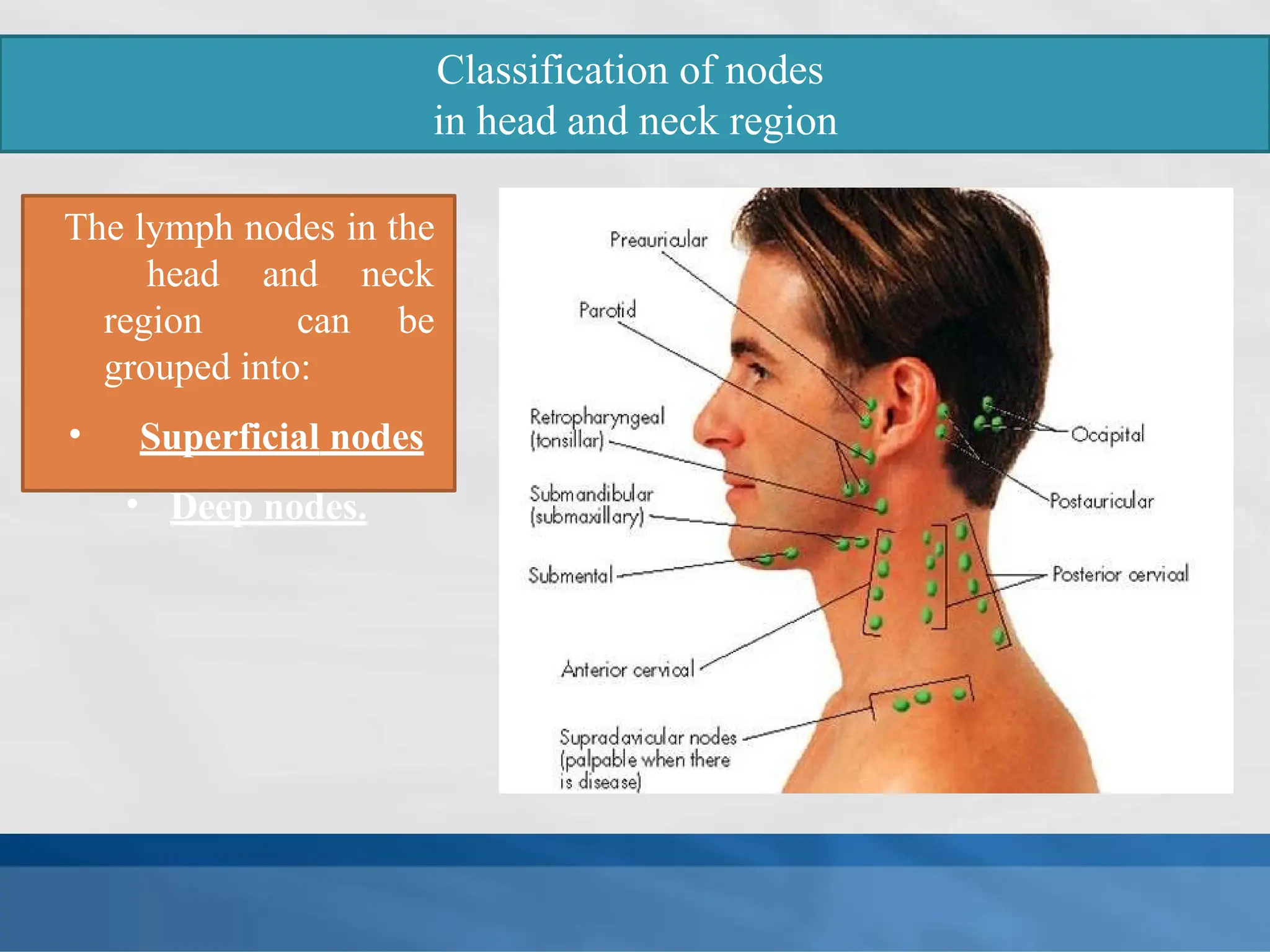
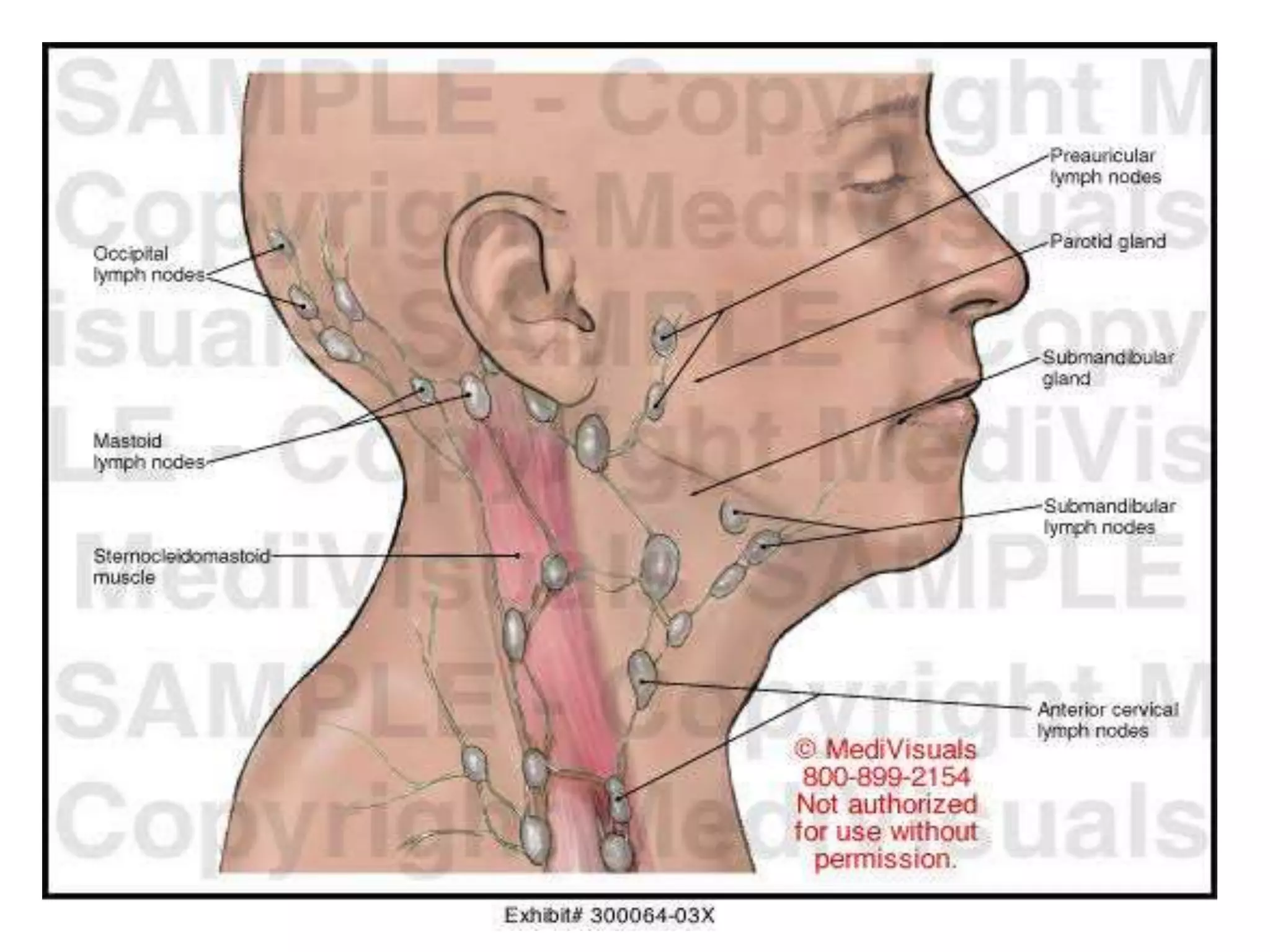
The significance of a hard lymph node often depends on its anatomical location. The body has hundreds of lymph nodes, but they are clustered in specific "basins."
Cervical (Neck) Nodes
The neck is the most common place to find palpable nodes. Hard nodes in the neck can sometimes be linked to head and neck cancers, especially in individuals with a history of tobacco or alcohol use. However, because the neck is constantly reacting to oral bacteria and respiratory viruses, "shotty" (small, firm-but-mobile) nodes are very common here and usually benign.
Supraclavicular Nodes (Above the Collarbone)
A hard node in the supraclavicular area is almost always a medical priority. These nodes drain the thoracic and abdominal cavities. A hard node on the left side (known as a Virchow’s node) can be an early sign of a malignancy in the stomach, lungs, or pancreas. Unlike the neck, it is rare to have "reactive" nodes in this specific spot from a simple cold.
Axillary (Armpit) Nodes
Hard nodes in the armpit must be evaluated carefully, particularly in women, as they are the primary drainage site for breast tissue. While shaving irritation or deodorant reactions can cause soft, painful swelling, a hard, painless lump in the axilla is a classic red flag for breast cancer metastasis or lymphoma.
Inguinal (Groin) Nodes
The groin is a "high-traffic" area for the lymphatic system. Because of frequent minor injuries to the legs and feet, or common localized infections, many healthy people have permanently enlarged, firm nodes in the groin. However, a "stony" hard node here still warrants an evaluation to rule out pelvic or lower-extremity malignancies.
The Diagnostic Process for Hard Lymph Nodes
If a clinician identifies a hard lymph node during a physical exam, they will likely follow a standardized diagnostic pathway to determine the cause.
1. Clinical History and Observation
The first step is often "watchful waiting," but only if the node is not excessively large or hard. If the node appeared during a viral illness, a doctor might wait 2 to 4 weeks to see if it softens or shrinks. However, if the node is "stony hard" from the start, this waiting period is often bypassed.
2. Imaging (Ultrasound and CT)
Ultrasound is the preferred initial imaging tool for lymph nodes. A radiologist looks for specific "sonographic features." Healthy nodes usually have an oval shape and a visible "fatty hilum" (a bright spot in the center). Concerning nodes often look round, lose their fatty hilum, and show irregular blood flow patterns.
3. Biopsy: The Gold Standard
If imaging is suspicious, a biopsy is necessary. There are two main types:
- Fine Needle Aspiration (FNA): A thin needle removes cells. This is good for checking for metastatic cancer (e.g., breast cancer spread) but is often insufficient for diagnosing lymphoma.
- Excisional Biopsy: The entire lymph node is surgically removed. This is the "gold standard" because it allows pathologists to see the entire structure of the node, which is essential for a definitive diagnosis of lymphoma or complex infections.
When to Seek Medical Attention
While many lumps and bumps are benign, certain "red flag" symptoms combined with a hard lymph node should prompt an immediate appointment with a healthcare provider:
- Painless Hardness: Counterintuitively, a node that doesn't hurt is often more concerning than one that does. Pain usually indicates inflammation or infection, while cancer is frequently painless in its early stages.
- Fixation: If you cannot move the lump and it feels rooted to the bone or muscle.
- Growth: Any node that is steadily increasing in size over several weeks.
- Systemic "B" Symptoms: These include unexplained weight loss (more than 10% of body weight), drenching night sweats that require changing pajamas, and persistent unexplained fevers.
- Size: Any node larger than 1.5 to 2 centimeters in diameter (roughly the size of a large marble).
Frequently Asked Questions
Can stress cause lymph nodes to feel hard?
Stress itself does not directly cause lymph nodes to change texture or become hard. However, chronic stress can weaken the immune system, making you more susceptible to infections that cause lymph nodes to swell. Even so, stress-related swelling should result in "reactive" nodes that are soft or rubbery, not stony hard.
How long should I wait for a hard lymph node to go away?
Generally, any lymph node that remains hard and does not decrease in size after four weeks should be evaluated by a professional. If the node is accompanied by night sweats or weight loss, you should not wait four weeks; seek an evaluation immediately.
Is a hard lymph node always cancer?
No. While hardness is a common sign of malignancy, it can also be caused by old scar tissue (fibrosis), calcification from past infections (like cat scratch fever or TB), or certain rare inflammatory diseases. Only a medical professional can make a definitive diagnosis through physical exam, imaging, or biopsy.
What does a "shotty" lymph node feel like?
"Shotty" lymph nodes feel like small pellets or buckshot under the skin. They are typically firm but mobile and small (under 1 cm). They are common in healthy children and adults and are usually the result of the body having "worked through" previous minor infections.
Can a hard lymph node be caused by a vaccine?
Yes, certain vaccines (like the COVID-19 or flu vaccines) can cause temporary lymph node swelling in the armpit or neck on the side where the shot was given. While these are usually tender and somewhat soft, they can occasionally feel firm. These should resolve within a few weeks. If a node appears after a vaccine and stays hard for more than a month, it should be checked.
Final Recommendations
If you discover a lump that feels hard, the most important step is to avoid self-diagnosis through palpation. Frequently poking or squeezing a lymph node can cause localized irritation and inflammation, which may make the node feel firmer or more tender than it actually is, potentially obscuring its true nature.
A "stony hard" lymph node is a clinical finding that warrants a systematic approach:
- Monitor for 2 weeks: If you recently had a cold or skin infection, see if it softens.
- Check for "B" symptoms: Note any fevers or weight loss.
- Consult a Professional: If the node is fixed, painless, and hard, schedule an appointment with your primary care physician. They will likely start with a physical exam and may order an ultrasound or blood work to check for markers of infection or inflammation.
In the medical landscape of 2026, diagnostic imaging and biopsy techniques are more precise than ever, allowing for quick differentiation between benign fibrosis and conditions that require active treatment. Early intervention remains the most critical factor in successfully managing any condition that causes changes in lymph node texture.