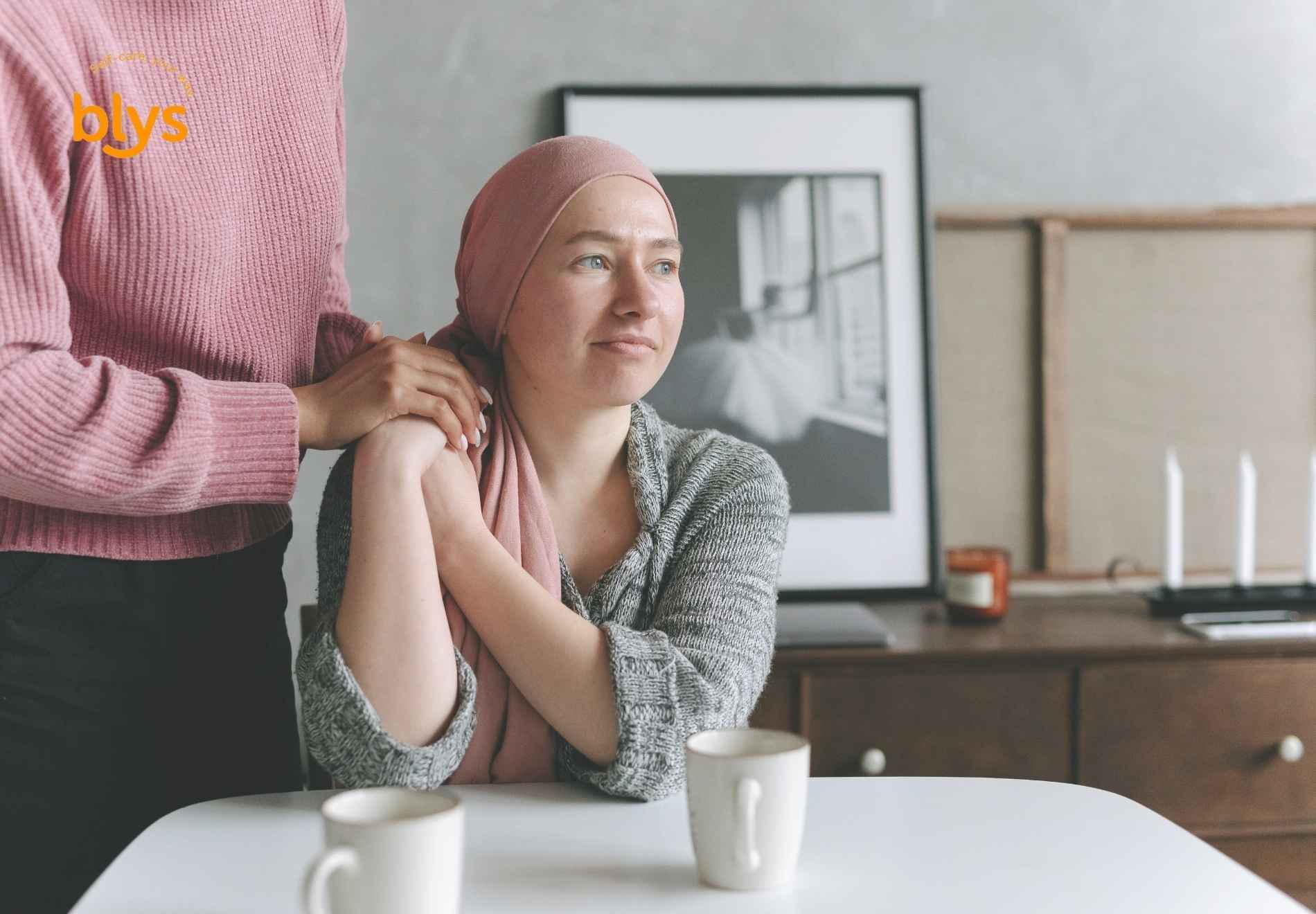
Massage therapy is generally safe and highly beneficial for cancer patients, provided it is performed by a certified oncology massage therapist. When adapted to the patient’s specific diagnosis, treatment stage, and medical history, massage can significantly reduce symptoms like anxiety, pain, and fatigue while improving overall quality of life during and after treatment.
For many years, a persistent myth suggested that massage could spread cancer by increasing circulation or "massaging" cancer cells into the lymphatic system. In 2026, medical science and integrative oncology standards have firmly debunked this notion. Cancer spreads through genetic changes and complex cellular processes, not through the mechanical pressure of a therapeutic touch. However, while the practice is safe in a broad sense, "safe" is conditional upon specialized modifications. A standard "spa-style" deep tissue massage can be dangerous for someone undergoing active treatment, whereas a clinical oncology massage is a recognized component of supportive care.
The Evolution of Oncology Massage
The field of oncology massage has transitioned from a fringe alternative therapy to a mainstay of integrative medicine in hospitals and cancer centers worldwide. By 2026, the protocols for touching a person with cancer have been refined through decades of clinical observation and peer-reviewed research.
Historically, therapists were taught to avoid cancer patients entirely for fear of liability or causing harm. Today, the focus has shifted from "if" a patient can be massaged to "how" they should be massaged. This evolution is driven by the understanding that the body of a cancer patient is under unique physiological stress. Chemotherapy, radiation, and surgery alter the body’s resilience, necessitating a highly specialized approach that prioritizes "first, do no harm."
Professional organizations, such as the Society for Oncology Massage (S4OM), provide the framework for these adaptations. Therapists are trained to review blood counts, scan for medical devices like ports or catheters, and understand the implications of different types of tumors. This level of scrutiny ensures that the massage supports the body’s healing process rather than adding to its burden.
Proven Benefits of Massage in Cancer Care
The primary goal of oncology massage is not to "fix" a physical ailment in the way a sports massage might treat a pulled muscle. Instead, it aims to provide symptomatic relief and improve the patient’s psychological state.
Reduction in Anxiety and Depression
Cancer is as much a psychological battle as a physical one. Studies consistently show that oncology massage triggers the parasympathetic nervous system, reducing cortisol levels and increasing serotonin and dopamine. For a patient facing the uncertainty of a 2026 diagnosis, this "relaxation response" can be a vital tool in managing the trauma of treatment.
Pain Management
Chronic pain is a common side effect of both cancer and its treatments. Massage helps by interrupting pain signals and reducing muscle tension. For patients with chemotherapy-induced peripheral neuropathy (CIPN), gentle touch can sometimes help desensitize affected areas, although this requires extreme caution and light pressure.
Mitigation of Treatment Side Effects
Patients often report a decrease in the severity of nausea and fatigue following regular massage sessions. By improving sleep quality and providing a dedicated space for rest, massage helps the body recover from the cellular exhaustion caused by high-dose radiation or systemic chemotherapy.
Identifying and Managing Risks
While beneficial, certain conditions associated with cancer present genuine risks if a therapist is not properly trained. Safety depends on recognizing these "red flags."
Bone Metastasis and Fracture Risk
Some cancers, such as breast, lung, and prostate cancer, frequently metastasize to the bones. This can make the skeletal structure incredibly fragile. A therapist applying even moderate pressure to a limb or the spine could inadvertently cause a fracture. Oncology massage practitioners use extremely light pressure (often referred to as "level 1" on a scale of 1 to 5) when working near known or suspected bone involvement.
Compromised Blood Counts
Chemotherapy often leads to thrombocytopenia (low platelet count) and neutropenia (low white blood cell count).
- Thrombocytopenia: If platelets are low, the patient is at high risk for bruising and internal bleeding. Deep tissue work is strictly contraindicated.
- Neutropenia: If white blood cells are low, the patient’s immune system is compromised. The therapist must maintain rigorous hygiene standards, and sessions may need to be postponed if the therapist or the environment poses an infection risk.
Deep Vein Thrombosis (DVT)
Cancer patients have a significantly higher risk of developing blood clots, particularly in the legs. A standard massage could dislodge a clot, leading to a life-threatening pulmonary embolism. A trained therapist will screen for signs of DVT—such as unilateral swelling, heat, or redness—and avoid the area entirely if a clot is suspected.
How Oncology Massage Differs from Traditional Massage
The primary difference lies in the modifications. An oncology massage is a bespoke session tailored to the patient’s daily health status.
| Feature | Traditional Massage | Oncology Massage |
|---|---|---|
| Primary Goal | Muscle relaxation / Stress relief | Symptom management / Comfort |
| Pressure Level | Varies (Light to Deep) | Consistently Light (Level 1-2) |
| Therapist Training | General Certification | Specialized Oncology Certification |
| Medical History Review | Minimal | Extensive (Labs, Meds, Surgery) |
| Site Restrictions | Rarely any | Avoids tumors, ports, and radiation sites |
| Positioning | Standard (Prone/Supine) | Adapted for comfort/medical devices |
The Role of Manual Lymphatic Drainage (MLD)
A specific concern for many cancer patients—particularly those treated for breast cancer or melanoma—is lymphedema. This is a chronic swelling that occurs when lymph nodes are removed or damaged by radiation.
Standard massage can actually worsen lymphedema by overwhelming the compromised lymphatic system with fluid. However, a specialized technique called Manual Lymphatic Drainage (MLD) is safe and often recommended. MLD uses specific, rhythmic, and very light strokes to encourage the movement of lymph fluid out of the swollen limb and toward functioning lymph nodes. It is critical that patients distinguish between a general "lymphatic massage" offered at a spa and clinical MLD performed by a Certified Lymphedema Therapist (CLT).
When to Avoid Massage (Contraindications)
There are specific instances where massage should be delayed or avoided entirely:
- Fever: A fever may indicate an active infection, which is a total contraindication for massage.
- Recent Surgery: While touch can be healing, the immediate post-operative period requires medical clearance to ensure surgical sites are not disturbed and the risk of blood clots has stabilized.
- Active Radiation Sites: Skin that is currently being treated with radiation is often fragile, sensitive, and prone to "radiation burns." These areas must be avoided to prevent further skin breakdown.
- Specific Lab Values: If a patient's medical team advises that their blood counts are dangerously low, massage should be paused until the levels recover.
Finding a Qualified Practitioner in 2026
In 2026, the gold standard for verifying a therapist's qualifications is through the Society for Oncology Massage (S4OM). Patients should look for therapists who have completed foundational courses specifically in oncology massage, which cover the complex pathology of the disease and its treatments.
When interviewing a therapist, ask the following:
- Have you completed a dedicated oncology massage certification?
- Are you comfortable working with patients who have [insert your specific condition, e.g., a chemo port or bone mets]?
- Do you require a physician’s clearance form before our first session? (A "yes" is a sign of a professional, safety-oriented therapist).
Questions for Your Oncology Team
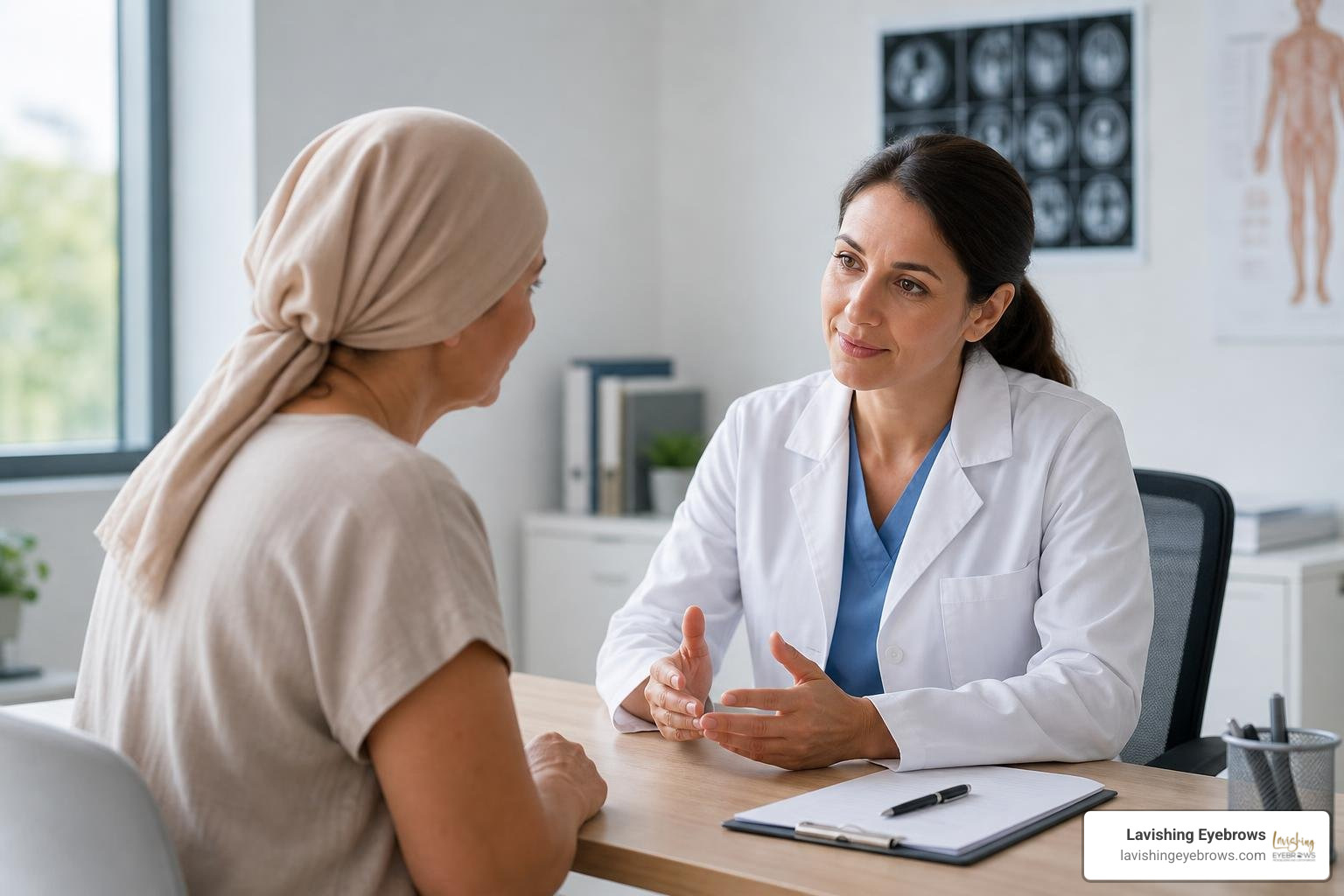
Before booking a session, it is imperative to consult with your primary oncologist or nurse navigator. You might ask:
- "Are there any specific areas of my body that should be avoided?"
- "Are my platelet and white blood cell counts currently in a safe range for gentle massage?"
- "Do I have a high risk for blood clots that the therapist should be aware of?"
Most modern cancer centers in 2026 have an integrative medicine department that can provide a direct referral to a trusted therapist who understands the specific protocols of that institution.
FAQs
Can massage spread cancer to other parts of the body?
No. There is no clinical evidence that massage promotes the metastasis of cancer. Cancer spreads through complex biological and genetic mechanisms. However, therapists must still avoid direct, heavy pressure on known tumor sites to prevent localized discomfort or complications.
Is deep tissue massage safe if I am in remission?
It depends on the long-term side effects of your treatment. If you have permanent lymphedema, bone thinning (osteoporosis) from hormonal therapies, or a history of blood clots, deep tissue massage may still be risky. Always inform your therapist of your full cancer history, even if you are years into remission.
Should I get a massage the same day as chemotherapy?
Some patients find that a very light, foot-focused massage during chemotherapy helps reduce the anxiety of the infusion. However, a full-body massage immediately following a session might be overwhelming for the body as it processes the drugs. It is usually best to wait 24–48 hours to see how your body reacts to the treatment first.
Does insurance cover oncology massage?
Coverage varies significantly by provider and plan. In 2026, many "Medicare Advantage" and private PPO plans have expanded coverage for integrative therapies when they are part of a prescribed palliative care plan. Always check with your insurance provider and ask your doctor for a formal "Letter of Medical Necessity."
Can massage help with the scars from cancer surgery?
Yes, but only after the incision is completely healed and with the approval of your surgeon. Specialized "scar tissue release" techniques can help improve mobility and reduce the pulling sensation often felt after procedures like mastectomies or lymph node dissections.
Final Recommendation
If you are navigating a cancer diagnosis in 2026, massage can be a safe and powerful ally, but it is not a "one size fits all" service. To ensure your safety, always prioritize therapists who hold specific oncology certifications and maintain open communication with your medical team. Start with shorter, lighter sessions to see how your body responds, and never feel pressured to accept more pressure than feels comfortable. When done correctly, the power of touch can provide a much-needed sanctuary of peace amidst the rigors of cancer treatment.