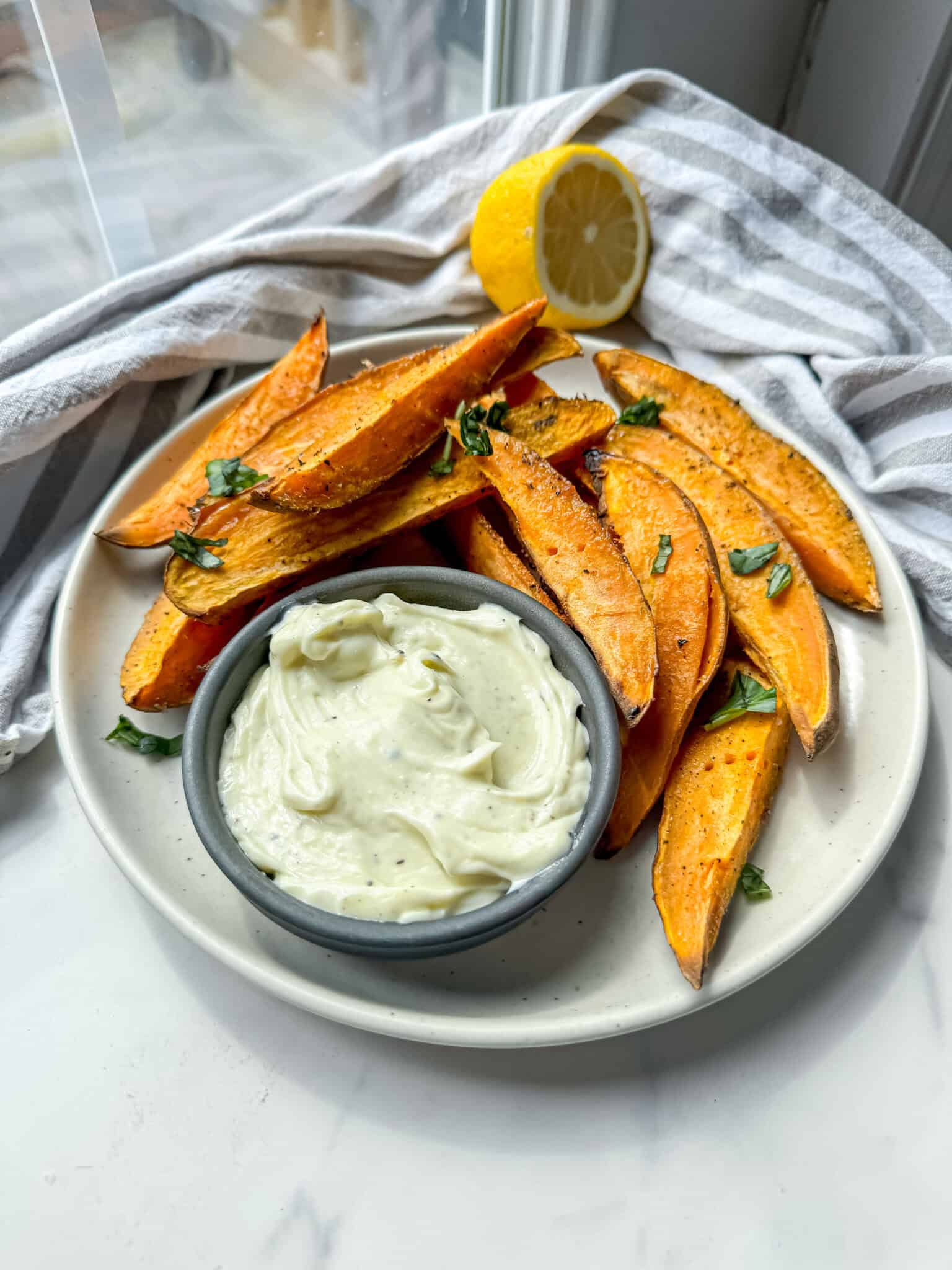
KFC potato wedges are not considered gluten-free. While potatoes are naturally gluten-free vegetables, the KFC preparation process involves seasoning, breading, and frying in equipment shared with wheat-containing products, creating a high risk of cross-contact. Individuals with celiac disease or severe gluten sensitivity should avoid consuming these items.
Understanding the Gluten Risk in Fast Food
For those navigating a gluten-free lifestyle, the fast-food environment presents significant challenges. Gluten, a protein found in wheat, barley, and rye, is a common additive in breadings, batters, and pre-packaged spice blends. When evaluating whether a menu item like KFC’s potato wedges is safe, it is essential to look beyond the primary ingredient—the potato—and examine the entire supply chain and preparation methodology.
The primary issue with most fried potato products in large-scale quick-service restaurants (QSRs) is the application of a "crispy" coating. In the case of seasoned potato wedges, manufacturers often use wheat flour or wheat-derived starches to achieve a specific texture and to help seasonings adhere to the surface of the potato. Even if a specific recipe were formulated without wheat, the environment of a commercial kitchen introduces the danger of cross-contact.
The Problem of Cross-Contact in Commercial Kitchens
Even if a hypothetical product were to contain no gluten ingredients, the reality of a busy restaurant environment, such as a KFC franchise, makes "gluten-free" labeling nearly impossible to guarantee. Cross-contact occurs when gluten-containing foods come into contact with gluten-free foods, often through shared equipment, utensils, or preparation surfaces.
In a typical KFC kitchen, the fryers are central to the operations. These units are used to prepare the signature fried chicken, which is heavily breaded in a flour-based coating. The same oil used to cook the chicken is frequently used to cook other sides, including potato wedges. As the chicken fries, small particles of breading, known as "crumbs," break off and circulate in the frying oil. These crumbs contain gluten. If a basket of potato wedges is submerged in that same oil, those gluten-laden crumbs can adhere to the wedges, effectively "contaminating" the supposedly gluten-free item.
Furthermore, preparation surfaces and tongs are often shared. A staff member might handle a piece of breaded chicken and then use the same tongs to move potato wedges. In a high-volume environment, maintaining the strict isolation required to prevent trace gluten transfer is functionally impossible without dedicated, separate equipment—a standard that is rarely met in standard fast-food outlets.
Ingredient Transparency and Manufacturer Guidelines
KFC, like many international food chains, provides allergen information to help customers make informed choices. This information is typically updated regularly to reflect changes in ingredients or manufacturing processes. As of 2026, the standard allergen documentation provided by the company consistently lists wheat as a component in their seasoned wedge products.
It is important to distinguish between "gluten-free" and "wheat-free." Many fast-food items are "wheat-free" but contain other sources of gluten, such as barley malt or specific types of thickeners. However, in the case of KFC wedges, the presence of wheat is explicit. The breading component acts as a delivery system for salt, pepper, garlic, onion, and other flavorings. While these flavorings themselves might not be the issue, the carrier ingredient ensures the product remains off-limits for the gluten-intolerant community.
Navigating Allergen Menus
When dining out, it is a best practice to consult the official allergen guide provided on the corporate website of the restaurant chain. These guides are designed to be clear about which items contain common allergens, including wheat.
If you are unsure about a specific item, the following table provides a breakdown of why potato products in QSR environments are generally hazardous for those with celiac disease.
| Factor | Risk Level | Explanation |
|---|---|---|
| Breading/Coating | High | Wheat flour is used to bind spices and create texture. |
| Shared Fryer Oil | High | Gluten particles from fried chicken remain in the oil. |
| Shared Utensils | Moderate | Tongs and baskets move between breaded and non-breaded items. |
| Supply Chain | Moderate | Hidden gluten in spice blends or anticaking agents. |
The Psychological and Physiological Impact of Gluten Exposure
For individuals with celiac disease, even trace amounts of gluten—the amount that could be transferred by a shared pair of tongs—can trigger an autoimmune reaction. This response leads to inflammation of the small intestine, resulting in symptoms such as abdominal pain, bloating, diarrhea, fatigue, and long-term health complications if the immune system is repeatedly triggered.
Those with non-celiac gluten sensitivity may experience similar, though perhaps less severe, physiological distress. Given the high probability of gluten exposure when consuming fried sides from a chain like KFC, the risk simply outweighs the reward for the vast majority of individuals who must adhere to a gluten-free diet for medical reasons.
Safer Alternatives for Gluten-Free Dining
If you are craving seasoned potatoes while following a gluten-free diet, the most reliable approach is to prepare them at home. By selecting your own potatoes, high-quality cooking oil, and gluten-free seasonings, you maintain total control over the ingredients and the environment.
When cooking at home, consider these tips for a safe, crispy result:
- Choose Certified Gluten-Free Spices: Ensure that your spice blends (like garlic powder or paprika) do not contain hidden additives or wheat-based anticaking agents.
- Use Fresh Oil: Dedicate a specific pot or home fryer to gluten-free cooking to prevent contamination from non-GF snacks or meals.
- Use Gluten-Free Binders: If you require a coating, use cornstarch or rice flour, which provide the necessary crispiness without the gluten protein.
Frequently Asked Questions
Are any items at KFC gluten-free? Most items at KFC, including the Original Recipe and Extra Crispy chicken, are not gluten-free because they are breaded with wheat flour. While some sides like coleslaw or corn on the cob may be wheat-free, they are prepared in environments where cross-contact with gluten is highly probable.
Can I ask the staff to fry the wedges in separate oil? In a standard commercial kitchen, this is usually not possible. Fryers are integral, high-capacity systems, and the logistics of cleaning a fryer between batches or dedicating a fryer exclusively for one item are beyond the operational capabilities of most fast-food franchises.
Does KFC offer a gluten-free menu? KFC does not currently market or maintain a dedicated gluten-free menu. Because of the nature of their business—which revolves around breaded, fried poultry—they cannot ensure the safety of their food for individuals with celiac disease.
What should I do if I accidentally consume gluten? If you have celiac disease and accidentally consume gluten, you should follow the advice of your healthcare provider. This may involve increasing your water intake, monitoring your symptoms closely, and, if necessary, seeking medical attention if you experience severe symptoms like dehydration or intense abdominal pain.
Is corn oil or vegetable oil naturally gluten-free? Yes, pure vegetable oils are naturally gluten-free. However, the risk at a fast-food restaurant comes from the "sediment" left behind by frying wheat-breaded items, not the oil itself.
Final Recommendations
For those who suffer from celiac disease or gluten intolerance, KFC potato wedges are not a safe choice. The combination of wheat-based coatings and shared frying equipment poses a continuous risk of cross-contact. The most effective way to protect your health is to avoid these products entirely and opt for home-cooked versions where you can verify the ingredients and preparation environment. If you are dining out at other establishments, always ask to speak with a manager about their specific kitchen protocols, but remember that in high-volume fast-food settings, the probability of complete safety remains low.