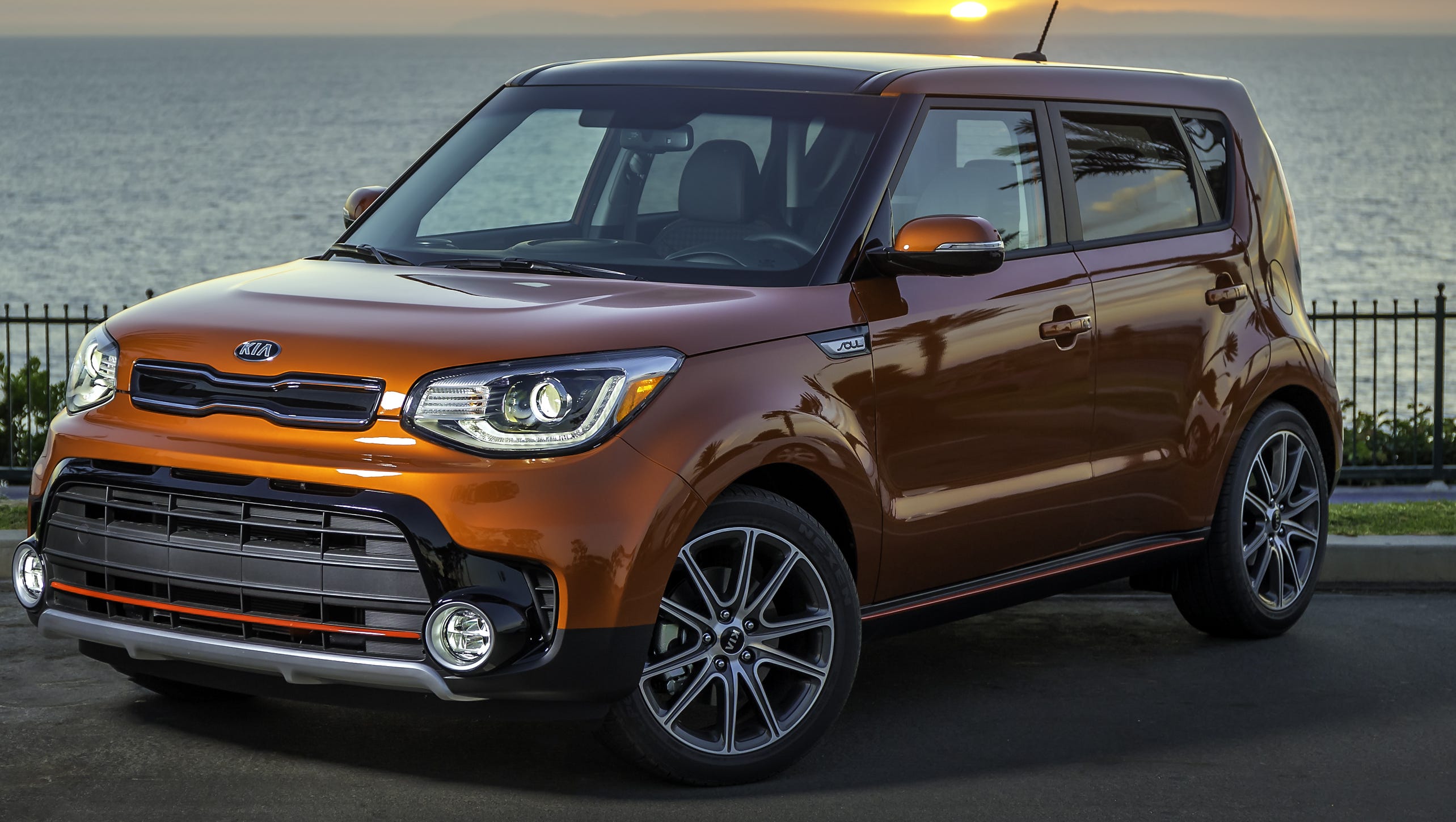
Determining whether Kia vehicles are a "good" investment requires a nuanced evaluation of their dramatic evolution from budget-focused economy models to sophisticated, feature-rich machines. In 2026, Kia’s reputation is defined by high-value technology, distinct design, and industry-leading warranties, offset by lingering concerns regarding engine reliability in specific legacy models and a competitive, often saturated, used-market value proposition.
The Evolution of the Kia Brand
To understand the current standing of Kia, one must look at the trajectory the brand has taken over the last two decades. Once perceived as a strictly "budget-friendly" alternative to Japanese stalwarts like Toyota and Honda, Kia shifted its strategy in the 2010s. By hiring high-profile design talent—notably Peter Schreyer, who moved from Audi—the company transformed its visual identity into something bold and modern.
By 2026, this shift is evident across the entire lineup, from the subcompact Rio (or its current market equivalent) to the highly praised EV6 and EV9 electric platforms, as well as the Telluride SUV. This evolution is not merely aesthetic; it involves a significant ramp-up in materials quality, chassis engineering, and infotainment integration, which has helped the brand earn high marks in initial quality surveys conducted by industry analysts like J.D. Power.
Core Strengths: Why Buyers Choose Kia
The appeal of a modern Kia generally centers on three pillars: value, technology, and industry-leading coverage.
1. The Warranty Advantage
Kia’s 10-year/100,000-mile limited powertrain warranty remains one of the most compelling arguments for new car buyers. This provides a clear psychological safety net that many competitors simply do not match. For buyers who plan to hold onto their vehicle for the long term, this coverage mitigates the risk associated with potential mechanical failures. However, it is essential to note that this warranty is non-transferable to subsequent owners in most cases, which affects the value proposition for those buying used Kias.
2. Feature Density
If you compare a Kia to a similarly priced competitor, you will almost always find that the Kia includes a higher volume of standard equipment. This includes advanced driver-assistance systems (ADAS), such as lane-keep assist, adaptive cruise control, and robust infotainment systems that support Apple CarPlay and Android Auto across nearly all trim levels. For the tech-savvy consumer, Kia provides "premium" features at a "mainstream" price point.
3. Design and Innovation
Kia has effectively moved away from the "anonymous appliance" design philosophy. The Telluride, for example, redefined the three-row family SUV segment with its rugged, upscale aesthetic, while the EV6 and EV9 have pushed the brand into the forefront of dedicated electric vehicle platforms that offer 800-volt charging architecture—a feature usually reserved for much more expensive luxury vehicles.
The Trade-Offs: Addressing Reliability and Residual Value
While the brand’s image has improved, there are historical and technical factors that potential owners must weigh before making a purchase.
1. Engine and Mechanical Concerns
Historically, Kia has dealt with significant recalls related to specific engine families, most notably the Theta II engines. These issues centered on manufacturing defects that led to premature engine failure, prompting class-action settlements and extensive service campaigns. While these issues largely affect models produced between 2011 and 2019, they have cast a long shadow on consumer trust. In 2026, current models appear to have resolved these specific engineering failures, but the perception remains a hurdle for long-term ownership confidence.
2. Theft Vulnerability (The "Kia Boyz" Phenomenon)
A significant challenge in recent years has been the exploitation of a mechanical vulnerability in certain Kia models lacking push-button ignitions and engine immobilizers. This led to a surge in vehicle thefts, causing some insurance providers to increase premiums or deny coverage in specific jurisdictions. While the company has released software updates to address this, the stigma persists, and buyers of older models without these updates should check if their specific VIN is subject to safety service campaigns or security patches.
3. Depreciation and Resale Value
Historically, Kia vehicles have depreciated more rapidly than their Japanese counterparts. While a low initial purchase price can offset this, it remains a factor for owners who typically trade in their vehicles every three to five years. As the brand's perception matures, this gap is narrowing, particularly for high-demand models like the Telluride, but it remains a consideration compared to the high residual values associated with the Toyota or Honda brands.
Comparative Analysis: Kia vs. The Market
When evaluating whether a Kia is right for your specific needs, it is helpful to visualize how they stack up against the broader market in 2026.
| Feature | Kia (Modern Lineup) | Toyota/Honda | Luxury European Brands |
|---|---|---|---|
| Warranty | Excellent (10yr/100k) | Standard (5yr/60k) | Limited (4yr/50k) |
| Feature-to-Price | Very High | Moderate | Low |
| Initial Quality | High | Very High | Moderate |
| Resale Value | Moderate | Very High | Low to Moderate |
| Tech Integration | Industry Leading | Conservative | High |
Strategic Considerations for Prospective Buyers
Before deciding on a Kia, conduct a verification of the following factors to ensure the specific vehicle fits your lifestyle and financial threshold.
1. Verify Insurance Costs
Because of the aforementioned security issues with older models, contact your insurance agent with the VIN of the specific vehicle you intend to buy. Do not assume standard rates; in some high-theft areas, insurance costs for certain Kia models have risen sharply, which can negate the monthly savings gained from the lower purchase price.
2. Review Service History
If you are buying a used Kia, the powertrain warranty may be void or severely limited if the previous owner failed to maintain the vehicle according to the manufacturer’s schedule. Always request a detailed service record. If purchasing from a private seller, verify that all applicable recall work—specifically regarding engine components or security immobilizers—has been performed at an authorized Kia dealership.
3. Assess Your Usage Cycle
Are you a "buy and hold" driver? If so, the 10-year warranty is a massive asset that makes the brand a strong contender. If you prefer to change cars every three years, consider the projected depreciation of the specific model. Kia’s SUVs and EVs currently hold value better than their sedan counterparts, making them a safer bet for those concerned with resale.
Frequently Asked Questions
Are Kias more reliable than they were ten years ago? Yes, objectively. The current engineering processes, materials quality, and rigorous testing cycles have resulted in higher scores in initial quality and dependability studies. The primary reliability issues that plagued the brand in the early 2010s have been largely engineered out of the current platform architecture.
Is the Kia warranty truly 10 years for everyone? No. The 10-year/100,000-mile powertrain warranty is typically only applicable to the original owner. Subsequent owners usually receive the remainder of the 5-year/60,000-mile new vehicle limited warranty. Always check the specific warranty documentation at the time of purchase.
Why are some insurance companies hesitant to cover older Kias? Certain older models lacked engine immobilizers, making them easy to start with simple tools. While Kia has provided software patches, some insurers remain cautious due to the historical data regarding high theft rates in specific regions. It is critical to confirm insurability before finalizing a purchase.
Do Kia EVs hold up well in terms of battery longevity? Kia’s current E-GMP platform used in the EV6 and EV9 is highly regarded for its thermal management and battery efficiency. Current 2026 data shows that degradation rates are consistent with industry leaders, and the high-voltage components are typically backed by strong supplemental warranties.
What is the best way to get a good deal on a Kia? Look for "Certified Pre-Owned" (CPO) units from an authorized Kia dealer. CPO vehicles undergo a rigorous inspection process and often include an extended warranty that provides more coverage than buying from a private party, effectively bridging the gap between new and used ownership.
Final Recommendation
Kia has transitioned from a budget brand into a legitimate, tech-forward competitor that challenges the status quo in the automotive industry. For the consumer who values advanced features, modern design, and a long-term warranty, a new Kia is a highly rational choice. To maximize your satisfaction, prioritize late-model vehicles, confirm that all security and mechanical recalls have been addressed, and verify insurance costs in your area before finalizing the transaction. When approached with this due diligence, a Kia offers one of the most balanced ownership experiences available in the current automotive landscape.